
 Source:
Iris ‘Purple Sensation’ short overview
Iris 'Purple Sensation' is a bulbous Dutch iris with upright, sword-shaped green leaves and striking violet-purple flowers marked with yellow on the falls. This established cultivar reaches about 24 inches in bloom and performs best in full sun, moderately fertile soil, and reliable drainage. Plant the bulbs in fall for late-spring to early-summer flowers that work especially well in borders, containers, and cut-flower arrangements.
Taxonomic classification
Iris ‘Purple Sensation’ care guide
Light and placement
Choose an open position in full sun, ideally with a south-, east- or west-facing aspect and good air circulation. Strong light supports sturdy stems and better flowering. Excess shade can produce weaker, less floriferous growth, while intense reflected heat is usually tolerated if the bulbs do not dry out during active growth.
Watering and humidity
Water after planting and during active growth whenever the upper soil begins to dry, keeping the root zone moderately moist but never saturated. Reduce watering as foliage yellows and allow the bulbs to rest comparatively dry in summer. Containers dry faster and need more frequent checking, but drainage remains essential.
Soil and growing medium
Use moderately fertile, well-drained soil. Sandy, loamy, clay or chalk-based soils can work when drainage is reliable. Neutral to alkaline conditions are suitable, although the cultivar is tolerant of a broad soil-pH range. Avoid sites that remain wet during summer dormancy, when bulb rot becomes more likely.
Feeding
Incorporate modest organic matter before planting if the soil is poor. After flowering, apply a bulb fertilizer or high-potash feed according to the product label to support the bulb. Avoid heavy nitrogen feeding, which can produce soft foliage and weaker flowering, and do not fertilize waterlogged or dormant bulbs.
Growth and habit
This bulbous perennial produces a narrow, upright clump of linear leaves and seasonal flowering stems. Growth is concentrated in the cool growing season, followed by a summer rest. Leave foliage intact until it yellows so the bulb can replenish reserves for the next flowering cycle.
Planting and repotting
Plant bulbs in fall, generally about 4 inches deep or roughly twice the bulb’s height, with 4–6 inches between bulbs. Set them in groups for stronger display, water after planting, and keep the site evenly but not excessively moist while roots establish. Allow the foliage to mature naturally after flowering.
Container-grown bulbs can remain in place for several seasons if the compost stays free-draining. Repot or divide when clumps become crowded or flowering declines, preferably after dormancy or in late summer to early autumn. Replace compacted compost and avoid burying bulbs deeper than their established planting level.
Propagation and pruning
Propagation
Propagate by separating bulb offsets or dividing established clumps from midsummer through early autumn, when the bulbs are dormant or beginning dormancy. Seed is not the practical method for preserving this named cultivar because seedlings may not reproduce the parent’s traits.
Pruning
Remove spent flowers after blooming to prevent unnecessary seed formation and maintain appearance. Leave green leaves in place until they yellow naturally, then cut them back. Remove old stems and dead foliage in autumn, using clean tools.
Overwintering
Leave bulbs outdoors in the ground in climates where they are reliably hardy, especially in sharply drained soil. In colder or very wet regions, add a light mulch after the ground cools, but do not keep bulbs waterlogged. Container bulbs are more exposed to freezing and may need sheltered placement or insulation.
Uses
Use in sunny flower borders, raised beds, cottage-style plantings, patio containers, and dedicated cutting gardens. The long, elegant stems make it a useful cut flower. It is ornamental only and should not be eaten; bulbs require care around children and pets.
Appearance
The plant has narrow, upright, sword-shaped bright green leaves and slender flowering stems. Each bloom carries dark violet-purple standards and falls, with a contrasting yellow mark on the falls. The narrow, columnar habit distinguishes it from broad, rhizomatous bearded iris clumps.
Flowering
Flowers are borne on upright stems in late spring to early summer, with the typical Dutch-iris structure of three upright standards and three spreading or pendent falls. 'Purple Sensation' has deep violet-purple flowers with yellow markings and is commonly grown for both garden display and cutting.
Pollination and visitors
The open, showy flowers are insect-pollinated and may be visited by bees. No reliable evidence located here supports assigning a particular pollinator species to this named cultivar, and attraction appears less strongly documented than for many nectar-rich perennials.
Diseases and pests
Diseases
Possible problems include leaf spot, rust, iris ink disease, bulb rot and virus diseases. Improve drainage, avoid overhead watering, remove diseased foliage promptly, and discard badly rotted bulbs. Do not replant bulbs in persistently wet or contaminated soil.
Pests
Slugs, snails and thrips may damage foliage or flowers. Reduce hiding places and excess moisture, inspect emerging growth, and use proportionate control methods suited to the garden. Good drainage and spacing help limit secondary problems.
Related diseases and pests
Only Plant Doctor profiles whose host data indicate this plant may be affected are shown here.
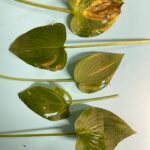 PestStrawberry foliar nematodeAphelenchoides fragariae
 DiseaseAlternaria leaf spot and fruit rotAlternaria alternata
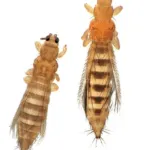 PestOnion thripsThrips tabaci Lindeman
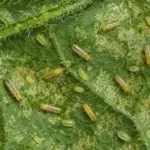 PestMelon thripsThrips palmi Karny
 PestChilli thripsScirtothrips dorsalis Hood
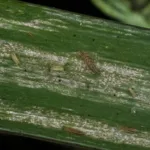 PestDracaena ThripsParthenothrips dracaenae
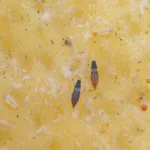 PestGreenhouse thripsHeliothrips haemorrhoidalis
Toxicity and pollen
The plant is classified by horticultural safety guidance as harmful if eaten. Irritating or toxic compounds are associated especially with the bulbs and underground parts. Keep bulbs away from children and pets, avoid ingestion, and wear gloves when handling damaged plant material.
- Typical season
- Late spring to early summer
- Pollination / pollen
- Insect-dispersed floral pollen
Dutch iris flowers release pollen within the flower and are primarily insect-pollinated, so pollen is not generally dispersed in large airborne clouds. Individual sensitivity is still possible, especially during handling or when flowers are brought indoors; this should not be interpreted as zero allergy risk.
Native habitat
The cultivar itself is not a wild species and has no native habitat. Dutch iris cultivars derive from hybrid breeding involving bulbous Mediterranean-region iris lineages adapted to sunny, seasonally dry conditions and sharply drained soils.
Interesting fact
This named cultivar was introduced in 1952 by H. S. van Waveren. It belongs to the Dutch iris group, whose underground storage organ is a bulb rather than the rhizome typical of bearded garden iris. The flowers are valued in the cut-flower trade as well as in gardens.
Frequently asked questions (FAQ)
The most relevant questions about this plant, with short and direct answers.
🌱Quick care
What is Iris 'Purple Sensation'?⌄
Iris 'Purple Sensation' is a bulbous Dutch iris with dark purple flowers marked in yellow. It typically grows about 18–24 inches tall and is valued for borders and cut flowers.
How much sun does Iris 'Purple Sensation' need?⌄
Iris 'Purple Sensation' grows best in full sun, ideally receiving at least 6 hours of direct light daily. Some light afternoon shade is tolerated in hot climates, but flowering may be reduced.
How often should I water Iris 'Purple Sensation'?⌄
Water Iris 'Purple Sensation' moderately, keeping the soil lightly moist while it is actively growing. Allow the soil to dry somewhat between waterings and avoid consistently wet conditions, especially during summer dormancy.
Is Iris 'Purple Sensation' perennial?⌄
Yes, Iris 'Purple Sensation' is a bulbous perennial that can return for several years. It performs best when its bulbs remain in well-drained soil and are allowed to rest relatively dry in summer.
🌤️Environment and placement
What USDA zones can grow Iris 'Purple Sensation'?⌄
Iris 'Purple Sensation' is generally listed as hardy in USDA Zones 5–9. Local performance can vary with drainage, winter moisture, and the quality of the bulbs.
What soil is best for Iris 'Purple Sensation'?⌄
Use moderately fertile, well-drained soil for Iris 'Purple Sensation'. Loam, sandy soil, or amended clay can work, but heavy soil should be improved so the bulbs do not remain wet.
Can Iris 'Purple Sensation' grow in clay soil?⌄
Iris 'Purple Sensation' can grow in clay soil if drainage is improved first. Incorporate organic matter and, where appropriate, coarse material to reduce waterlogging rather than planting the bulbs in a persistently wet spot.
Can Iris 'Purple Sensation' grow in containers?⌄
Yes, Iris 'Purple Sensation' grows well in containers with drainage holes and a free-draining potting mix. Place the container in full sun and water only when the upper layer of mix begins to dry.
Is Iris 'Purple Sensation' good for cut flowers?⌄
Yes, Iris 'Purple Sensation' is suitable for cut flowers. Cut stems when the buds are showing color but have not fully opened, and place them promptly in clean water.
💧Care and problems
How do I care for Iris 'Purple Sensation' after flowering?⌄
Remove faded flowers and continue watering moderately while the foliage remains green. Let the leaves yellow naturally so they can replenish the bulbs before removing them.
When should I cut back Iris 'Purple Sensation'?⌄
Cut back the old flower stems after flowering, but leave healthy leaves in place until they yellow. Remove dying foliage in fall rather than cutting green leaves early.
Why is my Iris 'Purple Sensation' not flowering?⌄
Poor flowering is commonly linked to insufficient sun, waterlogged soil, immature or weak bulbs, or foliage being removed too early. Improve drainage, keep the plant in full sun, and allow the leaves to die back naturally.
Why are the leaves of Iris 'Purple Sensation' turning yellow?⌄
Yellowing leaves after flowering are usually a normal sign that Iris 'Purple Sensation' is entering dormancy. Yellowing during active growth can indicate overwatering, poor drainage, disease, or nutrient stress.
What pests affect Iris 'Purple Sensation'?⌄
Iris 'Purple Sensation' may be affected by slugs, snails, and thrips. Inspect new growth and flowers regularly, and improve garden hygiene while using a control method appropriate for your garden.
What diseases can affect Iris 'Purple Sensation'?⌄
Potential problems include leaf spot, rust, bulb rot, ink disease, and virus diseases. Good drainage, clean planting material, adequate spacing, and removing diseased foliage help reduce risk.
🪴Planting and repotting
When should I plant Iris 'Purple Sensation' bulbs in the United States?⌄
Plant Iris 'Purple Sensation' bulbs in fall, generally from September through November, before the ground freezes. In warmer USDA Zones 8–9, planting may extend into early winter if the soil remains workable.
How deep should I plant Iris 'Purple Sensation' bulbs?⌄
Plant Iris 'Purple Sensation' bulbs about 4 inches deep, or roughly twice the bulb's height, with the pointed end facing upward. Adjust slightly if your soil is unusually heavy or poorly drained.
How far apart should I plant Iris 'Purple Sensation' bulbs?⌄
Space Iris 'Purple Sensation' bulbs about 4–6 inches apart for a grouped display. Wider spacing can improve airflow, while closer planting creates a fuller seasonal effect.
Can Iris 'Purple Sensation' bulbs stay in the ground year-round?⌄
Yes, Iris 'Purple Sensation' bulbs can usually remain in the ground year-round in suitable climates. They need well-drained soil and a relatively dry summer rest because prolonged moisture can cause bulb rot.
Should I fertilize Iris 'Purple Sensation'?⌄
Feed Iris 'Purple Sensation' lightly with a balanced or higher-potash fertilizer after flowering if the soil is poor. Avoid heavy nitrogen feeding, which can encourage leaves at the expense of flowers.
✂️Propagation and pruning
How do I propagate Iris 'Purple Sensation'?⌄
Propagate Iris 'Purple Sensation' by separating bulb offsets after the foliage has died back, usually from midsummer into early fall. Replant healthy offsets promptly in well-drained soil.
When should I divide Iris 'Purple Sensation'?⌄
Divide Iris 'Purple Sensation' when clumps become crowded or flowering declines, often after several years. Lift the bulbs during their summer dormancy, separate offsets, and replant the largest healthy bulbs.
Can Iris 'Purple Sensation' be grown from seed?⌄
It can be grown from seed, but seed-grown plants may not reproduce the named cultivar exactly and usually take several years to flower. Bulb offsets are the more reliable method for preserving 'Purple Sensation' characteristics.
⚠️Toxicity and safety
Is Iris 'Purple Sensation' toxic to dogs and cats?⌄
Iris 'Purple Sensation' should be treated as harmful if eaten by pets or people. Keep bulbs and plant material away from children and animals, and contact a veterinarian or poison service if ingestion occurs.
What happens if someone eats Iris 'Purple Sensation'?⌄
Eating Iris 'Purple Sensation' may cause gastrointestinal upset, including nausea, vomiting, abdominal pain, or diarrhea. Seek medical or veterinary advice promptly, especially after bulb ingestion or if symptoms are severe.
Should I wear gloves when handling Iris 'Purple Sensation' bulbs?⌄
Wearing gloves is a sensible precaution when handling Iris 'Purple Sensation' bulbs, particularly for people with sensitive skin. Wash your hands afterward and do not allow plant sap or bulb pieces to contact your mouth.
🌸Flowering and special interest
When does Iris 'Purple Sensation' bloom?⌄
Iris 'Purple Sensation' generally blooms in mid to late spring. Bloom timing varies with USDA zone, winter conditions, planting date, and the local spring temperature pattern.
What do Iris 'Purple Sensation' flowers look like?⌄
The flowers are richly dark purple with a noticeable yellow marking on the falls. Upright, narrow green leaves surround stems that commonly reach about 18–24 inches.
Is Iris 'Purple Sensation' fragrant?⌄
Iris 'Purple Sensation' is generally considered nonfragrant or only very lightly scented. Its main ornamental appeal is the strong purple-and-yellow color contrast rather than perfume.
How long do Iris 'Purple Sensation' flowers last?⌄
Individual flowers are relatively short-lived, but several buds on a stem can extend the display. Cool weather, adequate moisture, and protection from strong wind can help the overall flowering period last longer.
Similar plants
 Iris ‘Beverly Sills’Iris 'Beverly Sills'
 Compact White (Impatiens sunpatiens ‘Compact White’)Impatiens sunpatiens 'Compact White'
 Busy Lizzie (Impatiens walleriana) care guideImpatiens walleriana
 Sheepfigs (Delosperma) care guideDelosperma
 Compact Red (Impatiens sunpatiens ‘Compact Red’)Impatiens sunpatiens 'Compact Red'
 Impatiens New Guinea Group (Impatiens hawkeri) care guideImpatiens hawkeri