
 Source:
 Compact White (Impatiens sunpatiens ‘Compact White’) short overview
Impatiens sunpatiens 'Compact White' is a compact, well-branched hybrid impatiens grown mainly as a warm-season annual in the United States. Its dark green foliage forms a rounded mound covered with large, pure-white flowers from planting until frost. Unlike traditional shade impatiens, it performs in full sun as well as part shade and tolerates heat, humidity, and variable weather. Use it in beds, borders, containers, window boxes, or hanging baskets.
Taxonomic classification
Compact White (Impatiens sunpatiens ‘Compact White’) care guide
Light and placement
Provide 4 or more hours of direct sun for strongest flowering, with part shade also suitable. Morning sun and afternoon shade can help in very hot inland locations. Excessive shade produces stretched growth and fewer flowers; intense reflected heat combined with dry soil can cause wilting or leaf scorch.
Watering and humidity
Water deeply when the surface begins to dry, keeping the root zone evenly moist but never saturated. Containers may need frequent checks during hot weather, while established beds need less frequent but thorough irrigation. Water the soil rather than repeatedly wetting dense foliage, and do not allow plants to remain wilted for long periods.
Soil and growing medium
Use a fertile, humus-rich potting mix or garden soil that drains freely but does not dry rapidly. A slightly acidic mix is suitable; commercial production guidance places the preferred pH around 5.8–6.2. Avoid heavy, waterlogged soil and containers without drainage holes.
Feeding
Feed after establishment with a balanced soluble fertilizer at label strength every 1–2 weeks, or use a controlled-release fertilizer according to the product label. Container plants generally need more regular feeding than plants in amended beds. Do not fertilize drought-stressed, waterlogged, or newly transplanted plants until they recover.
Growth and habit
This cultivar forms a dense, rounded, well-branched mound with relatively short internodes. Growth is fast in warm conditions, and plants can fill containers or bedding spaces during one growing season. Pinching is usually unnecessary; trim only to restore shape or remove damaged stems.
Planting and repotting
Plant outdoors after the local frost danger has passed and soil has warmed. Set the plant at the same depth as in its nursery container. Space about 14–24 inches apart, using closer spacing for a quicker massed display. Water thoroughly after planting and maintain even moisture during establishment.
Move container plants into a slightly larger pot when roots fill the existing container. Use fresh, well-drained potting mix and disturb the root ball as little as practical. Repot in spring or early summer while the plant is actively growing.
Propagation and pruning
Propagation
Commercially propagated from stem cuttings. Take healthy non-flowering tip cuttings during active growth, root them in a sterile, airy medium under high humidity, then gradually reduce mist as roots develop. Cultivar propagation may be restricted by plant patent or licensing terms.
Pruning
Deadheading is normally unnecessary. If stems become uneven, damaged, or overextended, trim them lightly above a leaf node during active growth. Avoid severe cutting late in the season, when recovery will be slow as temperatures decline.
Overwintering
Treat as a seasonal annual where frost occurs. In USDA Zones 10–11, plants may persist as perennials if protected from freezing temperatures. Container plants can be brought indoors before frost, but maintaining strong light, warmth, and adequate humidity is necessary and flowering may decline.
Uses
A high-value ornamental for sunny bedding displays, mixed borders, containers, window boxes, and hanging baskets. Its long flowering period and tolerance of heat and humidity make it useful for summer color in much of the United States. It is not recommended as a culinary or medicinal plant.
Appearance
The plant has succulent, branching stems, pointed dark green leaves, and a dense mound-forming habit. Large white flowers appear at stem tips and contrast strongly with the foliage. The combination of compact branching, sun tolerance, and prolonged flowering helps distinguish SunPatiens from traditional shade-oriented impatiens.
Flowering
Large, rounded, white impatiens flowers are produced continuously from planting through frost under suitable warmth and moisture. Deadheading is generally unnecessary because the cultivar is self-cleaning, although removing damaged growth can improve appearance.
Pollination and visitors
The open white flowers can be visited by butterflies, although documentation for a specific pollinator species or a consistently high visitation rate for this named cultivar is limited. Pollinator performance may vary with local flower abundance and garden conditions.
Diseases and pests
Diseases
Good air movement, clean irrigation practices, and avoidance of persistently saturated foliage help reduce Botrytis, root and stem rots, and viral diseases such as impatiens necrotic spot virus. Remove severely diseased plants rather than composting them. SunPatiens selections are marketed for strong disease performance, but no cultivar is immune to all pathogens.
Pests
Inspect new growth and flower buds for aphids and thrips, and check foliage for mites during hot, dry weather. Reduce stress with consistent watering, remove heavily infested tissue, and use targeted control only when needed. Avoid routine broad-spectrum insecticides during bloom because they can harm flower visitors.
Related diseases and pests
Only Plant Doctor profiles whose host data indicate this plant may be affected are shown here.
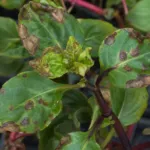 DiseaseImpatiens necrotic spot virus diseaseImpatiens necrotic spot orthotospovirus
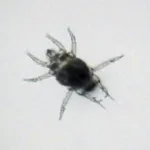 PestBroad mitePolyphagotarsonemus latus (Banks)
 PestCyclamen mitePhytonemus pallidus
 PestTwo-spotted spider miteTetranychus urticae
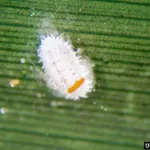 PestCitrus mealybugPlanococcus citri
 DiseaseCucumber mosaic virusCucumber mosaic virus
 DiseaseSouthern blightAthelia rolfsii
 DiseaseFava Bean Chocolate SpotBotrytis fabae
Toxicity and pollen
Impatiens spp. are listed by the ASPCA as non-toxic to dogs and cats. This does not make the plant edible, and any plant material can cause mild stomach upset if eaten in quantity. Prevent children and pets from chewing treated plants, and seek professional advice after substantial ingestion or concerning symptoms.
- Typical season
- Late spring through fall while flowering
- Pollination / pollen
- Insect-dispersed pollen
This is an insect-pollinated flowering cultivar, so pollen is generally not released in large airborne clouds. Low airborne exposure is a practical classification rather than a guarantee of zero allergy risk; sensitive individuals may still react to direct flower contact or mixed garden pollen.
Native habitat
This is a cultivated interspecific hybrid rather than a wild plant with a native habitat. Its breeding background includes New Guinea impatiens and other Impatiens material. In cultivation it prefers warm conditions, fertile soil, regular moisture, and good drainage rather than prolonged cold or waterlogging.
Interesting fact
SunPatiens are interspecific hybrids developed from New Guinea impatiens and other impatiens breeding material. The Compact series was selected for shorter internodes, dense branching, and a smaller landscape habit. The cultivar flowers in sun or part shade and usually does not require deadheading.
Frequently asked questions (FAQ)
The most relevant questions about this plant, with short and direct answers.
🌱Quick care
What is Impatiens sunpatiens 'Compact White'?⌄
Impatiens sunpatiens 'Compact White' is a compact SunPatiens hybrid with white flowers, suited to containers, beds, and borders. It is commonly grown as a frost-tender annual in the United States.
How much sun does SunPatiens Compact White need?⌄
Give it part sun to full sun, with at least about 4 hours of direct light for reliable flowering. It tolerates more sun than traditional impatiens once established.
How often should I water SunPatiens Compact White?⌄
Water when the soil surface begins to dry, keeping the root zone evenly moist but not waterlogged. Containers may need watering more often during hot, sunny weather.
Does SunPatiens Compact White need deadheading?⌄
No, deadheading is not necessary because new flowers grow over older blooms and spent flowers drop naturally. Removing faded flowers is optional if you prefer a tidier appearance.
Is SunPatiens Compact White easy to grow?⌄
Yes, it is generally an easy-care annual when grown in fertile, well-drained soil with consistent moisture. The main maintenance issue is preventing drought stress in hot weather.
🌤️Environment and placement
Can SunPatiens Compact White grow in full sun?⌄
Yes, SunPatiens Compact White can grow in full sun, especially when its roots are established and the soil stays evenly moist. In very hot regions, afternoon protection can reduce midday wilting.
Can SunPatiens Compact White grow in shade?⌄
It tolerates part shade, but dense shade usually produces fewer flowers and a less compact plant. Bright morning sun or several hours of filtered light is a better shaded placement.
How large does SunPatiens Compact White get?⌄
It typically grows about 16 to 30 inches tall and 14 to 20 inches wide. Actual size varies with light, fertility, water, temperature, and whether it is grown in a container or in the ground.
How far apart should I plant SunPatiens Compact White?⌄
Space plants about 12 to 24 inches apart, depending on how quickly you want the bed to fill. Wider spacing improves airflow, while closer spacing creates a fuller display sooner.
Is SunPatiens Compact White suitable for containers?⌄
Yes, it performs well in patio containers, window boxes, and mixed planters. Use a container with drainage holes and a fertile, well-drained potting mix, and expect to water more frequently than plants in the ground.
Can SunPatiens Compact White grow indoors?⌄
It can be maintained indoors temporarily under strong grow lights, but it is primarily an outdoor bedding and container plant. Indoors, provide good airflow, warmth, and careful watering to reduce pest and root problems.
💧Care and problems
Why is my SunPatiens Compact White wilting?⌄
Wilting is most often caused by insufficient water, especially in containers or during hot weather. Water thoroughly and check drainage; persistent wilting in wet soil can indicate root stress rather than dryness.
Why are the flowers on my SunPatiens Compact White turning brown or pale?⌄
Petal discoloration can result from sun scald when moisture remains on flowers in intense sunlight. Water the soil rather than the blooms and provide afternoon protection during extreme heat if the problem continues.
Why is my SunPatiens Compact White not blooming well?⌄
Insufficient light, drought stress, excessive shade, or crowding can reduce flowering. Move it to brighter light if possible, maintain even moisture, and avoid heavy nitrogen fertilization.
Does SunPatiens Compact White need fertilizer?⌄
It can flower without much fertilizer, but a light application of a balanced, slow-release fertilizer or diluted liquid feed can support extended performance. Avoid excessive feeding, which may produce foliage at the expense of flowers.
What pests commonly affect SunPatiens Compact White?⌄
Aphids, spider mites, and other common garden pests may occasionally affect it, particularly when plants are stressed. Inspect the undersides of leaves and use an appropriate labeled treatment if pests become persistent.
Can I cut back SunPatiens Compact White?⌄
Yes, light trimming can restore a compact shape or reduce legginess. Remove no more than about one-third of the plant at a time so enough foliage remains for recovery.
🪴Planting and repotting
When should I plant SunPatiens Compact White outdoors?⌄
Plant it after the danger of frost has passed and nighttime temperatures are consistently mild. SunPatiens is frost tender, so planting dates vary across USDA climate zones.
What soil is best for SunPatiens Compact White?⌄
Use fertile, humus-rich, well-drained soil or a quality potting mix. The soil should retain moisture without becoming saturated, because persistently wet roots can lead to rot.
Can SunPatiens Compact White tolerate clay soil?⌄
It can grow in improved clay soil, but heavy clay should be amended to improve drainage and organic matter. Raised beds or containers may be better where water remains near the roots after rain.
How do I plant SunPatiens Compact White in a container?⌄
Choose a container with drainage holes, fill it with quality potting mix, and plant at the same depth as the nursery root ball. Water thoroughly after planting and keep the mix evenly moist while roots establish.
Can SunPatiens Compact White survive winter outdoors?⌄
Usually not, because it is frost tender and is generally grown as a warm-season annual in the United States. In frost-free areas it may persist longer, but cold snaps can still damage or kill it.
✂️Propagation and pruning
Can I grow SunPatiens Compact White from seed?⌄
Do not rely on seed to reproduce this named cultivar accurately, because offspring may not retain its traits. Commercially sold plants are generally the dependable way to obtain the same cultivar.
Can I propagate SunPatiens Compact White from cuttings?⌄
SunPatiens can root from cuttings, but this named cultivar is commercially protected in some markets and asexual propagation may be restricted. Check the plant label and applicable U.S. plant-patent terms before propagating it.
Do SunPatiens Compact White plants self-seed?⌄
Self-seeding is not a dependable way to reproduce this cultivar. Any seedlings that appear may not grow true to the compact habit or white flower characteristics.
⚠️Toxicity and safety
Is SunPatiens Compact White toxic to dogs and cats?⌄
SunPatiens Compact White is considered non-toxic to dogs and cats. It is still not an edible plant, and consuming large amounts of any ornamental plant may cause stomach upset.
Can children eat SunPatiens Compact White flowers?⌄
No, the flowers and foliage should not be eaten. Grow it as an ornamental plant and contact a medical professional or poison-control service if a child consumes an unknown or substantial amount.
🌸Flowering and special interest
How long does SunPatiens Compact White bloom?⌄
It can bloom from spring through frost when it has adequate light, moisture, and warmth. Flowering may pause briefly after severe drought, transplant stress, or cold weather.
Does SunPatiens Compact White bloom in hot weather?⌄
Yes, SunPatiens hybrids are bred to continue setting flower buds in hot conditions better than many traditional impatiens. Consistent watering is still essential during heat waves.
Are the flowers of SunPatiens Compact White pure white?⌄
The cultivar is selected for white flowers, although blooms can show temporary discoloration from sun scald, aging, moisture, or heat stress. New flowers should generally open white under suitable conditions.
Similar plants
 Oakleaf hydrangea (Hydrangea quercifolia) care guideHydrangea quercifolia
 Delosperma ‘Fire Spinner’Delosperma 'Fire Spinner'
 Delosperma congestum care guideDelosperma congestum
 Impatiens New Guinea Group (Impatiens hawkeri) care guideImpatiens hawkeri
 Fire Sheepfig (Delosperma sutherlandii) care guideDelosperma sutherlandii
 Impatiens ‘New Guinea’Impatiens 'New Guinea'