
 Source:
Impatiens New Guinea Group (Impatiens hawkeri) short overview
Impatiens New Guinea Group, based on Impatiens hawkeri, is a colorful tropical perennial commonly grown as a summer annual in the United States. Its glossy foliage and large, spurred flowers brighten containers, hanging baskets, borders, and shaded patios. Give it bright filtered light or partial shade, consistently moist but well-drained soil, moderate humidity, and protection from temperatures below about 50°F. Plants flower from spring through fall in warm conditions.
Taxonomic classification
Impatiens New Guinea Group (Impatiens hawkeri) care guide
Light and placement
Place in bright filtered light or partial shade, such as an east-facing exposure, a bright porch, or beneath light afternoon shade. Morning sun is usually safer than intense afternoon sun. Too much direct sun can bleach or scorch leaves and flowers and increases water demand; too little light produces weak, stretched growth and fewer flowers.
Watering and humidity
Water when the surface begins to dry, soaking the root ball thoroughly and allowing excess water to drain. Keep the mix evenly moist but never stagnant. Increase frequency in hot, bright weather and reduce it in cool, low-light conditions. Avoid repeated severe wilting, which can cause leaf drop and flower loss.
Soil and growing medium
Use a fertile, moisture-retentive but well-drained potting mix or garden soil amended with compost. A slightly acidic to neutral reaction is suitable. Avoid compacted, waterlogged soil and avoid heavy salt buildup, because New Guinea impatiens are sensitive to excess soluble salts.
Feeding
Feed established plants lightly with a balanced liquid fertilizer at about half strength every 2–4 weeks during active growth, or use a modest controlled-release fertilizer. Do not fertilize severely wilted, newly transplanted, or cold-stressed plants. Excess fertilizer and soluble salts can burn roots and cause leaf-edge injury or stalled growth.
Growth and habit
Plants form rounded, branching clumps with succulent herbaceous stems and a relatively shallow root system. Newer cultivars are often naturally free-branching and need little pinching. Consistent moisture, warmth, and moderate light help maintain dense growth; drought, cold, or excess salts can cause rapid decline.
Planting and repotting
Plant outdoors after the danger of frost has passed and nighttime temperatures are reliably mild. Set plants at the same depth as in their nursery containers, spacing them about 12–18 inches apart depending on cultivar size. Water well during establishment and provide afternoon shade in hot climates.
Repot in spring or when roots fill the container, moving up only one pot size. Use fresh, well-drained mix and water thoroughly after transplanting. Avoid burying the stem deeper than it was previously growing.
Propagation and pruning
Propagation
Propagate from seed or stem cuttings. Sow seed at about 70–75°F with bright indirect light and evenly moist medium; germination commonly takes 14–21 days. Tip cuttings root readily in warm, humid conditions, often within 2–3 weeks. Check cultivar propagation rights before taking cuttings from patented plants.
Pruning
Routine pruning is usually unnecessary. Remove spent flowers, yellow leaves, and damaged stems to improve appearance. If plants become lanky, pinch or cut back lightly just above a leaf node; heavy pinching can delay flowering.
Overwintering
Move containers indoors before temperatures fall near 50°F. Provide bright light, warm conditions, and reduced but regular watering. Growth may slow in winter. In colder regions, garden plants are usually treated as annuals rather than dug and stored.
Uses
Use in shaded or partly shaded beds, borders, containers, hanging baskets, window boxes, patios, and protected indoor displays. It is valued for colorful flowers and foliage rather than food or medicinal use. In warm climates it can be used as a tender perennial; elsewhere it is normally replaced or overwintered indoors.
Appearance
The plant has succulent, branching stems and broad, glossy, lance-shaped leaves, often larger than those of common impatiens. Leaf undersides may show red or purple tones, and some cultivars have bronze or variegated foliage. Flowers are conspicuous and spurred, with a wide range of saturated colors.
Flowering
Flowers are produced repeatedly from late spring through fall when plants remain warm, watered, and actively growing. Blooms are typically flat to rounded, often single or semi-double, and have a conspicuous nectar spur. Flowering declines in cold, drought, severe heat, or deep low light.
Pollination and visitors
Flowers can be visited by butterflies and other insects, but reliable species-specific pollination data for cultivated New Guinea impatiens are limited. The large spurred flowers provide nectar access, while cultivar flower form and placement influence which visitors use them.
Impatiens hawkeri photos
Click any photo for a larger view. Source, author and license are shown separately.
Diseases and pests
Diseases
Potential problems include root, stem, and crown rots, bacterial or fungal leaf spots, Botrytis, viruses, and occasional downy mildew confusion with Impatiens walleriana. Improve air movement, avoid wet foliage and saturated soil, remove diseased tissue, and discard badly affected plants. New Guinea impatiens are generally resistant to the downy mildew that severely affects common impatiens.
Pests
Watch for aphids, thrips, whiteflies, spider mites, broad or cyclamen mites, leafminers, and occasional nematodes. Inspect new plants, isolate infestations, rinse foliage when practical, improve air movement, and use labeled insecticidal soap or horticultural oil according to directions. Avoid chronic drought, which can worsen mite problems.
Related diseases and pests
Only Plant Doctor profiles whose host data indicate this plant may be affected are shown here.
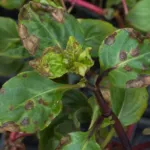 DiseaseImpatiens necrotic spot virus diseaseImpatiens necrotic spot orthotospovirus
 PestCyclamen mitePhytonemus pallidus
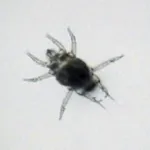 PestBroad mitePolyphagotarsonemus latus (Banks)
 PestTwo-spotted spider miteTetranychus urticae
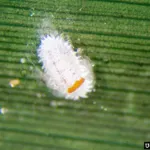 PestCitrus mealybugPlanococcus citri
 DiseaseCucumber mosaic virusCucumber mosaic virus
 DiseaseSouthern blightAthelia rolfsii
 DiseaseCucurbit Downy MildewPseudoperonospora cubensis (Berk. & M.A. Curtis) Rostovzev
Toxicity and pollen
Impatiens is listed by Poison Control and ASPCA as non-poisonous or non-toxic in their general plant references. Normal contact is not expected to cause poisoning, but any plant material may cause mild stomach upset if eaten in quantity, and individual sensitivities are possible. Do not treat the plant as edible without species-specific food guidance.
- Typical season
- Late spring through fall during flowering
- Pollination / pollen
- Insect-dispersed pollen, not typically airborne in large amounts
This is an insect-pollinated flowering plant, so pollen is generally not released in large airborne clouds. Airborne allergy relevance is considered low, but no flowering plant should be described as completely incapable of causing individual sensitivity.
Native habitat
The species is native to Papuasia, including New Guinea and nearby islands, where it occurs in warm, wet tropical environments. It is associated with humid conditions and organically enriched, well-drained substrates rather than prolonged drought or frost.
Interesting fact
The genus name Impatiens refers to the explosive release of mature seeds from the capsules. Impatiens hawkeri is native to Papuasia and is naturally associated with wet tropical habitats. Cultivated New Guinea impatiens became important American bedding plants after introduction in the 1970s. Some cultivars have bronze, purple, or variegated foliage as well as colorful flowers.
Frequently asked questions (FAQ)
The most relevant questions about this plant, with short and direct answers.
🌱Quick care
What is Impatiens New Guinea Group?⌄
Impatiens New Guinea Group is the cultivated group commonly associated with Impatiens hawkeri, a frost-tender flowering plant in the Balsaminaceae family. It is grown as a seasonal bedding, container, or houseplant in much of the United States.
How much light does Impatiens New Guinea Group need?⌄
Give it bright filtered light or partial shade, ideally with morning sun and afternoon shade. Too much intense sun can scorch the foliage, reduce flower quality, and increase watering needs.
How often should I water Impatiens New Guinea Group?⌄
Water when the soil surface begins to dry, keeping the root zone evenly moist but never waterlogged. Container plants may need checking more often during hot or windy weather.
What type of soil is best for Impatiens New Guinea Group?⌄
Use fertile, humus-rich soil or potting mix that holds moisture while draining freely. Poor drainage can lead to root problems, while excessively dry soil can cause rapid wilting.
🌤️Environment and placement
Can Impatiens New Guinea Group grow in full sun?⌄
It can tolerate some sun, but partial shade is usually safer and produces better foliage and flowers. In hot climates, protect it from strong afternoon sun and monitor moisture closely.
Can Impatiens New Guinea Group grow indoors?⌄
Yes, it can grow indoors in bright filtered light near an east- or bright north-facing window. Keep it away from cold drafts, heating vents, and dark locations, and water when the surface of the mix starts to dry.
What USDA hardiness zone is suitable for Impatiens New Guinea Group?⌄
It is generally treated as a frost-tender perennial in USDA Zones 10–11 and as an annual elsewhere. Plants can sometimes be overwintered indoors before temperatures approach the 40°F range.
Can Impatiens New Guinea Group survive frost?⌄
No, it is frost tender and may be seriously damaged or killed by freezing temperatures. Move container plants indoors before frost and replace outdoor plants after the danger of frost has passed.
Is Impatiens New Guinea Group suitable for shade gardens?⌄
Yes, it is well suited to partial-shade beds, borders, containers, and hanging baskets. Bright shade or gentle morning sun usually provides a better balance of flowering and healthy foliage than deep darkness.
💧Care and problems
Why is my Impatiens New Guinea Group wilting?⌄
Wilting is most often caused by dry soil, excessive heat, root damage, or poor drainage. Check the soil before watering; a plant that wilts while the mix stays wet may have stressed or rotting roots.
Why are the leaves on my Impatiens New Guinea Group turning yellow?⌄
Yellow leaves can result from overwatering, poor drainage, insufficient light, nutrient stress, or natural aging. If yellowing is widespread and the soil remains wet, inspect the roots and improve drainage before adding fertilizer.
Why is my Impatiens New Guinea Group not blooming?⌄
Insufficient light, drought stress, excessive fertilizer, heat, or root problems can reduce flowering. Move it to bright filtered light, keep moisture consistent, and avoid heavy nitrogen feeding.
Does Impatiens New Guinea Group need fertilizer?⌄
Yes, container-grown plants benefit from moderate feeding during active growth with a balanced water-soluble fertilizer used according to the label. Avoid overfertilizing because excess salts can damage the roots and foliage.
Should I deadhead Impatiens New Guinea Group?⌄
Deadheading is usually optional because the plant commonly sheds spent flowers on its own. Remove faded blooms or damaged leaves if you want a cleaner appearance and better air circulation.
Should I cut back Impatiens New Guinea Group?⌄
Yes, light trimming can encourage branching and maintain a compact shape. Remove stretched or damaged stems just above a leaf node, but avoid removing so much growth that the plant cannot recover quickly.
What pests commonly affect Impatiens New Guinea Group?⌄
Common pests include thrips, aphids, spider mites, and broad mites. Check the undersides of leaves and new growth regularly, isolate affected plants, and use a treatment labeled for ornamental plants when necessary.
Is Impatiens New Guinea Group resistant to impatiens downy mildew?⌄
Impatiens New Guinea Group is generally resistant or far less susceptible to impatiens downy mildew than Impatiens walleriana. Good spacing, sanitation, and avoiding persistently wet foliage still help reduce disease pressure.
Why are my Impatiens New Guinea Group leaves dropping?⌄
Leaf drop can follow drought, overwatering, temperature shock, low light, pest damage, or root disease. Check moisture and roots first, then move the plant away from cold drafts, heat vents, or harsh direct sun.
🪴Planting and repotting
When should I plant Impatiens New Guinea Group outdoors?⌄
Plant it outdoors after the local danger of frost has passed and nighttime temperatures are reliably mild. Harden nursery plants gradually by exposing them to outdoor conditions over several days before planting.
How far apart should Impatiens New Guinea Group plants be planted?⌄
Space plants according to their mature size, commonly about 8–18 inches apart for compact cultivars. Allow enough room for air movement and spread without leaving large gaps in the planting.
Can Impatiens New Guinea Group grow in containers?⌄
Yes, it performs well in containers and hanging baskets with drainage holes. Use a quality potting mix, check moisture frequently, and choose a container large enough to support the plant's mature size.
When should I repot Impatiens New Guinea Group?⌄
Repot when roots circle the container, water runs through unusually fast, or growth becomes weak despite proper care. Move it into a pot only one size larger and use fresh, well-drained potting mix.
✂️Propagation and pruning
How do you propagate Impatiens New Guinea Group?⌄
Stem cuttings are the most dependable way to propagate it and usually produce plants like the parent. Take healthy nonflowering shoots, remove the lower leaves, and root them in a clean, lightly moist medium.
Can you grow Impatiens New Guinea Group from seed?⌄
Some cultivars can be grown from seed, but many commercially available forms are primarily propagated from cuttings. Seed-grown plants may not retain the exact flower color, size, or growth habit of the parent.
Can Impatiens New Guinea Group be overwintered indoors?⌄
Yes, a healthy container plant or rooted cutting can be overwintered indoors before frost. Place it in bright light, reduce watering as growth slows, and inspect carefully for pests before bringing it inside.
⚠️Toxicity and safety
Is Impatiens New Guinea Group poisonous to dogs and cats?⌄
Impatiens species are generally listed as non-toxic to dogs and cats by major pet-safety references. Eating large amounts can still cause stomach upset, so contact a veterinarian if symptoms occur or the plant was heavily consumed.
Is Impatiens New Guinea Group safe to grow around children?⌄
It is generally regarded as non-poisonous in standard plant-safety references. Young children should still be discouraged from eating ornamental plants, soil, or fertilizer.
🌸Flowering and special interest
When does Impatiens New Guinea Group bloom?⌄
It usually blooms from late spring through summer and may continue into fall when temperatures remain mild. Consistent moisture, adequate filtered light, and moderate feeding support continued flowering.
How long do Impatiens New Guinea Group flowers last?⌄
Individual flowers are relatively short-lived, but healthy plants replace them continuously during the growing season. Remove damaged blooms and maintain steady moisture to keep the plant looking full.
Similar plants
 Compact Red (Impatiens sunpatiens ‘Compact Red’)Impatiens sunpatiens 'Compact Red'
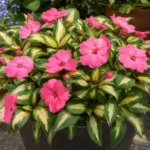 Compact Tropical (Impatiens sunpatiens ‘Compact Tropical’)Impatiens sunpatiens 'Compact Tropical'
 Compact White (Impatiens sunpatiens ‘Compact White’)Impatiens sunpatiens 'Compact White'
 Fusion Glow (Impatiens walleriana ‘Fusion Glow’)Impatiens walleriana 'Fusion Glow'
 Impatiens ‘New Guinea’Impatiens 'New Guinea'
 Busy Lizzie (Impatiens walleriana) care guideImpatiens walleriana