
 Source:
 Impatiens ‘New Guinea’ short overview
Impatiens 'New Guinea' is a horticultural New Guinea impatiens group valued for richly colored flowers and often bronze-tinted or variegated foliage. In the United States it is usually grown as a warm-season annual, although it can persist as a perennial in frost-free climates or indoors. Plants perform best in bright filtered light to partial shade, evenly moist organic soil, and containers, baskets, borders, and patio displays.
Taxonomic classification
Impatiens ‘New Guinea’ care guide
Light and placement
Give bright filtered light indoors or partial shade outdoors. Morning sun and gentle late-day sun are generally safer than intense afternoon exposure, though some vigorous hybrids tolerate full sun when moisture is constant. Too little light causes stretched growth and fewer flowers; excessive sun combined with dry soil causes wilting, leaf scorch, and faded foliage.
Watering and humidity
Water when the surface begins to dry, then soak the root zone thoroughly and let excess drain. Keep the mix evenly moist but never saturated. Plants in more sun, small containers, or hot weather need more frequent watering; reduce frequency in cool weather and indoors, while avoiding repeated severe wilting.
Soil and growing medium
Use a fertile, organic-rich potting mix or garden loam that drains freely while retaining steady moisture. A slightly acidic to neutral reaction is suitable. Avoid compacted, waterlogged soil, which can encourage root and stem problems; containers must have unobstructed drainage holes.
Feeding
Feed actively growing container plants every 2–4 weeks with a balanced liquid fertilizer diluted according to the label. Alternatively, mix a controlled-release fertilizer into the potting medium at planting. Do not fertilize drought-stressed, wilted, newly transplanted, or dormant plants; water first and resume once growth is steady.
Growth and habit
Plants form a branching, mounding to spreading display in warm conditions. Growth is most vigorous with consistent moisture, organic nutrition, and adequate light. Pinching young plants encourages branching; stressed plants may wilt quickly and lose flower production.
Planting and repotting
Plant outdoors only after frost danger has passed and soil has warmed. Set plants at the original soil level, space typical compact forms about 12–18 inches apart, and water thoroughly after planting. Acclimate nursery plants gradually to brighter outdoor conditions.
Repot container plants when roots fill the pot or growth becomes crowded, preferably in spring. Move into a container only one size larger and use fresh, well-drained potting mix. Avoid burying the fleshy stems deeper than they were previously planted.
Propagation and pruning
Propagation
Propagate by softwood cuttings in warm conditions or by seed. Sow seed on the surface or barely cover it, maintain about 70–75°F, and provide bright indirect light. Cultivar offspring from seed may not come true, so cuttings are preferred for preserving a particular hybrid.
Pruning
Pinch the growing tips of young plants to encourage branching. Trim weak, stretched, or damaged stems as needed. Remove spent flowers and yellowing leaves to maintain a clean display, but avoid severe cutting during heat or drought stress.
Overwintering
Move containers indoors before temperatures approach 45–50°F. Provide bright indirect light, warmth, and reduced watering through winter. Cut back lightly if needed and check carefully for mites or whiteflies before bringing plants inside. In frost-free zones 10–12, protect outdoor plants from cold snaps.
Uses
Use for seasonal beds, shaded borders, containers, hanging baskets, patios, poolside plantings, and indoor displays. Compact hybrids suit small spaces, while vigorous SunPatiens-type selections can handle more sun. It is ornamental only; no culinary or medicinal use is supported here.
Appearance
The plants have fleshy, branching stems and simple ovate, elliptic, or lance-shaped leaves with toothed or crenate margins. Leaves may be green, bronzed, purple-tinged, or variegated. The most useful identification feature is the conspicuous elongated spur behind each flower, combined with a compact mounding habit.
Flowering
Flowers are showy, solitary or loosely borne on elongated stalks and have five petal-like parts with a conspicuous nectar spur. New Guinea hybrids flower from spring or early summer through fall outdoors, while indoor plants may bloom for much of the year under suitable light and warmth.
Pollination and visitors
The flowers can provide nectar access for butterflies and other flower visitors, although attraction is variable across cultivars and double-flowered forms. This ecological visitor information is separate from human allergy risk.
Impatiens 'New Guinea' photos
Click any photo for a larger view. Source, author and license are shown separately.
Diseases and pests
Diseases
Avoid overhead watering, crowded spacing, and persistently wet foliage. Watch for Botrytis gray mold, leaf spot, root or stem rots, and occasional Verticillium wilt. Remove affected tissue, improve air movement, reduce humidity around foliage, and discard severely diseased plants. New Guinea types are generally less affected by impatiens downy mildew than common garden impatiens.
Pests
Inspect for aphids, spider mites, thrips, whiteflies, slugs, snails, and vine weevil larvae. Check leaf undersides and new growth regularly. Improve plant stress and airflow first; use hand removal, water sprays, insecticidal soap, or another labeled treatment when needed.
Related diseases and pests
Only Plant Doctor profiles whose host data indicate this plant may be affected are shown here.
 PestCyclamen mitePhytonemus pallidus
 PestTwo-spotted spider miteTetranychus urticae
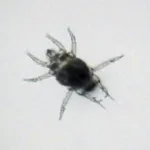 PestBroad mitePolyphagotarsonemus latus (Banks)
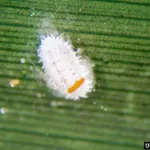 PestCitrus mealybugPlanococcus citri
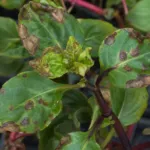 DiseaseImpatiens necrotic spot virus diseaseImpatiens necrotic spot orthotospovirus
 DiseaseCucumber mosaic virusCucumber mosaic virus
 DiseaseSouthern blightAthelia rolfsii
 DiseaseGray MoldBotrytis cinerea
Toxicity and pollen
Impatiens species are listed as non-toxic to dogs and cats by the ASPCA. This does not guarantee that large quantities are harmless to every person or animal; ingestion may still cause minor digestive upset. Avoid treating ornamental plants as edible unless a specific cultivar and use are documented.
- Typical season
- Spring through fall during outdoor flowering
- Pollination / pollen
- Insect-carried pollen
This is an insect-pollinated flowering plant, so pollen is not usually released in large airborne clouds. Sensitivity cannot be ruled out, especially during heavy flowering or close handling, but routine outdoor airborne-pollen exposure is expected to be low.
Native habitat
The backbone species comes from warm, humid regions including New Guinea, the Solomon Islands, and New Ireland. Its tropical ecology explains the need for warmth, moisture, and protection from frost. Modern horticultural hybrids are selected for container and bedding performance rather than naturalization.
Interesting fact
The group includes hybrids derived largely from Impatiens hawkeri and related species. The ripe capsules can discharge seeds suddenly, explaining the genus name Impatiens. Some hybrids combine colorful foliage with flowers and tolerate more sun than older New Guinea types.
Frequently asked questions (FAQ)
The most relevant questions about this plant, with short and direct answers.
🌱Quick care
How do you care for Impatiens 'New Guinea'?⌄
Grow it in bright filtered light or partial shade, keep the soil evenly moist but well drained, and protect it from frost. Use an organic-rich potting mix or loam and provide good air circulation around the foliage.
How much light does Impatiens 'New Guinea' need?⌄
Impatiens 'New Guinea' grows best in bright filtered light to partial shade. Morning sun with afternoon shade is usually suitable, while intense afternoon sun can scorch leaves and reduce flowering.
How often should you water New Guinea impatiens?⌄
Water when the soil surface begins to feel dry, keeping the root zone evenly moist. Containers may need frequent watering during hot, windy weather, but never leave the plant standing in water.
Can New Guinea impatiens grow indoors?⌄
Yes, New Guinea impatiens can grow indoors near a bright window with filtered light. Keep it away from cold drafts, hot heating vents, and poorly drained containers, and maintain consistently moist—not soggy—soil.
Is Impatiens 'New Guinea' an annual or perennial?⌄
It is a frost-tender perennial in warm climates but is commonly grown as a summer annual in much of the United States. Move container plants indoors before freezing temperatures if you want to overwinter them.
🌤️Environment and placement
Can New Guinea impatiens tolerate full sun?⌄
New Guinea impatiens tolerate more sun than common impatiens, but partial shade is generally safer. In hot climates, protect the plant from strong afternoon sun to prevent leaf scorch, wilting, and reduced flowering.
Where should I plant New Guinea impatiens outdoors?⌄
Choose a site with morning sun or bright filtered light, afternoon shade, and moist, well-drained soil. Avoid exposed locations where reflected heat, drying winds, or intense midday sun can stress the plant.
What temperature is too cold for New Guinea impatiens?⌄
New Guinea impatiens are frost-tender and should be protected from freezing temperatures. Plant them outdoors after the danger of spring frost has passed and bring containers indoors before the first fall freeze.
Can New Guinea impatiens survive winter outside?⌄
They can survive outdoors year-round only in reliably frost-free, warm climates. Elsewhere in the United States, grow them as annuals or overwinter healthy container plants indoors in bright filtered light.
Are New Guinea impatiens good for shade gardens?⌄
Yes, they are well suited to bright shade and partial-shade gardens. They flower best with enough indirect light or gentle morning sun, because very dense shade can produce fewer blooms and lankier growth.
💧Care and problems
Why is my New Guinea impatiens wilting?⌄
Wilting is most often caused by dry soil, excessive heat, or damaged roots from overly wet soil. Check moisture several inches below the surface, water thoroughly when needed, and improve drainage if the soil stays saturated.
Why are the leaves on my New Guinea impatiens turning yellow?⌄
Yellow leaves may result from overwatering, poor drainage, insufficient light, or normal aging of older foliage. Check the roots and soil moisture first, then move the plant to brighter filtered light if growth is weak.
Why is my New Guinea impatiens not blooming?⌄
Insufficient light, drought stress, excessive heat, or overfertilization can reduce flowering. Provide bright filtered light or morning sun, keep the soil evenly moist, and avoid applying more fertilizer than the product label recommends.
Do New Guinea impatiens need deadheading?⌄
Usually, no; New Guinea impatiens generally shed spent flowers without routine deadheading. Remove damaged leaves and faded blooms only when needed to improve appearance or air circulation.
What pests commonly affect New Guinea impatiens?⌄
Aphids, thrips, spider mites, whiteflies, and broad or cyclamen mites can affect New Guinea impatiens. Inspect leaf undersides regularly and isolate affected container plants before treating them with a product labeled for ornamental plants.
What diseases affect New Guinea impatiens?⌄
Common problems include root, stem, and crown rots, gray mold, leaf spots, blights, and viruses. Avoid wet foliage, improve air circulation, use well-drained soil, and remove severely diseased plant material.
How can I prevent root rot in New Guinea impatiens?⌄
Prevent root rot by using a container with drainage holes and a well-drained, organic-rich mix. Keep the soil evenly moist but allow excess water to drain fully, and never let the pot sit in a saucer of water.
Should I fertilize New Guinea impatiens?⌄
Yes, feed actively growing plants with a balanced, water-soluble fertilizer according to the label directions. Avoid overfertilizing, because excessive nutrients can encourage foliage at the expense of flowers and may damage roots.
🪴Planting and repotting
What soil is best for New Guinea impatiens?⌄
Use an organic-rich, well-drained potting mix for containers or fertile loam in the garden. The soil should retain moisture without becoming waterlogged, since both drought and saturated roots can cause problems.
When should I plant New Guinea impatiens outside?⌄
Plant New Guinea impatiens outdoors after the average last spring frost and once nights are no longer consistently cool. Cold soil and low temperatures can slow establishment and stress this tropical plant.
Can New Guinea impatiens grow in containers?⌄
Yes, they grow very well in containers, window boxes, and hanging baskets with drainage holes. Container plants dry out faster than garden plants, so check their soil often during hot or windy weather.
How often should I repot New Guinea impatiens?⌄
Repot when roots circle the container, emerge from drainage holes, or the plant dries out unusually quickly. Move it into a pot only one size larger and use fresh, well-drained potting mix.
✂️Propagation and pruning
Can you propagate New Guinea impatiens from cuttings?⌄
Yes, New Guinea impatiens can be propagated from healthy stem cuttings. Take a cutting below a node, remove lower leaves, and root it in a clean, lightly moist medium in warm, bright filtered light.
Can New Guinea impatiens be grown from seed?⌄
Some New Guinea impatiens types can be grown from seed, but many commercially sold plants are hybrids and may not come true from saved seed. Cuttings or purchased plants are usually more predictable for matching the parent.
Should I prune New Guinea impatiens?⌄
Light pruning is useful for removing damaged growth and encouraging a fuller shape. Pinch or trim long, bare stems just above a leaf node, but avoid removing large amounts of foliage at once.
⚠️Toxicity and safety
Are New Guinea impatiens toxic to dogs?⌄
New Guinea impatiens are listed as non-toxic to dogs. They are ornamental plants rather than established edible plants, so discourage pets from chewing large amounts and contact a veterinarian if unusual symptoms occur.
Are New Guinea impatiens toxic to cats?⌄
New Guinea impatiens are listed as non-toxic to cats. Even non-toxic plant material can cause stomach upset if eaten in quantity, so seek veterinary advice if your cat develops symptoms after chewing the plant.
Are New Guinea impatiens edible?⌄
New Guinea impatiens should be treated as ornamental plants, not food crops. Their non-toxic pet classification does not establish the flowers or foliage as safe or suitable for human consumption.
🌸Flowering and special interest
How long do New Guinea impatiens bloom?⌄
With adequate light, moisture, and warmth, New Guinea impatiens can flower continuously through the growing season. Blooming usually declines when plants experience drought, excessive heat, insufficient light, or cold temperatures.
Do New Guinea impatiens bloom in shade?⌄
Yes, they can bloom in bright shade or partial shade, although extremely dark conditions may reduce flower production. Filtered light or gentle morning sun generally provides a better balance of flowers and healthy foliage.
How can I get New Guinea impatiens to bloom more?⌄
Give the plant bright filtered light, consistent moisture, and moderate feeding during active growth. Avoid severe drying, waterlogged soil, and excessive nitrogen, all of which can reduce or delay flowering.
Similar plants
 Tovelit (Hydrangea macrophylla ‘Tovelit’)Hydrangea macrophylla 'Tovelit'
 Oakleaf hydrangea (Hydrangea quercifolia) care guideHydrangea quercifolia
 Delosperma ‘Fire Spinner’Delosperma 'Fire Spinner'
 Fire Sheepfig (Delosperma sutherlandii) care guideDelosperma sutherlandii
 Panicle Hydrangea (Hydrangea paniculata) care guideHydrangea paniculata
 Sheepfigs (Delosperma) care guideDelosperma