
 Source:
 Oakleaf hydrangea (Hydrangea quercifolia) short overview
Oakleaf hydrangea is a southeastern U.S. native shrub with large, oak-like leaves, upright stems, and long white flower panicles that gradually blush pink and brown. It offers several seasons of interest: summer bloom, colorful fall foliage, peeling cinnamon-brown bark, and persistent dried flower heads. Grow it in organically rich, well-drained soil with regular moisture, from full sun to bright afternoon shade.
Taxonomic classification
Oakleaf hydrangea (Hydrangea quercifolia) care guide
Light and placement
Give full sun in cooler or consistently moist regions, or morning sun with afternoon shade in hot climates. An east-facing or lightly filtered woodland-edge position is often effective. Too much intense afternoon sun can cause wilt, scorch, or faded foliage; too little light produces lanky growth and fewer panicles.
Watering and humidity
Water deeply when the upper 1–2 inches of soil begin to dry during establishment, then adjust to rainfall and site conditions. Maintain even moisture through hot summer weather, especially in sun or sandy soil, but avoid constant saturation. A 2–3 inch organic mulch layer helps moderate root-zone temperature and evaporation.
Soil and growing medium
Use organically rich, well-drained soil that holds even moisture without staying saturated. Loam amended with compost is suitable; sandy soils benefit from added organic matter. Slightly acidic to neutral conditions are appropriate. Avoid compacted sites and chronically wet roots.
Feeding
Apply a thin layer of compost or a balanced slow-release shrub fertilizer in early spring if growth is weak or soil is poor. Do not overfeed, especially with high-nitrogen fertilizer, because excessive leafy growth can reduce flowering and produce weaker stems. Stop routine feeding by midsummer.
Growth and habit
This is a multi-stemmed, upright shrub that gradually develops a broad, rounded to irregular outline. It is typically low maintenance once established. Leave enough room for the coarse foliage and arching flower panicles, and avoid frequent shearing, which removes future flower buds.
Planting and repotting
Plant in spring or fall, setting the root ball level with or just slightly above the surrounding soil. Space about 6–8 feet apart for large specimens, allowing more room where a broad form is desired. Mulch the root zone, but keep mulch away from the stems, and water consistently during the first growing season.
Container-grown plants can be shifted into a larger pot in early spring before active growth. Use a sturdy container with drainage and a moisture-retentive but well-aerated shrub mix. Repot when roots circle densely or watering becomes unusually frequent.
Propagation and pruning
Propagation
Take softwood cuttings in late spring or early summer, or use semi-hardwood cuttings later in summer. Seeds are possible but less practical for preserving cultivar traits. Layering can also be used. Cuttings require consistent moisture and moderate humidity while rooting.
Pruning
Prune only as needed, immediately after flowering, because next season’s flower buds form on old wood. Remove weak, damaged, or crossing stems and shorten overlong shoots selectively. Winter-damaged wood can be removed in early spring, but heavy late pruning may eliminate the next bloom.
Overwintering
Plants in the ground are generally winter hardy across much of the eastern and central United States. Mulch the root zone in colder regions and avoid late-season pruning, which can remove flower buds. Container plants have less root insulation and may need a sheltered location or protection from prolonged hard freezes.
Uses
Useful as a specimen, accent, informal hedge, woodland-edge planting, rain-garden companion, or pollinator-oriented shrub border. Its dried panicles, fall foliage, and peeling bark extend ornamental value beyond bloom. Do not use it as food or medicine; ingestion can cause gastrointestinal symptoms.
Appearance
Large opposite leaves are deeply lobed and strongly resemble oak leaves. Young foliage can be softly hairy, while mature leaves are coarse and leathery. Older stems develop papery, exfoliating bark with cinnamon-brown tones. Upright panicles and persistent dried flower heads provide winter structure.
Flowering
Flowers are borne in elongated, pyramidal panicles on old wood. The fertile flowers are small and surrounded by showier sterile flowers. Panicles open white in early to midsummer, then often age through pink or purple-pink to brown and may remain attractive after flowering.
Pollination and visitors
Flower clusters are visited by butterflies and other insects, including small nectar- and pollen-seeking visitors. The showy sterile flowers contribute visual display, while fertile flowers provide the reproductive structures used by insect visitors.
Hydrangea quercifolia photos
Click any photo for a larger view. Source, author and license are shown separately.
Diseases and pests
Diseases
Improve air circulation, avoid overhead irrigation, and remove fallen foliage when leaf blight or powdery mildew occurs. Problems are usually minor, but crowded, humid plantings can increase fungal disease pressure.
Pests
Aphids and spider mites may occur occasionally. Inspect tender growth, wash small infestations away with water, and conserve beneficial insects. Avoid routine broad-spectrum insecticides unless a damaging infestation is confirmed.
Related diseases and pests
Only Plant Doctor profiles whose host data indicate this plant may be affected are shown here.
 PestCyclamen mitePhytonemus pallidus
 PestChilli thripsScirtothrips dorsalis Hood
 DiseaseAster yellows‘Candidatus Phytoplasma asteris’
 PestStrawberry foliar nematodeAphelenchoides fragariae
 DiseaseGray MoldBotrytis cinerea
 PestBroad mitePolyphagotarsonemus latus (Banks)
 DiseaseMaple powdery mildewSawadaea bicornis
 DiseaseCucurbit Powdery MildewPodosphaera xanthii (Castagne) U. Braun & Shishkoff
Toxicity and pollen
Hydrangea plants are commonly listed as low-severity poisonous plants. Ingestion may cause gastrointestinal upset such as nausea, vomiting, or stomach pain; cyanogenic compounds are associated with hydrangeas, although serious poisoning is uncommon. Keep foliage, flowers, and buds away from children and pets and seek professional advice after ingestion.
- Typical season
- Late spring through summer
- Pollination / pollen
- Insect-dispersed pollen
As an insect-pollinated shrub, its pollen is not generally released in large airborne clouds, so airborne allergy relevance is usually low. Sensitive individuals can still react to plant material or direct flower contact, and low airborne exposure should not be treated as a guarantee of zero allergy risk.
Native habitat
Naturally found in the southeastern United States, especially in moist woods, woodland margins, ravines, and stream-bank habitats. It favors soils with organic matter and dependable moisture but can tolerate occasional dryness once established. Afternoon shade is useful in hot climates.
Interesting fact
The species name quercifolia means “oak-leaved.”
Its bark peels to reveal cinnamon-brown inner layers.
Flowers age from white through pinkish tones to brown.
Fall leaves can turn red, burgundy, orange, or mahogany.
It is native to the southeastern United States.
Frequently asked questions (FAQ)
The most relevant questions about this plant, with short and direct answers.
🌱Quick care
What is oakleaf hydrangea?⌄
Oakleaf hydrangea is the deciduous shrub Hydrangea quercifolia, a southeastern U.S. native in the Hydrangeaceae family. It is grown for oak-shaped leaves, cone-shaped flower clusters, exfoliating bark, and strong fall color.
How much sun does oakleaf hydrangea need?⌄
Oakleaf hydrangea grows in full sun to partial shade. It generally blooms best with several hours of direct sun, while afternoon shade can help reduce heat and drought stress in warmer areas.
How often should you water oakleaf hydrangea?⌄
Water oakleaf hydrangea when the soil surface begins to dry, keeping the root zone moderately moist but not waterlogged. Newly planted shrubs need more frequent watering, especially during hot, dry weather.
Is oakleaf hydrangea easy to grow?⌄
Yes, oakleaf hydrangea is generally a low-maintenance shrub when planted in rich, well-drained soil with adequate moisture. It is more tolerant of some dry conditions than many hydrangeas once established, but it performs best without prolonged drought.
🌤️Environment and placement
Where should I plant oakleaf hydrangea?⌄
Plant oakleaf hydrangea in a site with full sun to partial shade, good drainage, and soil that retains moderate moisture. Woodland edges, informal borders, specimen plantings, and rain-garden margins can all work well.
What USDA hardiness zones are suitable for oakleaf hydrangea?⌄
Oakleaf hydrangea is commonly grown in USDA Hardiness Zones 5 through 9, although cold tolerance can vary by cultivar and local exposure. Protect young plants from severe winter wind and temperature swings.
How large does oakleaf hydrangea get?⌄
The species commonly reaches about 4 to 8 feet tall and 4 to 10 feet wide, depending on conditions and cultivar. Compact selections such as ‘Pee Wee’ and ‘Ruby Slippers’ stay substantially smaller.
Can oakleaf hydrangea grow in full shade?⌄
Oakleaf hydrangea can tolerate partial shade but usually flowers less in deep shade. Choose a location with filtered light or several hours of direct sun for stronger flowering and better growth.
Does oakleaf hydrangea need acidic soil?⌄
Oakleaf hydrangea prefers organically rich, well-drained soil and can grow across a moderately broad soil-pH range. Soil acidity does not reliably turn its flowers blue, because its blooms are normally white and fade through pink or tan tones.
💧Care and problems
Why is my oakleaf hydrangea not blooming?⌄
The most common causes are insufficient light, excessive pruning, winter damage, drought stress, or immature plants. Because oakleaf hydrangea forms flower buds on old wood, pruning after late summer or during fall and winter can remove next year’s blooms.
Why are the leaves on my oakleaf hydrangea turning brown?⌄
Brown leaves usually indicate drought stress, heat, root problems, or leaf damage from harsh conditions. Check soil moisture and drainage, water deeply during dry periods, and apply mulch without piling it against the stems.
What pests affect oakleaf hydrangea?⌄
Aphids and spider mites may occasionally affect oakleaf hydrangea, especially when plants are stressed. Inspect new growth and leaf undersides, and improve watering and air circulation before using any treatment.
What diseases affect oakleaf hydrangea?⌄
Oakleaf hydrangea can be susceptible to leaf blight and powdery mildew, particularly in stressful or poorly ventilated conditions. Remove badly affected leaves, avoid overhead watering, and provide enough space for air movement.
Should I mulch oakleaf hydrangea?⌄
Yes, a 2- to 3-inch layer of organic mulch helps conserve soil moisture and moderate root temperatures. Keep mulch a few inches away from the stems to reduce the risk of rot and pest problems.
🪴Planting and repotting
When is the best time to plant oakleaf hydrangea?⌄
Plant oakleaf hydrangea in spring or fall when temperatures are moderate and soil moisture is reliable. Fall planting is especially useful in many parts of the United States because roots can establish before summer heat.
How do you plant oakleaf hydrangea?⌄
Dig a hole about as deep as the root ball and roughly twice as wide, set the shrub at its original soil level, backfill with native soil, and water thoroughly. Space plants according to the mature size of the cultivar rather than the nursery-container size.
Can oakleaf hydrangea grow in containers?⌄
Compact oakleaf hydrangea cultivars can grow in large containers for a limited time, but the species and larger selections are better suited to the ground. Use a container with drainage holes, rich well-drained potting mix, and consistent moisture.
✂️Propagation and pruning
How do you propagate oakleaf hydrangea?⌄
Oakleaf hydrangea is commonly propagated from stem cuttings, especially softwood cuttings taken during the growing season. Rooting success depends on timing, moisture, humidity, and the specific cultivar.
When should you prune oakleaf hydrangea?⌄
Prune oakleaf hydrangea immediately after flowering, usually in late spring or early summer. It blooms on old wood, so late-season or winter pruning can remove the flower buds formed for the following year.
How hard can you prune oakleaf hydrangea?⌄
Avoid severe pruning unless renovation is necessary, because heavy cuts can reduce flowering for the next season. Remove dead, damaged, crossing, or weak stems first, then shorten selected branches just after flowering to control size.
⚠️Toxicity and safety
Is oakleaf hydrangea poisonous to dogs and cats?⌄
Oakleaf hydrangea is considered a low-severity poisonous plant and may cause gastrointestinal upset if eaten. Keep pets from chewing the leaves, flowers, bark, or other plant parts, and contact a veterinarian if significant ingestion or symptoms occur.
Is oakleaf hydrangea poisonous to humans?⌄
Oakleaf hydrangea is considered low-severity poisonous to humans if ingested and may cause nausea, stomach pain, vomiting, or sweating. Keep plant material away from children and do not eat any part of the shrub.
🌸Flowering and special interest
When does oakleaf hydrangea bloom?⌄
Oakleaf hydrangea typically blooms from late spring into summer, often beginning in May or June depending on climate and cultivar. Its flowers are produced in upright, pyramidal panicles on the previous season’s growth.
What color are oakleaf hydrangea flowers?⌄
Oakleaf hydrangea flowers usually open creamy white, then fade to pinkish or purplish tones before becoming tan or brown. The flower color is not controlled in the same way as the blue or pink blooms of some bigleaf hydrangeas.
Can you dry oakleaf hydrangea flowers?⌄
Yes, the flower panicles can be left on the shrub to age or cut for dried arrangements. Cut them when the blooms have begun to feel papery and show their mature pink, tan, or brown coloration.
Does oakleaf hydrangea have good fall color?⌄
Yes, its large oak-shaped leaves often turn shades of red, burgundy, purple, orange, or mahogany in fall. Color is usually strongest when the plant receives adequate light and experiences a gradual seasonal change.
Does oakleaf hydrangea attract pollinators?⌄
Yes, its flowers can attract butterflies and other insects, while its seeds may provide food for songbirds. The plant is useful in native, pollinator, wildlife, and woodland-style gardens.
Similar plants
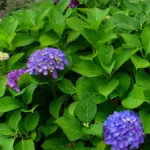 Penny Mac (Hydrangea macrophylla ‘Penny Mac’)Hydrangea macrophylla 'Penny Mac'
 Smooth hydrangea or sevenbark (Hydrangea arborescens) care guideHydrangea arborescens
 Tovelit (Hydrangea macrophylla ‘Tovelit’)Hydrangea macrophylla 'Tovelit'
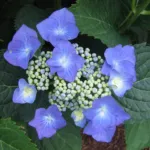 Taube (Hydrangea macrophylla ‘Taube’)Hydrangea macrophylla 'Taube'
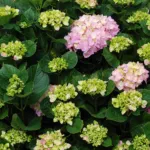 Bigleaf Hydrangea (Hydrangea macrophylla) care guideHydrangea macrophylla
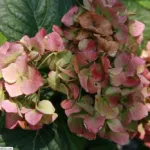 Hamburg mophead hydrangea (Hydrangea macrophylla ‘Hamburg’)Hydrangea macrophylla 'Hamburg'