
 Source:
 Taube (Hydrangea macrophylla ‘Taube’) short overview
Hydrangea macrophylla 'Taube' is a compact Teller Series lacecap hydrangea valued for its flat summer flowerheads, where large rounded sterile florets ring a center of tiny fertile flowers. Blooms usually lean pink in neutral to alkaline soil but may become violet-blue in acidic conditions. Plant it in partial shade with reliably moist, well-drained soil, and protect old wood from severe winter damage for the best flowering.
Taxonomic classification
Taube (Hydrangea macrophylla ‘Taube’) care guide
Light and placement
Give bright partial shade, ideally with morning sun and afternoon protection. In cool, moist climates the plant can tolerate more sun, but hot afternoon exposure may scorch leaves and wilt flowers. Too little light can produce weak growth and fewer blooms; harsh sun combined with dry soil causes leaf scorch and rapid moisture loss.
Watering and humidity
Water deeply when the upper inch of soil begins to dry, keeping the root zone consistently moist rather than saturated. Increase frequency during hot or windy weather and reduce it during cool, wet periods. Mulch helps moderate soil moisture, but allow excess water to drain freely.
Soil and growing medium
Use fertile, moisture-retentive soil that still drains freely. Loam or amended clay is suitable. Soil reaction influences flower color: acidic conditions can promote violet-blue tones when aluminum is available, while neutral to alkaline conditions generally favor pink to rose. Avoid chronically waterlogged ground.
Feeding
Apply a balanced, slow-release shrub fertilizer in spring as growth begins, following the product label. A thin compost mulch can improve soil structure and moisture retention. Avoid heavy late-season nitrogen, which can encourage soft growth and reduce winter hardiness; do not fertilize drought-stressed or newly transplanted plants until they recover.
Growth and habit
A compact, rounded shrub that branches from the base and generally stays smaller than many standard bigleaf hydrangeas. Because flower buds are carried on older stems, winter protection and restrained pruning are important maintenance considerations, especially in colder parts of its range.
Planting and repotting
Plant in spring or fall, setting the root ball level with the surrounding soil. Water thoroughly after planting and mulch with organic matter, keeping mulch away from the stems. Allow about 3–5 feet between plants, depending on the desired display and local growing conditions.
Repot container plants in early spring, moving up only one pot size. Use a moisture-retentive but well-drained potting mix and keep the root ball intact. Container-grown plants dry faster and need closer summer monitoring than those in the ground.
Propagation and pruning
Propagation
Propagate by softwood cuttings in early summer or hardwood cuttings during dormancy. Use healthy nonflowering shoots, maintain even moisture, and provide bright indirect light while roots form. Seed is not a reliable way to reproduce the named cultivar.
Pruning
Prune sparingly. Remove dead or damaged stems in spring and, if shaping is necessary, shorten flowering stems immediately after blooming or in accordance with old-wood hydrangea practice. Avoid late summer, fall or hard spring pruning because it can remove next year’s flower buds.
Overwintering
Leave old flowerheads in place through winter where they help protect upper buds, then tidy in spring. In colder zones, mulch the root area and protect the shrub with breathable material during severe cold or drying winter winds. Container plants are more vulnerable and may need a sheltered, unheated location.
Uses
Use as a specimen, grouped shrub, foundation planting, informal hedge, woodland-edge accent, patio container plant or cut flower. The lacecap form provides a lighter, flatter display than mophead hydrangeas. Do not use for food or home remedies, and keep trimmings away from pets and children.
Appearance
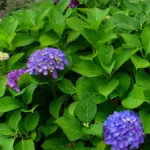
The cultivar forms a compact, rounded shrub with stout stems and broad, dark green, serrated leaves. Its identifying feature is the flat lacecap head: a central zone of tiny fertile flowers is surrounded by large, rounded sterile florets that dominate the margin. Flower tones may change as the heads mature.
Flowering
This is a lacecap cultivar with flat to gently domed heads: small fertile flowers occupy the center, while large rounded sterile florets form a conspicuous outer ring. It generally flowers on old wood, so late pruning or winter injury can remove the following season’s buds. Flower color commonly ranges from pink to violet-blue according to soil conditions and can shift as flowers age.
Pollination and visitors
The central fertile flowers can provide access to small flower-visiting insects, including bees, bumblebees and hoverflies. The conspicuous outer florets are sterile, so the cultivar’s ornamental display should not be interpreted as abundant nectar or pollen production.
Diseases and pests
Diseases
Watch for leaf spot, powdery mildew, gray mold, bud blight, bacterial wilt and occasional anthracnose. Improve air circulation, water at the soil line, remove badly affected foliage, and avoid unnecessary overhead irrigation. Sanitation and correct spacing are preferable to routine fungicide use.
Pests
Aphids, scale, spider mites, capsid bugs and vine weevils may occur. Inspect new growth and leaf undersides, rinse light infestations, conserve beneficial insects, and use targeted treatment only when damage is significant.
Related diseases and pests
Only Plant Doctor profiles whose host data indicate this plant may be affected are shown here.
 DiseaseGray MoldBotrytis cinerea
 PestCyclamen mitePhytonemus pallidus
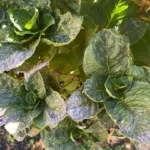 PestChilli thripsScirtothrips dorsalis Hood
 DiseaseAster yellows‘Candidatus Phytoplasma asteris’
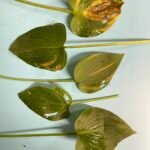 PestStrawberry foliar nematodeAphelenchoides fragariae
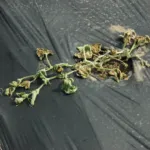 DiseaseBacterial WiltRalstonia solanacearum species complex
 DiseaseAnthracnoseColletotrichum gloeosporioides
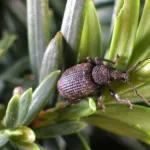 PestBlack Vine WeevilOtiorhynchus sulcatus
Toxicity and pollen
Hydrangeas contain cyanogenic glycosides and may cause gastrointestinal upset if plant material is eaten. Serious poisoning is uncommon, but ingestion should not be treated as harmless. Keep leaves, buds and flowers away from children and pets, and seek medical or veterinary advice after significant ingestion.
- Typical season
- Late spring through summer, during flowering
- Pollination / pollen
- Insect-carried pollen; limited airborne dispersal
Hydrangea flowers are primarily insect-pollinated, and the pollen is not generally regarded as a major airborne seasonal allergen. Nevertheless, sensitive people may react to direct contact with flowers or plant dust, so avoid handling large quantities when symptomatic and wash hands after pruning.
Native habitat
The species is native to temperate parts of Japan and is associated with moist coastal, woodland-margin and open scrub habitats. In cultivation it prefers organically enriched soil, consistent moisture and protection from intense afternoon heat or drying wind.
Interesting fact
‘Taube’ belongs to the Swiss-bred Teller Series, whose cultivars were named after European birds. The name Taube means “pigeon” or “dove” in German. Its large outer florets are sterile and mainly serve as visual display, while the tiny central flowers are fertile. It is commonly listed as a compact cultivar, though mature size varies with climate and pruning.
Frequently asked questions (FAQ)
The most relevant questions about this plant, with short and direct answers.
🌱Quick care
What is Hydrangea macrophylla 'Taube'?⌄
Hydrangea macrophylla 'Taube' is a compact lacecap bigleaf hydrangea in the Teller Series. It produces showy outer florets around smaller fertile flowers, with bloom colors ranging from rose and purple to blue depending partly on soil conditions.
How much sun does Hydrangea macrophylla 'Taube' need?⌄
Give Hydrangea macrophylla 'Taube' part shade, ideally with morning sun and protection from intense afternoon heat. Too much direct sun can scorch the leaves and increase water stress.
How often should I water Hydrangea macrophylla 'Taube'?⌄
Water Hydrangea macrophylla 'Taube' deeply whenever the soil surface begins to dry, keeping the root zone evenly moist. Increase watering during hot, dry weather, but avoid constantly saturated soil.
🌤️Environment and placement
What is the best location for Hydrangea macrophylla 'Taube'?⌄
Plant Hydrangea macrophylla 'Taube' in a sheltered spot with morning sun, afternoon shade, and protection from drying winds. A location near a building or beneath open-canopy trees can help protect flower buds and foliage.
What USDA hardiness zone is Hydrangea macrophylla 'Taube' suitable for?⌄
Hydrangea macrophylla 'Taube' is generally associated with USDA Zones 5 through 8, but reliable flowering is more dependent on winter protection than survival alone. In colder areas, flower buds may be damaged even when the plant’s roots survive.
Can Hydrangea macrophylla 'Taube' grow in full shade?⌄
Hydrangea macrophylla 'Taube' can survive in bright shade, but it usually flowers better with some gentle morning light. Dense, all-day shade may reduce flowering and produce weaker growth.
💧Care and problems
What soil is best for Hydrangea macrophylla 'Taube'?⌄
Use moist, fertile, well-drained loam or amended clay for Hydrangea macrophylla 'Taube'. Improve compact soil with organic matter while preserving good drainage around the roots.
Should Hydrangea macrophylla 'Taube' soil be acidic or alkaline?⌄
Hydrangea macrophylla 'Taube' can grow in mildly acidic to alkaline soil, but soil chemistry influences its flower color. Acidic conditions may encourage blue or purple tones, while more alkaline conditions commonly favor pink or rose tones.
How do I make Hydrangea macrophylla 'Taube' flowers blue?⌄
To encourage bluer flowers, maintain acidic soil and adequate available aluminum, but the result depends on the cultivar, existing soil chemistry, and irrigation water. Use a soil test before applying acidifying products or aluminum sulfate, and follow the product label carefully.
Why is my Hydrangea macrophylla 'Taube' wilting?⌄
Wilting usually indicates drought stress, excessive heat, root damage, or waterlogged soil. Check soil moisture several inches below the surface, water thoroughly if it is dry, and improve drainage if the soil remains saturated.
Why is Hydrangea macrophylla 'Taube' not flowering?⌄
The most common cause is winter damage to flower buds or pruning at the wrong time. Bigleaf hydrangeas often flower on older stems, so severe winter exposure, late pruning, or excessive shade can remove or reduce the next season’s bloom.
Why are the leaves of Hydrangea macrophylla 'Taube' turning brown?⌄
Brown leaf edges or patches usually result from hot sun, drought, drying wind, or fertilizer injury. Provide afternoon shade, maintain even moisture, and avoid applying concentrated fertilizer to dry soil.
Does Hydrangea macrophylla 'Taube' need fertilizer?⌄
Hydrangea macrophylla 'Taube' usually benefits from a balanced, slow-release fertilizer applied in spring if growth is weak or the soil is poor. Avoid excessive nitrogen, which can promote leafy growth at the expense of flowers.
🪴Planting and repotting
When is the best time to plant Hydrangea macrophylla 'Taube'?⌄
Plant Hydrangea macrophylla 'Taube' in spring or fall when temperatures are moderate and the soil is workable. Spring planting is preferable in colder regions where new roots need time to establish before winter.
How do I plant Hydrangea macrophylla 'Taube' in clay soil?⌄
Plant Hydrangea macrophylla 'Taube' in amended clay with improved drainage and organic matter, keeping the root flare at soil level. Do not place it in a low spot where water collects after rain.
Can Hydrangea macrophylla 'Taube' be grown in a container?⌄
Hydrangea macrophylla 'Taube' can be grown in a large container with drainage holes and moisture-retentive, well-drained potting mix. Container plants need more frequent watering and stronger winter protection than plants grown in the ground.
✂️Propagation and pruning
How is Hydrangea macrophylla 'Taube' propagated?⌄
Hydrangea macrophylla 'Taube' is commonly propagated from softwood or semi-ripe stem cuttings. Take healthy nonflowering shoots during active growth and keep the cuttings evenly moist while roots develop.
When should I prune Hydrangea macrophylla 'Taube'?⌄
Prune Hydrangea macrophylla 'Taube' lightly after flowering or in late spring once new growth shows which stems survived winter. Avoid heavy pruning from late summer through winter because next year’s flower buds may already be forming.
How do I prune Hydrangea macrophylla 'Taube' without losing flowers?⌄
Remove dead flower heads and thin out a small number of old or weak stems rather than cutting the whole plant back. Preserve healthy older stems because this lacecap may rely on them for the following season’s flowers.
⚠️Toxicity and safety
Is Hydrangea macrophylla 'Taube' toxic to dogs and cats?⌄
Hydrangea macrophylla 'Taube' is potentially toxic if eaten because plant tissues contain cyanogenic compounds. Keep pets and children from chewing the leaves, stems, or flowers, and contact a veterinarian or poison-control service if ingestion occurs.
Is Hydrangea macrophylla 'Taube' safe to eat?⌄
No, Hydrangea macrophylla 'Taube' should not be eaten. Accidental ingestion can cause gastrointestinal upset and other toxicity symptoms, so seek medical or veterinary advice if a significant amount is consumed.
🌸Flowering and special interest
When does Hydrangea macrophylla 'Taube' bloom?⌄
Hydrangea macrophylla 'Taube' generally blooms in summer, although the exact timing varies with climate and winter conditions. Flowering can be reduced or delayed if older stems and their buds are damaged by cold.
What do the flowers of Hydrangea macrophylla 'Taube' look like?⌄
Hydrangea macrophylla 'Taube' has compact lacecap flower heads up to about 8 inches across, with small fertile flowers surrounded by larger showy florets. The florets may appear rose, purple, or deep blue depending on soil conditions.
Can Hydrangea macrophylla 'Taube' change flower color?⌄
Yes, Hydrangea macrophylla 'Taube' may shift between rose, purple, and blue tones as soil pH and available aluminum vary. Color change is not always complete or predictable, especially in naturally alkaline soil or where irrigation water affects soil chemistry.
Why did my Hydrangea macrophylla 'Taube' bloom pink instead of blue?⌄
Pink flowers usually indicate that the soil is relatively alkaline or that aluminum is unavailable to the plant. A soil test can confirm the conditions, but this cultivar may still show mixed or intermediate colors rather than turning uniformly blue.
Similar plants
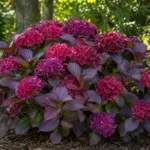 Merveille Sanguine (Hydrangea macrophylla ‘Merveille Sanguine’)Hydrangea macrophylla 'Merveille Sanguine'
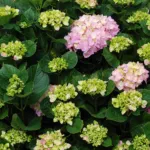 Bigleaf Hydrangea (Hydrangea macrophylla) care guideHydrangea macrophylla
 Hydrangea ‘Anomala Petiolaris’Hydrangea 'Anomala Petiolaris'
 Altona (Hydrangea macrophylla ‘Altona’)Hydrangea macrophylla 'Altona'
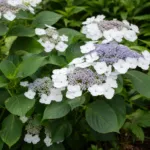 Lanarth White (Hydrangea macrophylla ‘Lanarth White’)Hydrangea macrophylla 'Lanarth White'
 Penny Mac (Hydrangea macrophylla ‘Penny Mac’)Hydrangea macrophylla 'Penny Mac'