Source:
Hydrangea ‘Anomala Petiolaris’ short overview
Hydrangea 'Anomala Petiolaris' is a vigorous woody vine grown for its glossy, deciduous foliage, peeling cinnamon-brown bark, and flat lacecap clusters of fragrant white flowers. It climbs by aerial rootlets and can eventually cover walls, mature trees, rocks, or pergolas. Provide a strong support, rich moisture-retentive but well-drained soil, and partial shade; more sun is tolerated where summers are cool and soil remains moist.
Taxonomic classification
Hydrangea ‘Anomala Petiolaris’ care guide
Light and placement
Grow in partial shade for dependable foliage and moisture balance, especially in warm-summer regions. East- or north-facing walls and woodland edges are useful placements; full sun is more suitable in cooler climates when soil remains moist. Scorched margins, wilt, and faded foliage suggest excessive sun or drought, while sparse growth and reduced flowering can indicate overly deep shade.
Watering and humidity
Water deeply and slowly when the upper few inches of soil begin to dry, keeping the root zone consistently moist during establishment and summer heat. Mulch with organic material while keeping mulch away from stems. Reduce irrigation after leaf drop, but do not allow newly planted vines to dry completely during winter thaws or prolonged autumn drought.
Soil and growing medium
Use rich, moisture-retentive soil that still drains freely. Loam amended with compost suits this vine well. It tolerates a broad pH range, approximately 5.0–8.0, so routine acidification is unnecessary unless a soil test identifies a specific problem. Avoid chronically dry, compacted, or waterlogged ground.
Feeding
Spread a thin layer of compost around the root zone in early spring. If growth is weak, apply a balanced slow-release fertilizer at the label rate after new growth begins. Avoid high-nitrogen feeding, which can produce excessive leafy growth and delay flowering, and do not fertilize drought-stressed or newly transplanted plants until they recover.
Growth and habit
The vine climbs with aerial rootlets and develops strong, horizontally branching side growth. It is often slow during the first few years while establishing roots, then becomes a substantial long-lived plant. Mature specimens need structural support and occasional training so stems do not enter unwanted spaces or overwhelm weak surfaces.
Planting and repotting
Plant in spring or fall, at the same depth as the root ball, with the crown neither buried nor exposed. Space plants about 4–6 feet apart for separate specimens, or allow more room where a single vine is intended to cover a broad structure. Water deeply during establishment and install sturdy support before growth becomes heavy.
Container-grown plants are best transplanted in spring or fall while temperatures are moderate. Choose a large, heavy container with drainage and move the plant before roots become tightly crowded. Because the vine becomes substantial, permanent in-ground planting is usually preferable to long-term container culture.
Propagation and pruning
Propagation
Propagate by softwood or semi-ripe cuttings in late spring to summer, or by layering flexible shoots. Seed is possible but slower and less uniform. Layering is practical for home gardeners because rooted sections can remain attached to the parent until well established.
Pruning
Prune immediately after flowering if shaping or size reduction is needed, because flower clusters develop on established lateral growth. Remove dead, damaged, crossing, or poorly placed stems first. Avoid hard spring pruning unless necessary, as it can remove developing flowering wood and delay or reduce bloom.
Overwintering
Established plants are generally hardy in USDA Zones 4–8. Protect young roots with a 2–3 inch mulch layer after the ground cools, especially in exposed sites. Avoid late-season high-nitrogen fertilizer and maintain moderate moisture before hard freezes. Container plants are more vulnerable to root freezing and should be moved to a sheltered, unheated location.
Uses
Use as a vertical accent on strong walls, mature trees, pergolas, or large trellises, or allow it to spread as a shaded groundcover. Its flowers, foliage, bark, and winter structure provide ornamental value. It is not recommended as an edible or medicinal plant, and ingestion should be prevented.
Appearance
Leaves are opposite, broadly ovate to heart-shaped, sharply toothed, and glossy dark green above. The vine has conspicuous horizontal side branches and attaches by tiny aerial rootlets. Older stems develop flaky cinnamon-brown bark, giving the plant winter interest after the foliage falls. The lacecap clusters are flat and open rather than dense mopheads.
Flowering
Flat, lacecap-like clusters appear on lateral growth in late spring or early summer, commonly June into July in the northern United States. Numerous small fertile flowers occupy the center, surrounded by a limited number of larger, showy sterile florets. Flowers are especially visible against the dark foliage and may be followed by dry capsule fruits.
Pollination and visitors
The fertile central flowers can be visited by bees, bumblebees, hoverflies, and wasps. The large outer florets are mainly showy and contribute less directly to pollen and nectar resources than the small fertile flowers. Visitor activity is generally concentrated during the flowering period.
Hydrangea 'Anomala Petiolaris' photos
Click any photo for a larger view. Source, author and license are shown separately.
Diseases and pests
Diseases
Usually trouble-free, but poor drainage can encourage root problems and prolonged leaf wetness may favor fungal leaf spots. Improve air circulation, water at the soil line, remove badly affected foliage, and avoid unnecessary overhead irrigation. Stressed plants may decline more from drought or root damage than from disease.
Pests
Watch for aphids, scale, spider mites, and occasional caterpillar feeding, especially on drought-stressed plants. Inspect leaf undersides and young shoots, encourage beneficial insects, and begin with water sprays or hand removal. Use horticultural soap or oil only according to the label and avoid treating open flowers when pollinators are active.
Related diseases and pests
Only Plant Doctor profiles whose host data indicate this plant may be affected are shown here.
 PestCyclamen mitePhytonemus pallidus
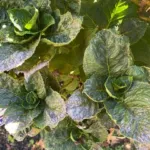 PestChilli thripsScirtothrips dorsalis Hood
 DiseaseAster yellows‘Candidatus Phytoplasma asteris’
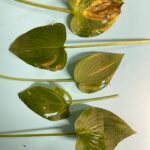 PestStrawberry foliar nematodeAphelenchoides fragariae
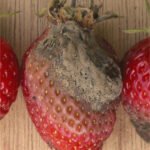 DiseaseGray MoldBotrytis cinerea
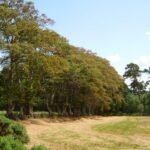 Environmental stressDrought stress
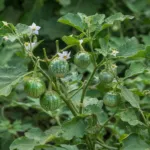 Environmental stressPoor drainage stress (waterlogging)
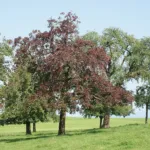 DiseasePear Decline‘Candidatus Phytoplasma pyri’
Toxicity and pollen
Hydrangeas contain cyanogenic compounds and are considered potentially toxic if plant material is eaten. Reported exposure most often causes gastrointestinal upset, but larger ingestions can be more serious. Keep leaves, flowers, and other plant parts away from children and pets, and contact a poison center or veterinarian after suspected ingestion.
- Typical season
- Late spring to midsummer
- Pollination / pollen
- Insect-dispersed pollen
This is an insect-pollinated flowering vine, so most pollen is presented within flowers rather than released in large airborne clouds. Airborne exposure is therefore likely low compared with wind-pollinated plants, but sensitive individuals can still react to flowers or plant dust. Avoid handling flowers during peak bloom if symptoms occur.
Native habitat
The species is associated with woodland environments in Japan, Korea, Sakhalin, and parts of eastern Asia. It naturally uses trees, rocks, and other vertical surfaces, favoring cool to temperate conditions, fertile soils, and dependable moisture. Garden plants perform best where roots stay cool and the canopy receives filtered or partial light.
Interesting fact
Aerial rootlets allow the vine to cling to rough surfaces without twining around them.
Older stems develop attractive cinnamon-brown, peeling bark.
The inflorescences combine tiny fertile flowers with showier sterile florets.
Unsupported plants may form a broad, mounded shrub-like habit.
Frequently asked questions (FAQ)
The most relevant questions about this plant, with short and direct answers.
🌱Quick care
What is Hydrangea 'Anomala Petiolaris'?⌄
Hydrangea 'Anomala Petiolaris' is a deciduous, woody climbing hydrangea grown for its white lacecap flowers, attractive foliage, and ability to cling to walls, trees, and other sturdy surfaces. It is a vigorous vine once established but may grow slowly for its first several years.
How much sun does Hydrangea 'Anomala Petiolaris' need?⌄
Hydrangea 'Anomala Petiolaris' grows in full sun, partial shade, or shade, but partial shade is usually best. It generally flowers more heavily with some light while benefiting from protection against intense afternoon heat.
How often should I water Hydrangea 'Anomala Petiolaris'?⌄
Water Hydrangea 'Anomala Petiolaris' regularly enough to keep the soil evenly moist while it establishes. Once established, it is more tolerant, but prolonged drought—especially near walls, trees, or foundations—can reduce vigor and flowering.
Is Hydrangea 'Anomala Petiolaris' evergreen?⌄
No, Hydrangea 'Anomala Petiolaris' is deciduous and loses its leaves in fall. Its woody stems, exfoliating bark, and dried flower heads can still provide winter interest.
🌤️Environment and placement
Where is the best place to plant Hydrangea 'Anomala Petiolaris'?⌄
Plant Hydrangea 'Anomala Petiolaris' where it has moist, rich, well-drained soil and a sturdy vertical surface to climb. An east- or north-facing wall, mature tree, fence, or masonry structure often provides a suitable balance of light and moisture.
Can Hydrangea 'Anomala Petiolaris' grow in full shade?⌄
Yes, Hydrangea 'Anomala Petiolaris' can tolerate full shade, but it usually produces fewer flowers there. Bright shade or partial shade is a better choice when flowering is a priority.
Can Hydrangea 'Anomala Petiolaris' grow in full sun?⌄
Yes, Hydrangea 'Anomala Petiolaris' can grow in full sun if the soil remains consistently moist. In hot climates, afternoon shade and a protective mulch layer can help prevent drought stress.
How tall does Hydrangea 'Anomala Petiolaris' get?⌄
Hydrangea 'Anomala Petiolaris' can eventually climb roughly 30 to 60 feet when given a large, sturdy support, although growth is much slower during establishment. Its final size depends on climate, soil, pruning, and the height and strength of its support.
Does Hydrangea 'Anomala Petiolaris' need a trellis?⌄
Hydrangea 'Anomala Petiolaris' does not always need a trellis because aerial rootlets can attach it to suitable surfaces. Young plants may need temporary ties, and a very heavy mature vine still requires a strong, stable structure.
Will Hydrangea 'Anomala Petiolaris' damage a wall or tree?⌄
Hydrangea 'Anomala Petiolaris' can attach firmly to masonry, wood, and tree bark, so it should be planted only beside sound structures and healthy, established trees. Avoid weak surfaces, damaged siding, and small trees that may be weighed down by the mature vine.
Is Hydrangea 'Anomala Petiolaris' hardy in the United States?⌄
Once established, Hydrangea 'Anomala Petiolaris' is hardy to approximately -20°F to -25°F, broadly corresponding to USDA Zones 4 to 8. Newly planted vines may need extra protection in severe winter conditions or exposed sites.
💧Care and problems
Why is my Hydrangea 'Anomala Petiolaris' not growing?⌄
Slow growth during the first two to four years is often normal because Hydrangea 'Anomala Petiolaris' may prioritize root establishment before producing much top growth. Drought, compacted soil, root competition, excessive shade, or transplant stress can prolong this period.
Why is my Hydrangea 'Anomala Petiolaris' not flowering?⌄
Hydrangea 'Anomala Petiolaris' may not flower because it is still establishing, is growing in deep shade, is drought-stressed, or has been pruned at the wrong time. Some plants take several years to bloom reliably, so consistent moisture and patience are important.
Why are the leaves on Hydrangea 'Anomala Petiolaris' turning yellow?⌄
Yellow leaves on Hydrangea 'Anomala Petiolaris' can result from drought, poor drainage, root damage, nutrient problems, or naturally aging foliage before leaf drop. Check soil moisture and drainage first, and use a soil test before applying fertilizer or iron.
Does Hydrangea 'Anomala Petiolaris' need fertilizer?⌄
Hydrangea 'Anomala Petiolaris' usually needs little fertilizer when planted in rich soil. If growth is weak, test the soil before feeding, because excessive nitrogen can encourage leafy growth without improving flowering.
Should I mulch Hydrangea 'Anomala Petiolaris'?⌄
Yes, apply a 2- to 3-inch layer of organic mulch around Hydrangea 'Anomala Petiolaris' to conserve moisture and moderate root temperatures. Keep mulch a few inches away from the stems to reduce the risk of rot.
What problems commonly affect Hydrangea 'Anomala Petiolaris'?⌄
Common problems include drought stress, root rot in poorly drained soil, powdery mildew, leaf spots, and occasional gray mold. Good air circulation, evenly moist but well-drained soil, and watering at the base can reduce many of these issues.
🪴Planting and repotting
When should I plant Hydrangea 'Anomala Petiolaris'?⌄
Plant Hydrangea 'Anomala Petiolaris' in spring or fall when temperatures are moderate and the soil can be worked. Fall planting is useful where the ground remains open, while spring is safer in areas with severe winters.
How do I plant Hydrangea 'Anomala Petiolaris'?⌄
Plant Hydrangea 'Anomala Petiolaris' at the same depth it grew in its nursery container, in rich, moist, well-drained soil. Water thoroughly after planting, spread mulch over the root zone, and gently guide young stems toward the support.
Can Hydrangea 'Anomala Petiolaris' be grown in a container?⌄
Hydrangea 'Anomala Petiolaris' is generally a poor long-term container plant because it becomes large, establishes slowly, and can suffer from drying or freezing roots. A very large container may work temporarily, but planting it in the ground is usually more successful.
Can Hydrangea 'Anomala Petiolaris' be used as ground cover?⌄
Yes, Hydrangea 'Anomala Petiolaris' can spread across the ground when it has no suitable vertical support. It may eventually form a broad, woody cover, but its size and vigor should be considered before planting it in a small bed.
Can I plant Hydrangea 'Anomala Petiolaris' near a tree?⌄
Yes, Hydrangea 'Anomala Petiolaris' can climb a large, established tree, but it must compete with the tree’s roots for water and nutrients. Provide supplemental moisture during establishment and avoid planting it against young, weak, or stressed trees.
✂️Propagation and pruning
How do I propagate Hydrangea 'Anomala Petiolaris'?⌄
Hydrangea 'Anomala Petiolaris' can be propagated by layering or by rooting suitable softwood cuttings. Layering is often the simpler home-garden method, while cuttings may be slower or less reliable than propagation of some shrub hydrangeas.
Can Hydrangea 'Anomala Petiolaris' be propagated by layering?⌄
Yes, bend a flexible stem to the ground, lightly wound or pin part of it into moist soil, and leave the tip exposed. After roots form, separate the new plant from the parent and transplant it during a mild season.
When should I prune Hydrangea 'Anomala Petiolaris'?⌄
Prune Hydrangea 'Anomala Petiolaris' soon after flowering, usually in summer, because it flowers on older growth. Avoid heavy pruning in fall or late winter, when you may remove the next season’s flower buds.
How hard can I prune Hydrangea 'Anomala Petiolaris'?⌄
Prune Hydrangea 'Anomala Petiolaris' mainly to remove dead, damaged, crossing, or unwanted stems and to control its size. Severe renovation pruning can be done when necessary, but it may sacrifice flowering for a season or more.
⚠️Toxicity and safety
Is Hydrangea 'Anomala Petiolaris' toxic to people?⌄
Hydrangea 'Anomala Petiolaris' is potentially toxic if eaten. Keep leaves, flowers, and other plant parts away from children, and contact a poison-control service or medical professional if ingestion occurs.
Is Hydrangea 'Anomala Petiolaris' toxic to dogs and cats?⌄
Hydrangea 'Anomala Petiolaris' should be treated as potentially toxic to dogs and cats if eaten. Prevent pets from chewing the plant and contact a veterinarian or animal poison-control service if ingestion causes concern.
🌸Flowering and special interest
When does Hydrangea 'Anomala Petiolaris' bloom?⌄
Hydrangea 'Anomala Petiolaris' typically blooms in late spring or early summer, often around June in much of the United States. The timing varies with climate, exposure, plant age, and local spring temperatures.
What do the flowers of Hydrangea 'Anomala Petiolaris' look like?⌄
Hydrangea 'Anomala Petiolaris' produces flat, white lacecap flower clusters with small fertile flowers surrounded by showier sterile flowers. The blooms are often lightly fragrant and may remain attractive as they dry.
How long does Hydrangea 'Anomala Petiolaris' take to flower?⌄
Hydrangea 'Anomala Petiolaris' may take several years to flower after planting, especially if it is establishing a large root system or growing in deep shade. Delayed flowering is common, but a mature plant that never blooms should be checked for pruning, moisture, light, and soil problems.
Does Hydrangea 'Anomala Petiolaris' change flower color with soil pH?⌄
No, Hydrangea 'Anomala Petiolaris' generally has white flowers that do not shift between blue and pink based on soil pH. Soil conditions can affect plant health and vigor, but changing pH is not a reliable way to recolor its flowers.