Source:
 Heart Hoya (Hoya kerrii) short overview
Hoya kerrii, known in the United States as Heart Hoya, is a tropical climbing epiphyte prized for its thick, glossy, heart-shaped leaves. It grows slowly indoors and may eventually produce rounded clusters of small white flowers with pink to reddish centers and abundant nectar. Give it bright filtered light, a chunky fast-draining mix, warm temperatures, and thorough watering only after the substrate has dried substantially.
Taxonomic classification
Heart Hoya (Hoya kerrii) care guide
Light and placement
Give bright filtered light, ideally near an east-facing window or a bright window softened by a sheer curtain. A bright south- or west-facing exposure can work several feet back from the glass. Too little light causes stretched growth and poor flowering; harsh direct sun may scorch or redden leaves.
Watering and humidity
Water thoroughly until excess drains, then allow the mix to dry almost completely before watering again. Water more often during warm, bright spring and summer growth and much less in winter or low light. Do not leave the pot standing in water. Warm, room-temperature water is preferable.
Soil and growing medium
Use a chunky, airy mix such as quality potting soil combined with orchid bark and perlite or pumice. Excellent drainage is essential because the roots are vulnerable to prolonged saturation. A near-neutral substrate is suitable; avoid compacted, water-retentive soil.
Feeding
Feed during active spring and summer growth with a balanced houseplant fertilizer diluted to one-quarter or one-half strength. Apply periodically to already-moist soil, or use a controlled-release product according to its label. Stop or greatly reduce feeding in winter and when the plant is stressed or newly repotted.
Growth and habit
This slow-growing vine develops long, slender, twining stems that may climb supports or cascade from containers. Bare sections of stem should be retained because new leaves and flower spurs can arise later. Plants sold as single leaves may remain essentially unchanged when the basal node is absent.
Planting and repotting
Plant or pot during active growth, using a container with drainage holes. Set the root ball at its original depth and firm the airy mix lightly. Provide a trellis, hoop, or hanging position so the twining stems can develop without being cut.
Repot only when the mix has broken down or roots have filled the container. Move up just one pot size and use a fast-draining mix. Slight root restriction can support flowering, so avoid oversized pots.
Propagation and pruning
Propagation
Stem cuttings with at least one or two nodes are the most reliable method. Root a node in water, moist sphagnum, or a light propagation mix in warm bright conditions, then pot into a small well-drained container. A single leaf may root without producing a vine if no stem node is attached.
Pruning
Avoid routine cutting of long bare stems because they may later produce leaves or flowers. Remove damaged or diseased growth with clean tools. Do not cut off spent flower spurs; they can support future flowering.
Overwintering
Grow indoors before temperatures fall below about 55°F. Keep it in bright light, away from cold drafts and icy glass, and reduce watering during winter. Do not fertilize during the low-light winter rest unless active growth continues.
Uses
Primarily grown as an ornamental indoor plant, specimen plant, trellised vine, or hanging-basket plant. Its heart-shaped foliage makes it especially popular as a Valentine’s-season houseplant. It has no established culinary or medicinal use supported here.
Appearance
The plant has thick, glossy, fleshy, opposite leaves with a distinctive heart shape and entire margins. Slender twining stems may be widely spaced and initially bare. Mature plants form rounded flower clusters above the foliage, with small waxy flowers and contrasting pink to reddish centers.
Flowering
Mature plants produce rounded umbels of small waxy, star-shaped flowers, usually in summer under indoor conditions. Flowers are white to pink with reddish centers and may release fragrance at night. Do not remove the persistent flower spurs, because they can produce later blooms. Young plants may remain vegetative for years.
Pollination and visitors
The reviewed authoritative horticultural sources describe nectar-rich flowers but do not establish a reliable species-specific pollinator or visitor record. Do not treat the plant as a confirmed pollinator-garden species based only on its nectar.
Hoya kerrii photos
Click any photo for a larger view. Source, author and license are shown separately.
Diseases and pests
Diseases
Root rot is the main disease risk and is encouraged by compact soil, poor drainage, or frequent watering. Leaf spots may develop when foliage stays wet with poor airflow. Water the substrate rather than the leaves, improve ventilation, and remove severely affected tissue with sterile tools.
Pests
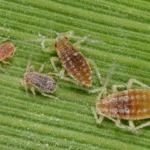
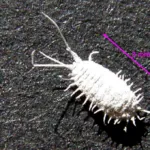
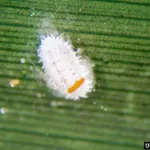
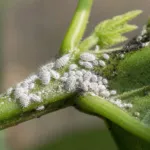
Inspect stems, leaf axils, and leaf undersides for mealybugs, scale, aphids, and spider mites. Isolate affected plants, remove small infestations manually, and use insecticidal soap or another appropriately labeled treatment. Dry air can favor spider mites; avoid chronic overwatering and improve airflow.
Related diseases and pests
Only Plant Doctor profiles whose host data indicate this plant may be affected are shown here.

Toxicity and pollen
ASPCA lists Hoya kerrii as non-toxic to dogs and cats. Normal handling is generally low risk, but any plant material can cause mild stomach upset if eaten, and the milky sap may irritate sensitive skin. Keep plants out of reach of children and pets that chew plants.
- Typical season
- No specific U.S. airborne pollen season is documented; indoor exposure is generally limited.
- Pollination / pollen
- Pollinia; limited airborne dispersal
Hoya flowers package pollen in pollinia rather than releasing large quantities of loose airborne grains. Species-specific human allergy data are limited, so a low airborne-pollen label is appropriate rather than claiming zero allergy risk. Sensitive people should avoid direct contact with flowers or sap if irritation occurs.
Native habitat
Native from Indo-China to Malesia, including tropical parts of mainland Southeast Asia and Java. In nature it grows in warm, humid tropical settings as an epiphyte or lithophyte, where roots receive oxygen and intermittent moisture rather than remaining in heavy, saturated soil.
Interesting fact
The specific epithet honors Irish plant explorer Arthur Francis George Kerr. Retail plants are often sold as single rooted leaves, but a leaf without a stem node normally cannot develop into a vine. Flower umbels can produce abundant reddish-brown nectar that may stain furnishings. The species is native from Indo-China to Malesia and grows as an epiphyte or lithophyte.
Frequently asked questions (FAQ)
The most relevant questions about this plant, with short and direct answers.
🌱Quick care
What is the best light for Hoya kerrii?⌄
Hoya kerrii grows best in bright filtered or indirect light. A few hours of gentle morning or late-afternoon sun can be helpful, but intense midday sun may scorch the leaves.
How often should I water a Heart Hoya?⌄
Water Hoya kerrii thoroughly, then allow a substantial portion of the potting mix to dry before watering again. Water less often in winter or in low light, and never leave the pot sitting in water.
What soil is best for Hoya kerrii?⌄
Use a chunky, airy, fast-draining potting mix for Hoya kerrii. A blend containing potting mix or coco coir, orchid bark, and perlite helps prevent soggy roots.
Is Hoya kerrii easy to grow indoors?⌄
Yes, Hoya kerrii is generally easy to grow indoors when given bright filtered light, restrained watering, and excellent drainage. Its growth is often slow, especially when it is young.
🌤️Environment and placement
What temperature does Hoya kerrii prefer?⌄
Hoya kerrii prefers warm indoor conditions, roughly 65–80°F during active growth. Protect it from frost, cold drafts, and prolonged temperatures near or below 50°F.
Can Hoya kerrii grow in low light?⌄
Hoya kerrii can survive in lower light, but growth will be slower and flowering is less likely. Move it to a brighter filtered-light location if stems become stretched or leaves remain small.
Does Hoya kerrii need high humidity?⌄
Hoya kerrii appreciates moderate to high humidity, but average indoor humidity can be adequate if watering and airflow are managed well. Avoid constantly wet foliage or stagnant air, which can encourage disease.
Should Hoya kerrii climb or trail?⌄
Hoya kerrii can be trained to climb a small trellis or wire support, or allowed to trail from a hanging container. Supporting the vines is optional and depends on the shape you want.
💧Care and problems
Why are my Hoya kerrii leaves wrinkled?⌄
Wrinkled Hoya kerrii leaves usually indicate that the plant is too dry, although damaged roots can also prevent water uptake. Check the mix and roots before watering more frequently, because persistent sogginess can cause root loss.
Why are Hoya kerrii leaves turning yellow?⌄
Yellow leaves on Hoya kerrii are commonly associated with excess moisture, poor drainage, aging leaves, or sudden environmental stress. Let the mix dry appropriately and inspect the roots if several leaves yellow at once.
How do I prevent root rot in Hoya kerrii?⌄
Prevent root rot by using a drainage hole, a fast-draining chunky mix, and substantial drying between waterings. Do not let the pot remain in a saucer of standing water.
Why is my Hoya kerrii not growing?⌄
Slow growth is normal for Hoya kerrii, particularly for a single-leaf plant or one kept in low light. Provide brighter filtered light, warmth, careful watering, and patience before changing several conditions at once.
What pests attack Hoya kerrii?⌄
Mealybugs, scale, spider mites, and aphids can occasionally infest Hoya kerrii. Inspect leaf joints and stems regularly, isolate affected plants, and treat promptly with a product labeled for indoor plants.
Should I fertilize Hoya kerrii?⌄
Feed Hoya kerrii lightly during active growth with a balanced, water-soluble houseplant fertilizer diluted according to the label. Avoid heavy fertilizing when light is low or the plant is not actively growing.
🪴Planting and repotting
When should I repot Hoya kerrii?⌄
Repot Hoya kerrii when the mix has broken down, roots are filling the container, or drainage has become poor. Hoyas generally tolerate staying slightly snug in their pots, so avoid moving them into an unnecessarily large container.
What type of pot is best for Hoya kerrii?⌄
Choose a pot with a drainage hole that is only slightly larger than the root system. Plastic, terracotta, or decorative cachepots can work if excess water drains freely.
Can I plant Hoya kerrii outdoors?⌄
Hoya kerrii can grow outdoors in warm, frost-free locations with bright filtered light and protection from harsh afternoon sun. In most of the United States, grow it as an indoor plant or bring it inside before cold weather.
✂️Propagation and pruning
How do I propagate Hoya kerrii?⌄
Propagate Hoya kerrii from a stem cutting that includes at least one node, preferably with one or more leaves. Root the cutting in a lightly moist, airy medium or in water, then pot it once a healthy root system develops.
Can a single Hoya kerrii leaf grow into a full plant?⌄
A single Hoya kerrii leaf without a stem node usually will not develop into a vining plant. It may remain alive for a long time, but new stems require viable node tissue.
How long does Hoya kerrii take to root from a cutting?⌄
Hoya kerrii cuttings may root in several weeks, but timing varies with warmth, light, humidity, and the propagation medium. Avoid keeping the cutting constantly waterlogged while it forms roots.
Can I prune Hoya kerrii?⌄
Yes, you can prune Hoya kerrii to control length, remove damaged growth, or encourage a fuller shape. Do not remove healthy flower spurs, because future blooms may develop from the same structures.
⚠️Toxicity and safety
Is Hoya kerrii toxic to dogs?⌄
Hoya kerrii is considered non-toxic to dogs. However, eating any plant material can still cause mild stomach upset, so contact a veterinarian if your dog develops symptoms.
Is Hoya kerrii toxic to cats?⌄
Hoya kerrii is considered non-toxic to cats. Even non-toxic plants may cause vomiting or gastrointestinal upset if eaten in quantity, so monitor your cat and contact a veterinarian if symptoms occur.
🌸Flowering and special interest
Does Hoya kerrii produce flowers?⌄
Yes, mature Hoya kerrii can produce fragrant clusters of waxy white flowers with purple or reddish centers. Flowering is more likely when the plant receives strong filtered light and consistent care.
How old does Hoya kerrii need to be before it flowers?⌄
Hoya kerrii usually needs to reach maturity before flowering, and the exact timing varies widely by plant and growing conditions. A single-leaf cutting may take years to develop enough growth to bloom.
Why is my Hoya kerrii not flowering?⌄
Insufficient light, immature growth, excessive watering, and recent disturbance can all reduce flowering in Hoya kerrii. Give it bright filtered light, allow appropriate drying, and avoid moving it when flower buds are forming.
Should I remove the flower stalks from Hoya kerrii?⌄
Do not remove healthy flower spurs from Hoya kerrii after blooming. The plant may flower again from the same spur, whereas cutting it off can eliminate that future flowering site.
When does Hoya kerrii usually bloom?⌄
Hoya kerrii commonly blooms during the warmer, brighter part of the year, often from late spring into summer. Indoor plants may flower at other times when conditions remain favorable.