
 Source:
 Blue Plantain-lily (Hosta ventricosa) short overview
Blue Plantain-lily (Hosta ventricosa) is a clump-forming, deciduous perennial valued for broad, dark-green leaves and upright scapes of rich purple, bell-shaped flowers. Native to China and Korea, it performs best in evenly moist, humus-rich soil with partial to full shade. It is notably hardy across much of the United States and is unusual among hostas because seed may remain true to the parent plant.
Taxonomic classification
Blue Plantain-lily (Hosta ventricosa) care guide
Light and placement
Choose bright filtered light, morning sun, or open shade, especially with protection from hot afternoon sun. An east- or north-facing border, woodland edge, or the bright side of a deciduous tree is suitable. Scorched margins and bleached leaves suggest excessive sun or drought; weak, sparse growth can indicate excessively deep shade.
Watering and humidity
Water deeply when the upper inch of soil begins to dry, aiming for steady moisture rather than repeated shallow sprinkling. Increase frequency during hot, dry summer weather and reduce it after foliage dies back, while never allowing containers to dry completely. Good drainage is essential because constantly saturated crowns can rot.
Soil and growing medium
Use fertile, humus-rich soil that holds steady moisture but drains freely. Loam amended with compost is suitable; avoid compacted sites that remain stagnant and waterlogged. A slightly acidic to neutral reaction is generally appropriate, and a mulch layer helps moderate temperature and moisture without touching the crown.
Feeding
Top-dress with compost in spring, or apply a balanced slow-release fertilizer at label rate as shoots emerge. Avoid heavy nitrogen feeding, which can produce soft foliage and encourage pest problems. Do not fertilize drought-stressed, newly divided, or dormant plants; water first when soil is dry.
Growth and habit
This species forms a substantial, steadily expanding crown rather than a running groundcover. It is generally vigorous after establishment and can be divided when the clump becomes crowded. Even moisture and protection from hot afternoon sun help preserve leaf quality and reduce stress.
Planting and repotting
Plant in spring or early fall, setting the crown at soil level and spreading the roots outward. Space plants about 24–36 inches apart, allowing room for a broad mature clump. Water deeply after planting and maintain even moisture through the first growing season; mulch lightly to reduce competition and moisture swings.
Repot container plants in early spring as growth begins, moving them into a wider pot with fresh, moisture-retentive but well-drained mix. Keep the crown at its previous depth and water thoroughly after transplanting. Container plants need more frequent division and protection from repeated freeze-thaw cycles than plants established in the ground.
Propagation and pruning
Propagation
Divide established crowns in early spring as shoots emerge or in early fall. Each division should retain healthy roots and several growing points. Seed propagation is also notable because Hosta ventricosa is reported to produce seed that commonly remains true to the mother plant; seedlings still require several seasons to reach display size.
Pruning
Remove spent flower scapes after flowering if seed is not wanted, or leave them until they yellow if observing seed development. Cut back frost-damaged foliage after it collapses in fall; avoid cutting green leaves prematurely because they continue to replenish the crown.
Overwintering
Leave the plant outdoors in the ground through winter in its hardiness range. Allow foliage to die back naturally, then remove collapsed leaves and apply a light mulch after the soil cools. Container plants are more exposed to freeze-thaw injury; move them to a sheltered location or insulate the pot while keeping the medium only lightly moist.
Uses
A dependable ornamental foliage perennial for shaded beds, woodland gardens, foundation plantings, borders, and large containers. Its flowers add midsummer color and can support insect visitors. It is not recommended as a food or medicinal plant, and pets should be prevented from eating it.
Appearance
The species is recognized by broad, heart-shaped to ovate dark-green leaves with pronounced veins and a full basal mound. Smooth, upright scapes rise above the foliage and carry pendent purple bells. The plant dies back to the crown in winter and returns from underground growth in spring.
Flowering
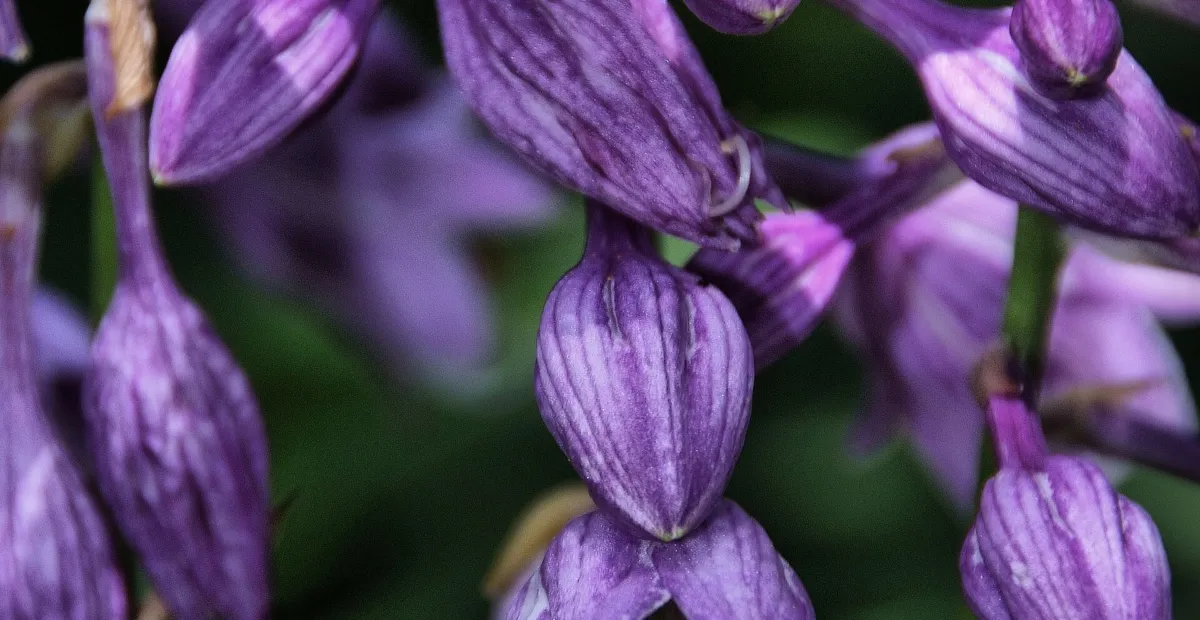
Upright leafless scapes rise above the foliage and carry racemes of pendent, bell-shaped purple flowers. Bloom is typically in midsummer in the United States. Flowers are showy rather than strongly fragrant, and successful fruit and seed production can vary with light, resources, and pollinator visitation.
Pollination and visitors
Research on Hosta ventricosa documents animal pollination and flower visitation, with visitation strongly influenced by local light conditions. Bees, bumblebees, and other insects may visit the flowers; the study did not establish one universally dominant species-level visitor.
Hosta ventricosa photos
Click any photo for a larger view. Source, author and license are shown separately.
Diseases and pests
Diseases
Reduce prolonged leaf wetness, improve air circulation, and remove badly affected foliage. Watch for crown or root rot in poorly drained soil and for hosta virus symptoms such as mottling or distorted leaves; isolate suspicious plants and sanitize tools rather than propagating from them.
Pests
Slugs and snails commonly chew holes in the leaves, especially in damp gardens. Hand-pick or trap them, remove hiding places, and keep mulch from becoming excessively wet. Deer and rabbits may also browse foliage; use fencing or a tested repellent where pressure is high.
Related diseases and pests
Only Plant Doctor profiles whose host data indicate this plant may be affected are shown here.
 DiseaseImpatiens necrotic spot virus diseaseImpatiens necrotic spot orthotospovirus
 DiseaseSouthern blightAthelia rolfsii
 PestStrawberry foliar nematodeAphelenchoides fragariae
 Environmental stressExcess light stress
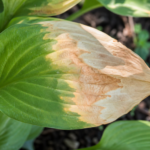 Environmental stressLeaf sunburn
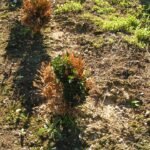 DiseasePhytophthora root and crown rotPhytophthora nicotianae
Toxicity and pollen
Hosta species are listed by the ASPCA as toxic to dogs and cats because of saponins, with vomiting, diarrhea, and depression reported after ingestion. Species-specific clinical evidence for Hosta ventricosa is limited, so treat the plant as a low-severity ingestion risk and prevent pets from chewing substantial amounts.
- Typical season
- Not typically a major airborne pollen season; flowers release pollen during summer bloom
- Pollination / pollen
- Insect-dispersed flower pollen
Hosta flowers are primarily insect-pollinated, so pollen is not generally dispersed in large airborne clouds. This does not prove zero allergy risk, but the available evidence supports low airborne exposure compared with wind-pollinated plants. Sensitive people should still avoid direct contact with flowers if symptoms occur.
Native habitat
Native populations occur in China and Korea, where the species is associated with moist, temperate woodland and forest-edge conditions. It favors soils with organic matter, regular rainfall, and filtered light rather than exposed, dry sites.
Interesting fact
Hosta ventricosa is a naturally occurring tetraploid species. It is unusual among hostas because seed commonly develops true to the mother plant. The species has been cultivated in Europe and North America for well over a century.
Frequently asked questions (FAQ)
The most relevant questions about this plant, with short and direct answers.
🌱Quick care
What is Hosta ventricosa commonly called?⌄
Hosta ventricosa is commonly called Blue Plantain-lily in the United States. It is a clumping, herbaceous perennial grown mainly for its dark green, heart-shaped foliage and purple flowers.
Is Hosta ventricosa a perennial?⌄
Yes, Hosta ventricosa is a hardy herbaceous perennial. Its foliage dies back in fall or winter, while the underground rhizome remains dormant and regrows in spring.
How big does Hosta ventricosa get?⌄
Hosta ventricosa commonly grows about 20–24 inches tall and 24–38 inches wide, with flower scapes reaching roughly 36 inches. Mature size varies with soil, moisture, climate, and growing conditions.
What USDA zones can grow Hosta ventricosa?⌄
Hosta ventricosa is generally hardy in USDA Zones 3 through 9. In warmer zones, it performs best in deep or dappled shade with consistent moisture and protection from hot afternoon sun.
🌤️Environment and placement
Does Hosta ventricosa grow in full shade?⌄
Yes, Hosta ventricosa grows well in full or deep shade and is particularly useful for woodland-style planting. A small amount of gentle morning light can support flowering without causing leaf scorch.
How much sun does Hosta ventricosa need?⌄
Plant Hosta ventricosa in partial shade to shade, preferably with morning sun or filtered light. Avoid strong afternoon sun, especially in the southern United States, because it can scorch the leaves.
What soil is best for Hosta ventricosa?⌄
Hosta ventricosa prefers humus-rich, moisture-retentive but well-drained loam. Improve poor soil with compost or other organic matter, but avoid locations that remain waterlogged, particularly during winter.
Can Hosta ventricosa grow in clay soil?⌄
Hosta ventricosa can tolerate clay soil if drainage is improved and the soil is enriched with organic matter. Heavy, poorly drained clay should be amended or planted in a raised bed to reduce crown and root-rot risk.
How much water does Hosta ventricosa need?⌄
Hosta ventricosa needs moderate, even moisture, especially while establishing and during hot, dry weather. Water deeply when the soil surface begins to dry, but do not keep the crown or roots constantly saturated.
Can Hosta ventricosa grow in a container?⌄
Yes, Hosta ventricosa can grow in a large container with drainage holes and moisture-retentive potting mix. Choose a container wide enough for its mature clump and protect the roots from repeated freeze-thaw exposure in cold climates.
💧Care and problems
How often should Hosta ventricosa be fertilized?⌄
Apply a balanced, slow-release fertilizer in spring as new shoots emerge, following the product label. Additional fertilizer is usually unnecessary if the soil is fertile and amended with compost.
Why are the leaves of my Hosta ventricosa turning brown?⌄
Brown leaves on Hosta ventricosa are commonly caused by drought, excessive sun, wind, hail, or physical damage. Check soil moisture and light exposure first, and move or provide shade if the plant receives hot afternoon sun.
What pests commonly attack Hosta ventricosa?⌄
Slugs and snails are the most common pests on Hosta ventricosa, while deer and rabbits may browse the foliage. Voles can damage the plant by feeding on its roots, particularly where populations are high.
How do I protect Hosta ventricosa from slugs and snails?⌄
Reduce slug and snail damage by removing hiding places, keeping mulch away from the crown, and checking plants at night or during damp weather. Barriers, traps, or labeled slug controls can be used when damage is persistent.
What diseases affect Hosta ventricosa?⌄
Hosta ventricosa can develop crown or root rot in poorly drained soil, leaf spot, anthracnose, and viral diseases such as Hosta Virus X. Remove severely diseased plants and disinfect tools between plants to reduce disease spread.
Should I cut back Hosta ventricosa in fall?⌄
Cut back Hosta ventricosa after frost has killed and softened the foliage, removing leaves and flower stalks near ground level. Leaving healthy foliage until it declines naturally allows the plant to finish storing energy for dormancy.
🪴Planting and repotting
When is the best time to plant Hosta ventricosa?⌄
The best time to plant Hosta ventricosa is spring as new shoots emerge, or early fall while the soil remains workable. Water newly planted divisions regularly until they establish a strong root system.
How should I plant Hosta ventricosa?⌄
Plant Hosta ventricosa with the crown at soil level in a hole about as deep as the root ball and at least twice as wide. Backfill with amended soil, water thoroughly, and add a light mulch layer without covering the crown.
How far apart should Hosta ventricosa be planted?⌄
Space Hosta ventricosa about 24–36 inches apart, depending on the desired landscape effect and the expected mature spread. Allow more room for an informal specimen planting and less space for a gradual massed display.
✂️Propagation and pruning
How do you propagate Hosta ventricosa?⌄
Propagate Hosta ventricosa most reliably by dividing the clump in early spring as shoots emerge. Each division should contain healthy roots and at least one growing eye; tissue culture is mainly used for commercial production.
Can Hosta ventricosa be grown from seed?⌄
Yes, Hosta ventricosa can be grown from seed, and this species is unusual because seedlings generally reproduce the mother plant through apomixis. Seed-grown plants may still take longer to reach flowering size than divisions.
How often should Hosta ventricosa be divided?⌄
Divide Hosta ventricosa when the clump becomes overcrowded or every three to five years if needed. Division is not required on a strict schedule, and small divisions may establish more slowly than larger sections.
⚠️Toxicity and safety
Is Hosta ventricosa toxic to dogs and cats?⌄
Yes, Hosta ventricosa should be treated as toxic to dogs and cats because hostas contain saponins. Ingestion can cause vomiting, diarrhea, or depression, so contact a veterinarian or animal poison-control service if a pet eats the plant.
Are Hosta ventricosa leaves safe for pets to eat?⌄
No, Hosta ventricosa leaves, flowers, and other plant parts should not be intentionally eaten by dogs or cats. Keep pets away from the planting and seek veterinary advice if significant chewing or symptoms occur.
Do deer and rabbits eat Hosta ventricosa?⌄
Yes, deer and rabbits commonly browse Hosta ventricosa, especially the tender leaves in spring. Use fencing, repellents, or other wildlife-management measures where browsing pressure is high.
🌸Flowering and special interest
When does Hosta ventricosa bloom?⌄
Hosta ventricosa usually blooms in mid to late summer, although the exact timing varies by climate. Upright flower scapes carry purple to deep violet, bell-shaped flowers above the foliage.
What color are Hosta ventricosa flowers?⌄
Hosta ventricosa produces purple, violet, or deep blue-purple flowers. The flowers are often more noticeable than those of many foliage-focused hostas and may be mildly fragrant or fragrant depending on the plant and growing conditions.
Why is my Hosta ventricosa not flowering?⌄
A Hosta ventricosa that is not flowering may be too young, recently divided, drought-stressed, overfertilized with nitrogen, or growing in conditions that are too dark. Consistent moisture, suitable shade, and time to mature usually improve flowering.
Should I remove the flower stalks from Hosta ventricosa?⌄
Remove Hosta ventricosa flower stalks after blooming if you prefer a tidier appearance or want to prevent seed development. Leaving them in place does not normally harm the plant, and the flowers provide ornamental and pollinator value.
Similar plants
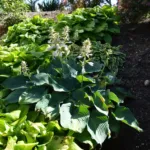 Elegans (Hosta sieboldiana ‘Elegans’)Hosta sieboldiana 'Elegans'
 Narrow-leaved Plantain-lily (Hosta lancifolia) care guideHosta lancifolia
 Hosta ‘Twist of Lime’Hosta 'Twist of Lime'
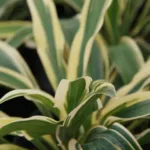 Hosta ‘Wolverine’Hosta 'Wolverine'
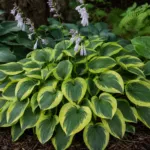 Hosta ‘Yellow Polka Dot Bikini’Hosta 'Yellow Polka Dot Bikini'
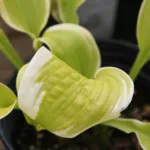 Hosta ‘Shade Fanfare’Hosta 'Shade Fanfare'