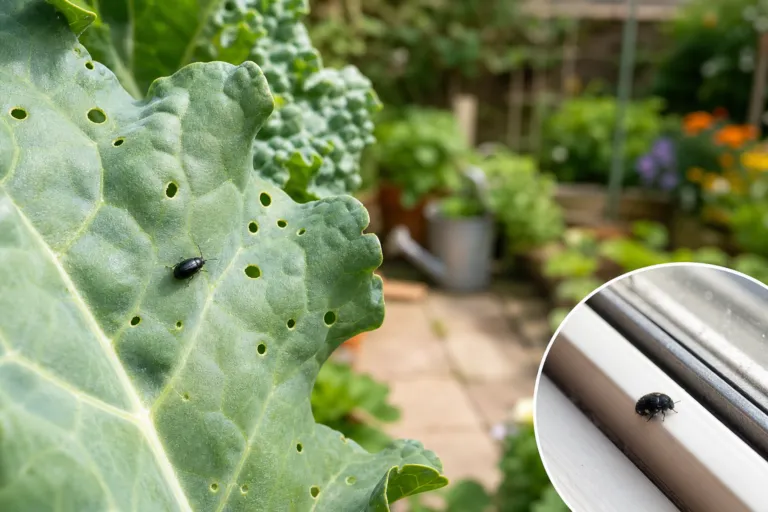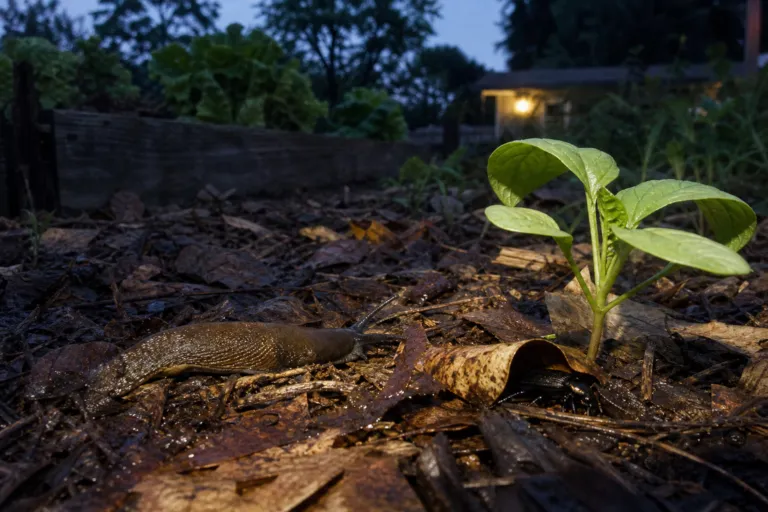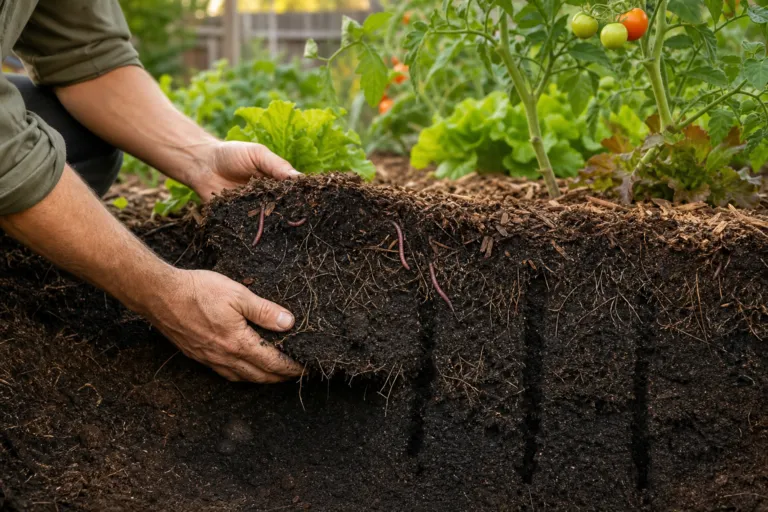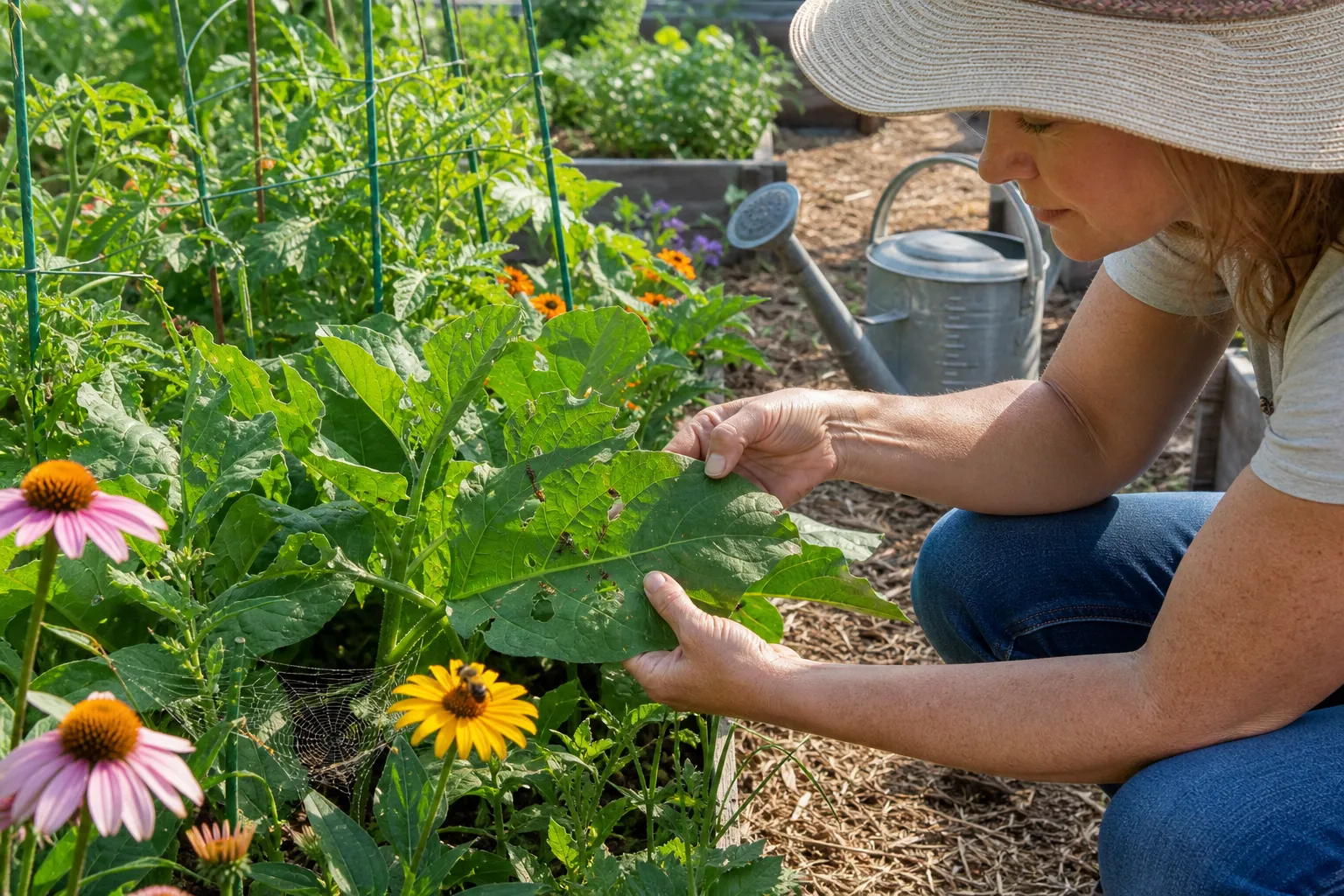
A few chewed leaves do not mean your garden is failing. In fact, a lively garden is supposed to contain insects, spiders, birds, microbes, and other small creatures. Some nibble plants, some pollinate flowers, some decompose old leaves, and others quietly hunt the creatures you would rather not see.
The goal is not to create a sterile garden where every aphid, beetle, or caterpillar disappears. That is unrealistic – and often counterproductive. A healthier goal is to keep pest populations below the point where they cause unacceptable damage, while protecting the plants, beneficial organisms, soil, water, and people who enjoy the space.
That practical approach is known as integrated pest management, or IPM. It begins with observation and prevention, then adds physical, biological, and – when truly needed – carefully selected chemical controls.
Pests are part of the garden’s food web
Every garden is an ecosystem, even a small balcony planter. Plants provide food and shelter for herbivorous insects, while those insects support predators such as spiders, birds, lacewings, lady beetles, predatory bugs, and parasitic wasps. A garden without any plant-eating insects would also offer far less food for many of its natural allies.
This does not mean you should welcome unlimited damage. It means that a single insect sighting is not automatically an emergency. Many insects are harmless visitors, and some look alarming during one stage of their life but become helpful later. Lady beetle larvae, for example, look nothing like the familiar rounded adults, yet they can be enthusiastic predators of soft-bodied pests.
Before reaching for a spray, look for evidence that a pest is actually causing harm:
- Fresh holes, skeletonized leaves, distorted shoots, or sticky residue
- Clusters of insects on new growth or the undersides of leaves
- Declining plant vigor, yellowing, wilting, or stunted growth
- Chewed fruit, damaged stems, or roots disturbed by animals
- A pattern of damage that matches the suspected pest’s feeding habits
If you see insects but little or no damage, monitoring may be all that is needed. The most useful question is not “How do I kill this?” but “Is this population large enough to threaten the plant?”
A healthy plant can tolerate some damage
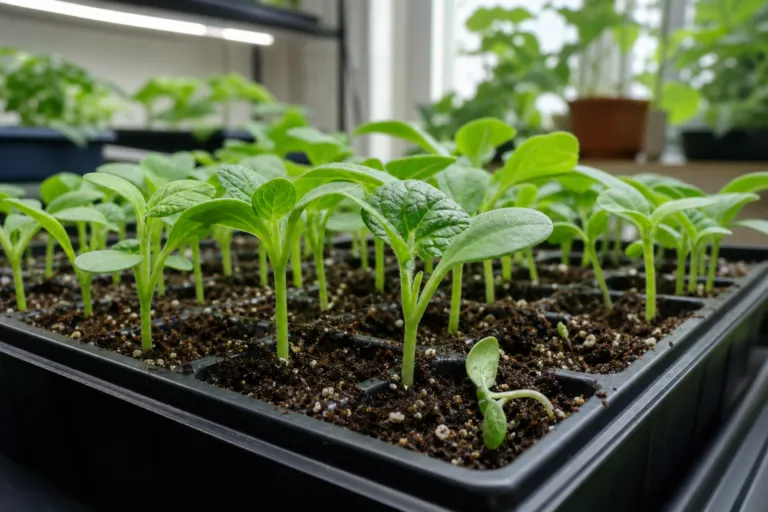
Plants are not delicate ornaments. Many can lose a modest portion of their foliage and continue growing, especially when they have adequate light, water, nutrients, and root space. A few holes in a squash leaf or some aphids on a mature ornamental plant may look untidy without seriously affecting the plant’s future.
Tolerance varies, however. A young seedling has fewer leaves and less stored energy than an established plant. A small infestation on a tomato growing in a container may matter more than the same number of insects spread across a large in-ground planting. Plants under drought, heat, transplant shock, or poor nutrition may also suffer more from pest pressure.
Set your own action threshold: the point at which damage is serious enough to justify intervention. For one gardener, a handful of nibbled leaves is acceptable. For another, a pest that threatens a limited harvest deserves immediate attention. Both decisions can be reasonable when they are based on observation rather than panic.
Why “pest-free” gardens are an unrealistic target
Wildlife moves in and out
Even if you remove every visible pest today, new insects can arrive from neighboring yards, vacant lots, farms, or natural areas. Many adults fly, crawl, or ride air currents. Birds and small mammals also travel through gardens, bringing new organisms with them.
Weather changes pest populations
Warm temperatures can speed up the life cycle of many insects. Heavy rain may knock pests from leaves, while a dry spell can favor certain mites or weaken plants. A mild winter may allow more insects to survive, but a late freeze can damage plants and alter the timing of both pests and beneficial insects.
Plants are living resources
Wherever plants grow, something will feed on them. That is not a sign that you selected the wrong plant or failed as a gardener. It is a basic ecological relationship. The real work lies in keeping feeding at a manageable level.
Prevention starts before you see damage
Good pest management often looks less dramatic than spraying. It is built into everyday choices about plant selection, spacing, watering, soil care, and garden design.
- Choose well-adapted plants. Select varieties suited to your region, growing conditions, and available sunlight. Disease-resistant cultivars can be especially useful when a recurring problem has already been identified.
- Inspect plants before bringing them home. Check leaves, stems, and the surface of the potting mix for insects, webbing, disease spots, or weeds.
- Give plants enough space. Crowded foliage dries slowly and makes it harder to inspect leaves. Follow the spacing guidance for the mature size, not just the size of the young transplant.
- Keep the garden growing strongly. Water and fertilize according to the plant’s needs rather than a fixed routine. Overfertilizing, especially with quick-release nitrogen, can produce lush growth that attracts some sap-feeding insects.
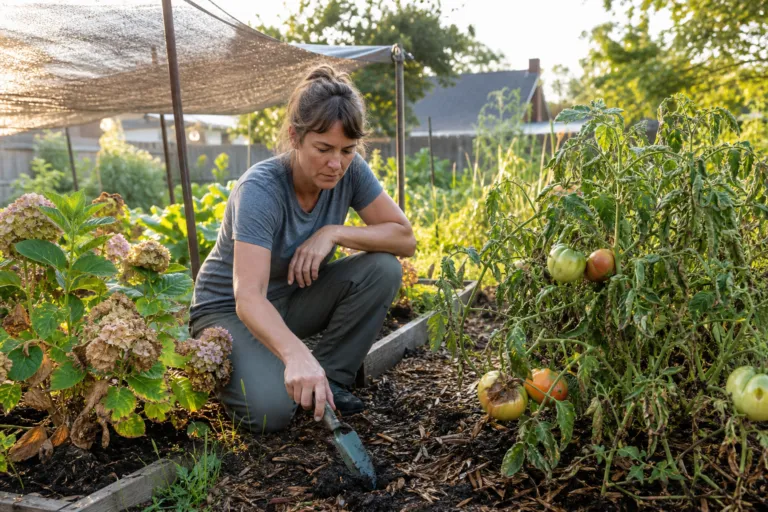
- Remove seriously affected material. Prune or discard leaves and stems that are heavily damaged or clearly diseased. Do not add material to a home compost pile unless you are confident the pile reaches conditions capable of breaking it down.
- Use barriers where they make sense. Row cover, insect netting, collars, fencing, and trunk guards can prevent access without affecting the entire garden.
Watering is part of pest management
Watering will not eliminate pests, but consistent moisture helps plants handle stress and recover from ordinary damage. It also gives you a chance to inspect the soil and foliage regularly.
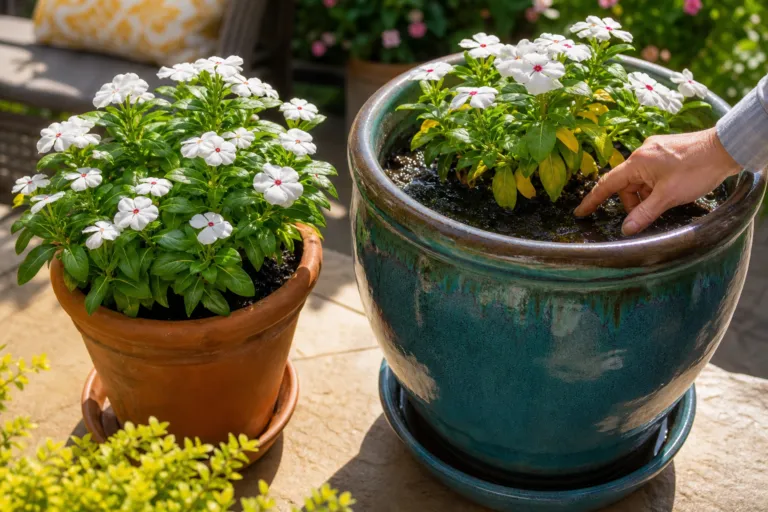
Try a simple measurement experiment rather than guessing. Choose two similar containers or two comparable garden sections. For one week, record rainfall and apply a measured amount of water to each area. A practical starting comparison might be 1 gallon of water to one container and 2 gallons to another, divided into two applications, while checking the soil between waterings. The correct amount will depend on container size, plant type, temperature, wind, and potting mix, so treat this as an observation trial – not a universal prescription.
Push a finger about 2 inches into the soil before watering. If that layer feels dry for a plant that prefers evenly moist soil, water slowly at the base until excess begins to drain from the container. Record the amount, the weather, and the plant’s response. After seven days, compare wilt, new growth, leaf quality, and pest activity.
This kind of small test can reveal that one variety stays vigorous with less frequent watering, while another wilts quickly. It can also show that shallow daily watering keeps the surface damp but leaves the root zone inconsistent. Precise observations are more useful than watering by habit.
Different varieties can respond differently
Variety comparisons are another helpful way to learn what your garden needs. If you grow two tomato varieties, for example, place them in similar light and give them the same basic care. Record when each begins flowering, how quickly it grows, whether leaves remain healthy, and which one attracts or tolerates more damage.
A plant that looks more “pest resistant” may actually be better adapted to your site, less stressed by heat, or more vigorous after watering. Avoid drawing conclusions from a single season, because weather can strongly influence both plant growth and pest numbers. Repeat the comparison next year if the difference matters to you.
You can use the same method with squash, beans, cucumbers, roses, or annual flowers. Compare one variety with another, change only one major factor at a time, and keep a few notes. Your own garden becomes a useful field trial.
Make room for beneficial insects
Many gardens already contain natural pest control. Predatory insects and spiders may not completely suppress every outbreak, but they can help keep populations from rising as quickly. Flowering plants provide nectar and pollen for many adult beneficial insects, while dense vegetation, leaf litter, and sheltered corners can provide places to rest and reproduce.
Build habitat gradually:
- Grow a succession of flowers so something is blooming across the season.
- Include a mix of native and well-adapted flowering plants where practical.
- Keep some areas less manicured rather than cleaning every leaf and stem immediately.
- Provide shallow water with stones or landing places, refreshed regularly.
- Learn to recognize common predators before removing them.
- Inspect plants for signs of natural control, such as parasitized aphids or caterpillars and predator larvae.
Buying and releasing beneficial insects is not always a guaranteed solution. Without suitable food, shelter, humidity, or a steady pest population, released insects may leave or fail to establish. In many home gardens, habitat and reduced disruption are a more dependable first step.
Scout before you decide
Set aside ten minutes two or three times a week during the growing season. Walk slowly and inspect new growth, leaf undersides, flowers, stems, and the soil surface. Look for both pests and allies.
Use a notebook or phone to record the date, plant, location, pest, amount of damage, and weather. A photograph taken from the same angle each week can reveal whether a problem is spreading or simply catching your attention because you are looking more closely.
Accurate identification matters. Leaf holes may come from caterpillars, beetles, slugs, or hail. Yellow leaves may signal watering problems, nutrient stress, root damage, or disease rather than insects. If you are unsure, contact your county Extension office or a local Master Gardener program for help identifying the issue.
Choose the lightest effective response
When monitoring shows that action is justified, begin with the least disruptive method that fits the pest and the plant.
- Hand removal: Pick visible insects, prune infested tips, or drop pests into soapy water.
- Water spray: A firm stream can dislodge some soft-bodied insects from sturdy foliage. Avoid damaging tender plants.
- Traps and barriers: Use fencing, row cover, sticky cards, or appropriately placed traps when they target the actual problem.
- Sanitation and timing: Remove fallen fruit, weeds, or badly affected leaves, and avoid planting the same susceptible crop in the same location year after year.
- Targeted products: If a product is needed, identify the pest first, read the entire label, and use only a product labeled for that plant and pest. Follow directions for protective equipment, application, harvest intervals, storage, and disposal.
“Natural” does not automatically mean harmless to beneficial insects, pets, wildlife, or plants. Likewise, a synthetic product is not automatically the wrong choice in every situation. Risk depends on the product, dose, timing, weather, application method, and organisms exposed. Avoid broad, routine applications and never mix products unless the label specifically permits it.
The balanced garden is the successful garden
A healthy garden is not measured by spotless leaves. It is measured by resilience: plants continue to grow, beneficial organisms remain present, damage stays within an acceptable range, and you respond thoughtfully when a genuine problem appears.
Expect a few pests. Look closely before acting. Improve growing conditions, encourage natural enemies, compare varieties, and measure your watering instead of guessing. With these habits, you do not have to wage war on every living thing in the garden – you only need to keep the balance working in your favor.
That is good news for beginners. You can start with one plant, one notebook, and one ten-minute inspection. Over time, those small observations will help you build a garden that is not pest-free, but healthy, productive, and wonderfully alive.