
 Source:
 Magnolia sprengeri short overview
Magnolia sprengeri is a large deciduous magnolia from central China, grown for its spectacular rosy pink spring flowers and broad, fresh-green leaves. Plant it as a long-term specimen in deep, fertile, well-drained soil that stays evenly moist, preferably in full sun or light afternoon shade. A sheltered position helps protect early flower buds from damaging late frosts and drying winds. No reliably established English common name is retained here for this exact species.
Taxonomic classification
Magnolia sprengeri care guide
Light and placement
Grow in full sun for the strongest flowering, or provide partial shade where summers are hot and dry. An east- or southeast-facing site with shelter from prevailing winds is useful. Too little light can reduce flowering and produce a thin crown; intense reflected heat or drought can scorch leaves and stress roots. Protect early buds from frost pockets and cold wind.
Watering and humidity
Water deeply and slowly when the upper few inches of soil begin to dry, especially during the first two or three growing seasons. Maintain even moisture through spring and summer, reducing irrigation during cool wet weather and after establishment. A wide organic mulch layer helps moderate root temperature and moisture; keep mulch off the trunk.
Soil and growing medium
Use deep, fertile soil with good drainage and steady moisture. A loam enriched with leaf mold or compost is suitable; avoid compacted ground and prolonged waterlogging. Slightly acidic to neutral conditions are preferred, and heavy alkaline soils may cause chlorosis or generally weaker growth. Mulch broadly over the root zone, keeping it away from the trunk.
Feeding
Apply composted organic matter as a surface mulch in late winter or early spring. If growth is weak, use a balanced, slow-release tree fertilizer after the spring flush begins, following the product label. Do not overfeed vigorous trees, fertilize drought-stressed plants, or apply high-nitrogen fertilizer late in the season.
Growth and habit
A long-lived, upright to broadly spreading deciduous tree that becomes more substantial with age. It benefits from an undisturbed root zone and steady moisture during establishment. Avoid unnecessary pruning because large cuts heal slowly and can spoil the natural crown.
Planting and repotting
Plant container-grown trees in spring or fall when soil is workable. Set the root flare level with or slightly above the surrounding soil; do not bury the trunk. Backfill with native soil, water deeply, and mulch over the root zone. Give the tree ample room for its eventual canopy and avoid frequent transplanting.
Not generally suitable for long-term container culture because the species develops into a substantial tree. Young container plants should be shifted only when root-bound, preferably in early spring or fall, with minimal root disturbance. Plant out while small if possible.
Propagation and pruning
Propagation
Fresh seed is the most practical species-level method; clean seed, remove the fleshy coating, and provide warm-to-cool stratification before sowing. Named cultivars are normally maintained by grafting or other clonal methods. Semi-ripe cuttings and layering may be possible but are less dependable and require specialist technique.
Pruning
Prune only to remove dead, damaged or crossing branches and to establish a clear structure while the tree is young. Make limited cuts after flowering or in late winter before growth begins, depending on local frost risk. Avoid hard rejuvenation pruning and large unnecessary wounds.
Overwintering
In USDA Zones 6–8, established trees generally overwinter outdoors. Protect young trees with a thick, loose mulch over the root zone and water before the ground freezes if autumn is dry. In colder or exposed sites, shelter the tree from drying winter winds; flower buds remain vulnerable to late spring freezes.
Uses
Best used as a specimen tree for large lawns, parks, arboreta and sheltered woodland-style plantings. Its flowers and form provide ornamental value, while the broad canopy contributes seasonal shade. Do not present the species as a food or medicinal plant without specialist identification and authoritative product guidance.
Appearance
This species forms a substantial deciduous tree with smooth gray to gray-brown bark, broad obovate to elliptic leaves and large solitary flowers on bare or sparsely leafed branches. The early flowers are the main identification feature in gardens, while the mature crown becomes broad and dignified rather than narrowly columnar.
Flowering
Large, showy flowers open in early spring, often before or as the leaves emerge. The flowers are cup-shaped to broadly goblet-shaped and commonly rosy pink to pink-purple in horticultural selections. Flowering can vary with climate, tree age and late-frost damage; exact color and form may also vary among infraspecific material.
Pollination and visitors
Magnolia flowers can be visited by beetles and other insects, as magnolias have an ancient beetle-associated pollination syndrome, but reliable species-specific visitor records for Magnolia sprengeri were not sufficiently documented for a confident pollinator code.
Magnolia sprengeri photos
Click any photo for a larger view. Source, author and license are shown separately.
Diseases and pests
Diseases
Magnolias can develop leaf spot, powdery mildew, cankers or root problems where foliage stays wet or drainage is poor. Improve air circulation, irrigate at the soil line, remove diseased fallen leaves, and prune out cankered wood into healthy tissue with disinfected tools. Avoid unnecessary wounds and waterlogging.
Pests
Scale insects, aphids, thrips and occasional magnolia borer problems may occur. Inspect young shoots and undersides of leaves, encourage natural enemies, and use horticultural oil only when label directions and timing are appropriate. Avoid stressing the tree with drought, root damage or compacted soil, which can increase pest pressure.
Related diseases and pests
Only Plant Doctor profiles whose host data indicate this plant may be affected are shown here.
 Environmental stressWaterlogging
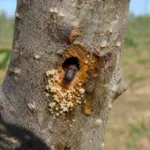 PestEuropean shot-hole borerXyleborus dispar (Fabricius)
 PestBrown Marmorated Stink BugHalyomorpha halys
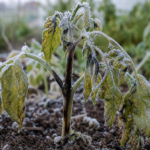 Environmental stressFreeze injury
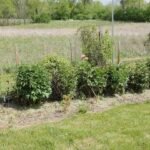 Environmental stressFrost injury
 Environmental stressRoot Anoxia
 DiseaseMaple powdery mildewSawadaea bicornis
 DiseaseCucurbit Powdery MildewPodosphaera xanthii (Castagne) U. Braun & Shishkoff
Toxicity and pollen
No strong, species-specific evidence of serious human or companion-animal poisoning was located for Magnolia sprengeri. Magnolia relatives are used ornamentally and some Magnolia plant parts are used in traditional products, but that does not establish this species as edible or safe for ingestion. Avoid consuming plant material, and seek professional advice after significant ingestion or exposure.
- Typical season
- Spring flowering period
- Pollination / pollen
- Heavy, insect-associated pollen; limited airborne dispersal expected
Magnolia flowers generally release relatively heavy pollen that is not strongly wind-dispersed, so airborne exposure is expected to be lower than for wind-pollinated trees. This is a cautious genus-level interpretation rather than a species-specific clinical allergy assessment; sensitive people may still react to pollen or scented floral material.
Native habitat
Native to temperate mountain and woodland regions of central China, particularly Shaanxi and northwestern Hubei. It grows in climates with seasonal cool winters and adequate summer moisture, generally in fertile, well-drained soils. Garden performance is best where roots remain cool and moist but never saturated.
Interesting fact
The species is native to temperate China, especially Shaanxi and northwestern Hubei. Magnolia sprengeri is closely associated with horticultural forms such as the pink-flowered ‘Diva’, but named selections should not be confused with the wild species as a whole. Its flowers can open before the expanding leaves, making spring frost a major display risk.
Frequently asked questions (FAQ)
The most relevant questions about this plant, with short and direct answers.
🌱Quick care
What is Magnolia sprengeri?⌄
Magnolia sprengeri is a deciduous magnolia tree from central China, grown for its large, fragrant flowers that open before or with the leaves. It can become a substantial specimen tree, so give it room to mature.
Is Magnolia sprengeri easy to grow?⌄
Magnolia sprengeri is moderately easy to grow when planted in fertile, evenly moist, well-drained soil and protected from harsh exposure. Its main challenge is that early flower buds can be damaged by late freezes.
🌤️Environment and placement
Where should I plant Magnolia sprengeri?⌄
Plant Magnolia sprengeri in full sun to partial shade, preferably in a sheltered location protected from strong wind and severe temperature swings. Morning sun with some protection from late-afternoon heat can be useful in warmer regions.
How much sun does Magnolia sprengeri need?⌄
Magnolia sprengeri grows best in full sun to partial shade. More sun generally supports stronger flowering, while light afternoon shade can help reduce heat stress in hot U.S. climates.
What USDA hardiness zone is Magnolia sprengeri?⌄
Magnolia sprengeri is considered cold-tolerant, but a single dependable USDA hardiness-zone range is not consistently documented for the species. Choose a sheltered site and remember that flower buds may be damaged even when the tree itself survives winter.
Can Magnolia sprengeri grow in the United States?⌄
Magnolia sprengeri can grow in suitable parts of the United States, especially where summers are not excessively hot and the tree has protection from late spring frosts. Availability is more limited than for common landscape magnolias.
How large does Magnolia sprengeri get?⌄
Magnolia sprengeri can mature into a large deciduous tree, potentially more than 25 feet tall and broad under favorable conditions. Check the mature size of the specific cultivar before planting near buildings, sidewalks, or utility lines.
💧Care and problems
How often should I water Magnolia sprengeri?⌄
Water Magnolia sprengeri whenever the upper soil begins to dry, keeping the root zone evenly moist but never waterlogged. Newly planted trees need more frequent irrigation during their first growing seasons and during summer drought.
What soil does Magnolia sprengeri need?⌄
Magnolia sprengeri prefers fertile, humus-rich, well-drained loam that retains moisture without staying saturated. Improve poor soil with organic matter, but avoid creating a sharply different, overly rich pocket around the roots.
Should I mulch Magnolia sprengeri?⌄
Yes, apply a 2- to 3-inch layer of organic mulch over the root zone to conserve moisture and moderate soil temperature. Keep mulch several inches away from the trunk to prevent persistent bark moisture and decay.
Why is my Magnolia sprengeri not flowering?⌄
Magnolia sprengeri may fail to flower because it is still immature, receives too much shade, is stressed by drought, or has lost its flower buds to winter or spring frost. Avoid heavy pruning because flower buds are often formed well before bloom.
Why did frost damage my Magnolia sprengeri flowers?⌄
Magnolia sprengeri flowers early, so an otherwise healthy tree can lose its flower display when a late freeze kills the exposed buds. A sheltered planting site can reduce damage, but there is no reliable way to protect a large tree from every freeze.
What pests and diseases affect Magnolia sprengeri?⌄
Magnolia sprengeri can be affected by common magnolia problems such as scale insects, leaf spots, gray molds, cankers, and root diseases in poorly drained soil. Good airflow, appropriate watering, and removal of damaged plant material usually provide the first line of prevention.
🪴Planting and repotting
When is the best time to plant Magnolia sprengeri?⌄
Plant Magnolia sprengeri in fall or early spring while temperatures are mild and the soil is workable. Avoid planting during frozen, waterlogged, or extreme summer conditions, and water thoroughly after planting.
How do I plant Magnolia sprengeri?⌄
Dig a planting hole no deeper than the root ball and about two to three times its width, then set the tree with the root flare at or slightly above soil level. Backfill with the native soil, water deeply, and mulch without covering the trunk.
Can Magnolia sprengeri be grown in a container?⌄
Magnolia sprengeri is generally not a good long-term container plant because it develops into a large tree with substantial roots. A young specimen can be held temporarily in a large container, but it should eventually be planted in the ground.
✂️Propagation and pruning
How is Magnolia sprengeri propagated?⌄
Magnolia sprengeri can be propagated by seed, but seedlings may vary and can take years to flower. Named selections are more reliably reproduced by specialized nursery methods such as grafting or suitable cuttings.
Can I grow Magnolia sprengeri from seed?⌄
Yes, Magnolia sprengeri can be grown from seed, although germination may be slow or uneven and the resulting trees may not reproduce a selected cultivar. Fresh, properly handled seed and a period of moist chilling are generally needed.
Can Magnolia sprengeri be propagated from cuttings?⌄
Propagation from cuttings is possible in magnolias but can be difficult for this species and is usually most successful under controlled nursery conditions. Semi-hardwood material, rooting hormone, high humidity, and a well-drained medium may improve results.
When should Magnolia sprengeri be pruned?⌄
Prune Magnolia sprengeri only when necessary, ideally shortly after flowering or when damaged wood can be clearly identified. Heavy pruning can remove the next season’s flower buds and may spoil the tree’s natural form.
How do I prune Magnolia sprengeri?⌄
Remove dead, damaged, crossing, or poorly positioned branches with clean cuts, while preserving the tree’s natural branching structure. Avoid topping, repeated shearing, and large unnecessary cuts because magnolias can respond poorly to severe pruning.
⚠️Toxicity and safety
Is Magnolia sprengeri toxic to people or pets?⌄
No serious species-specific toxicity is well established for Magnolia sprengeri, but definitive safety data are limited. Do not allow people or pets to consume plant parts, and contact a poison-control service or veterinarian if ingestion causes symptoms.
Are Magnolia sprengeri flowers edible?⌄
Magnolia sprengeri flowers should not be treated as edible because reliable food-safety guidance for this exact species is limited. Use the tree as an ornamental plant and avoid consuming its flowers, leaves, fruit, or seeds.
🌸Flowering and special interest
When does Magnolia sprengeri bloom?⌄
Magnolia sprengeri generally blooms in late winter or spring, often before the leaves emerge. The exact timing varies with climate, cultivar, winter temperatures, and the onset of spring weather.
What do Magnolia sprengeri flowers look like?⌄
The flowers are large, upright, cup-shaped, and often fragrant, with colors ranging from white to pink, rose, or reddish shades depending on the form. They appear on bare or partly bare branches before the foliage is fully developed.
Are Magnolia sprengeri flowers fragrant?⌄
Yes, Magnolia sprengeri flowers are generally fragrant. Fragrance intensity can vary with the individual tree, cultivar, weather, and the time of day.
Does Magnolia sprengeri flower before its leaves?⌄
Yes, Magnolia sprengeri commonly flowers before or as the leaves emerge. This creates a striking display but also exposes the flower buds to damage from late winter and spring freezes.
What is Magnolia sprengeri 'Diva'?⌄
Magnolia sprengeri 'Diva' is a well-known cultivated selection associated with strongly colored, showy flowers. It is often grown as an ornamental specimen, but its exact mature performance still depends on climate, site, and protection from late frost.
Similar plants
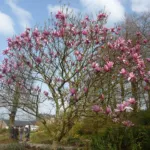 Magnolia ‘Star Wars’Magnolia 'Star Wars'
 Magnolia ‘Susan’Magnolia 'Susan'
 Lily Magnolia (Magnolia liliiflora) care guideMagnolia liliiflora
 Japanese Big Leaf Magnolia (Magnolia obovata) care guideMagnolia obovata
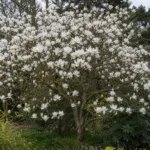 Alba (Magnolia campbellii ‘Alba’)Magnolia campbellii 'Alba'
 Southern magnolia (Magnolia grandiflora) care guideMagnolia grandiflora