 Source:
 Hoya caudata short overview
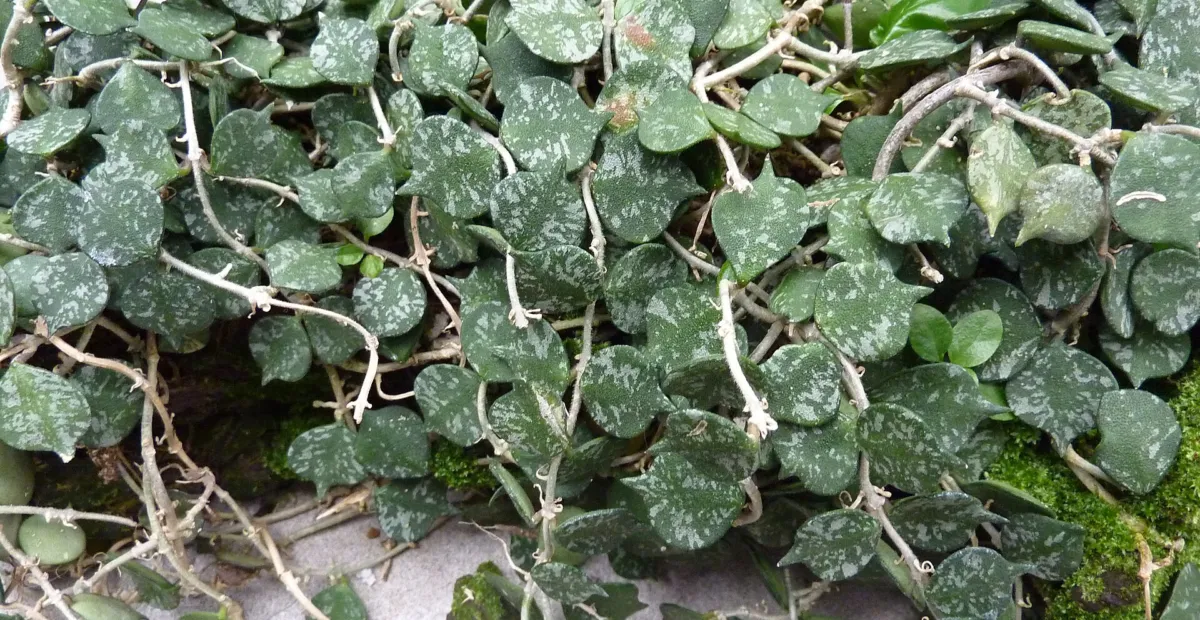
Hoya caudata is a tropical climbing epiphyte native from southern Thailand through western Malesia. It develops wiry stems, fleshy ovate leaves often marked with gray-silver spotting, and compact umbels of pale pink, hairy, star-shaped flowers with a darker red corona. In the United States, grow it indoors or in a warm greenhouse with bright filtered light, excellent drainage, warmth, and careful watering.
Taxonomic classification
Hoya caudata care guide
Light and placement
Provide bright filtered light, such as an east- or west-facing window or a bright south-facing position behind a sheer curtain. A little gentle morning or late-afternoon sun can be useful, but harsh midday exposure may redden or scorch leaves. Low light produces elongated stems, smaller leaves, and poor flowering; excessive sun can cause bleaching, crisp patches, or strong red coloration.
Watering and humidity
Water thoroughly when the upper portion of the mix has dried and the pot feels noticeably lighter, then let excess drain completely. Adjust frequency to temperature, light, and pot size: water more often during warm active growth and less during cool, dim conditions. Do not leave the container standing in water. Humidity helps, but airflow is equally important.
Soil and growing medium
Use a loose, fast-draining epiphytic mix based on fine orchid bark, perlite or pumice, and a modest amount of coco coir or peat. The root zone should remain airy rather than compact or waterlogged. A slightly acidic to neutral reaction is suitable; avoid dense garden soil.
Feeding
Feed during active growth with a balanced liquid houseplant fertilizer diluted to about half the label rate every 3–4 weeks. Water first if the mix is dry, and pause feeding during cool, dim winter conditions or after repotting until new growth resumes. Excess fertilizer can damage roots and cause salt buildup.
Growth and habit
This species is a twining, climbing epiphyte with wiry stems that can be trained upward or allowed to trail. It benefits from support as it matures. Stable warmth, bright filtered light, and an airy root environment encourage stronger growth; overly wet media and low light commonly cause weak growth or stem loss.
Planting and repotting
Plant or pot during active warm-season growth. Set the root ball at its original depth and keep the stem crown above the mix. Allow space for a trellis or hanging habit, and stabilize the cutting or young plant until roots anchor it.
Repot only when the mix has broken down or roots have substantially filled the container. Move up one pot size in spring or during active growth, retaining as much of the root ball as practical. Choose a pot with generous drainage and avoid burying the stems deeply.
Propagation and pruning
Propagation
Stem cuttings with at least one healthy node are the most practical method; root them in a warm, airy, lightly moist medium. Air-layering can also work on established vines. Seed propagation is possible but uncommon in cultivation and requires fresh seed and warm, humid conditions.
Pruning
Prune only to remove dead, damaged, or excessively long stems, or to shape the plant. Preserve healthy flowering spurs and peduncles because hoyas may bloom repeatedly from established structures. Make clean cuts with sterile tools and avoid severe pruning during cool or inactive periods.
Overwintering
Keep above 60°F whenever possible and protect from cold drafts, frost, and chilly wet media. In winter, place it in the brightest available indoor location, reduce watering as growth slows, and stop fertilizer until active growth returns. A warm greenhouse or heated growing area is preferable to an unheated porch.
Uses
Primarily grown as an ornamental indoor, greenhouse, or warm-climate container plant for its patterned foliage and unusual flowers. It is suited to hanging baskets or trellises. No culinary or medicinal use is established here.
Appearance
The plant has thin, wiry, flexible stems and fleshy, stiff ovate to elliptic leaves. Mature leaves are medium green and commonly carry gray-silver spotting, while new foliage may emerge dull reddish brown with gray markings. Very bright light can turn leaves strongly red. Adventitious roots may form along the stems, aiding its epiphytic climbing habit.
Flowering
The flowers are carried in compact umbels of about 8–12 blooms. Each flower has a pale pink, hairy, star-like corolla and a smaller reddish star-shaped corona; raised, tail-like anther appendages are a distinctive feature. Reliable United States flowering months are not established for this species, especially under indoor cultivation.
Pollination and visitors
Specific animal visitors or pollinators for Hoya caudata were not reliably documented in the sources reviewed. Its specialized flowers have the typical structural complexity associated with insect-mediated pollination in Hoya, but a particular visitor should not be assigned without direct evidence.
Diseases and pests
Diseases
Prevent root and stem rot with an airy mix, drainage, and careful watering. Remove damaged tissue and improve ventilation if soft, blackened stems appear. Leaf-spot problems are reduced by keeping foliage dry and avoiding crowded, stagnant conditions.
Pests
Inspect stems and leaf joints for mealybugs, scale, thrips, and spider mites. Isolate affected plants, remove light infestations with a cotton swab or water spray, and use an appropriately labeled insecticidal soap or horticultural oil when needed. Avoid treating drought-stressed plants.
Related diseases and pests
Only Plant Doctor profiles whose host data indicate this plant may be affected are shown here.
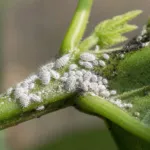 PestCotton mealybugPhenacoccus solenopsis Tinsley
 DiseaseBlack Root RotBerkeleyomyces basicola
 DiseaseRhizopus soft rotRhizopus stolonifer
 DiseaseCitrus black spotPhyllosticta citricarpa
 DiseaseBacterial soft rotPectobacterium carotovorum
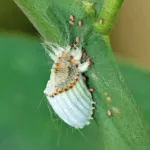 PestCottony Cushion ScaleIcerya purchasi
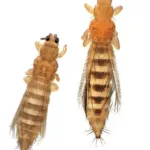 PestOnion thripsThrips tabaci Lindeman
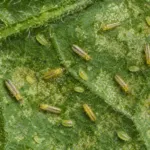 PestMelon thripsThrips palmi Karny
Toxicity and pollen
Independent species-specific toxicity evidence for Hoya caudata was not located. Hoya plants contain milky latex, so avoid ingesting plant material and prevent sap contact with eyes or broken skin. Keep out of reach of children and pets until a veterinarian or poison-control professional confirms the risk for a particular exposure.
- Pollination / pollen
- Flower-contained insect-pollinated pollen
As an insect-pollinated flowering plant, its pollen is generally presented within the flower rather than released in large airborne clouds. Species-specific allergenicity data were not located, so sensitive individuals should still avoid handling flowers if symptoms occur.
Native habitat
In nature it occurs from southern Thailand through western Malesia, including Peninsular Malaysia, Singapore, Sumatra, and Borneo. It is associated with wet tropical forest, including lowland primary forest near streams, and grows as an epiphytic climber in warm, humid conditions.
Interesting fact
Hoya caudata is accepted by Kew as a distinct species.
Frequently asked questions (FAQ)
The most relevant questions about this plant, with short and direct answers.
🌱Quick care
How do you care for Hoya caudata indoors?⌄
Give Hoya caudata bright filtered light, an airy epiphytic mix, and moderate watering with partial dry-down between waterings. Protect it from frost and prolonged cold.
Is Hoya caudata easy to grow?⌄
Hoya caudata can be moderately challenging because it may be sensitive to inconsistent humidity, watering, and root conditions. An established plant is usually more forgiving than a small cutting.
🌤️Environment and placement
How much light does Hoya caudata need?⌄
Hoya caudata grows best in bright filtered or indirect light. An east- or bright west-facing window, or a grow light placed close enough for strong indirect illumination, can work well.
Can Hoya caudata tolerate direct sun?⌄
Hoya caudata may tolerate gentle morning sun, but strong midday or afternoon sun can scorch its leaves. Acclimate it gradually and filter intense light with a sheer curtain.
What humidity does Hoya caudata need?⌄
Hoya caudata generally grows best with moderate to high humidity, especially while it is young or newly rooted. Mature plants may adapt to ordinary indoor humidity if watering and airflow are balanced.
What temperature is best for Hoya caudata?⌄
Keep Hoya caudata warm and protect it from frost, cold drafts, and sudden temperature drops. It is best treated as a frost-tender houseplant in the United States.
Can Hoya caudata grow in normal room humidity?⌄
An established Hoya caudata may grow in normal room humidity, but young plants and fresh cuttings often perform better with added humidity. Transition plants gradually from a propagation box to open room conditions.
💧Care and problems
How often should I water Hoya caudata?⌄
Water Hoya caudata when the mix has partially dried, then soak it thoroughly and let excess water drain. The schedule varies with light, pot size, temperature, humidity, and the type of mix.
Should Hoya caudata dry out completely between waterings?⌄
Hoya caudata should usually experience a partial dry-down rather than remain constantly wet or become bone-dry for long periods. Thin or wrinkled leaves can indicate that the plant needs water, while wet soil with declining leaves may indicate root trouble.
Why are my Hoya caudata leaves wrinkled?⌄
Wrinkled leaves commonly result from underwatering, weak roots, or roots damaged by consistently wet soil. Check the root system and potting mix before simply watering more often.
Why is Hoya caudata losing leaves?⌄
Leaf drop can follow overwatering, root rot, sudden environmental changes, cold exposure, pests, or severe dehydration. Inspect the roots, stems, and leaf undersides while reviewing recent changes in light and watering.
Why is my Hoya caudata not growing?⌄
Slow growth is often caused by insufficient light, cool conditions, damaged roots, low humidity, or a mix that stays too wet. Provide brighter filtered light, warmth, and an airy root environment before increasing fertilizer.
Can Hoya caudata grow in LECA or semi-hydroponics?⌄
Hoya caudata can be grown in LECA or another semi-hydroponic system if the plant is transitioned carefully and receives steady moisture, nutrients, and airflow. Avoid keeping newly converted roots continuously waterlogged.
🪴Planting and repotting
What soil is best for Hoya caudata?⌄
Use a loose, fast-draining epiphytic mix containing materials such as orchid bark, perlite, and a modest amount of moisture-retentive organic matter. The mix should hold some moisture without becoming dense or soggy.
What type of pot should I use for Hoya caudata?⌄
Choose a pot with drainage holes that is only slightly larger than the root ball. A pot that is too large can keep the airy mix wet for too long and increase the risk of root problems.
When should I repot Hoya caudata?⌄
Repot Hoya caudata when the mix has broken down, roots are crowded, drainage has deteriorated, or the plant is repeatedly drying out too quickly. Avoid unnecessary repotting because hoyas often grow well when slightly root-bound.
✂️Propagation and pruning
How do you propagate Hoya caudata?⌄
Propagate Hoya caudata from stem cuttings containing at least one healthy node, using water, moist sphagnum, or a light propagation mix. Keep the cutting warm, bright, and humid while roots develop.
Can you propagate Hoya caudata from a single leaf?⌄
A single Hoya caudata leaf usually cannot produce a complete new plant because it lacks a growth node. Use a stem section with a viable node and, preferably, at least one leaf.
How long does Hoya caudata take to root?⌄
Hoya caudata may root within several weeks under warm, humid conditions, but timing varies with cutting size, temperature, medium, and plant health. Wait for a useful root system before moving it into a larger pot.
Can I prune Hoya caudata?⌄
You can prune Hoya caudata to remove dead, damaged, or excessively long growth, and healthy cuttings can be used for propagation. Avoid removing short flowering spurs because they may produce future blooms.
⚠️Toxicity and safety
Is Hoya caudata toxic to cats and dogs?⌄
Species-specific toxicity information for Hoya caudata is limited, so it should not be assumed completely safe. Keep it away from pets and contact a veterinarian or animal poison-control service if ingestion causes concern.
Is Hoya caudata poisonous to humans?⌄
Species-specific human-toxicity data for Hoya caudata are not well established. Keep plant material away from children, avoid consumption, and seek medical advice if a significant amount is ingested or irritation occurs.
🌸Flowering and special interest
How do I get Hoya caudata to bloom?⌄
Provide strong filtered light, stable warmth, appropriate watering, and time for the plant to mature. Insufficient light, immature growth, root stress, or frequent disturbance can delay flowering.
How long does Hoya caudata take to bloom?⌄
Hoya caudata may need several years to flower, particularly when grown from a small cutting. Blooming depends on maturity, light, growing conditions, and whether the plant has developed flowering spurs.
How long do Hoya caudata flowers last?⌄
Hoya caudata flowers may be relatively short-lived compared with those of some other hoyas, sometimes lasting only a few days to about a week. Flower duration can vary among plants and growing conditions.
Why are my Hoya caudata buds falling off?⌄
Bud drop can result from sudden changes in temperature, humidity, light, watering, or location, as well as physical disturbance or pests. Keep the plant stable while buds are developing and avoid moving or spraying the flowers.
Should I remove old Hoya caudata flower spurs?⌄
Do not remove healthy flower spurs after blooming because the same spurs may produce flowers again. Remove only dead or clearly damaged growth.
Are Hoya caudata flowers fragrant?⌄
Hoya caudata flowers may have a light or subtle fragrance, but scent strength varies with the individual plant and growing conditions. Some blooms may be only faintly scented or appear nearly fragrance-free.