
 Source:
 Altona (Hydrangea macrophylla ‘Altona’) short overview
Hydrangea macrophylla 'Altona' is a historic German mophead hydrangea introduced in 1931. It forms a compact, bushy deciduous shrub with dark green leaves and large, dense flower heads that can appear rose-pink, deep pink, blue, or blue-violet depending on soil chemistry. Grow it in evenly moist, well-drained soil with morning sun or light shade. Because it flowers mainly on old wood, protect stems and prune only after flowering.
Taxonomic classification
Altona (Hydrangea macrophylla ‘Altona’) care guide
Light and placement
Grow in morning sun with afternoon shade in hot climates, or in full sun where soil stays reliably moist. East- and north-facing sites are often dependable; west-facing sites need protection from harsh afternoon heat and drying wind. Bleached foliage, scorched margins, or wilt despite moist soil suggest excessive sun or heat, while weak stems and sparse flowering can indicate insufficient light.
Watering and humidity
Water deeply when the upper inch of soil begins to dry, aiming for steady moisture rather than repeated shallow sprinkling. Increase frequency during hot, windy weather and reduce it during cool, rainy periods without allowing the root zone to dry hard. Apply mulch over the root area, keeping it away from stems; humidity is less important than consistent soil moisture and good air movement.
Soil and growing medium
Use fertile, moisture-retentive soil that still drains freely. Loam improved with compost is suitable, as are clay or sandy soils amended with organic matter. Acidic to neutral conditions support healthy growth; acidic soil with available aluminum can encourage bluer flower tones, while less acidic soil generally favors pink or rose shades.
Feeding
Apply a balanced slow-release shrub fertilizer in spring as growth begins, or top-dress with compost and a modest organic fertilizer. Avoid heavy late-summer nitrogen, which can encourage soft growth vulnerable to winter injury. Do not feed drought-stressed or newly transplanted plants until they are established.
Growth and habit
Forms a woody, bushy shrub with upright to arching stems. Growth is generally moderate, and the plant may become fuller with age when moisture is dependable. Since flower buds are carried on older stems, maintenance should prioritize preserving healthy overwintered wood rather than cutting back hard each year.
Planting and repotting
Plant in spring or fall when the soil is workable. Set the root ball level with the surrounding soil rather than burying the crown. Space about 3–5 feet apart, depending on climate and desired density. Water thoroughly after planting and mulch the root zone without covering the stems.
Repot container plants in spring before strong new growth, moving up only one pot size. Refresh part of the growing medium without heavily disturbing the root ball. Use a moisture-retentive but well-drained woody-plant mix and ensure the container has open drainage holes.
Propagation and pruning
Propagation
Propagate from softwood cuttings in late spring or early summer, when new shoots are flexible but beginning to firm. Use clean tools, remove lower leaves, and root cuttings in a sterile, evenly moist medium under bright filtered light. Cultivar traits are maintained by vegetative propagation.
Pruning
Prune immediately after flowering if shaping is needed, removing spent flower heads and the oldest or weakest stems. Avoid routine fall, winter, or early-spring cutting because the following season’s flower buds are carried on old wood. Remove only winter-killed stems after new growth shows where damage ends.
Overwintering
In USDA Zone 6 and exposed colder sites, mulch the root zone after the ground cools and protect stems with breathable burlap or a loose insulating wrap. Do not seal plants in plastic. Container specimens are more vulnerable than in-ground plants; move them to a sheltered, unheated location and keep the medium barely moist during dormancy.
Uses
Useful as a specimen shrub, informal border plant, foundation accent, patio container plant, and cut or dried flower subject. Its dense mophead clusters provide strong seasonal display. Do not use for food or medicine, and handle with care if skin sensitivity is suspected.
Appearance
Leaves are broadly ovate, dark green, and deciduous, with coarsely toothed margins. The shrub carries dense, rounded mophead heads above woody stems. Flower heads can age through green and deep red tones, and the cultivar is recognized by its rich coloration, floriferous habit, and resemblance to older cultivars such as ‘Europa’ and ‘Hamburg’.
Flowering
This hortensia-type mophead produces large, rounded clusters composed mainly of showy sterile florets. Flower color may shift from rose-pink to deep blue or blue-violet with soil chemistry, and mature heads can take on green and red tones later in the season. It flowers primarily on previous-season stems, so winter injury or late pruning can reduce bloom.
Pollination and visitors
Reliable cultivar-specific pollinator records were not located. The showy heads are dominated by sterile florets, while small fertile flowers may occur within the inflorescence; animal visitation should therefore be treated as possible but not confidently rated for this named cultivar.
Diseases and pests
Diseases
Watch for leaf spot, powdery mildew, Botrytis, and occasional honey fungus. Improve air circulation, avoid wetting foliage late in the day, remove badly affected leaves, and clean up fallen debris. Avoid routine fungicide use unless symptoms are persistent and correctly identified.
Pests
Aphids, scale insects, vine weevils, and capsid bugs may occur. Inspect new growth and leaf undersides, encourage natural enemies, and use targeted treatment only when damage is significant. Container plants should be checked for vine-weevil larvae and root damage.
Related diseases and pests
Only Plant Doctor profiles whose host data indicate this plant may be affected are shown here.
 DiseaseGray MoldBotrytis cinerea
 PestCyclamen mitePhytonemus pallidus
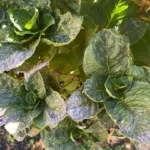 PestChilli thripsScirtothrips dorsalis Hood
 DiseaseAster yellows‘Candidatus Phytoplasma asteris’
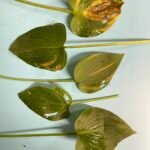 PestStrawberry foliar nematodeAphelenchoides fragariae
 DiseaseMaple powdery mildewSawadaea bicornis
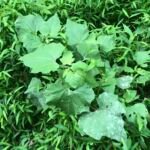 DiseaseCucurbit Powdery MildewPodosphaera xanthii (Castagne) U. Braun & Shishkoff
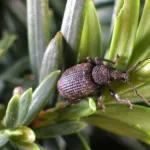 PestBlack Vine WeevilOtiorhynchus sulcatus
Toxicity and pollen
RHS lists this cultivar as potentially harmful if eaten by pets and notes skin-allergen potential during handling. The principal precaution is to avoid ingestion and wear gloves if the foliage or stems cause irritation. Keep prunings away from children and animals.
- Typical season
- Late spring through summer during flowering
- Pollination / pollen
- Insect-dispersed pollen
Hydrangea flowers are insect-pollinated and their pollen is not generally released as a large airborne cloud. This supports a low airborne-pollen classification, but sensitive individuals may still react to plant contact or garden exposure, and the evidence is not sufficient to claim zero allergy risk.
Native habitat
The cultivar is horticultural rather than a wild habitat type. Its species background is associated with moist, temperate woodland margins and coastal or montane environments in Japan and nearby regions. Garden performance is best in fertile soils that remain evenly moist but are not waterlogged.
Interesting fact
‘Altona’ was introduced in Germany in 1931 by Heinrich Schadendorf. It is closely associated with the historic mophead group and is often confused with similar cultivars such as ‘Europa’ and ‘Hamburg’. Its flower color is strongly influenced by soil chemistry, and the cultivar has received the RHS Award of Garden Merit.
Frequently asked questions (FAQ)
The most relevant questions about this plant, with short and direct answers.
🌱Quick care
How do you care for Hydrangea macrophylla 'Altona'?⌄
Grow Hydrangea macrophylla 'Altona' in morning sun or partial shade, evenly moist fertile soil, and a protected location. Water deeply during dry periods and avoid letting the root zone dry out.
Is Hydrangea macrophylla 'Altona' a mophead or lacecap hydrangea?⌄
Hydrangea macrophylla 'Altona' is a mophead, or hortensia-type, hydrangea with rounded flower heads made mostly of showy sterile florets.
How big does Hydrangea macrophylla 'Altona' get?⌄
Hydrangea macrophylla 'Altona' typically reaches about 2 to 5 feet tall and 3 to 5 feet wide, depending on climate and growing conditions. It generally forms a compact, bushy shrub.
🌤️Environment and placement
How much sun does Hydrangea macrophylla 'Altona' need?⌄
Give Hydrangea macrophylla 'Altona' morning sun or partial shade. It can tolerate more sun if the soil stays reliably moist, but hot afternoon sun may scorch leaves or cause wilting.
What is the best soil for Hydrangea macrophylla 'Altona'?⌄
Plant Hydrangea macrophylla 'Altona' in moist, fertile, well-drained loam, clay, or amended sandy soil. Incorporate organic matter if the soil is poor, compacted, or dries quickly.
Can Hydrangea macrophylla 'Altona' grow in clay soil?⌄
Yes, Hydrangea macrophylla 'Altona' can grow in clay soil if it is improved with organic matter and drains adequately. Avoid planting where water remains stagnant around the roots.
Is Hydrangea macrophylla 'Altona' hardy in the United States?⌄
Hydrangea macrophylla 'Altona' is best treated as a protected bigleaf hydrangea, because winter cold can kill the old stems and flower buds. Its dependable outdoor performance varies by local climate, exposure, and winter protection.
💧Care and problems
How often should you water Hydrangea macrophylla 'Altona'?⌄
Water Hydrangea macrophylla 'Altona' whenever the top inch of soil begins to dry, especially during hot or windy weather. Apply water slowly and deeply rather than giving frequent shallow sprinklings.
Why is Hydrangea macrophylla 'Altona' wilting?⌄
Wilting is usually caused by dry soil, excessive heat, or root stress from poor drainage. Check soil moisture first, then provide deep watering and afternoon shade while correcting drainage problems if the soil stays saturated.
Why is Hydrangea macrophylla 'Altona' not flowering?⌄
The most common causes are winter damage to flower buds, pruning at the wrong time, insufficient light, or drought stress. Because this mophead flowers mainly on older stems, avoid cutting healthy stems heavily before the next bloom season.
What pests and diseases affect Hydrangea macrophylla 'Altona'?⌄
Hydrangea macrophylla 'Altona' may be affected by aphids, scale insects, vine weevils, leaf spot, powdery mildew, and gray mold. Good air circulation, careful watering, and removal of badly affected foliage help reduce problems.
Should you fertilize Hydrangea macrophylla 'Altona'?⌄
Fertilize Hydrangea macrophylla 'Altona' only when growth is weak or soil fertility is low, using a balanced slow-release fertilizer in spring. Avoid excessive nitrogen, which can produce leaves at the expense of flowers.
🪴Planting and repotting
When is the best time to plant Hydrangea macrophylla 'Altona'?⌄
Plant Hydrangea macrophylla 'Altona' in spring or fall when the soil is workable and temperatures are moderate. Spring planting is preferable in colder regions so roots can establish before winter.
Can Hydrangea macrophylla 'Altona' be grown in a container?⌄
Yes, Hydrangea macrophylla 'Altona' can be grown in a large container with drainage holes and moisture-retentive, well-drained potting mix. Containers require more frequent watering and extra winter protection than plants in the ground.
How do you plant Hydrangea macrophylla 'Altona' in the ground?⌄
Set Hydrangea macrophylla 'Altona' at the same depth it was growing in its nursery container, backfill with amended soil, and water thoroughly. Mulch the root zone with about 2 to 3 inches of organic mulch, keeping it away from the stems.
✂️Propagation and pruning
How do you prune Hydrangea macrophylla 'Altona'?⌄
Prune Hydrangea macrophylla 'Altona' lightly after flowering or in mid-spring by removing spent flower heads just above a strong pair of buds. Remove dead or damaged stems at the base, but avoid cutting back healthy old wood unnecessarily.
Can you cut Hydrangea macrophylla 'Altona' back to the ground?⌄
You can cut Hydrangea macrophylla 'Altona' to the ground after severe winter damage, but it may produce few or no flowers the following season. The plant normally flowers on older stems, so hard pruning removes potential flower buds.
How do you propagate Hydrangea macrophylla 'Altona'?⌄
Propagate Hydrangea macrophylla 'Altona' most reliably from softwood cuttings taken during active growth. Root the cuttings in a sterile, evenly moist medium under bright, indirect light and high humidity.
⚠️Toxicity and safety
Is Hydrangea macrophylla 'Altona' toxic to people or pets?⌄
Hydrangea macrophylla 'Altona' may be harmful if eaten and its foliage may irritate sensitive skin. Keep pets and children from chewing the plant, and wear gloves when handling it if you are prone to skin irritation.
🌸Flowering and special interest
What color are the flowers of Hydrangea macrophylla 'Altona'?⌄
The flowers of Hydrangea macrophylla 'Altona' may range from rose-pink to mauve or deep blue-purple, depending largely on soil acidity and available aluminum. Color can also vary with climate and growing conditions.
How do you make Hydrangea macrophylla 'Altona' blue?⌄
To encourage bluer flowers, grow Hydrangea macrophylla 'Altona' in acidic soil and use an appropriate aluminum sulfate product according to its label. Results are limited in strongly alkaline soil and may take more than one season.
When does Hydrangea macrophylla 'Altona' bloom?⌄
Hydrangea macrophylla 'Altona' generally blooms from early or mid-summer into late summer, with flower heads often aging into red or antique tones in fall. The exact timing depends on climate and winter survival of the flower buds.
Can you use Hydrangea macrophylla 'Altona' flowers as cut flowers?⌄
Yes, the large flower heads of Hydrangea macrophylla 'Altona' are suitable for fresh or dried arrangements. Cut stems when the florets are well developed, and allow some older flower heads to remain for seasonal interest.
Similar plants
 Hoya pubicalyx care guideHoya pubicalyx
 Hydrangea ‘Aspera Villosa’Hydrangea 'Aspera Villosa'
 Hoya macrophylla care guideHoya macrophylla
 Shooting star hoya (Hoya multiflora) care guideHoya multiflora
 Hoya wayetii care guideHoya wayetii
 Annabelle Hydrangea (Hydrangea arborescens ‘Annabelle’)Hydrangea arborescens 'Annabelle'