
 Source:
 Annabelle Hydrangea (Hydrangea arborescens ‘Annabelle’) short overview
Hydrangea arborescens 'Annabelle' is a classic smooth hydrangea cultivar grown for its exceptionally large, rounded white flower heads. This deciduous shrub blooms on new wood, so late-winter pruning is dependable and forgiving. It performs best in evenly moist, organically enriched soil with morning sun, filtered light, or partial shade, and it is widely used in borders, woodland-style plantings, containers, and cut-flower arrangements across the United States.
Taxonomic classification
Annabelle Hydrangea (Hydrangea arborescens ‘Annabelle’) care guide
Light and placement
Grow in morning sun, filtered light, or partial shade. In cooler climates it can tolerate more sun if the soil stays evenly moist; in hot regions protect it from intense afternoon sun. Too much sun or drought causes midday wilt, leaf scorch, and faded foliage, while too little light can produce weaker stems and fewer flowers.
Watering and humidity
Water deeply when the upper inch of soil begins to dry, keeping the root zone evenly moist rather than constantly saturated. Increase frequency during heat, drought, and the first growing season. Mulch with organic material to moderate soil temperature and reduce evaporation, while keeping mulch away from the stems.
Soil and growing medium
Use fertile, moisture-retentive soil that still drains freely. Loam amended with compost or leaf mold is suitable. The plant tolerates mildly acidic through mildly alkaline conditions, and soil pH does not control the white flower color. Avoid chronically waterlogged sites and very dry, compacted soil.
Feeding
Apply a thin layer of compost or a balanced, slow-release shrub fertilizer in early spring as growth begins. Avoid heavy nitrogen applications, which can produce soft leafy growth and weaker flowering stems. Do not fertilize drought-stressed, newly transplanted, or dormant plants until they are actively growing.
Growth and habit
A multi-stemmed shrub that can sucker from the roots and gradually form a broad clump. Stems may arch or flop under the weight of rain-soaked flower heads, especially after hard pruning. Support, selective thinning, or less severe annual cutting can help maintain a more upright display.
Planting and repotting
Plant in spring or fall, setting the root ball level with the surrounding soil. Water deeply after planting and maintain consistent moisture during the first growing season. Allow roughly 4 to 6 feet between plants when a full mature spread is desired; closer spacing creates a denser mass planting.
Repot container plants in early spring when roots fill the pot, moving up only one or two sizes. Use a quality moisture-retentive potting mix with reliable drainage. Container-grown plants need more frequent watering and winter root protection than shrubs planted in the ground.
Propagation and pruning
Propagation
Softwood cuttings in late spring or early summer root readily under warm, humid conditions. Hardwood cuttings taken during dormancy and simple layering are also practical. Named-cultivar plants should be propagated vegetatively to preserve the cultivar identity.
Pruning
Because flowers form on new wood, prune in late winter or early spring before vigorous growth begins. Cut stems back to about 12–24 inches for a compact, vigorous plant, or prune less severely to retain stronger basal stems that better support large flower heads. Remove weak or damaged wood first.
Overwintering
Plants in USDA Zones 3–9 generally overwinter outdoors. Leave some spent flower heads for winter structure, then prune before spring growth. In colder or exposed sites, apply an organic mulch over the root zone after the ground cools. Container plants need insulation around the pot because roots are less protected than those in the ground.
Uses
Primarily an ornamental shrub for borders, woodland gardens, foundation plantings, containers, and fresh or dried flower arrangements. Its large white heads provide strong visual contrast in shaded settings. It is not an edible plant, and ingestion should be discouraged because hydrangea tissues contain cyanogenic compounds.
Appearance
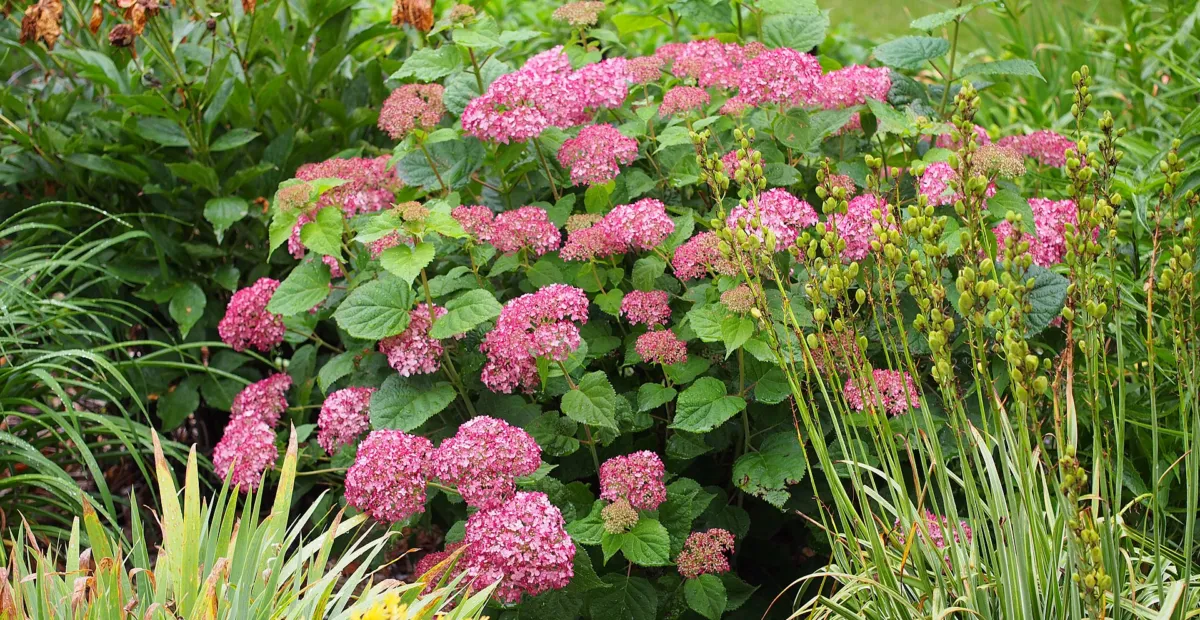
The plant forms a broad, multi-stemmed shrub with opposite, medium to dark green ovate leaves that have serrated margins. Young stems are green to brown and older stems develop exfoliating bark, contributing to the smooth hydrangea common name. Large white rounded flower heads are the principal identification feature.
Flowering
This cultivar produces large, rounded clusters composed mainly of showy, sterile white florets. Flower heads emerge greenish, become white, and gradually age toward tan or brown. Blooming begins in early to midsummer and may continue sporadically into late summer or early fall, especially after adequate moisture and favorable growth.
Pollination and visitors
The cultivar’s rounded heads are dominated by showy sterile florets, so reliable cultivar-specific evidence for animal pollinator attraction is limited. Any small fertile florets present may be visited opportunistically, but the available evidence does not support assigning a specific visitor group or strong attraction rating.
Hydrangea arborescens 'Annabelle' photos
Click any photo for a larger view. Source, author and license are shown separately.
Diseases and pests
Diseases
Prevent disease by providing air circulation, watering at the soil line, and removing heavily infected foliage. Powdery mildew, leaf spots, bacterial blight, and botrytis can occur under humid, crowded, or persistently wet conditions. Sanitize pruners and avoid unnecessary overhead irrigation.
Pests
Common problems include aphids, scale, spider mites, deer browsing, and occasional Japanese beetles. Inspect new growth and leaf undersides, encourage beneficial insects, and use a strong water spray for minor infestations. Treat only when damage is significant, following the product label.
Related diseases and pests
Only Plant Doctor profiles whose host data indicate this plant may be affected are shown here.
 DiseaseGray MoldBotrytis cinerea
 PestCyclamen mitePhytonemus pallidus
 PestChilli thripsScirtothrips dorsalis Hood
 DiseaseAster yellows‘Candidatus Phytoplasma asteris’
 PestStrawberry foliar nematodeAphelenchoides fragariae
 PestJapanese beetlePopillia japonica
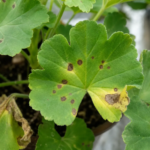 DiseaseBacterial blight of geraniumXanthomonas hortorum pv. pelargonii
 DiseaseMaple powdery mildewSawadaea bicornis
Toxicity and pollen
Hydrangeas contain cyanogenic glycosides, and ingestion of leaves, flowers, stems, or other plant material can cause gastrointestinal upset. Serious cyanide poisoning is considered uncommon, but children and pets should not chew the plant. Seek medical or veterinary advice after significant ingestion or if symptoms develop.
- Typical season
- Late spring through summer
- Pollination / pollen
- Limited airborne release expected; cultivar-specific data unavailable
This is an insect-pollinated flowering shrub, but dependable cultivar-specific measurements of airborne pollen and allergy risk were not located. The conspicuous white heads are not evidence of high airborne pollen exposure. People with known plant allergies should still avoid direct contact if irritation occurs.
Native habitat
The species is native to eastern and central North America, where it occurs in moist woodland edges, stream margins, ravines, and rocky slopes. It favors humus-rich soils and dependable moisture, but the cultivar is adaptable to ordinary garden soil when drainage is adequate.
Interesting fact
‘Annabelle’ was selected from a smooth hydrangea population associated with Anna, Illinois, and became one of the best-known cultivars of the species. Unlike bigleaf hydrangeas, it flowers on current-season stems, so winter cold does not remove next summer’s flower buds. Its heavy flower heads can bend stems after rain.
Frequently asked questions (FAQ)
The most relevant questions about this plant, with short and direct answers.
🌱Quick care
How do you care for an Annabelle hydrangea?⌄
Grow Annabelle hydrangea in sun to partial shade, fertile well-drained soil, and evenly moist conditions. Water regularly, especially during heat or drought, and mulch the root zone to conserve moisture.
How much sun does Hydrangea arborescens 'Annabelle' need?⌄
Annabelle hydrangea performs well in morning sun or partial shade, but it can tolerate full sun if the soil stays consistently moist. In deep shade, it may produce fewer flowers and weaker growth.
How often should I water an Annabelle hydrangea?⌄
Water Annabelle hydrangea whenever the soil surface begins to dry, providing a deep, thorough soaking rather than frequent light watering. Increase watering during hot, dry weather and after planting.
What USDA zones can Annabelle hydrangea grow in?⌄
Annabelle hydrangea is generally hardy across USDA Zones 3 through 9. Winter dieback in colder areas is usually not fatal because this cultivar flowers on new growth.
🌤️Environment and placement
Can Annabelle hydrangea grow in full shade?⌄
Annabelle hydrangea can survive in fairly shady conditions, but full shade usually reduces flowering and may produce a less vigorous plant. Bright filtered light or several hours of gentle sun is preferable.
Can Annabelle hydrangea grow in full sun?⌄
Yes, Annabelle hydrangea can grow in full sun when supplied with regular, even moisture. Afternoon shade is helpful in hot climates because dry soil and intense heat can cause wilting and leaf scorch.
What type of soil does Annabelle hydrangea prefer?⌄
Annabelle hydrangea prefers fertile, moisture-retentive, well-drained soil. Improve poor soil with organic matter, but avoid sites that remain waterlogged because saturated roots can decline.
How big does Annabelle hydrangea get?⌄
Annabelle hydrangea typically grows about 3 to 5 feet tall and 4 to 6 feet wide. Give it enough room to develop its naturally rounded form without crowding nearby plants.
Can Annabelle hydrangea grow under trees?⌄
Annabelle hydrangea can grow beneath trees if it receives adequate filtered light and enough water. Avoid planting directly in a dense root zone where tree roots compete strongly for moisture.
💧Care and problems
Why is my Annabelle hydrangea wilting?⌄
Wilting is most often caused by dry soil, heat, transplant stress, or root competition. Check the soil several inches below the surface, water deeply, and maintain a mulch layer without piling it against the stems.
Why is my Annabelle hydrangea not blooming?⌄
Insufficient light, drought stress, young age, excessive nitrogen, or severe environmental stress can reduce blooming. Because Annabelle flowers on new growth, ordinary winter damage or late-winter pruning usually does not prevent flowers.
Why are my Annabelle hydrangea stems falling over?⌄
The large flower heads can weigh down Annabelle hydrangea stems, especially after rain. Use discreet supports, grow it where surrounding plants can help support the stems, or prune selectively to encourage sturdier growth.
Should I fertilize Annabelle hydrangea?⌄
Annabelle hydrangea usually needs little fertilizer when grown in fertile soil. If growth is weak, apply a light, balanced slow-release fertilizer in spring according to the product label, and avoid excess nitrogen that can reduce flowering.
What pests and diseases affect Annabelle hydrangea?⌄
Annabelle hydrangea may occasionally develop powdery mildew, gray mold, leaf spots, or root problems in poorly drained soil. Good air circulation, appropriate watering, removal of diseased foliage, and well-drained soil help limit problems.
🪴Planting and repotting
When is the best time to plant Annabelle hydrangea?⌄
Plant Annabelle hydrangea in spring or fall when temperatures are moderate and the soil can be worked. Spring planting is especially useful in colder regions, while fall planting allows roots to establish before summer heat.
How far apart should Annabelle hydrangeas be planted?⌄
Space Annabelle hydrangeas about 4 to 6 feet apart, depending on the desired density and local growing conditions. Use the wider spacing for mature, individual specimens and the closer spacing for a fuller grouping.
Can Annabelle hydrangea be grown in a container?⌄
Annabelle hydrangea can be grown temporarily in a large container, but its mature size and moisture needs make in-ground planting easier. Choose a sturdy pot with drainage holes and monitor watering closely because containers dry out quickly.
Can I transplant an established Annabelle hydrangea?⌄
Yes, an established Annabelle hydrangea can be transplanted, preferably during dormancy in early spring or fall. Dig a wide root ball, replant it at the original depth, and keep the soil evenly moist while it reestablishes.
✂️Propagation and pruning
When should I prune Annabelle hydrangea?⌄
Prune Annabelle hydrangea in late winter or early spring before new growth begins. It flowers on new wood, so dormant-season pruning generally does not remove the coming season’s flower buds.
Can I cut Annabelle hydrangea back to the ground?⌄
Yes, Annabelle hydrangea can be cut back severely in late winter or early spring because it blooms on new growth. However, leaving some sturdy stems, rather than removing everything, may provide better support for large flower heads.
How do I propagate Annabelle hydrangea from cuttings?⌄
Propagate Annabelle hydrangea from softwood cuttings taken in late spring or early summer. Keep the cuttings humid in a porous rooting medium and provide bright, indirect light until roots develop.
Can Annabelle hydrangea be propagated by layering?⌄
Yes, layering is a practical way to propagate Annabelle hydrangea. Bend a flexible low branch to the soil, lightly wound or bury a node, secure it in place, and separate it after roots form.
⚠️Toxicity and safety
Is Annabelle hydrangea poisonous to dogs and cats?⌄
Yes, Annabelle hydrangea is considered toxic if eaten by dogs, cats, or horses. Ingestion commonly causes gastrointestinal upset such as vomiting or diarrhea, so contact a veterinarian or animal poison-control service if a pet consumes it.
Is Annabelle hydrangea poisonous to humans?⌄
Annabelle hydrangea should not be eaten and may cause illness if ingested. Keep plant parts away from children, and contact Poison Control at 1-800-222-1222 in the United States if ingestion occurs.
🌸Flowering and special interest
When does Annabelle hydrangea bloom?⌄
Annabelle hydrangea usually blooms from early or midsummer into late summer, with timing varying by climate. Its large white flower clusters can remain attractive for weeks before gradually aging to greenish or brown tones.
Does Annabelle hydrangea bloom on old wood or new wood?⌄
Annabelle hydrangea blooms on new wood produced during the current growing season. This is why late-winter or early-spring pruning generally does not prevent flowering.
Do Annabelle hydrangea flowers change color?⌄
Annabelle hydrangea flowers are primarily white and do not turn blue or pink in response to soil acidity like many bigleaf hydrangeas. The flower heads may age toward green, cream, or brown as the season progresses.
How large do Annabelle hydrangea flowers get?⌄
Annabelle hydrangea can produce rounded white flower heads roughly 8 to 12 inches across under favorable conditions. Large heads are more likely when the plant receives adequate moisture, light, and fertility.
Can I use Annabelle hydrangea flowers as cut flowers?⌄
Yes, Annabelle hydrangea flowers make useful fresh or dried cut flowers. Harvest mature flower heads with strong stems, remove lower foliage, and condition the stems in water before arranging.
Similar plants
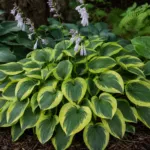 Hosta ‘Yellow Polka Dot Bikini’Hosta 'Yellow Polka Dot Bikini'
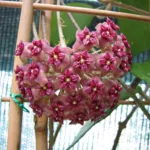 Hoya macrophylla care guideHoya macrophylla
 Shooting star hoya (Hoya multiflora) care guideHoya multiflora
 Heart Hoya (Hoya kerrii) care guideHoya kerrii
 Compacta (Hoya carnosa ‘Compacta’)Hoya carnosa 'Compacta'
 Hoya wayetii care guideHoya wayetii