
 Source:
Hamburg mophead hydrangea (Hydrangea macrophylla ‘Hamburg’) short overview
Hydrangea macrophylla 'Hamburg' is a classic deciduous mophead hydrangea with large rounded flowerheads that shift from deep blue or rose-purple to wine-red tones. It performs best in moist, rich, well-drained soil and partial shade, with protection from drying winds and late spring cold. This German cultivar is useful for borders, containers, hedges and dried arrangements. A classic German mophead cultivar with large rounded flowerheads, dark green toothed foliage and color that changes with soil conditions. 'Hamburg' is best in moist, rich, well-drained soil with morning sun or partial shade.
Taxonomic classification
Hamburg mophead hydrangea (Hydrangea macrophylla ‘Hamburg’) care guide
Light and placement
Provide morning sun with afternoon shade or bright partial shade, especially in hot US climates. An east-facing site is often ideal; a north-facing site can work in warmer regions. Full sun is tolerated only when soil stays reliably moist. Scorching leaf edges, afternoon wilt and faded foliage indicate excessive exposure or drought; weak growth and sparse flowering may indicate too much shade.
Watering and humidity
Water deeply when the upper inch of soil begins to dry, directing water to the root zone rather than the leaves. Maintain steady moisture during bud formation and summer heat, using mulch to reduce evaporation. Container plants may need frequent checks in hot or windy weather. Do not allow the root zone to remain saturated.
Soil and growing medium
Use rich, moisture-retentive but well-drained soil. Loam amended with compost is suitable; clay should be improved with organic matter, while sandy soil benefits from compost and mulch. Acidic soil can encourage blue to purplish flowers, whereas neutral or more alkaline conditions tend to produce pinker or deeper rose tones. Avoid chronically waterlogged ground.
Feeding
Apply a balanced slow-release fertilizer or a modest layer of finished compost in spring as growth begins. Feed lightly; excessive nitrogen encourages leafy growth at the expense of sturdy flowering. Avoid late-summer fertilization, which can stimulate tender growth before winter. Do not use soil-acidifying products unless a soil test and desired flower color justify them.
Growth and habit
A rounded, bushy shrub that develops a dense framework of shoots and broad leaves. Flower buds are carried on older wood, so severe cutting back can remove the following season’s display. Consistent moisture, mulch and shelter from wind help maintain strong stems and reduce midday wilt.
Planting and repotting
Plant in spring after severe frost or in early fall, allowing enough time for root establishment before winter. Set the root ball level with the surrounding soil, water deeply, and mulch with organic matter without covering the stems. Space plants about 4–6 feet apart for a continuous planting, depending on local vigor and desired density.
Repot container plants in spring when roots have filled the pot, moving up one container size at a time. Use a moisture-retentive, well-drained potting mix and ensure generous drainage holes. Refresh the upper layer of mix annually if the plant is not root-bound.
Propagation and pruning
Propagation
Propagate from softwood cuttings in early summer or hardwood cuttings during the dormant season. Take healthy nonflowering shoots, keep the medium evenly moist, and provide bright filtered light and high humidity until roots form. Cultivar seedlings will not reliably reproduce 'Hamburg' true to type.
Pruning
Prune lightly after flowering or in late winter to early spring by removing spent heads and the oldest or weakest stems. Retain healthy older wood because traditional bigleaf hydrangeas commonly flower on previous-season growth. Avoid cutting the whole plant to the ground unless renovating a damaged specimen, as this can eliminate flower buds.
Overwintering
Leave established plants outdoors in suitable climates. Apply a 2–3 inch mulch layer after the ground cools, keeping it away from the stems. In colder or exposed zone 6 locations, protect the root zone and flower-bearing branches from drying wind and severe freezes; container plants are more vulnerable and should be sheltered.
Uses
Useful as a specimen, foundation shrub, informal hedge, border plant, patio container subject and cut or dried flower. It is especially effective in sheltered woodland-style plantings where its large flowerheads provide summer structure. Do not use it as food or for self-medication because ingestion can be harmful.
Appearance
The plant has dark green, glossy, broadly ovate leaves with pronounced teeth and a dense, rounded outline. Large mophead flowerheads dominate the summer display and may age through blue, purple, rose and wine-red tones. The cultivar is recognized by its classic full-headed inflorescences and strong visual mass rather than by unusual foliage or stems.
Flowering
This mophead cultivar produces rounded terminal flowerheads composed mainly of showy sterile florets, with smaller fertile flowers within the cluster. Flower color varies with soil chemistry, commonly ranging from deep blue or purplish-blue in acidic conditions to rose, carmine-pink, or wine-red tones in less acidic soil. Flowerheads may retain color into autumn and dry well.
Pollination and visitors
The showy sterile florets dominate the mophead display, so animal visitation is generally limited compared with open lacecap types that expose more fertile flowers. Small bees may visit the less conspicuous fertile flowers within the head, but this cultivar should not be treated as a primary pollinator plant.
Hydrangea macrophylla 'Hamburg' photos
Click any photo for a larger view. Source, author and license are shown separately.
Diseases and pests
Diseases
Watch for leaf spot, powdery mildew, gray mold, bacterial problems and occasional honey fungus. Reduce leaf wetness, improve air circulation, remove diseased debris and avoid overhead irrigation. Gray mold is more likely during cool, persistently wet weather; remove affected tissue and correct excess moisture.
Pests
Aphids, scale insects, vine weevils and capsid bugs may occur. Inspect new growth and leaf undersides, especially on container plants. Encourage beneficial insects, wash off light infestations, and use targeted treatments only when necessary. Avoid persistent drought stress, which can increase pest pressure and leaf damage.
Related diseases and pests
Only Plant Doctor profiles whose host data indicate this plant may be affected are shown here.
 DiseaseGray MoldBotrytis cinerea
 PestCyclamen mitePhytonemus pallidus
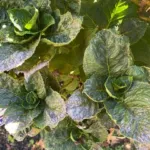 PestChilli thripsScirtothrips dorsalis Hood
 DiseaseAster yellows‘Candidatus Phytoplasma asteris’
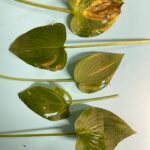 PestStrawberry foliar nematodeAphelenchoides fragariae
 DiseaseMaple powdery mildewSawadaea bicornis
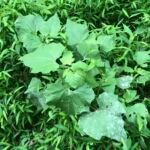 DiseaseCucurbit Powdery MildewPodosphaera xanthii (Castagne) U. Braun & Shishkoff
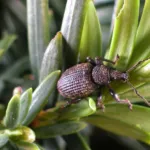 PestBlack Vine WeevilOtiorhynchus sulcatus
Toxicity and pollen
Hydrangea macrophylla is listed by recognized horticultural safety references as potentially harmful if eaten and capable of causing skin irritation or allergy in sensitive people. Keep plant material away from children and pets, avoid ingestion, and wear gloves when pruning if skin is reactive. Serious poisoning is not expected from ordinary garden contact, but veterinary or medical advice is appropriate after significant ingestion.
- Typical season
- Summer
- Pollination / pollen
- Insect-dispersed pollen; limited airborne exposure
As an insect-pollinated flowering shrub, it is not generally considered a major source of airborne pollen. The conspicuous mophead florets are largely sterile, while fertile flowers are enclosed within the inflorescence. Sensitive individuals can still react to plant contact or nearby flowering vegetation, so low airborne pollen relevance should not be interpreted as a guarantee of allergy-free handling.
Native habitat
Hydrangea macrophylla is associated with moist woodland margins, coastal areas and mountainous habitats in Japan, with the species also cultivated and naturalized in other regions. The cultivar requires garden conditions that imitate those settings: organic soil, steady moisture, moderate summer temperatures and protection from harsh exposure.
Interesting fact
The cultivar was introduced in Germany in the early 20th century and is associated with the classic European mophead tradition. Its flower color is strongly influenced by soil chemistry, especially acidity and available aluminum. The large flowerheads often transition toward wine-red tones as they age and can be dried for arrangements.
Frequently asked questions (FAQ)
The most relevant questions about this plant, with short and direct answers.
🌱Quick care
How do I care for Hydrangea macrophylla 'Hamburg'?⌄
Grow it in morning sun or partial shade, rich moist well-drained soil, and keep the root zone evenly moist. Protect it from harsh afternoon heat, drying wind, and severe winter exposure.
Is Hydrangea macrophylla 'Hamburg' a mophead hydrangea?⌄
Yes, Hydrangea macrophylla 'Hamburg' is a mophead hydrangea with rounded flower clusters. Its blooms can range from deep rose to purplish-blue depending partly on soil conditions.
How big does Hydrangea macrophylla 'Hamburg' get?⌄
Hydrangea macrophylla 'Hamburg' typically grows about 3 to 5 feet tall and wide. Its mature size can vary with climate, moisture, pruning, and growing conditions.
🌤️Environment and placement
What light does Hydrangea macrophylla 'Hamburg' need?⌄
Provide morning sun or partial shade for the best balance of flowering and leaf protection. It can tolerate more sun when the soil stays reliably moist, but intense afternoon sun may cause wilting or leaf scorch.
Can Hydrangea macrophylla 'Hamburg' grow in full sun?⌄
It can grow in full sun in mild climates if the soil remains consistently moist, but partial shade is safer. In hot U.S. regions, morning sun with afternoon shade usually reduces stress.
What USDA zones are suitable for Hydrangea macrophylla 'Hamburg'?⌄
Hydrangea macrophylla 'Hamburg' is generally listed for roughly USDA Zones 5 through 9. In colder areas, the shrub may survive while flower buds are damaged by winter cold.
What soil is best for Hydrangea macrophylla 'Hamburg'?⌄
Use rich, moisture-retentive, well-drained loam amended with organic matter. The plant can tolerate acidic, neutral, or alkaline soil, although soil chemistry can influence flower color.
Does Hydrangea macrophylla 'Hamburg' need acidic soil?⌄
No, it does not require acidic soil to grow well. Acidic soil may encourage bluer or purpler flowers, while less acidic or alkaline soil generally favors pinker tones.
💧Care and problems
How often should I water Hydrangea macrophylla 'Hamburg'?⌄
Water whenever the top inch of soil begins to dry, keeping the root zone evenly moist but not waterlogged. Newly planted shrubs and plants in hot weather may need watering several times per week.
Why is my Hydrangea macrophylla 'Hamburg' wilting?⌄
Wilting is usually caused by heat, dry soil, excessive sun, or root damage from saturated soil. Check moisture several inches below the surface and improve drainage if the soil remains soggy.
Why are the leaves of Hydrangea macrophylla 'Hamburg' turning brown?⌄
Brown leaf edges or patches commonly result from drought, intense afternoon sun, wind, or heat stress. Keep the soil evenly moist, apply mulch, and provide afternoon protection in hot locations.
Why is Hydrangea macrophylla 'Hamburg' not blooming?⌄
The most common causes are winter-damaged flower buds, pruning at the wrong time, insufficient light, or plant stress. Because this bigleaf hydrangea may flower on older stems, avoid heavy pruning after midsummer.
What pests affect Hydrangea macrophylla 'Hamburg'?⌄
Possible pests include aphids, scale insects, vine weevils, and capsid bugs. Inspect new growth and leaf undersides regularly, and address infestations early with appropriate control methods.
What diseases can affect Hydrangea macrophylla 'Hamburg'?⌄
It may develop leaf spot, powdery mildew, gray mold, or occasional root problems. Good air circulation, careful watering at the soil line, and well-drained soil help reduce disease pressure.
🪴Planting and repotting
When should I plant Hydrangea macrophylla 'Hamburg'?⌄
Plant it in spring or early fall, when soil moisture is dependable and temperatures are moderate. Avoid planting during periods of extreme heat, drought, or frozen ground.
How far apart should I plant Hydrangea macrophylla 'Hamburg'?⌄
Space plants about 4 to 5 feet apart when you want room for their mature spread. For a denser hedge-like effect, spacing can be slightly closer, but air circulation should be preserved.
Can Hydrangea macrophylla 'Hamburg' grow in a container?⌄
Yes, it can grow in a large container with drainage holes and moisture-retentive potting mix. Choose a container at least 18 to 24 inches wide and protect the roots from severe winter freezing.
How do I mulch Hydrangea macrophylla 'Hamburg'?⌄
Apply a 2- to 3-inch layer of shredded bark, compost, or leaf mold over the root zone. Keep mulch a few inches away from the stems to reduce crown and stem-rot risk.
✂️Propagation and pruning
How do I propagate Hydrangea macrophylla 'Hamburg'?⌄
Propagate it most reliably from softwood cuttings taken in early summer or hardwood cuttings taken during dormancy. Use clean tools, a sterile rooting medium, and steady moisture while roots develop.
When should I prune Hydrangea macrophylla 'Hamburg'?⌄
Prune lightly after flowering by removing spent flower heads and weak or damaged stems. Avoid cutting back healthy older stems heavily because they may carry next season’s flower buds.
How do I prune an overgrown Hydrangea macrophylla 'Hamburg'?⌄
After flowering, remove up to about one-quarter to one-third of the oldest stems at ground level. Staged renewal pruning is safer than cutting the entire shrub back at once.
⚠️Toxicity and safety
Is Hydrangea macrophylla 'Hamburg' poisonous to dogs and cats?⌄
Yes, it can be harmful if eaten by pets and may cause gastrointestinal upset. Keep pets from chewing the foliage, flowers, or stems and contact a veterinarian if ingestion occurs.
Is Hydrangea macrophylla 'Hamburg' poisonous to people?⌄
It is potentially harmful if eaten and may irritate sensitive skin. Wear gloves when handling the plant and keep cuttings and plant parts away from children.
🌸Flowering and special interest
When does Hydrangea macrophylla 'Hamburg' bloom?⌄
It generally blooms in summer, producing rounded flower heads up to about 8 inches across. The exact timing depends on climate, winter conditions, plant age, and the season’s growing conditions.
What color are Hydrangea macrophylla 'Hamburg' flowers?⌄
The flowers may be deep rose, pinkish-purple, purple, or bluish-purple. Soil pH, available aluminum, water chemistry, and local growing conditions can shift the color.
How can I make Hydrangea macrophylla 'Hamburg' flowers bluer?⌄
Test the soil first, then gradually lower the pH with a labeled soil-acidifying product if appropriate. Blue color also requires available aluminum, and results may take more than one growing season.
How can I make Hydrangea macrophylla 'Hamburg' flowers pinker?⌄
A less acidic soil generally encourages pinker flowers, but change soil chemistry only after testing. The cultivar’s genetics, existing soil, and water chemistry limit how predictable the final color will be.
Do Hydrangea macrophylla 'Hamburg' flowers change color as they age?⌄
Yes, the flower heads may shift in tone as they mature and fade, often developing muted purple, green, or antique shades. The starting color is also influenced by soil chemistry and growing conditions.
Similar plants
 Hydrangea ‘Anomala Petiolaris’Hydrangea 'Anomala Petiolaris'
 Generale Vicomtesse de Vibraye (Hydrangea macrophylla ‘Generale Vicomtesse de Vibraye’)Hydrangea macrophylla 'Generale Vicomtesse de Vibraye'
 Blue Danube (Hydrangea macrophylla ‘Blue Danube’)Hydrangea macrophylla 'Blue Danube'
 Hydrangea ‘Aspera Villosa’Hydrangea 'Aspera Villosa'
 Glowing Embers (Hydrangea macrophylla ‘Glowing Embers’)Hydrangea macrophylla 'Glowing Embers'
 Altona (Hydrangea macrophylla ‘Altona’)Hydrangea macrophylla 'Altona'