
 Source:
 Glowing Embers (Hydrangea macrophylla ‘Glowing Embers’) short overview
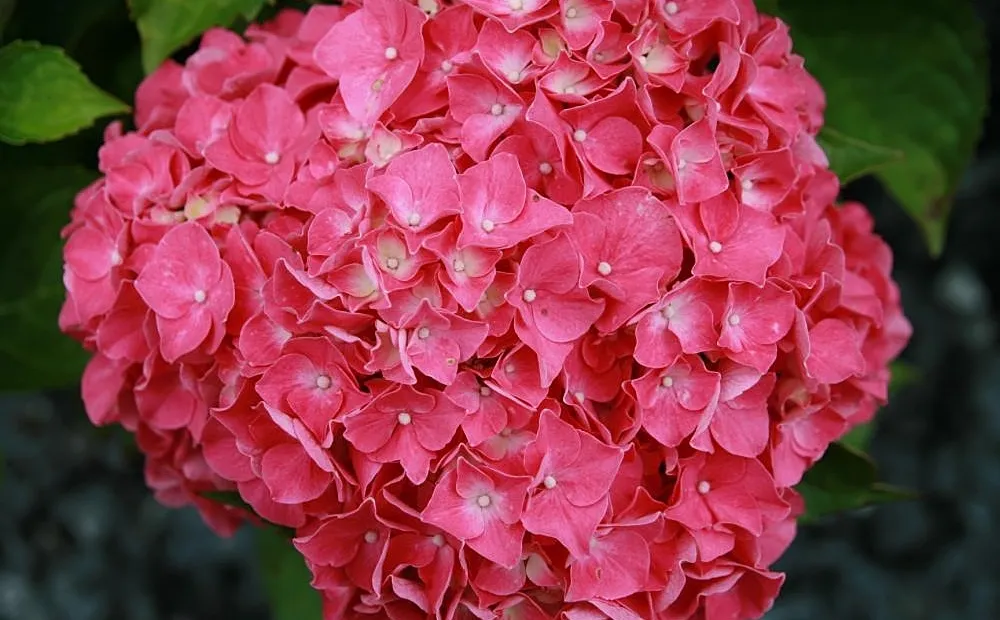
Hydrangea macrophylla 'Glowing Embers' is a compact, rounded bigleaf hydrangea prized for dense mophead clusters that open greenish to cream and mature through vivid rose-red, crimson, burgundy, or purple tones. Flower color varies with soil conditions. Glossy serrated leaves turn dark red in fall. Grow it in partial shade with rich, evenly moist, well-drained soil, and protect its old-wood flower buds from harsh winter weather.
Taxonomic classification
Glowing Embers (Hydrangea macrophylla ‘Glowing Embers’) care guide
Light and placement
Give morning sun or bright partial shade, especially in hot climates. It can tolerate full sun when soil remains consistently moist, but harsh afternoon sun may increase wilting, leaf scorch, and flower fading. Too little light produces weaker stems and fewer blooms; excessive shade can reduce flowering.
Watering and humidity
Water deeply when the upper inch of soil begins to dry, keeping the root zone evenly moist but not saturated. Increase frequency during hot, windy weather and container culture. Mulch about 2 inches deep to reduce evaporation, leaving a gap around the stems. Do not rely on brief surface sprinkling.
Soil and growing medium
Use rich, moisture-retentive but well-drained loam amended with compost or other organic matter. Avoid permanently waterlogged soil. Soil pH influences flower color: more acidic conditions can favor blue-purple tones, while neutral to alkaline conditions generally favor pink to red coloration. Test soil before adding amendments.
Feeding
Apply a balanced, slow-release fertilizer in spring as growth begins, following the product label, or top-dress with compost. Avoid heavy nitrogen feeding, which can produce lush foliage at the expense of flowering. Stop routine fertilizing by late summer so new growth can harden before winter.
Growth and habit
A compact, dense, rounded shrub with upright to arching stems. It flowers on old wood, so maintenance should focus on preserving healthy overwintered stems rather than routinely cutting the plant back. Drought stress commonly causes rapid wilting and can reduce flowering performance.
Planting and repotting
Plant in spring or fall, setting the root ball level with the surrounding soil. Space about 3–5 feet apart depending on the desired hedge density. Mulch with approximately 2 inches of organic material, keeping mulch away from the stems. Water consistently during the establishment period.
Repot container plants in early spring before active growth, moving up only one pot size. Refresh part of the growing medium while preserving the root ball, and use a sturdy container with drainage holes. Water thoroughly after repotting and provide temporary protection from afternoon sun.
Propagation and pruning
Propagation
Use softwood cuttings in late spring or early summer, or semi-hardwood cuttings later in the season. Take healthy nonflowering shoots, remove lower leaves, root in a sterile, evenly moist medium, and maintain high humidity until roots form. Cultivars are not reliably reproduced from seed.
Pruning
Prune lightly immediately after flowering, removing spent flower heads and only the oldest or damaged stems. Avoid hard pruning in fall, winter, or early spring because flower buds are formed on previous-season growth. In colder regions, wait until new growth begins before removing clearly dead wood.
Overwintering
Protect the plant from drying wind and severe cold, especially in Zones 6 and colder microclimates. Leave flower heads in place over winter if helpful for bud protection, and cover the shrub with breathable material during severe freezes. Do not prune old stems until winter damage is clear in spring.
Uses
Useful as a specimen, foundation shrub, mass planting, informal hedge, patio container plant, or source of fresh and dried flower heads. Its dense mophead form is primarily ornamental and generally provides less pollinator value than lacecap hydrangeas with more exposed fertile florets.
Appearance
The plant forms a dense rounded mound of broadly oval, glossy, serrated leaves. Large rounded mophead clusters dominate the summer display, while foliage may develop dark red autumn tones. Stems are woody and old-season growth is important because it carries many of the following year’s flower buds.
Flowering
This cultivar produces dense, rounded mophead inflorescences, generally blooming from early or mid-summer and sometimes giving a later flush. It flowers mainly on previous-season stems, so winter injury or late pruning can remove next season’s buds.
Pollination and visitors
The cultivar’s large mophead heads are dominated by showy sterile florets, so animal visitation is usually less substantial than on lacecap hydrangeas. Bees, bumblebees, butterflies, and other insects may visit the smaller fertile flowers when accessible, but this is not a top-tier pollinator plant.
Hydrangea macrophylla 'Glowing Embers' photos
Click any photo for a larger view. Source, author and license are shown separately.
Diseases and pests
Diseases
Watch for leaf spot, powdery mildew, gray mold, bud blight, and bacterial wilt, especially where foliage stays wet or air circulation is poor. Remove diseased leaves, water at the soil line, avoid overcrowding, and sanitize pruning tools. Honey fungus is reported rarely.
Pests
Aphids may occur, along with occasional mites, scale, or slugs. Inspect new growth and leaf undersides, encourage beneficial insects, rinse light infestations with water, and use targeted treatments only when necessary. Reduce plant stress because drought increases vulnerability.
Related diseases and pests
Only Plant Doctor profiles whose host data indicate this plant may be affected are shown here.
 DiseaseGray MoldBotrytis cinerea
 PestCyclamen mitePhytonemus pallidus
 PestChilli thripsScirtothrips dorsalis Hood
 DiseaseAster yellows‘Candidatus Phytoplasma asteris’
 PestStrawberry foliar nematodeAphelenchoides fragariae
 DiseaseBacterial WiltRalstonia solanacearum species complex
 DiseaseBacterial blight of geraniumXanthomonas hortorum pv. pelargonii
 DiseaseMaple powdery mildewSawadaea bicornis
Toxicity and pollen
Hydrangeas contain cyanogenic compounds and are considered potentially toxic if plant material is eaten. Small exposures most often cause gastrointestinal upset, but larger exposures can be more serious. Keep prunings and fallen leaves away from children and pets; seek medical or veterinary advice after ingestion.
- Typical season
- During flowering, usually June–August in the United States
- Pollination / pollen
- Insect-carried pollen; limited airborne dispersal
Although the cultivar is insect-pollinated, its exposed airborne pollen load is generally low because most visible mophead florets are sterile and pollen is not released as a major wind-dispersed cloud. Sensitive individuals should still avoid handling flowers if they notice irritation.
Native habitat
The species is native to Japan and occurs naturally in moist, temperate woodland and coastal environments. It favors fertile, humus-rich soils with reliable moisture and protection from drying exposure; the cultivar is grown ornamentally rather than as a native United States shrub.
Interesting fact
Flower color is influenced by soil chemistry rather than being fixed. The cultivar is often described as compact but can still become a substantial 3–5-foot shrub. Some taxonomic and horticultural references treat 'Glowing Embers' and 'Alpenglühen' as synonymous, while others distinguish them.
Frequently asked questions (FAQ)
The most relevant questions about this plant, with short and direct answers.
🌱Quick care
How do you care for Hydrangea macrophylla 'Glowing Embers'?⌄
Grow it in partial shade or full sun with consistently moist, well-drained soil enriched with organic matter. Mulch around the root zone and avoid letting the plant dry out.
How much sun does Hydrangea macrophylla 'Glowing Embers' need?⌄
Hydrangea macrophylla 'Glowing Embers' grows best in partial shade, although it can tolerate full sun when the soil stays evenly moist. Afternoon shade is especially helpful in hot climates.
How often should I water 'Glowing Embers' hydrangea?⌄
Water whenever the soil surface begins to dry, keeping the root zone evenly moist but not waterlogged. During hot or dry weather, it may need watering several times per week.
How big does Hydrangea macrophylla 'Glowing Embers' get?⌄
It typically grows about 3 to 5 feet tall and 3 to 5 feet wide. Its compact, rounded habit makes it suitable for borders, foundation plantings, patios, and containers.
🌤️Environment and placement
What USDA hardiness zones are suitable for 'Glowing Embers' hydrangea?⌄
Hydrangea macrophylla 'Glowing Embers' is generally rated for USDA Zones 6 through 9. In colder or exposed locations, winter protection may be needed because flower buds form on vulnerable old wood.
Can 'Glowing Embers' hydrangea grow in full sun?⌄
Yes, it can grow in full sun if moisture is reliable and the soil does not dry out. Partial shade is safer where summers are hot because drought stress can cause wilting, leaf scorch, and flower damage.
What soil is best for Hydrangea macrophylla 'Glowing Embers'?⌄
Use rich, moist, well-drained loam containing plenty of organic matter. The plant tolerates several soil textures, but poor drainage and prolonged dryness should be avoided.
Does soil pH change the flower color of 'Glowing Embers' hydrangea?⌄
Yes, soil pH can influence the flowers, with more pink or red tones favored by neutral to alkaline conditions and more purple tones possible in acidic soil. The exact color response can vary, and this cultivar is not reliably blue.
Can Hydrangea macrophylla 'Glowing Embers' grow in a container?⌄
Yes, it can be grown in a large container with rich, well-drained potting mix and regular watering. Choose a container with drainage holes and protect the roots from severe winter cold.
💧Care and problems
Why is my 'Glowing Embers' hydrangea wilting?⌄
The most common cause is insufficient moisture, because bigleaf hydrangeas respond quickly to drought stress. Water deeply, add about 2 inches of mulch, and check that nearby roots or dense shade are not affecting growth.
Why is my Hydrangea macrophylla 'Glowing Embers' not blooming?⌄
Common causes include winter damage to old-wood buds, pruning at the wrong time, insufficient light, drought stress, or late spring frost. A healthy plant may still fail to flower after a harsh winter even when its roots survive.
What pests and diseases affect 'Glowing Embers' hydrangea?⌄
It may occasionally be affected by aphids, leaf spot, powdery mildew, bud blight, bacterial wilt, or other moisture-related problems. Improve air circulation, water at the soil line, and remove badly affected leaves.
Should I fertilize Hydrangea macrophylla 'Glowing Embers'?⌄
Apply fertilizer only when growth is weak or a soil test indicates a need. A balanced, slow-release fertilizer in spring is generally safer than heavy feeding, which can promote foliage at the expense of flowers.
🪴Planting and repotting
When is the best time to plant 'Glowing Embers' hydrangea?⌄
Plant it in spring or fall when temperatures are moderate and the soil is workable. Water thoroughly after planting and maintain steady moisture while the roots establish.
How do I plant Hydrangea macrophylla 'Glowing Embers' in the ground?⌄
Dig a hole about twice as wide as the root ball and set the plant at the same depth it was growing in its container. Backfill with native soil amended with organic matter, water deeply, and apply about 2 inches of mulch without touching the stems.
✂️Propagation and pruning
How can I propagate Hydrangea macrophylla 'Glowing Embers'?⌄
The usual methods are softwood cuttings in early summer and hardwood cuttings during winter. Use healthy, nonflowering stems and keep the cuttings evenly moist while they root.
When should I prune 'Glowing Embers' hydrangea?⌄
Prune sparingly immediately after flowering if shaping is necessary, because this cultivar flowers mainly on the previous year's stems. Remove dead or damaged wood in spring only after winter damage is clear.
Can I deadhead Hydrangea macrophylla 'Glowing Embers'?⌄
Yes, you can remove spent flower heads after flowering or leave them on for winter interest. Avoid cutting deeply into healthy stems after late summer because next year's flower buds may already be developing.
⚠️Toxicity and safety
Is Hydrangea macrophylla 'Glowing Embers' poisonous to dogs and cats?⌄
Yes, the leaves, stems, and flowers can be harmful if eaten, with pets at greater risk because of their smaller size. Contact a veterinarian or animal poison service if a pet consumes the plant or develops symptoms.
Is 'Glowing Embers' hydrangea poisonous to people?⌄
It is considered low-severity poisonous if eaten, and larger amounts may cause gastrointestinal or more serious symptoms. Keep plant material away from children and do not consume any part of the plant.
Can Hydrangea macrophylla 'Glowing Embers' irritate the skin?⌄
Yes, handling the foliage, stems, or flowers may irritate sensitive skin. Wear gloves when pruning or handling the plant, and wash exposed skin afterward.
🌸Flowering and special interest
When does 'Glowing Embers' hydrangea bloom?⌄
It generally blooms from late spring or summer into late summer, depending on climate and winter damage. The large mophead flower clusters can remain attractive as they mature and fade.
What color are the flowers of Hydrangea macrophylla 'Glowing Embers'?⌄
The large mophead flowers range from deep pink and red to burgundy or purple. Color is influenced by soil conditions, flower age, and growing conditions.
How large are the flower heads on 'Glowing Embers' hydrangea?⌄
The rounded mophead clusters can reach approximately 8 inches across. They often begin lighter and deepen toward pink, red, burgundy, or purple as they mature.
Does 'Glowing Embers' hydrangea rebloom on new wood?⌄
It is primarily an old-wood bloomer rather than a dependable reblooming cultivar. Pruning or winter injury can remove the buds responsible for the next season's flowers.
Similar plants
 Hydrangea ‘Aspera Villosa’Hydrangea 'Aspera Villosa'
 Hydrangea ‘Anomala Petiolaris’Hydrangea 'Anomala Petiolaris'
 Generale Vicomtesse de Vibraye (Hydrangea macrophylla ‘Generale Vicomtesse de Vibraye’)Hydrangea macrophylla 'Generale Vicomtesse de Vibraye'
 Annabelle Hydrangea (Hydrangea arborescens ‘Annabelle’)Hydrangea arborescens 'Annabelle'
 Hamburg mophead hydrangea (Hydrangea macrophylla ‘Hamburg’)Hydrangea macrophylla 'Hamburg'
 Smooth hydrangea or sevenbark (Hydrangea arborescens) care guideHydrangea arborescens