Source:
Hoya pubicalyx short overview
Hoya pubicalyx is a tropical Philippine climbing hoya with leathery, silver-flecked leaves and rounded clusters of fuzzy rose-pink flowers. In the United States, it is usually grown indoors or outdoors seasonally in a warm, shaded container, where bright filtered light, airy soil, and careful watering support vigorous growth and flowering. It is frost-tender and should be protected from temperatures below about 50°F.
Taxonomic classification
Hoya pubicalyx care guide
Light and placement
Provide bright filtered light, such as an unobstructed east window, a lightly shaded west window, or filtered light near a south window. A little gentle morning sun can be useful, but harsh afternoon sun through glass may scorch leaves. Too little light produces long, weak growth and reduces flowering; excessive light can bleach, redden, or scorch foliage.
Watering and humidity
Water thoroughly when the upper portion of the mix has dried and then let excess drain completely. Do not keep the pot standing in water. Water more often during active summer growth and less often in winter or low light. Humidity around 50–70% is helpful, but constantly wet roots are more harmful than moderately dry air.
Soil and growing medium
Use a very airy, fast-draining mix such as orchid bark, perlite, and peat or coco coir. The root zone should retain slight moisture without staying saturated. A mildly acidic to neutral reaction is suitable. Avoid dense garden soil, which restricts aeration and increases the risk of root rot.
Feeding
Feed during active spring and summer growth with a balanced, water-soluble fertilizer diluted to about one-quarter to one-half strength every 3–4 weeks. Water first if the mix is dry. Reduce or stop feeding during low-light winter conditions, and avoid fertilizing a recently repotted, stressed, or root-damaged plant.
Growth and habit
This evergreen hoya produces flexible, twining stems that can climb a support or trail from a basket. New shoots may appear bare before leaves develop. Give long stems support rather than repeatedly cutting them back, because mature flowering spurs may remain useful for future blooms.
Planting and repotting
Plant or pot during the warm growing season after cold nights have passed. Set the root ball at its original depth rather than burying the stem. Allow room for a trellis or hanging growth, and keep the container elevated or freely draining so excess water cannot collect around the roots.
Repot only when the container is crowded or the mix has broken down, preferably in spring or early summer. Move up just one pot size and disturb the roots as little as practical. Use a container with drainage holes and an open, chunky mix.
Propagation and pruning
Propagation
Stem cuttings root readily in a warm, humid environment. Take healthy sections with at least one node, allow fresh cuts to dry briefly if using a chunky medium, then root in lightly moist perlite, sphagnum, or a similar airy substrate. Spring through summer is the easiest timing.
Pruning
Prune lightly to remove damaged, dead, or unwanted stems and to guide the vine onto a support. Avoid cutting off short flowering spurs or peduncles after bloom, since hoyas can flower again from established spurs. Make cuts with clean tools and expect milky sap.
Overwintering
Bring outdoor plants inside before temperatures approach 50°F. Place them in bright filtered light, reduce watering as growth slows, and keep them away from cold windows, drafts, and heating vents. Check carefully for pests before bringing the plant indoors.
Uses
Primarily grown as an ornamental indoor vine, hanging-basket plant, or warm-climate container specimen. It can be trained on a trellis or hoop and moved outdoors for summer in frost-free or protected locations. It has no established culinary or medicinal use for home cultivation.
Appearance
The plant has flexible green to brownish twining stems and thick, leathery ovate leaves. Mature foliage is typically dark green with irregular dull silver flecks or splash-like markings. Rounded flower clusters arise from persistent spurs, and the individual blooms have a fuzzy, waxy appearance that helps distinguish the species from many plain-leaved hoyas.
Flowering
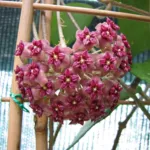
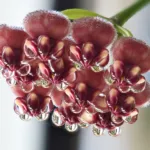
Flowers are produced in rounded umbels from persistent peduncles. Individual blooms are small, five-pointed, waxy and densely hairy, with rose-pink corollas and a contrasting central corona. Established plants usually flower after receiving strong filtered light and a consistent seasonal rhythm; avoid removing old peduncles because they may bloom again.
Pollination and visitors
Hoya flowers are biotically pollinated, and the dusk-opening, strongly structured flowers of the genus are associated with nocturnal insect visitors. A specific pollinator species for Hoya pubicalyx is not securely documented in the sources reviewed, so moth is used as the characteristic visitor group rather than naming a species.
Hoya pubicalyx photos
Click any photo for a larger view. Source, author and license are shown separately.
Diseases and pests
Diseases
The main concern is root rot caused by persistently wet, poorly aerated media. Use a porous mix, allow the upper layer to dry somewhat between waterings, and remove damaged roots when repotting. Good airflow helps reduce secondary fungal problems.
Pests
Mealybugs, aphids, and whiteflies may infest stems, leaf undersides, or new growth. Inspect regularly, isolate affected plants, and remove small infestations with a cotton swab or water spray. Use insecticidal soap or horticultural oil only according to the product label and avoid treating drought-stressed plants.
Related diseases and pests
Only Plant Doctor profiles whose host data indicate this plant may be affected are shown here.
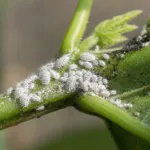 PestCotton mealybugPhenacoccus solenopsis Tinsley
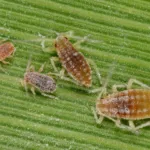 PestMealy Plum AphidHyalopterus pruni (Geoffroy, 1762)
 PestMelon aphid (cotton aphid)Aphis gossypii Glover
 Environmental stressWaterlogging
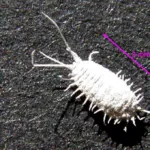 PestObscure mealybugPseudococcus viburni
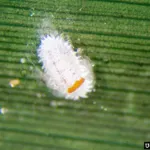 PestCitrus mealybugPlanococcus citri
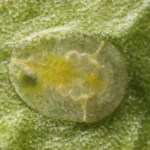 PestCitrus whiteflyDialeurodes citri
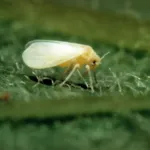 PestSweetpotato whiteflyBemisia tabaci species complex
Toxicity and pollen
ASPCA lists Hoya pubicalyx as non-toxic to dogs and cats. Other references caution that the milky sap may irritate sensitive skin and that ingestion should still be avoided. Do not use the plant medicinally or as food, and wash hands after pruning if sap contacts the skin.
- Typical season
- Usually limited to the flowering period; indoor exposure is generally low
- Pollination / pollen
- Insect-carried pollen, not freely wind-dispersed
This is an insect-pollinated flowering plant, so its pollen is not typically released in large airborne clouds like wind-pollinated trees or grasses. The practical airborne allergy concern is therefore likely low, although sensitive people can still react to plant contact, fragrance, or incidental pollen exposure.
Native habitat
The species is native to Luzon in the Philippines and is associated with warm, wet tropical conditions. It is described as a climber and is commonly treated horticulturally as an epiphytic or epiphyte-like plant requiring excellent root aeration, steady warmth, and protection from prolonged saturation.
Interesting fact
The species epithet pubicalyx refers to its hairy or pubescent calyx. It is native to Luzon in the Philippines and is an accepted species in Kew’s current botanical backbone. Its leaves may develop stronger silver coloration or reddish tones under brighter filtered light. The flowering spurs can remain productive for repeated blooming.
Frequently asked questions (FAQ)
The most relevant questions about this plant, with short and direct answers.
🌱Quick care
How do you care for Hoya pubicalyx indoors?⌄
Give Hoya pubicalyx bright filtered light, a chunky fast-draining mix, and moderate watering with partial drying between waterings. Keep it warm, provide airflow, and protect it from temperatures below 50°F.
Is Hoya pubicalyx easy to grow?⌄
Yes, Hoya pubicalyx is generally an easy, forgiving houseplant when it receives bright light and is not kept in wet soil. It may grow slowly until established or mature enough to flower.
🌤️Environment and placement
How much light does Hoya pubicalyx need?⌄
Hoya pubicalyx grows best in bright filtered or indirect light. A little gentle morning sun can be beneficial, but strong midday or afternoon sun through glass may scorch the leaves.
Can Hoya pubicalyx grow in low light?⌄
Hoya pubicalyx can survive in lower light, but growth and flowering are usually reduced. Move it gradually to a brighter filtered-light location if the vines become sparse or the plant does not bloom.
Can Hoya pubicalyx grow under a grow light?⌄
Yes, Hoya pubicalyx grows well under a grow light that provides bright, consistent illumination. Keep the light far enough away to prevent bleached, reddish, or scorched leaves, and follow the fixture’s recommended distance.
What temperature is best for Hoya pubicalyx?⌄
Keep Hoya pubicalyx warm, ideally in ordinary indoor temperatures, and protect it below 50°F. Frost and prolonged cold can damage foliage and roots.
Does Hoya pubicalyx need high humidity?⌄
Hoya pubicalyx appreciates moderate to high humidity, especially during active growth, but it can adapt to typical indoor conditions if watering and airflow are appropriate. Avoid placing it directly beside heating or air-conditioning vents.
Should Hoya pubicalyx climb or trail?⌄
Hoya pubicalyx can trail, but a trellis, hoop, or other support helps organize its vines and encourages a fuller climbing display. Handle the stems gently because new growth can be flexible and easily damaged.
💧Care and problems
How often should you water Hoya pubicalyx?⌄
Water Hoya pubicalyx when part of the potting mix has dried, then soak the mix thoroughly and let excess water drain. The interval may be about every one to two weeks indoors, but light, pot size, temperature, and season matter more than a fixed schedule.
How do you know when Hoya pubicalyx needs water?⌄
Check the potting mix and water when the upper portion has dried and the pot feels noticeably lighter. Do not rely only on a calendar because bright light and warm conditions can make the plant dry faster.
Why are the leaves of my Hoya pubicalyx turning yellow?⌄
Yellow leaves are commonly associated with overly wet soil, poor drainage, aging foliage, or sudden environmental stress. Check the roots and mix before watering again, especially if several leaves turn yellow at once.
Why are Hoya pubicalyx leaves turning red or purple?⌄
Red or purple coloration can develop from strong light and protective anthocyanin pigments, particularly in new or stressed leaves. If the leaves are also bleached, crispy, or scorched, reduce harsh direct sun gradually.
Why are the leaves of my Hoya pubicalyx wrinkled?⌄
Wrinkled leaves usually indicate insufficient water uptake from dry soil, damaged roots, or severe environmental stress. Check moisture and roots, then correct the cause rather than repeatedly watering a poorly draining pot.
Should you fertilize Hoya pubicalyx?⌄
Yes, fertilize Hoya pubicalyx lightly during active growth with a balanced houseplant fertilizer diluted according to the label. Avoid fertilizing dry, diseased, dormant, or recently repotted plants.
Why is my Hoya pubicalyx losing leaves?⌄
Leaf loss can result from overwatering, root damage, cold drafts, sudden changes in light, or pests. Inspect the roots and stems, review recent environmental changes, and remove only leaves that are fully dead.
What pests attack Hoya pubicalyx?⌄
Common pests include mealybugs, scale, spider mites, and aphids. Inspect leaf joints, undersides, and new growth regularly, isolate affected plants, and treat promptly with a houseplant-safe method.
🪴Planting and repotting
What soil is best for Hoya pubicalyx?⌄
Use a chunky, airy, fast-draining mix containing orchid bark and perlite, with a moisture-holding component if needed. The mix should drain quickly while retaining enough moisture for the roots to absorb water.
Does Hoya pubicalyx need a pot with drainage holes?⌄
Yes, Hoya pubicalyx should be grown in a container with drainage holes. Excess water trapped around the roots greatly increases the risk of root rot.
When should you repot Hoya pubicalyx?⌄
Repot Hoya pubicalyx when the mix has broken down, roots are severely crowded, drainage has declined, or the plant is unstable. It generally tolerates being somewhat root-bound, so frequent repotting is unnecessary.
What size pot should I use for Hoya pubicalyx?⌄
Choose a pot only slightly larger than the existing root ball, usually about 1–2 inches wider. An oversized pot can hold excess moisture and increase the risk of root problems.
Can Hoya pubicalyx be planted outdoors in the United States?⌄
Hoya pubicalyx can grow outdoors in frost-free, warm climates with bright filtered light, but it should be brought indoors before temperatures approach 50°F. In most of the United States, it is best treated as a container houseplant.
✂️Propagation and pruning
How do you propagate Hoya pubicalyx?⌄
Propagate Hoya pubicalyx from healthy stem cuttings containing at least one or two nodes. Root the cutting in water or a lightly moist, airy medium with warmth, bright filtered light, and good airflow.
Can you propagate Hoya pubicalyx from a single leaf?⌄
A single leaf may form roots but usually cannot produce a complete new vine without a node. Use a stem section that includes a node and, preferably, an attached leaf for reliable propagation.
Can Hoya pubicalyx cuttings root in water?⌄
Yes, Hoya pubicalyx cuttings can root in water when at least one node is submerged and the leaves remain above the water. Transfer them to a chunky mix after roots develop, taking care not to keep the new roots constantly soggy.
When is the best time to propagate Hoya pubicalyx?⌄
Spring and summer are generally the best times to propagate Hoya pubicalyx because warmth and active growth support faster rooting. Cuttings can root at other times if indoor conditions remain warm and bright.
Can you prune Hoya pubicalyx?⌄
Yes, prune Hoya pubicalyx to remove dead, damaged, or excessively long growth and to shape the plant. Avoid cutting healthy flower spurs because future blooms can develop from the same structures.
⚠️Toxicity and safety
Is Hoya pubicalyx toxic to cats and dogs?⌄
Hoya pubicalyx is generally regarded as non-toxic to cats and dogs. Pets should still be discouraged from chewing it because the milky sap may irritate the mouth or stomach.
Can Hoya pubicalyx sap irritate skin?⌄
Yes, the milky sap may irritate sensitive skin or eyes. Wash your hands after pruning or propagating, and avoid contact with the face while handling cut stems.
🌸Flowering and special interest
How long does it take Hoya pubicalyx to flower?⌄
Hoya pubicalyx may take one to two years or longer to reach flowering maturity, depending on light, plant size, propagation history, and growing conditions. Young cuttings often prioritize roots and vines before producing flowers.
Why is my Hoya pubicalyx not blooming?⌄
Insufficient light, immaturity, recent repotting, inconsistent care, and removal of flower spurs are common reasons Hoya pubicalyx does not bloom. Provide brighter filtered light, avoid unnecessary disturbance, and allow the plant time to mature.
How often does Hoya pubicalyx bloom?⌄
A mature Hoya pubicalyx may bloom seasonally or more than once under favorable conditions, but flowering frequency varies widely. Bright light, stable care, and intact flower spurs improve the chance of repeat blooms.
Should you remove spent Hoya pubicalyx flowers?⌄
Remove only the dried flowers if desired, but leave the flower spur or peduncle attached to the plant. Hoya pubicalyx can rebloom from the same spur in later seasons.
Are Hoya pubicalyx flowers fragrant?⌄
Yes, Hoya pubicalyx flowers are often fragrant, with scent that may become more noticeable in the evening or at night. Fragrance and flower color can vary among plants and growing conditions.