Source:
Hoya retusa short overview
Hoya retusa is an unusual evergreen epiphytic vine from India and the eastern Himalaya, grown indoors for its pendulous stems and remarkably fine, grass-like leaves. Small star-shaped flowers may appear along mature stems when the plant receives strong filtered light and consistent care. Use a very airy, fast-draining mix, water thoroughly after partial drying, and protect this frost-tender hoya from cold drafts and direct summer sun.
Taxonomic classification
Hoya retusa care guide
Light and placement
Provide bright filtered light, such as an unobstructed east window or a south- or west-facing window softened by a sheer curtain. A little gentle morning sun can be useful, but harsh midday or afternoon sun may bleach or scorch the fine foliage. Too little light produces weak, sparse growth and reduces flowering; excessive shade can leave the plant stagnant.
Watering and humidity
Water thoroughly until excess drains, then wait until the upper portion of the mix has partially dried before watering again. Do not keep the pot standing in water. In winter or in dim rooms, extend the interval because evaporation and growth slow. Humidity is helpful, but airy roots and ventilation matter more than constantly wet media.
Soil and growing medium
Use a loose, highly aerated epiphytic mix such as fine orchid bark, coco coir or peat, and perlite. The container must drain freely because compact, waterlogged soil can suffocate the roots. A slightly acidic to neutral reaction is suitable; avoid heavy garden soil.
Feeding
Feed during active growth with a balanced houseplant fertilizer diluted to about one-quarter to one-half the label rate every 3–4 weeks. Water first if the mix is dry, and reduce or stop feeding during cool, low-light winter conditions. Do not fertilize a recently repotted, diseased, or severely wilted plant.
Growth and habit
This is a persistent, evergreen epiphytic vine with flexible, pendulous stems. It can form a dense hanging specimen over time, but growth is usually gradual and may pause after environmental changes. Preserve mature flowering spurs when pruning because new flowers can arise from established structures.
Planting and repotting
Plant or pot up during the active growing season. Set the rooted cutting or root ball at its original depth rather than burying the stems. Give each plant room for its trailing stems, but avoid an oversized pot, which can keep the airy mix wet for too long.
Repot only when the mix has broken down, roots have filled the container, or drainage has declined. Move up just one pot size and retain as much of the root ball as practical. Repot during active growth, then water lightly and provide gentle light while the plant re-establishes.
Propagation and pruning
Propagation
Propagate from stem cuttings containing at least one healthy node. Root cuttings in lightly moist perlite, sphagnum, or a very airy propagation mix with warmth, bright indirect light, and high but not stagnant humidity. Spring through summer is generally the easiest period. Avoid burying leaves.
Pruning
Prune only to remove dead, damaged, tangled, or inconveniently long stems. Make clean cuts just above a node and avoid cutting off short flowering spurs or peduncles, which may bloom again. Healthy trimmings can be used as propagation material.
Overwintering
Keep indoors whenever temperatures may approach 50°F, and protect from frost, cold windows, and heating vents. In winter, use the brightest available filtered light, water less frequently as growth slows, and avoid fertilizer during prolonged cool or dim conditions. Resume more active care when new growth returns.
Uses
Primarily an ornamental indoor plant for hanging baskets, shelves, conservatories, and warm frost-free patios. Its fine foliage and trailing habit provide textural contrast in hoya collections. It is not documented here for culinary, medicinal, or other consumptive use.
Appearance
The species is recognized by slender, flexible stems carrying numerous narrow, cylindrical to grass-like leaves. The foliage creates a fine-textured, fountain-like or cascading effect unlike the broad leaves of many common hoyas. Small starry flowers may appear along established stems, adding occasional contrast without changing the plant’s primarily foliage-driven appeal.
Flowering
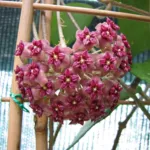
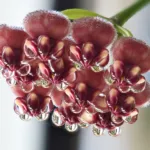
The plant produces small, star-shaped hoya flowers from mature growth, often singly or in sparse clusters rather than in the dense globes typical of some other hoyas. Flowering is most likely when the plant is established, slightly root-bound, and receives bright filtered light. Avoid moving or heavily pruning flowering stems.
Pollination and visitors
No reliable species-specific pollinator or visitor record was located in the reviewed sources. The flowers are structurally typical of insect-associated hoyas, but a documented visitor group should not be asserted without stronger evidence.
Hoya retusa photos
Click any photo for a larger view. Source, author and license are shown separately.
Diseases and pests
Diseases
The main risks are root or stem rot from persistently wet media and fungal spotting under stagnant, humid conditions. Use a porous mix, clean tools, good drainage, and gentle air movement. Remove badly damaged tissue and correct the watering problem before applying any treatment.
Pests
Watch for mealybugs, scale, thrips, and spider mites, especially on stressed plants. Inspect leaf axils and stems regularly, isolate infested plants, remove light infestations with a cotton swab or water spray, and use a labeled houseplant treatment when necessary. Avoid chronically dry air and dusty foliage.
Related diseases and pests
Only Plant Doctor profiles whose host data indicate this plant may be affected are shown here.
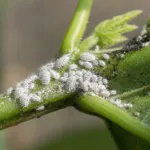 PestCotton mealybugPhenacoccus solenopsis Tinsley
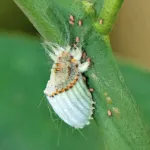 PestCottony Cushion ScaleIcerya purchasi
 Environmental stressUnderwatering
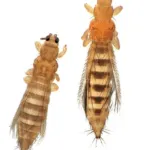 PestOnion thripsThrips tabaci Lindeman
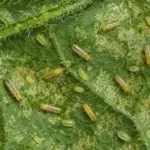 PestMelon thripsThrips palmi Karny
 PestChilli thripsScirtothrips dorsalis Hood
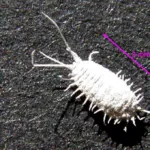 PestObscure mealybugPseudococcus viburni
 PestCitrus mealybugPlanococcus citri
Toxicity and pollen
No authoritative species-specific toxicity assessment for Hoya retusa was located in the sources reviewed. Do not assume complete safety from that absence: keep plant material away from children and pets, and seek medical or veterinary advice if ingestion causes symptoms.
- Pollination / pollen
- Flower pollen; species-specific airborne dispersal unknown
Hoya retusa produces pollen as a flowering angiosperm, but a reliable species-specific assessment of airborne pollen abundance or allergy significance was not located. Its indoor cultivation and small flowers may limit exposure, but this is not evidence of zero allergy risk.
Native habitat
In nature it grows as an epiphyte in wet tropical forest environments of western India and the eastern Himalaya. Epiphytic growth suggests contact with bark, moss, leaf litter, and rapidly draining organic material rather than saturated ground soil. Warmth, filtered light, and periodic moisture are more suitable than exposure to frost or prolonged drought.
Interesting fact
The species has an unusually fine, grass-like appearance compared with many broad-leaved hoyas. It is documented as an epiphytic subshrub rather than a terrestrial garden plant. Kew records its native range in western India and the eastern Himalaya. Its stems are pendulous and well suited to hanging cultivation.
Frequently asked questions (FAQ)
The most relevant questions about this plant, with short and direct answers.
🌱Quick care
How do you care for Hoya retusa indoors?⌄
Give Hoya retusa bright filtered light, an airy fast-draining mix, and moderate watering with partial drying between waterings. Keep it warm, protect it from frost, and provide good airflow.
Is Hoya retusa easy to grow?⌄
Hoya retusa is generally manageable indoors when given bright light and excellent drainage. It can be less forgiving of consistently wet soil than of brief dryness.
🌤️Environment and placement
How much light does Hoya retusa need?⌄
Hoya retusa grows best in bright filtered or indirect light. A few hours of gentle morning sun can be suitable, but protect it from intense afternoon sun that may scorch the fine foliage.
Can Hoya retusa grow in a north-facing window?⌄
Hoya retusa can survive in a bright north-facing window, but growth and flowering may be slower. Move it closer to the window or supplement with a grow light if the foliage stays sparse.
Can Hoya retusa grow under a grow light?⌄
Yes, Hoya retusa can grow well under a grow light when the light is bright but not heat-producing or harsh. Keep the plant far enough away to prevent bleached or scorched foliage.
Does Hoya retusa need high humidity?⌄
Moderate humidity is usually sufficient for Hoya retusa, although higher humidity can support active growth. Good airflow matters more than keeping the plant constantly misted.
What temperature is best for Hoya retusa?⌄
Keep Hoya retusa in a warm, stable indoor location away from cold drafts and heating or cooling vents. Protect it from frost and temperatures that approach freezing.
💧Care and problems
How often should I water Hoya retusa?⌄
Water Hoya retusa when the upper portion of the mix has partly dried, then let excess water drain completely. The schedule may range from about weekly in bright summer conditions to every couple of weeks or longer in winter.
Should Hoya retusa dry out completely between waterings?⌄
Hoya retusa generally prefers partial drying rather than prolonged, bone-dry conditions. Let the mix become noticeably lighter and drier, but water before the fine stems and foliage remain limp for an extended period.
Why are the leaves of my Hoya retusa turning yellow?⌄
Yellow leaves on Hoya retusa are often caused by excess moisture, poor drainage, or natural aging of older foliage. Check the roots and mix before watering again, especially if the pot remains wet for many days.
Why is my Hoya retusa losing leaves?⌄
Hoya retusa may lose leaves after overwatering, severe drying, cold exposure, sudden relocation, or pest damage. Correct the underlying stress gradually rather than increasing watering automatically.
Why is my Hoya retusa not growing?⌄
Slow growth is commonly linked to insufficient light, cool temperatures, root stress, or a poorly draining mix. Provide brighter filtered light and check that the roots are healthy before adding more fertilizer.
What causes root rot in Hoya retusa?⌄
Root rot usually results from persistently wet, compacted soil or a container without effective drainage. Remove damaged roots, repot into a fresh airy mix, and allow more drying between thorough waterings.
What pests commonly affect Hoya retusa?⌄
Hoya retusa can be affected by common houseplant pests such as mealybugs, aphids, scale, and whiteflies. Inspect the fine stems and leaf clusters regularly and treat early with a product labeled for the pest and plant.
🪴Planting and repotting
What is the best soil for Hoya retusa?⌄
Use a very airy, fast-draining epiphytic mix containing materials such as orchid bark, perlite, and a modest amount of moisture-retentive potting medium. The mix should drain quickly while retaining slight moisture around the roots.
What type of pot is best for Hoya retusa?⌄
Choose a pot with drainage holes that is only slightly larger than the root system. A hanging basket or shallow container works well because Hoya retusa naturally develops trailing growth.
When should I repot Hoya retusa?⌄
Repot Hoya retusa when the mix has broken down, drainage has become poor, or roots are tightly filling the container. Avoid unnecessary repotting because the plant may pause growth after root disturbance.
Can Hoya retusa grow in perlite or semi-hydroponics?⌄
Hoya retusa can grow in perlite or other semi-hydroponic systems when moisture and nutrients are carefully managed. These methods still require oxygen around the roots and should not leave the plant permanently waterlogged.
✂️Propagation and pruning
How do you propagate Hoya retusa?⌄
Propagate Hoya retusa from stem cuttings containing at least one viable node. Root the cuttings in water, lightly moist sphagnum, perlite, or a loose propagation mix while keeping them warm and bright.
Can you propagate Hoya retusa from a single leaf?⌄
A single Hoya retusa leaf usually cannot produce a new vine because it may lack a growth node. Use a cutting with a stem node and, ideally, at least one leaf attached.
How long does Hoya retusa take to root?⌄
Hoya retusa cuttings may begin rooting within several weeks under warm, bright conditions, but timing varies with the cutting, medium, and season. Pot them only after the new roots are established enough to support growth.
Can Hoya retusa be pruned?⌄
Yes, Hoya retusa can be pruned to remove damaged growth, shape the plant, or create cuttings. Avoid removing healthy flower spurs, because future blooms may develop from the same persistent structures.
Why does Hoya retusa produce long runners?⌄
Long runners are a normal growth pattern for Hoya retusa, especially when the plant is seeking better light or support. You can leave them trailing, guide them upward, or prune and propagate them once they are long enough.
⚠️Toxicity and safety
Is Hoya retusa toxic to cats and dogs?⌄
Species-specific toxicity information for Hoya retusa is not firmly established. Because the sap and plant material may cause irritation if chewed, keep it away from pets and children and contact a veterinarian or poison-control service if ingestion occurs.
🌸Flowering and special interest
How do I get Hoya retusa to bloom?⌄
Provide bright filtered light, steady care, a well-drained root system, and enough maturity for flowering. Cooler nights may help initiate buds, but the exact response varies by plant and growing conditions.
Why is my Hoya retusa not flowering?⌄
Insufficient light, immature growth, recent repotting, inconsistent watering, or unsuitable temperatures can delay flowering. Increase light gradually and avoid repeatedly disturbing the plant while it is forming buds.
What do Hoya retusa flowers look and smell like?⌄
Hoya retusa produces small, star-shaped flowers that may appear singly or in small clusters, often with a pale corolla and contrasting center. The flowers can have a light, delicate fragrance, though scent intensity varies.
Should I remove old Hoya retusa flower spurs?⌄
Do not remove healthy old flower spurs from Hoya retusa because they can produce flowers again. Remove only dead, damaged, or diseased growth.
Why are Hoya retusa buds dropping before opening?⌄
Bud drop can follow sudden changes in light, temperature, watering, humidity, or plant position. Keep conditions stable and avoid repotting, moving, or allowing severe dryness while buds are developing.