Source:
Hoya lacunosa short overview
Hoya lacunosa is a compact tropical climbing epiphyte from Southeast Asia, valued as an indoor plant for glossy, subtly pitted leaves and small clusters of fuzzy cream-white flowers. The blooms are strongly fragrant, especially in the evening, and may appear in summer when the plant receives bright filtered light. Grow it in an airy, fast-draining mix, keep it warm, and let the upper portion of the substrate dry partially before watering again.
Taxonomic classification
Hoya lacunosa care guide
Light and placement
Provide bright filtered light, such as an east window, a lightly shaded west window, or a south window behind a sheer curtain. Gentle morning or late-afternoon sun can improve flowering, but harsh midday exposure may scorch the leaves. Too little light produces elongated stems, sparse foliage, and reduced flowering; too much direct sun can bleach or bronze the leaves.
Watering and humidity
Water thoroughly when the upper portion of the mix has dried and allow excess water to drain completely. During spring and summer, check regularly because active growth increases demand; in winter, water less often as growth and evaporation slow. Do not leave the pot standing in water. Moderate humidity is useful, but wet roots and stagnant air are more damaging than average household dryness.
Soil and growing medium
Use a loose, airy epiphyte mix that drains rapidly but retains a little moisture. Orchid bark, perlite, coarse coco coir or peat-free potting mix, and a small amount of compost work well. A slightly acidic medium is suitable; avoid dense, waterlogged soil because the fleshy roots are vulnerable to rot.
Feeding
Feed during active spring and summer growth with a balanced liquid houseplant fertilizer diluted to about one-quarter to one-half strength every 3–4 weeks. Water first if the mix is dry. Reduce or stop feeding in winter, after repotting, or when growth is stalled; excess fertilizer can damage roots and produce weak growth.
Growth and habit
This species forms flexible, slender stems that trail, climb, or twine through nearby support. It can remain compact in a basket but benefits from a trellis when trained upward. Provide airflow around dense growth and avoid repeatedly cutting flowering spurs, which can support later blooms.
Planting and repotting
Plant or pot up during the warm growing season. Set the root ball at its original depth rather than burying the stem. Use a container with generous drainage and provide a trellis, hoop, or hanging position. Keep the medium evenly established but not saturated while new roots develop.
Repot only when the mix has broken down, drainage has declined, or roots have filled the container. Move up just one pot size and disturb the roots as little as practical. A shallow hanging basket or breathable container is suitable. Repot during active growth for the quickest recovery.
Propagation and pruning
Propagation
Stem cuttings root readily when taken during active growth. Include at least one healthy node, remove lower leaves, and root in lightly moist perlite, sphagnum, or a very airy propagation mix with warmth and bright indirect light. Air layering is also practical on a flexible stem. Avoid keeping cuttings saturated.
Pruning
Prune only to remove dead, damaged, or diseased growth and to control shape. Guide flexible stems onto a support instead of cutting heavily. Preserve short flowering spurs and old peduncles because they may produce future umbels.
Overwintering
Keep indoors before temperatures fall below about 45°F. Place in bright filtered light, reduce watering as growth slows, and keep away from cold windows, heating vents, and sudden temperature changes. Do not expose the plant to frost or freezing temperatures.
Uses
Primarily an ornamental indoor vine for hanging baskets, trellises, shelves, and warm conservatories. Its compact habit, textured evergreen foliage, and evening fragrance make it useful where flowers can be enjoyed indoors. It has no established culinary or medicinal use in the sources reviewed.
Appearance
The plant has thin, smooth green stems and opposite, glossy, fleshy leaves that range from ovate to lanceolate. The leaf surface is distinctive for a depressed midrib and subtly sunken areas between veins, reflected by the species epithet. Flowers form dense hanging umbels and have a fuzzy, velvety appearance.
Flowering
Flowering occurs from axillary peduncles in tight, hanging umbels of roughly 10–30 small flowers. Individual blooms are fuzzy and cream-white with a pale yellow to cream corona, lasting several days. Fragrance is strongest at night or in the evening. Do not remove old peduncles after flowering because later umbels can develop from the same spurs.
Pollination and visitors
The flowers provide nectar and scent cues and are adapted for insect-mediated pollination, but a dependable species-specific visitor record was not located. Indoor plants generally contribute little to local pollinator resources unless flowering outdoors in a suitable tropical climate.
Hoya lacunosa photos
Click any photo for a larger view. Source, author and license are shown separately.
Diseases and pests
Diseases
The main risk is root or stem rot caused by persistently wet media and poor airflow. Watch for soft, darkened roots, yellowing, or collapsing stems. Powdery mildew and leaf spot are possible in stagnant, humid conditions. Improve ventilation, remove affected tissue, and correct watering before using a labeled treatment.
Pests
Inspect leaf axils, stems, and leaf undersides for mealybugs, scale, and spider mites. Isolate affected plants, remove light infestations manually, and use insecticidal soap or another product labeled for houseplants according to directions. Avoid stressing the plant with drought, waterlogging, or excessive heat.
Related diseases and pests
Only Plant Doctor profiles whose host data indicate this plant may be affected are shown here.
 DiseasePowdery mildew caused by Golovinomyces cichoracearumGolovinomyces cichoracearum
 DiseaseMaple powdery mildewSawadaea bicornis
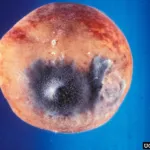 DiseaseRhizopus soft rotRhizopus stolonifer
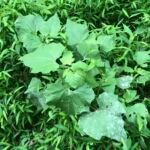 DiseaseCucurbit Powdery MildewPodosphaera xanthii (Castagne) U. Braun & Shishkoff
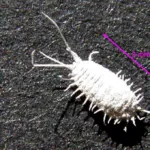 PestObscure mealybugPseudococcus viburni
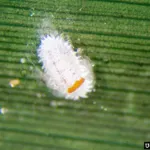 PestCitrus mealybugPlanococcus citri
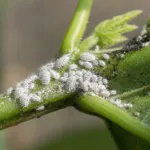 PestCotton mealybugPhenacoccus solenopsis Tinsley
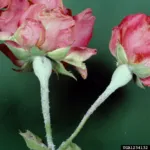 DiseaseRose powdery mildewPodosphaera pannosa
Toxicity and pollen
Species-specific human and pet toxicity evidence is limited and inconsistent. The plant produces white milky sap that may irritate skin or eyes, and ingestion should be discouraged. Handle cut stems with gloves, keep plant material away from children and pets, and seek professional advice after significant ingestion or irritation.
- Typical season
- No specific US airborne-pollen season documented
- Pollination / pollen
- Pollinia; mainly transferred by flower visitors
Hoya lacunosa is an insect-pollinated flowering plant with pollen packaged in pollinia rather than released as a large airborne cloud. Direct allergy evidence for this species is lacking, so a low airborne-pollen concern is a cautious practical classification rather than a guarantee of no reaction.
Native habitat
Native populations occur from southern Myanmar through western and central Malesia, including lowland and hill tropical forests. Plants are associated with trees, branches, forest edges, and sometimes rocky substrates, where roots experience high humidity but rapid drainage rather than stagnant soil.
Interesting fact
The epithet lacunosa refers to small cavities or depressions associated with the leaf surface and venation. Its flowers can produce a strong cinnamon-like fragrance, especially after dusk. The same perennial peduncles may flower repeatedly, so they should be preserved after bloom. The species can grow as an epiphyte or lithophyte in wet tropical forests.
Frequently asked questions (FAQ)
The most relevant questions about this plant, with short and direct answers.
🌱Quick care
How do you care for Hoya lacunosa indoors?⌄
Give Hoya lacunosa bright filtered light, an airy fast-draining mix, moderate watering, and warm temperatures. Let the medium partially dry between waterings, but avoid prolonged drought or constantly soggy roots.
Is Hoya lacunosa easy to grow?⌄
Yes, Hoya lacunosa is generally considered a manageable houseplant when given bright light, good drainage, and consistent watering. It can be less forgiving of compacted soil, severe drying, or root rot.
🌤️Environment and placement
How much light does Hoya lacunosa need?⌄
Hoya lacunosa grows best in bright filtered or indirect light. A few hours of gentle morning or late-afternoon sun may be suitable, but protect it from intense direct midday sun that can scorch the leaves.
Can Hoya lacunosa grow in a north-facing window?⌄
Hoya lacunosa can survive in a north-facing window, but growth and flowering may be slower. If the plant produces long bare sections or never develops buds, supplementing with a grow light may help.
What temperature is best for Hoya lacunosa?⌄
Keep Hoya lacunosa warm, ideally around 68–77°F during active growth. Protect it from cold drafts and temperatures below 45°F, because it is frost tender.
Does Hoya lacunosa need high humidity?⌄
Hoya lacunosa appreciates moderate to higher humidity, but it can often adapt to typical indoor conditions if watering and airflow are balanced. Avoid placing it where constantly wet leaves and poor ventilation encourage disease.
Can Hoya lacunosa grow outdoors in the United States?⌄
Hoya lacunosa can grow outdoors year-round only in warm, frost-free parts of USDA Zones 10b–12b. In cooler areas, grow it in a container and bring it indoors before temperatures approach 45°F.
💧Care and problems
How often should you water Hoya lacunosa?⌄
Water Hoya lacunosa when the upper portion of the mix has dried and the pot feels noticeably lighter, then drain thoroughly. The schedule varies with light, temperature, pot size, and season, so a fixed calendar is less reliable.
Should Hoya lacunosa dry out completely between waterings?⌄
No, Hoya lacunosa generally does better when the mix partially dries rather than becoming bone-dry for long periods. Wrinkled or puckered leaves can indicate excessive dryness, while persistently wet soil raises the risk of root rot.
Why are the leaves on my Hoya lacunosa wrinkled?⌄
Wrinkled leaves most often indicate insufficient moisture reaching the plant, damaged roots, or both. Check the roots and potting mix before watering again, because watering a root-rotted plant will not correct dehydration.
Why is my Hoya lacunosa losing leaves?⌄
Leaf loss can result from overwatering, root damage, sudden environmental changes, cold exposure, pests, or severe drought. Inspect the roots and stems, check for insects, and correct the underlying condition rather than simply watering more.
What causes root rot in Hoya lacunosa?⌄
Root rot usually develops when Hoya lacunosa remains in compacted, poorly draining, or continuously saturated soil. Use a chunky airy mix, a pot with drainage holes, and water only after the medium has partially dried.
Should I fertilize Hoya lacunosa?⌄
Yes, feed Hoya lacunosa lightly during active growth with a balanced houseplant fertilizer diluted according to the label. Avoid fertilizing very dry, stressed, newly repotted, or dormant plants until their roots are functioning normally.
What pests commonly affect Hoya lacunosa?⌄
Mealybugs, scale, aphids, and spider mites can affect Hoya lacunosa, especially on stressed or crowded plants. Inspect leaf joints and stems regularly and isolate any infested plant before treating it.
🪴Planting and repotting
What is the best soil for Hoya lacunosa?⌄
Use an airy, fast-draining orchid-style mix containing components such as orchid bark, perlite, and a moisture-retentive potting medium. The mix should hold some moisture while leaving plenty of air around the roots.
What kind of pot does Hoya lacunosa need?⌄
Choose a pot with drainage holes that is only slightly larger than the root ball. Hoya lacunosa usually prefers not to sit in an oversized container, which can retain excess moisture after watering.
When should I repot Hoya lacunosa?⌄
Repot Hoya lacunosa when the mix has broken down, drainage has worsened, roots are circling heavily, or the plant is clearly outgrowing its container. Repotting is usually best during active growth, unless damaged or rotting roots require immediate attention.
Can Hoya lacunosa grow in LECA or semi-hydroponics?⌄
Hoya lacunosa can be grown in LECA or another semi-hydroponic system, but the transition requires careful root cleaning, moisture control, and appropriate fertilizer. It is not automatically safer than a well-draining soil-based mix.
✂️Propagation and pruning
How do you propagate Hoya lacunosa?⌄
Propagate Hoya lacunosa from stem cuttings containing at least one node, using water, moist perlite, sphagnum, or a light rooting medium. Keep the cutting warm in bright indirect light and provide moisture without leaving it waterlogged.
Can you propagate Hoya lacunosa from a single leaf?⌄
A single Hoya lacunosa leaf usually cannot produce a complete new plant because it may lack a viable stem node. Use a cutting with at least one node and preferably an attached leaf or two.
Should Hoya lacunosa be pruned?⌄
Prune Hoya lacunosa mainly to remove dead or damaged growth, control length, or encourage a fuller shape. Avoid aggressive pruning unless necessary, because flowering structures may develop along established stems.
⚠️Toxicity and safety
Is Hoya lacunosa toxic to cats and dogs?⌄
The toxicity of Hoya lacunosa is not firmly established in the provided evidence, so do not assume it is completely pet-safe. Keep it away from pets and children, and treat its milky sap as a potential skin or mouth irritant.
🌸Flowering and special interest
How do I get Hoya lacunosa to bloom?⌄
Provide bright filtered light, stable warmth, appropriate watering, and time for the plant to mature. Insufficient light is a common reason for poor flowering, although recently propagated or frequently disturbed plants may also need time.
When does Hoya lacunosa bloom?⌄
Hoya lacunosa can bloom after it becomes established and receives adequate light, often during the warmer growing season indoors. The exact timing varies with maturity, cultivar, growing conditions, and seasonal changes.
Are Hoya lacunosa flowers fragrant?⌄
Yes, Hoya lacunosa flowers are commonly described as strongly fragrant, with a sweet scent that may be most noticeable in the evening. Fragrance intensity can vary with the plant and growing conditions.
Should I cut off old Hoya lacunosa flower stalks?⌄
No, leave old flower stalks, called peduncles, attached after blooming. Hoya lacunosa can rebloom from the same structures, so removing them may eliminate future flowering sites.
Why is my Hoya lacunosa dropping flower buds?⌄
Bud drop can follow sudden changes in light, temperature, watering, humidity, or location. Keep the plant stable while it is budding, avoid moving or repotting it unnecessarily, and prevent both severe dryness and saturated soil.