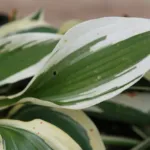
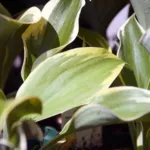
AI-generated illustration
Hosta ‘Sun Mouse’ short overview
Hosta 'Sun Mouse' is a vigorous miniature hosta prized for thick, slightly wavy golden-yellow leaves that retain their bright color well into summer. Its compact mound is topped in early summer by short chartreuse scapes bearing dark lavender, bell-shaped flowers. Give it moist, well-drained soil, morning sun or filtered shade, and protection from hot afternoon exposure. It suits shaded borders, troughs, rock gardens, and containers.
Taxonomic classification
Hosta ‘Sun Mouse’ care guide
Light and placement
Give 'Sun Mouse' morning sun or bright filtered light, especially in cooler climates where light helps maintain the golden foliage. Protect it from hot afternoon sun, which can scorch leaves and fade or dull the color. Too little light may produce greener, looser growth; excessive light combined with dry soil causes brown margins and leaf scorch.
Watering and humidity
Water deeply when the upper inch of soil begins to dry, keeping the root zone evenly moist during active growth. Morning watering is preferred. Increase frequency during hot, dry weather and reduce sharply after dormancy, while never allowing container plants to remain waterlogged. Good mulch conserves moisture but should not touch the crown.
Soil and growing medium
Use a moisture-retentive but well-drained soil rich in organic matter. Sandy loam or improved loam is preferable to dense clay. A slightly acidic to neutral reaction, approximately pH 5.5–7.5, suits hostas. Avoid chronically waterlogged ground, especially in containers, where roots need air as well as moisture.
Feeding
Apply a balanced, slow-release fertilizer or a thin layer of compost in spring as shoots emerge. Avoid heavy nitrogen feeding, which can produce soft growth and reduce foliage quality. Do not fertilize drought-stressed, newly divided, or dormant plants; water first and resume feeding only after active growth begins.
Growth and habit
Forms a compact, symmetrical clump from a short crown and spreads steadily through division rather than running. Its vigorous growth can fill a small container or front-of-border position, but crowded crowns benefit from division every few years for renewed vigor and cleaner form.
Planting and repotting
Plant in spring or early fall while the soil is workable. Set the crown with growing points at or just below soil level. Allow about 12–18 inches between plants for a compact display, or grow singly in a trough or small container. Water thoroughly after planting and keep evenly moist during establishment.
Repot container plants in early spring as shoots emerge, moving them into fresh, well-drained potting mix and a container only modestly larger than the root system. Handle the crown gently and keep the growing points at soil level.
Propagation and pruning
Propagation
Divide established clumps in spring as shoots emerge or in early fall. Separate crown sections with viable roots and growing points, then replant promptly and keep evenly moist. Commercial production also uses tissue culture, but division is the practical home method.
Pruning
Remove flower scapes after bloom if seed production is not wanted. Cut old foliage to the ground after it has yellowed and gone dormant in late fall or winter; removing debris helps reduce overwintering slug and pest habitat.
Overwintering
Leave the plant outdoors in the ground within its hardiness range. After dormancy, remove spent foliage and apply a light organic mulch in colder regions to reduce frost heaving. Container plants are more exposed to cold; protect the pot with insulation or overwinter it in an unheated sheltered location without keeping the mix saturated.
Uses
Use as a focal miniature foliage plant in shaded borders, troughs, rock gardens, woodland beds, and patio containers. Its bright leaves add contrast among blue, green, or silver hostas. It is ornamental rather than edible, and pet owners should prevent chewing because hostas are toxic to dogs and cats.
Appearance
The plant forms a low, rounded mound of small, thick leaves with a slightly wavy surface. Foliage emerges brilliant golden yellow and generally holds its color well into summer. Short chartreuse scapes rise just above the leaves and carry dark lavender flowers, helping distinguish this cultivar from blue-leaved mouse hostas.
Flowering
Dark lavender, bell-shaped flowers are carried on short chartreuse scapes held just above the foliage. Bloom is normally in early summer to midsummer, with the flowers serving as a secondary feature to the bright leaves. Individual timing varies with climate and spring temperatures.
Pollination and visitors
The lavender flowers may be visited by bumblebees and other insects, but cultivar-specific visitor records are limited. The flowers are not the principal ornamental feature, and documented attraction should be considered low rather than assumed to be high.
Diseases and pests
Diseases
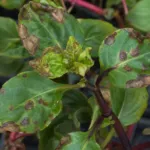
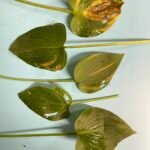
Reduce crown and root problems by planting in well-drained soil, avoiding deep burial, and watering at the soil line. Remove spent foliage after dormancy and discard diseased material. Watch for hosta virus symptoms such as irregular mottling or ink-like streaking; isolate and remove suspicious plants rather than propagating them.
Pests
Slugs and snails commonly damage hosta leaves, especially in damp mulch. Check for ragged holes and slime trails, remove hiding places, water in the morning, and use barriers or labeled controls when necessary. Deer and voles may also browse hostas; protect plants where pressure is high.
Related diseases and pests
Only Plant Doctor profiles whose host data indicate this plant may be affected are shown here.

Toxicity and pollen
Hosta is listed by ASPCA as toxic to dogs and cats because of saponins; reported signs include vomiting, diarrhea, and depression. The exact cultivar has not been independently evaluated in toxicology literature, so treat leaves, flowers, crowns, and other plant material as unsafe for pets to chew. Human poisoning evidence is limited, but avoid ingestion and wash after handling.
- Typical season
- During flowering, usually June–July in the United States
- Pollination / pollen
- Insect-dispersed floral pollen
Hosta flowers release pollen from exposed anthers, but the plant is primarily insect-pollinated rather than a major wind-pollen source. No cultivar-specific allergy studies were located. People with known pollen sensitivity should still avoid assuming zero risk during bloom and can reduce contact by keeping the plant out of high-traffic areas.
Native habitat
Hostas are woodland-edge perennials associated with humus-rich, evenly moist soils and filtered light. Modern cultivars such as 'Sun Mouse' are garden selections rather than wild populations, so the cultivar has no single native habitat or natural distribution of its own.
Interesting fact
This cultivar was hybridized by Tony Avent in Raleigh, North Carolina, and introduced from a cross of unreleased seedlings. It was selected for golden foliage with a stature similar to 'Blue Mouse Ears'. The patent describes stable asexual reproduction by division and tissue culture.
Frequently asked questions (FAQ)
The most relevant questions about this plant, with short and direct answers.
🌱Quick care
What is Hosta 'Sun Mouse'?⌄
Hosta 'Sun Mouse' is a compact, miniature hosta with brilliant yellow to chartreuse foliage and a neat mounded habit. It typically grows about 6 inches tall and 12 inches wide, making it useful for small borders, troughs, and containers.
How big does Hosta 'Sun Mouse' get?⌄
Hosta 'Sun Mouse' usually reaches about 6 inches tall and 12 inches wide at maturity. Some plants may spread closer to 12–15 inches under favorable growing conditions.
Is Hosta 'Sun Mouse' a miniature hosta?⌄
Yes, Hosta 'Sun Mouse' is considered a miniature hosta because of its small leaves and compact mature size. Its rounded, mouse-ear-like foliage is similar in form to 'Blue Mouse Ears,' but it is yellow rather than blue-green.
🌤️Environment and placement
How much sun does Hosta 'Sun Mouse' need?⌄
Grow Hosta 'Sun Mouse' in morning sun, filtered shade, or partial to full shade. A few hours of gentle morning light can help maintain its bright yellow color, while intense afternoon sun may scorch the leaves.
Can Hosta 'Sun Mouse' grow in full shade?⌄
Yes, Hosta 'Sun Mouse' can grow in full shade, although its foliage may be less vividly yellow than when it receives filtered light or mild morning sun. Avoid sites that stay hot, dry, and poorly ventilated.
What USDA hardiness zones are suitable for Hosta 'Sun Mouse'?⌄
Hosta 'Sun Mouse' is generally listed for USDA Zones 3 through 9. In colder regions, the foliage dies back naturally in fall and the crown remains dormant until spring.
What soil is best for Hosta 'Sun Mouse'?⌄
Plant Hosta 'Sun Mouse' in moist, well-drained soil enriched with organic matter. It tolerates mildly acidic to neutral soil, but consistently wet or compacted ground can damage the roots.
💧Care and problems
How often should I water Hosta 'Sun Mouse'?⌄
Water Hosta 'Sun Mouse' regularly enough to keep the soil evenly and consistently moist, especially during hot or dry weather. Let excess water drain away rather than leaving the crown in saturated soil.
Why are the leaves of my Hosta 'Sun Mouse' turning brown?⌄
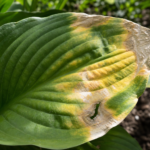
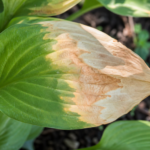
Brown leaf edges on Hosta 'Sun Mouse' are commonly caused by drought, intense afternoon sun, heat, or wind. Improve moisture consistency and provide morning sun or filtered shade; badly damaged leaves will not recover.
Is Hosta 'Sun Mouse' easy to grow?⌄
Yes, Hosta 'Sun Mouse' is generally easy to grow when given moist soil, organic matter, and shade or gentle morning sun. Regular watering during dry periods is the main requirement for maintaining vigorous growth.
How do I protect Hosta 'Sun Mouse' from slugs and snails?⌄
Reduce hiding places, keep the area free of plant debris, and water the soil rather than the foliage. Hand-picking, barriers, or a slug control product labeled for garden use can help when damage is persistent.
Does Hosta 'Sun Mouse' go dormant in winter?⌄
Yes, Hosta 'Sun Mouse' is deciduous and normally dies back to the crown after frost. Remove collapsed foliage once it has died back, then apply a light mulch without covering the crown deeply.
🪴Planting and repotting
When should I plant Hosta 'Sun Mouse' in the United States?⌄
Plant Hosta 'Sun Mouse' in spring or early fall when the soil is workable and temperatures are moderate. Spring planting is especially useful in colder USDA Zones, while early fall planting allows roots to establish before winter.
Can Hosta 'Sun Mouse' grow in a container?⌄
Yes, Hosta 'Sun Mouse' is well suited to containers because of its small, mounded growth habit. Use a pot with drainage holes, moisture-retentive potting mix, and a location with filtered shade or gentle morning sun.
How far apart should I plant Hosta 'Sun Mouse'?⌄
Space Hosta 'Sun Mouse' about 12 inches apart for individual plants to develop into distinct mounds. For a fuller edge, plants may be placed slightly closer, provided air circulation remains adequate.
✂️Propagation and pruning
How do I propagate Hosta 'Sun Mouse'?⌄
Propagate Hosta 'Sun Mouse' by dividing established clumps in early spring or late summer. Separate sections with healthy roots and at least one growing point, then replant them at the original depth.
Can Hosta 'Sun Mouse' be grown from seed?⌄
It can produce seed, but seedlings will not reliably reproduce the named cultivar’s yellow foliage and compact form. Division or laboratory propagation is preferred when an identical Hosta 'Sun Mouse' plant is needed.
Should I cut back Hosta 'Sun Mouse' after flowering?⌄
Remove spent flower stalks from Hosta 'Sun Mouse' if you prefer a tidier appearance or want to prevent seed formation. The foliage can remain until frost, then should be removed after it collapses.
⚠️Toxicity and safety
Is Hosta 'Sun Mouse' toxic to dogs and cats?⌄
Yes, Hosta 'Sun Mouse' is toxic to dogs and cats if eaten. Keep pets away from the plant and contact a veterinarian promptly if a pet has chewed or swallowed any part of it.
🌸Flowering and special interest
When does Hosta 'Sun Mouse' bloom?⌄
Hosta 'Sun Mouse' typically blooms in early to midsummer, producing lavender to purple flowers on scapes that rise above the small foliage. Bloom timing varies with local climate and spring temperatures.
Do the flowers of Hosta 'Sun Mouse' attract hummingbirds?⌄
Yes, the lavender flowers of Hosta 'Sun Mouse' can attract hummingbirds and other flower visitors. The plant is grown primarily for its colorful foliage, but its summer bloom adds useful seasonal interest.