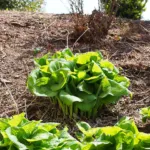
Source:
 Hosta ‘Liberty’ short overview
Hosta 'Liberty' is a large, vase-shaped shade perennial prized for thick blue-green leaves edged with exceptionally broad golden-yellow margins that gradually mature to creamy white. This sport of 'Sagae' forms a bold, long-lived clump and sends tall scapes above the foliage in summer, bearing pale lavender, funnel-shaped flowers. Grow it in consistently moist, organically enriched soil in partial to full shade, with protection from harsh afternoon sun and browsing pets.
Taxonomic classification
Hosta ‘Liberty’ care guide
Light and placement
Give ‘Liberty’ partial shade to full shade, ideally with morning sun, dappled light, or an east- or north-facing exposure. A little filtered light helps the yellow margin develop, but intense afternoon sun, heat, and drying wind can bleach or scorch the foliage. Too little light may produce slower growth and a looser, less vigorous clump.
Watering and humidity
Water deeply when the soil surface begins to dry, keeping the root zone consistently and evenly moist rather than alternating drought with saturation. Water beneath the leaves to reduce foliar disease. Increase frequency during hot, dry weather and reduce it in cool autumn conditions, while never allowing newly planted crowns to dry out.
Soil and growing medium
Use fertile, humus-rich soil that holds steady moisture while draining excess water. A loam amended with compost is suitable. Slightly acidic to neutral conditions are appropriate; avoid compacted, chronically waterlogged ground, which increases crown and root-rot risk.
Feeding
Top-dress with compost in spring or apply a balanced, slow-release fertilizer as new shoots emerge. Avoid heavy nitrogen feeding, which can produce soft foliage and encourage pest problems. Stop routine fertilizing by late summer so growth can harden before dormancy.
Growth and habit
This cultivar develops a substantial, upright vase-shaped clump and is slow to reach its mature ornamental presence. Thick leaves provide useful substance and some resistance to minor physical damage, but the broad margins can scorch in harsh sun or drought. Divide only when necessary because established clumps are valuable landscape specimens.
Planting and repotting
Plant in spring or early fall, setting the crown at the same depth it occupied in the nursery container. Allow about 30–36 inches of eventual spread for a mature specimen, and mulch lightly without covering the crown. Keep soil evenly moist during the first growing season while roots establish.
Repot container plants in early spring as growth begins, moving them into a pot only modestly larger than the root ball. Use moisture-retentive but well-drained potting mix, keep the crown at the original soil level, and water thoroughly after transplanting.
Propagation and pruning
Propagation
Propagate by division in early spring before leaves unfurl or in early fall. Lift the clump, separate sections with viable crowns and roots, and replant promptly. Seed is not a reliable way to reproduce the named cultivar because seedlings will not come true to 'Liberty'.
Pruning
Remove spent flower scapes after flowering if a tidier display is preferred. Cut the plant to the ground after frost has killed the foliage, or remove declining leaves during fall cleanup. Sanitize tools when cutting plants with suspected viral or fungal disease.
Overwintering
Allow the foliage to die back naturally after frost, then remove it to reduce hiding places for slugs and disease. Established plants overwinter outdoors in Zones 3–8. Container specimens are more exposed to freezing than plants in the ground; insulate the pot or move it to a sheltered, unheated location after dormancy.
Uses
A high-value ornamental for shaded borders, woodland gardens, foundation plantings, massed foliage displays, and large containers. Its bold variegation makes it especially useful as a specimen or visual anchor. Do not use it as pet forage because hostas are toxic when eaten by dogs and cats.
Appearance
The plant forms a bold upright vase-shaped mound of thick, broadly oval to heart-based leaves. New foliage is blue-green with broad golden-yellow margins; as the season progresses, the margins lighten toward creamy white while the center becomes greener. Strong ribbing, substantial texture, and tall green scapes aid identification.
Flowering
Tall, upright scapes rise well above the foliage mound and carry one-sided racemes of pale lavender, funnel-shaped flowers. Bloom is usually concentrated from July into August in much of the United States, although earlier summer flowering is possible in warmer climates.
Pollination and visitors
The pale lavender, nectar-bearing flowers may be visited by bees, bumblebees, and other flower-visiting insects, but documented cultivar-specific visitation data are limited. The plant is primarily grown for foliage rather than as a specialist pollinator resource.
Hosta 'Liberty' photos
Click any photo for a larger view. Source, author and license are shown separately.
Diseases and pests
Diseases
Keep foliage and crowns from staying wet overnight, provide drainage, and remove badly affected leaves. Watch for Hosta Virus X, tobacco rattle virus, tomato ringspot virus, anthracnose, leaf spot, and crown or root rot. Remove and destroy plants confirmed with serious viral disease rather than composting them.
Pests
Slugs and snails are the main recurring pests, creating irregular holes in leaves. Deer and rabbits may browse foliage, while voles can damage crowns and roots. Reduce hiding places, water at the soil surface, inspect at night for slugs, and use proportionate barriers or labeled controls where needed.
Related diseases and pests
Only Plant Doctor profiles whose host data indicate this plant may be affected are shown here.
 DiseaseImpatiens necrotic spot virus diseaseImpatiens necrotic spot orthotospovirus
 DiseaseSouthern blightAthelia rolfsii
 PestStrawberry foliar nematodeAphelenchoides fragariae
 Environmental stressExcess light stress
 Environmental stressLeaf sunburn
 DiseaseAnthracnoseColletotrichum gloeosporioides
 DiseaseTomato mosaic virusTobamovirus tomatotessellati
 DiseaseTobacco mosaic virusTobamovirus tabaci
Toxicity and pollen
Hosta plants contain saponins and are listed as toxic to dogs and cats by veterinary poison-control references. Ingestion can cause vomiting, diarrhea, depression, or other gastrointestinal upset. Avoid allowing pets to chew leaves, flowers, crowns, or roots; contact a veterinarian after suspected ingestion.
- Typical season
- July–August
- Pollination / pollen
- Heavy, insect-carried pollen
Hosta flowers are insect-pollinated rather than wind-pollinated, so the plant is not generally considered a major source of airborne seasonal pollen. Direct contact with flowers can still expose sensitive individuals to pollen, and no cultivar-specific allergy testing was located.
Native habitat
Hostas are cultivated woodland-edge perennials associated with cool, shaded conditions, rich soils, and dependable moisture. ‘Liberty’ is a garden cultivar rather than a wild population, so its natural distribution is not applicable; its performance reflects the woodland-like conditions preferred by the genus.
Interesting fact
‘Liberty’ is a sport of Hosta ‘Sagae’ selected by John Machen Jr. around 2000. Its unusually wide yellow margin is the key distinction from ‘Sagae’. The margin typically changes from yellow in spring to creamy white as leaves mature. It was named Hosta of the Year for 2012 by the American Hosta Growers Association.
Frequently asked questions (FAQ)
The most relevant questions about this plant, with short and direct answers.
🌱Quick care
What is Hosta 'Liberty'?⌄
Hosta 'Liberty' is a clumping, variegated herbaceous perennial grown for its blue-green leaves with broad yellow margins that mature to creamy white. It is a sport of Hosta 'Sagae' and is valued as a shade-garden specimen.
How big does Hosta 'Liberty' get?⌄
Hosta 'Liberty' typically grows about 26 inches tall and 39 inches wide, with flower scapes reaching approximately 40 inches. Mature size varies with soil moisture, age, and growing conditions.
Is Hosta 'Liberty' easy to grow?⌄
Yes, Hosta 'Liberty' is generally easy to grow when planted in shade or partial shade with fertile, humus-rich, well-drained soil and consistent moisture. Protect it from hot afternoon sun and prolonged drought.
🌤️Environment and placement
How much sun does Hosta 'Liberty' need?⌄
Hosta 'Liberty' grows best in partial shade to full shade, especially with morning sun or filtered light. In hot climates, afternoon sun can scorch its leaves and fade the variegation.
Can Hosta 'Liberty' grow in full shade?⌄
Yes, Hosta 'Liberty' can grow in full shade, although some filtered or morning light usually helps maintain stronger growth and clearer leaf color. Very dense shade may produce a looser plant with less vigorous foliage.
Can Hosta 'Liberty' tolerate morning sun?⌄
Yes, morning sun is usually suitable for Hosta 'Liberty' and may help intensify its yellow margins. Avoid strong afternoon sun, particularly in warm or dry locations.
What soil is best for Hosta 'Liberty'?⌄
The best soil for Hosta 'Liberty' is fertile, humus-rich, evenly moist, and well drained. Incorporating compost or other organic matter can improve moisture retention and root growth without creating waterlogged conditions.
What USDA hardiness zones are suitable for Hosta 'Liberty'?⌄
Hosta 'Liberty' is a cold-hardy perennial suitable for a broad range of temperate U.S. gardens, commonly listed for USDA Zones 3 through 9. Local heat, winter exposure, and moisture conditions can affect performance at the edges of that range.
Can Hosta 'Liberty' grow under trees?⌄
Yes, Hosta 'Liberty' can grow under trees if the site receives sufficient filtered shade and the soil is not excessively dry. Water competition from tree roots may require supplemental irrigation and added organic matter.
💧Care and problems
How often should I water Hosta 'Liberty'?⌄
Water Hosta 'Liberty' whenever the soil surface begins to dry so the root zone remains evenly moist. Water deeply at the soil level rather than frequently wetting the leaves, and increase watering during hot, dry weather.
Why are the leaves of my Hosta 'Liberty' turning brown?⌄
Brown leaf edges on Hosta 'Liberty' are commonly caused by drought, hot sun, wind, or heat stress. Move or shade plants exposed to afternoon sun and keep the soil consistently moist but not soggy.
Why is Hosta 'Liberty' losing its yellow margins?⌄
The yellow margins may fade toward creamy white as the season progresses, which is normal for Hosta 'Liberty'. Excessive shade, stress, or too much direct sun can also reduce the clarity and intensity of its variegation.
How can I protect Hosta 'Liberty' from slugs?⌄
Reduce slug damage by keeping the planting area clean, avoiding excessive mulch against the crown, and checking for slugs around the plant at night. Hosta 'Liberty' has relatively thick foliage and may be more slug resistant than thin-leaved hostas, but it is not slug proof.
Do deer eat Hosta 'Liberty'?⌄
Yes, deer may eat Hosta 'Liberty' even though its thicker leaves can be somewhat less palatable than those of some other hostas. Use fencing or a locally appropriate deer deterrent where browsing pressure is high.
Should I fertilize Hosta 'Liberty'?⌄
Apply a balanced, slow-release fertilizer in spring if the soil is poor or plant growth is weak. Avoid excessive nitrogen, which can encourage soft foliage and does not replace adequate moisture or suitable shade.
When should I cut back Hosta 'Liberty'?⌄
Cut back Hosta 'Liberty' after frost has caused the foliage to collapse and the plant has entered dormancy. Removing dead leaves in late fall or early winter helps tidy the bed and reduces places where pests can overwinter.
🪴Planting and repotting
When is the best time to plant Hosta 'Liberty'?⌄
Plant Hosta 'Liberty' in spring or early fall while temperatures are moderate and soil moisture is reliable. Avoid planting during extreme summer heat unless you can provide consistent irrigation.
How far apart should I plant Hosta 'Liberty'?⌄
Space Hosta 'Liberty' about 30 to 39 inches apart for individual plants to reach their mature spread without crowding. Closer spacing can be used for quicker massing, but it increases competition and reduces airflow.
How deep should I plant Hosta 'Liberty'?⌄
Plant Hosta 'Liberty' with the crown at soil level, keeping the buds and growing points neither buried deeply nor exposed. Firm the soil gently around the roots and water thoroughly after planting.
Can Hosta 'Liberty' be grown in a container?⌄
Yes, Hosta 'Liberty' can be grown in a large container with drainage holes and moisture-retentive, well-drained potting mix. Choose a container wide enough for its mature clump and protect the roots from severe winter temperature swings.
Does Hosta 'Liberty' need winter protection?⌄
Established Hosta 'Liberty' is hardy outdoors and normally needs little winter protection in suitable climates. In colder areas, a light mulch can reduce frost heaving, but keep mulch away from the crown and remove excess wet material in spring.
✂️Propagation and pruning
How do I propagate Hosta 'Liberty'?⌄
Propagate Hosta 'Liberty' most reliably by dividing the clump in early spring as shoots emerge or in early fall. Each division should include roots and at least one healthy growing point.
Can Hosta 'Liberty' be grown from seed?⌄
Hosta 'Liberty' can produce seed, but seedlings generally will not be genetically identical to the named cultivar. Division or licensed tissue culture is preferred when you want plants that retain the cultivar’s variegation.
Should I divide Hosta 'Liberty' every year?⌄
No, Hosta 'Liberty' does not need annual division and can remain in place for several years. Divide it only when the clump becomes crowded, growth declines, or you want additional plants.
⚠️Toxicity and safety
Is Hosta 'Liberty' toxic to dogs and cats?⌄
Yes, Hosta 'Liberty' is toxic to dogs and cats if ingested. Keep pets from chewing the leaves, flowers, or other plant parts and contact a veterinarian promptly if ingestion occurs.
🌸Flowering and special interest
When does Hosta 'Liberty' bloom?⌄
Hosta 'Liberty' typically blooms in early to midsummer, often around July depending on the local climate. Its lavender flowers are carried on tall scapes rising above the foliage.
What color are the flowers on Hosta 'Liberty'?⌄
The flowers of Hosta 'Liberty' are lavender to pale purple. They are ornamental, but the cultivar is primarily grown for its bold variegated foliage.
Should I remove the flowers from Hosta 'Liberty'?⌄
Remove the flower scapes from Hosta 'Liberty' after blooming if you prefer a tidier appearance or want to prevent seed formation. Leaving them in place does not normally harm the plant.