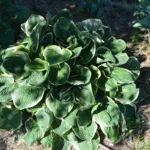
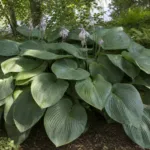
AI-generated illustration
Hosta ‘Green Fountain’ short overview
Hosta 'Green Fountain' is a registered 1979 cultivar by Paul Aden, valued for its glossy green leaves that arch and cascade in a fountain-like mound. Pale lavender flowers rise on tall, sometimes reddish-purple scapes in summer, while the foliage remains the main ornamental feature. Grow it in partial to full shade, fertile moisture-retentive soil, and a sheltered position. It is hardy across much of the United States but should be protected from prolonged drought, slugs, deer, and pet browsing.
Taxonomic classification
Hosta ‘Green Fountain’ care guide
Light and placement
Give bright filtered light, partial shade, or full shade. Morning sun or gentle late-day light is usually safer than hot afternoon exposure, especially in the South and Midwest. Too much sun or drought can scorch leaves and reduce their fresh green appearance; excessively deep, dry shade may produce slower growth and weaker flowering.
Watering and humidity
Water deeply when the upper soil begins to dry, keeping the root zone evenly moist rather than constantly saturated. Increase frequency during hot weather, drought, or competition from tree roots, and reduce irrigation in cool autumn weather after foliage declines. Apply water at the base to limit leaf disease and replenish mulch as it breaks down.
Soil and growing medium
Use fertile, humus-rich loam that holds even moisture but drains excess water. A slightly acidic to neutral soil is suitable, and hostas also tolerate mildly alkaline conditions. Improve poor ground with compost rather than planting in dense, stagnant clay. Mulch helps moderate root-zone temperature and moisture, but keep it away from the crown.
Feeding
Top-dress with compost in spring or apply a balanced slow-release perennial fertilizer as growth begins, following the product label. Avoid heavy nitrogen feeding, which can produce soft foliage and increase pest pressure. Do not fertilize drought-stressed, newly divided, or dormant plants; water normally before feeding.
Growth and habit
Forms a long-lived, deciduous clump with arching, fountain-like foliage. Mature plants can take several years to fill out. The cascading habit is most pronounced when the crown is raised slightly, planted on a slope, or grown in a container. Divide only when needed to control size or renew vigor.
Planting and repotting
Plant in spring or early fall, setting the crown at soil level with roots spread outward. Space about 36–48 inches apart for a full specimen, allowing the cascading leaves to develop without crowding. Water thoroughly after planting and maintain consistent moisture during the first growing season.
Repot container plants in early spring as growth begins, moving them into a wider, stable container with drainage holes. Refresh part of the potting mix rather than repeatedly shifting into an excessively large pot. Container hostas dry faster than plants in the ground and may need division when the crown becomes crowded.
Propagation and pruning
Propagation
Divide established clumps in early spring as shoots emerge or in late summer after flowering. Lift the crown, separate sections with viable buds and roots, and replant promptly. Division is the reliable method for maintaining the cultivar; seed will not reproduce the named clone consistently.
Pruning
No routine pruning is required during the growing season. Remove damaged leaves individually, and cut back the entire spent clump after frost or once foliage collapses in late fall. Remove flower scapes after bloom if seed production is not wanted or if a tidier appearance is preferred.
Overwintering
Leave healthy foliage in place until frost has killed it, then remove collapsed leaves to reduce overwintering pest and disease habitat. A light mulch is useful in exposed sites, especially for newly planted divisions, but avoid burying the crown. Containers should be protected from repeated freeze-thaw cycles or sunk into the ground.
Uses
Primarily an ornamental foliage perennial for shaded beds, woodland gardens, groundcover effects, borders, rain-garden margins, slopes, and containers. The fountain-like habit is especially effective where leaves can cascade over a bank or raised pot. Do not use as a food plant in the United States, and keep it away from pets because hostas can cause gastrointestinal illness when eaten.
Appearance
The plant is recognized by glossy, narrow-to-lance-shaped green leaves with a graceful arching and cascading arrangement. Leaves may have gently wavy margins, and the overall mound can resemble a fountain, especially in a raised container or on a slope. Tall scapes may show reddish-purple coloration and carry pale lavender flowers.
Flowering
This cultivar produces loose racemes of pale lavender, funnel-shaped flowers on tall scapes held above the foliage. Blooming is generally mid- to late summer, with some records placing the main display in July–August and others in August–September. Flowering is secondary to the glossy cascading foliage, and spent scapes may be removed after bloom.
Pollination and visitors
Hosta flowers are documented as attractive to bees, butterflies, and hummingbirds at the genus level. 'Green Fountain' has pale lavender racemes typical of hostas, so it can contribute modestly to a shaded pollinator planting, although cultivar-specific visitor observations are limited.
Diseases and pests
Diseases
Generally dependable, but avoid prolonged leaf wetness and crowded, poorly ventilated planting. Watch for hosta virus symptoms such as mottled or abnormal streaking, distorted leaves, or irregular color breaks; remove suspect plants and disinfect tools. Root or crown rot is more likely in waterlogged soil.
Pests
Slugs and snails commonly rasp holes in leaves, especially in damp gardens. Deer and rabbits may browse the foliage. Reduce sheltering debris, water at the soil surface, use barriers or labeled slug controls where needed, and protect valuable plants with fencing or repellents. Inspect container plants for vine weevil larvae.
Related diseases and pests
Only Plant Doctor profiles whose host data indicate this plant may be affected are shown here.
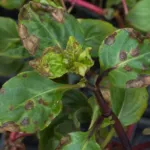 DiseaseImpatiens necrotic spot virus diseaseImpatiens necrotic spot orthotospovirus
 DiseaseSouthern blightAthelia rolfsii
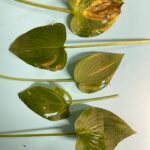 PestStrawberry foliar nematodeAphelenchoides fragariae
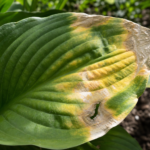 Environmental stressExcess light stress
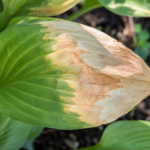 Environmental stressLeaf sunburn
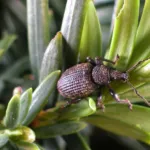 PestBlack Vine WeevilOtiorhynchus sulcatus
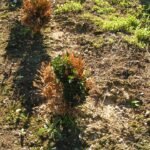 DiseasePhytophthora root and crown rotPhytophthora nicotianae
 Environmental stressWaterlogging
Toxicity and pollen
ASPCA lists Hosta as toxic to dogs and cats because of saponins, with vomiting, diarrhea, and depression reported after ingestion. Evidence for this exact cultivar is not usually separated from the genus-level assessment. Prevent pets from chewing leaves, flowers, or other plant material and contact a veterinarian after suspected ingestion.
- Typical season
- Summer flowering period
- Pollination / pollen
- Insect-carried pollen
Hosta is insect-pollinated, so its pollen is generally less readily dispersed through the air than wind-pollinated plants. Individual sensitivity is still possible, and the low rating reflects limited airborne exposure rather than a claim of zero allergy risk. Remove spent flowers if desired and avoid handling pollen-covered blooms with known sensitivity.
Native habitat
The cultivar is a garden selection rather than a wild population. Its hosta parentage reflects shade-adapted East Asian woodland plants that favor humus-rich, moisture-retentive soils beneath filtered light. In cultivation, provide shelter from drying winds and avoid hot, exposed afternoon sun.
Interesting fact
Introduced by Paul Aden in 1979 from 'Green Wedge' × Hosta longipes.
The long glossy leaves cascade like a small green fountain.
Reddish-purple scapes can contrast with the green foliage.
The cultivar is useful on slopes where leaves can spill downhill.
Hostas commonly reach full size over several growing seasons.
Frequently asked questions (FAQ)
The most relevant questions about this plant, with short and direct answers.
🌱Quick care
What is Hosta 'Green Fountain'?⌄
Hosta 'Green Fountain' is a deciduous, clump-forming perennial grown for its glossy green, cascading foliage and pale lavender flowers. It is a medium-to-large hosta introduced by Paul Aden in 1979.
How big does Hosta 'Green Fountain' get?⌄
Hosta 'Green Fountain' typically grows about 18–23 inches tall and 36–50 inches wide. Give it enough room to form its characteristic broad, fountain-like mound.
What USDA hardiness zones can grow Hosta 'Green Fountain'?⌄
Hosta 'Green Fountain' is generally hardy in USDA Zones 3–8, with some references extending its range to Zone 9b. In warmer zones, provide reliable moisture and protection from intense afternoon heat.
🌤️Environment and placement
Does Hosta 'Green Fountain' need sun or shade?⌄
Hosta 'Green Fountain' grows best in partial shade to full shade. It can tolerate some morning sun if the soil stays consistently moist, but hot afternoon sun may scorch or bleach the leaves.
Can Hosta 'Green Fountain' tolerate more sun than other hostas?⌄
Hosta 'Green Fountain' is considered relatively sun-tolerant for a hosta, especially in moist, organic-rich soil. Even so, afternoon shade is preferable in hot or dry climates.
Where is the best place to plant Hosta 'Green Fountain'?⌄
Plant Hosta 'Green Fountain' in a sheltered, shaded border, woodland garden, slope, or container where its arching leaves can cascade visibly. Avoid exposed sites with drying wind or reflected heat.
Can Hosta 'Green Fountain' grow under trees?⌄
Hosta 'Green Fountain' can grow under trees if it receives adequate filtered shade and regular water. Keep it away from dense tree roots when possible, because competing roots can make consistent moisture difficult.
Is Hosta 'Green Fountain' suitable for containers?⌄
Hosta 'Green Fountain' grows well in a large container with drainage holes, especially when the pot is raised so its foliage can spill over the sides. Use a fertile, moisture-retentive potting mix and water regularly.
💧Care and problems
How often should I water Hosta 'Green Fountain'?⌄
Water Hosta 'Green Fountain' regularly enough to keep the soil evenly moist but not waterlogged. Check container plants and plants under trees more often because they dry out faster.
What soil does Hosta 'Green Fountain' prefer?⌄
Hosta 'Green Fountain' prefers fertile, humus-rich soil that holds moisture while draining excess water. Improve poor soil with compost or other well-decomposed organic matter before planting.
How do I fertilize Hosta 'Green Fountain'?⌄
Apply a balanced, slow-release fertilizer in spring as new growth begins. Avoid heavy late-season feeding, which can encourage tender growth before dormancy.
Why are the leaves of my Hosta 'Green Fountain' turning brown?⌄
Brown leaf edges usually indicate drought stress, excessive sun, hot wind, or salt buildup in the soil. Restore even moisture, provide more afternoon shade, and remove badly damaged leaves.
Do slugs eat Hosta 'Green Fountain'?⌄
Yes, slugs and snails may damage Hosta 'Green Fountain', especially during wet weather. Reduce hiding places, avoid letting mulch touch the crown, and use a control method appropriate for your garden.
Is Hosta 'Green Fountain' deer resistant?⌄
Hosta 'Green Fountain' is not reliably deer resistant; deer commonly browse hostas. Use fencing, repellents, or other deer-management measures where browsing pressure is high.
Does Hosta 'Green Fountain' go dormant in winter?⌄
Yes, Hosta 'Green Fountain' is deciduous and dies back to the crown in fall before winter dormancy. Remove collapsed foliage after frost or leave it until spring if it is providing habitat and remains healthy.
🪴Planting and repotting
When is the best time to plant Hosta 'Green Fountain'?⌄
Plant Hosta 'Green Fountain' in spring or early fall when temperatures are moderate and soil moisture is dependable. Water thoroughly after planting and keep the root zone evenly moist while it establishes.
How far apart should I plant Hosta 'Green Fountain'?⌄
Space Hosta 'Green Fountain' about 36–48 inches apart, depending on whether you want the plants to touch at maturity. Allow additional room where the cultivar can reach roughly 50 inches wide.
How do I plant Hosta 'Green Fountain' in the ground?⌄
Set the crown at the same depth it was growing in its container, spread the roots outward, and backfill with fertile soil. Water deeply, then apply a thin mulch layer while keeping mulch off the crown.
✂️Propagation and pruning
How do I propagate Hosta 'Green Fountain'?⌄
Propagate Hosta 'Green Fountain' by dividing established clumps in early spring or late summer. Separate sections with healthy roots and shoots, replant them promptly, and keep them evenly moist.
Can Hosta 'Green Fountain' be grown from seed?⌄
It can produce seed, but seedlings may not reproduce the named cultivar consistently. Division is the preferred method when you want plants that retain the characteristic 'Green Fountain' foliage and habit.
Should I cut back Hosta 'Green Fountain' after flowering?⌄
Cut flower scapes back after blooming if you prefer a tidier appearance or want to direct attention to the foliage. Removing them is optional and does not replace the need to remove dead foliage in fall or spring.
⚠️Toxicity and safety
Is Hosta 'Green Fountain' toxic to dogs and cats?⌄
Yes, Hosta 'Green Fountain' is moderately toxic to dogs and cats if eaten. Ingestion may cause gastrointestinal upset, so contact a veterinarian or animal poison service if a pet consumes the plant and develops symptoms.
🌸Flowering and special interest
When does Hosta 'Green Fountain' bloom?⌄
Hosta 'Green Fountain' usually blooms in summer, with some plants flowering from July into August or later depending on climate. Its pale lavender flowers are carried on arching or drooping scapes above the foliage.
What do the flowers of Hosta 'Green Fountain' look like?⌄
The flowers are pale lavender, star- or bell-shaped blooms held on tall, graceful scapes. The cultivar is primarily valued for its glossy cascading foliage, but it can also be notably floriferous.
Is Hosta 'Green Fountain' fragrant?⌄
Hosta 'Green Fountain' is generally not considered a fragrant hosta. Its main ornamental features are the glossy green leaves, rippled texture, cascading form, and lavender flowers.