Source:
Hosta ‘Honeybells’ short overview
Hosta 'Honeybells' is a vigorous, clump-forming hosta valued for its glossy medium-green leaves and fragrant pale lavender to near-white flowers. The mature plant forms a broad mound about 2 feet tall and 3 feet wide, with tall summer scapes rising above the foliage. Grow it in moist, organic, well-drained soil in partial to full shade, especially in woodland borders, beds, or large containers. A vigorous, fragrant-flowered hosta with glossy green foliage and a broad clumping habit. ‘Honeybells’ is best suited to moist, shaded beds and woodland-style plantings.
Taxonomic classification
Hosta ‘Honeybells’ care guide
Light and placement
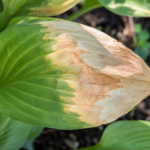
Grow in partial shade to full shade, ideally with bright morning light and protection from hot afternoon sun. North- and east-facing beds, woodland edges, and sheltered foundation plantings are suitable. Scorched leaf margins or bleached patches indicate excessive sun or drought; weak, stretched growth and reduced flowering may indicate overly dense shade.
Watering and humidity
Water deeply when the upper inch of soil begins to dry, keeping the root zone consistently moist rather than saturated. Increase watering during hot, dry weather and reduce it after leaf dormancy. Apply water to the soil rather than repeatedly wetting the foliage, especially during cool, damp periods.
Soil and growing medium
Use fertile, moisture-retentive soil that still drains freely. Loam enriched with compost or leaf mold is ideal; heavier clay can be improved with organic matter and drainage. Acidic to neutral conditions are suitable, and consistently waterlogged soil should be avoided.
Feeding
Top-dress with compost in spring and apply a balanced, slow-release fertilizer at label rate as growth begins if soil fertility is poor. Avoid heavy nitrogen applications, which can produce soft foliage and encourage pest problems. Do not fertilize during drought, severe heat, or once the plant is entering dormancy.
Growth and habit
This is a vigorous, clump-forming hosta that gradually develops a broad mound from basal shoots. It is generally long-lived and low-maintenance once established. Remove spent scapes for tidiness, and divide only when the clump becomes crowded or propagation is desired.
Planting and repotting
Plant in spring or early fall, setting the crown at soil level with roots spread naturally. Space about 30–36 inches apart for a mature clump. Water thoroughly after planting and mulch lightly, keeping mulch away from the crown.
Repot container-grown plants in early spring as new shoots emerge, moving them into a slightly larger container with fresh moisture-retentive but well-drained potting mix. Divide only when necessary, since mature hostas establish well when left undisturbed.
Propagation and pruning
Propagation
Division in early spring or early fall is the most dependable method and preserves the cultivar. Lift an established clump, separate sections with healthy roots and shoots, and replant promptly. Seed is possible because the cultivar is reported fertile, but seedlings will not necessarily reproduce the parent exactly.
Pruning
Cut flowering scapes after bloom if seed production is not wanted, or leave them until frost for seasonal structure. Remove yellowed foliage after a hard freeze or in early spring before new shoots emerge. Avoid cutting into emerging crowns.
Overwintering
Leave the plant outdoors in the ground in suitable USDA Zones 3–8. After a hard freeze, remove collapsed foliage and apply a light mulch in exposed sites, but keep mulch away from the crown. Containers are more vulnerable to freeze damage and should be insulated or moved to a sheltered location.
Uses
Useful as a foliage accent, mass planting, shaded border plant, woodland-garden perennial, groundcover-style grouping, or large-container specimen. The fragrant flowers add late-season interest, but the plant should not be used where pets are likely to eat it.
Appearance
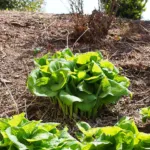
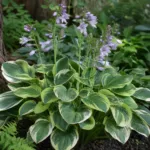
The plant forms a broad mound of glossy, medium-green leaves that are broadly oval to heart-shaped, lightly wavy, and prominently veined. Tall scapes carry pale lavender-white flowers above the foliage. Its durable green leaves and fragrant bloom display distinguish it from many foliage-only hostas.
Flowering
Tall scapes rise above the foliage in mid- to late summer, carrying nodding, bell- or funnel-shaped flowers. The blooms are pale lavender, white to near-white, and notably fragrant. Flowering may extend from July into September depending on climate and establishment.
Pollination and visitors
The fragrant, pale flowers are documented as attractive to insect visitors, with moth visitation being the most plausible characteristic association for strongly scented late-season blooms. Cultivar-specific pollinator records are limited, so attraction is rated low rather than high.
Hosta 'Honeybells' photos
Click any photo for a larger view. Source, author and license are shown separately.
Diseases and pests
Diseases
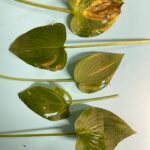
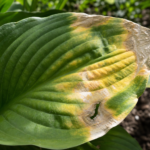
Prevent crown and root problems by planting in well-drained soil and avoiding excessive winter wetness. Watch for foliar fungal spots during prolonged wet weather; remove badly affected leaves and improve air circulation. Virus symptoms such as mottling or distorted leaves warrant removal of the plant.
Pests
Slugs and snails commonly chew holes in the leaves, especially in damp, sheltered beds. Use cultural controls first: remove hiding places, water at soil level, reduce excessive mulch, and hand-pick pests. Deer may browse hosta foliage; fencing or repellents may be needed where deer pressure is high.
Related diseases and pests
Only Plant Doctor profiles whose host data indicate this plant may be affected are shown here.

Toxicity and pollen
Hostas contain saponins and are recognized as toxic to dogs and cats if eaten. Typical signs include vomiting, diarrhea, and depression. Keep pets from consuming leaves, flowers, or other plant material and contact a veterinarian if ingestion occurs.
- Typical season
- Late summer during flowering
- Pollination / pollen
- Primarily insect-carried pollen
Hosta flowers release pollen from exposed anthers, but the pollen is primarily moved by flower visitors rather than dispersed widely by wind. Cultivar-specific allergy studies were not located; airborne exposure is therefore considered low, though sensitive individuals may still react to flowering plants.
Native habitat
The cultivar is garden-bred rather than a wild population, with reported parentage involving Hosta plantaginea and Hosta sieboldii. Its horticultural preferences reflect hosta ecology: cool, shaded conditions, humus-rich soil, reliable moisture, and protection from drying heat.
Interesting fact
‘Honeybells’ was registered with the American Hosta Society in 1986 and is attributed to Alex Cummings. Its reported parentage is Hosta plantaginea × Hosta sieboldii. The cultivar is valued for fragrant flowers despite being grown primarily for foliage. It is also noted for vigorous growth and durable leaves.
Frequently asked questions (FAQ)
The most relevant questions about this plant, with short and direct answers.
🌱Quick care
What is Hosta 'Honeybells'?⌄
Hosta 'Honeybells' is a large, clump-forming perennial grown for glossy light-green, heart-shaped foliage and fragrant pale-lavender flowers. It is a hardy outdoor hosta suited to partial shade or shade.
How big does Hosta 'Honeybells' get?⌄
Hosta 'Honeybells' typically grows about 2 feet tall and 3 to nearly 4 feet wide. Mature plants may take several years to reach their full size.
Is Hosta 'Honeybells' easy to grow?⌄
Yes, Hosta 'Honeybells' is generally an easy-care perennial when grown in moist, fertile soil and partial shade. Consistent moisture and protection from intense afternoon heat help maintain its best foliage.
🌤️Environment and placement
How much sun does Hosta 'Honeybells' need?⌄
Hosta 'Honeybells' grows best in partial shade to shade, especially with morning sun or dappled light. It can tolerate more sun than some hostas, but hot afternoon exposure may scorch the leaves unless moisture is maintained.
Can Hosta 'Honeybells' grow in full shade?⌄
Yes, Hosta 'Honeybells' can grow in full shade, but flowering may be less abundant and the plant may grow more slowly. Bright indirect light or dappled shade usually gives better overall performance.
Can Hosta 'Honeybells' tolerate afternoon sun?⌄
Hosta 'Honeybells' can tolerate some afternoon sun better than many hostas, particularly when the soil stays evenly moist. In hot regions, morning sun followed by afternoon shade is safer for preventing leaf scorch.
What USDA zones are suitable for Hosta 'Honeybells'?⌄
Hosta 'Honeybells' is commonly listed as hardy in USDA Zones 3 through 8. Performance in warmer areas improves with deep shade, reliable moisture, and protection from reflected heat.
What type of soil does Hosta 'Honeybells' prefer?⌄
Hosta 'Honeybells' prefers fertile, moisture-retentive but well-drained loam enriched with organic matter. It can grow in improved clay if drainage is adequate and the soil does not remain waterlogged.
💧Care and problems
How often should I water Hosta 'Honeybells'?⌄
Water Hosta 'Honeybells' whenever the soil surface begins to dry, keeping the root zone evenly moist but not soggy. During hot or dry weather, it may need supplemental irrigation once or more each week.
Why are the leaves of my Hosta 'Honeybells' turning brown?⌄
Brown leaf edges on Hosta 'Honeybells' are commonly caused by drought, hot sun, wind, or reflected heat. Improve soil moisture, add mulch, and provide afternoon shade; persistent browning can also follow hail or pest damage.
How do I protect Hosta 'Honeybells' from slugs and snails?⌄
Reduce slug and snail damage by removing hiding places, watering at soil level, and checking plants at night or early morning. Traps, barriers, or labeled slug controls can be used when damage is severe.
Do deer and rabbits eat Hosta 'Honeybells'?⌄
Yes, deer and rabbits may eat Hosta 'Honeybells', although individual hosta cultivars can vary in palatability. Use fencing, repellents, or protected planting areas where browsing pressure is high.
Should I fertilize Hosta 'Honeybells'?⌄
Apply a balanced slow-release fertilizer in spring as new shoots emerge if the soil is not already fertile. Avoid heavy late-season fertilization, which can encourage tender growth before dormancy.
🪴Planting and repotting
When is the best time to plant Hosta 'Honeybells'?⌄
Plant Hosta 'Honeybells' in spring or early fall while the soil is workable and reasonably moist. Spring planting is especially useful in colder regions because roots have the full growing season to establish.
How should I plant Hosta 'Honeybells' in the ground?⌄
Plant Hosta 'Honeybells' with the crown at soil level and the roots spread through a wide hole amended with compost. Water thoroughly after planting and apply a light mulch without covering the crown.
Can Hosta 'Honeybells' grow in a container?⌄
Yes, Hosta 'Honeybells' can grow in a large container with drainage holes and moisture-retentive potting mix. Choose a pot wide enough for its mature clump and provide shade because containers dry and heat more quickly than garden soil.
✂️Propagation and pruning
How do you propagate Hosta 'Honeybells'?⌄
Propagate Hosta 'Honeybells' by dividing the clump in early spring as shoots emerge or in early fall. Each division should include healthy roots and at least one growing point.
Can Hosta 'Honeybells' be grown from seed?⌄
Hosta 'Honeybells' can produce seed, but seedlings may not closely resemble the named cultivar. Division is the preferred method when you want new plants that retain the parent’s characteristics.
Should I cut back Hosta 'Honeybells' in fall?⌄
Cut back Hosta 'Honeybells' after frost turns the foliage yellow or brown and the plant begins dormancy. Removing dead leaves before mid-spring helps tidy the planting and reduces overwintering debris.
⚠️Toxicity and safety
Is Hosta 'Honeybells' toxic to dogs?⌄
Yes, Hosta 'Honeybells' should be considered toxic to dogs if eaten because hostas contain saponins. Ingestion may cause vomiting, diarrhea, lethargy, or depression, so contact a veterinarian if a dog consumes the plant.
Is Hosta 'Honeybells' toxic to cats?⌄
Yes, Hosta 'Honeybells' is considered toxic to cats if eaten. Keep cats away from the foliage and flowers, and seek veterinary advice if ingestion or symptoms such as vomiting, diarrhea, or lethargy occur.
Is Hosta 'Honeybells' safe for children?⌄
Hosta 'Honeybells' is an ornamental plant and should not be eaten by children. Keep plant material out of reach and contact a medical professional or poison-control service if ingestion occurs.
🌸Flowering and special interest
When does Hosta 'Honeybells' bloom?⌄
Hosta 'Honeybells' generally blooms from early to late summer, often around June through August depending on climate. Its pale-lavender, bell-shaped flowers are notably fragrant and rise above the foliage on tall scapes.
Are Hosta 'Honeybells' flowers fragrant?⌄
Yes, Hosta 'Honeybells' produces fragrant, pale-lavender flowers. More light and consistent moisture generally support stronger flowering, although the plant can still grow in fairly deep shade.
Why is my Hosta 'Honeybells' not blooming?⌄
Limited light, drought, transplant stress, or immature growth can reduce blooming in Hosta 'Honeybells'. Move it toward bright dappled shade if practical and maintain even moisture; very deep shade may produce foliage without many flowers.
Can Hosta 'Honeybells' flowers be used as cut flowers?⌄
Yes, the fragrant flower scapes of Hosta 'Honeybells' can be cut for indoor arrangements. Harvest them when the lower flowers are open and place the stems in clean water.