
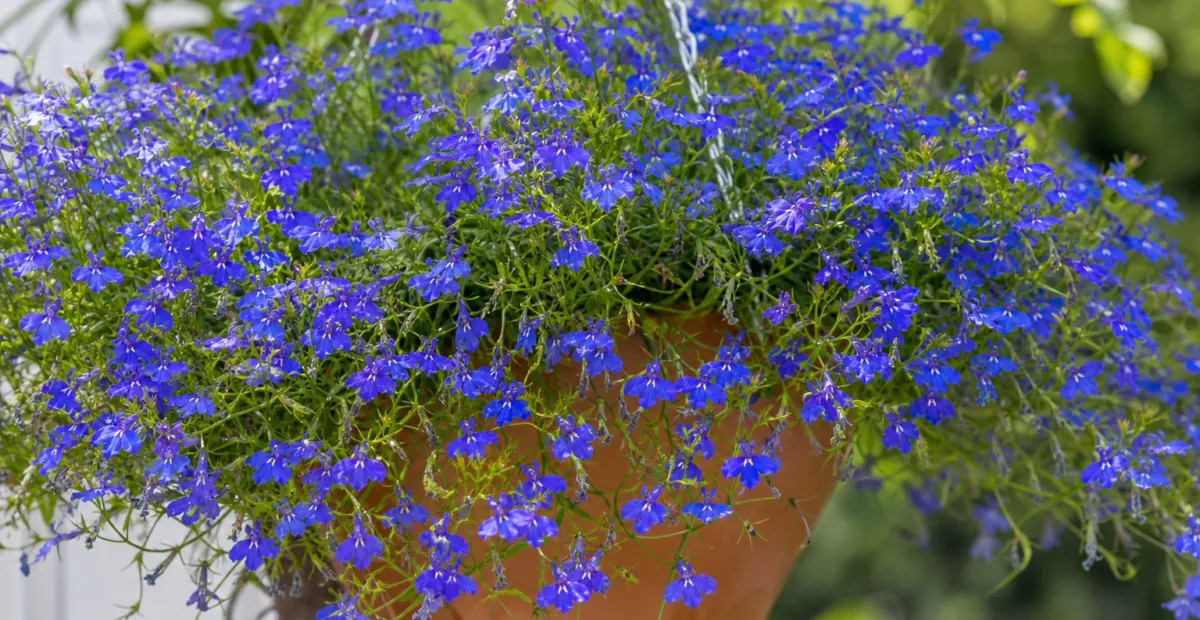
 AI-generated illustration
Lobelia ‘Cascade Blue’ short overview
Lobelia 'Cascade Blue' is a trailing bedding lobelia valued for its vivid blue flowers and cascading habit. It works especially well in hanging baskets, window boxes, raised planters, and the edges of mixed containers. Give it bright light, fertile but sharply drained soil, and consistent moisture. Like other trailing Lobelia erinus types, it performs best in cool weather and may pause during periods of intense summer heat.
Taxonomic classification
Lobelia ‘Cascade Blue’ care guide
Light and placement
Grow in full sun to partial shade. In cool climates, several hours of direct morning or midday sun supports the heaviest bloom. In hot-summer areas, choose morning sun with light afternoon shade and protect containers from reflected heat. Too little light produces weak, sparse growth and fewer flowers; excessive heat and harsh afternoon exposure can cause wilting and a temporary flowering pause.
Watering and humidity
Water when the surface begins to dry, then soak the root ball thoroughly and allow excess water to drain. Do not let containers remain waterlogged, but avoid repeated severe drying, which quickly causes wilt and flower loss. Increase watering during hot, windy weather and reduce it during cool, cloudy periods. Water the soil rather than repeatedly wetting the foliage.
Soil and growing medium
Use a fertile, moisture-retentive but well-drained mix. A quality container medium amended with compost works well, provided it does not stay saturated. Lobelia generally tolerates acidic, neutral, and mildly alkaline soils, but compacted or poorly drained media increase the risk of root and stem problems.
Feeding
Feed during active growth with a balanced liquid fertilizer diluted to about half the label strength every 2–4 weeks, or use a controlled-release product according to its label. Avoid heavy nitrogen feeding, which can produce soft foliage at the expense of flowers. Do not fertilize drought-stressed, waterlogged, or newly transplanted plants until they recover.
Growth and habit
Forms a low, soft, spreading plant with stems that trail over container edges. Growth is quickest in cool, bright weather and may stall during intense heat. A light cutback after flowering flushes helps maintain fresh foliage and encourages renewed flowering.
Planting and repotting
Plant outdoors after the danger of hard frost has passed and nighttime temperatures are moderating. Set plants at the same depth as in their original container. Allow roughly 6–12 inches between plants, or position them near the rim of a container so the stems can spill naturally. Water thoroughly after planting and keep evenly moist during establishment.
Repotting is usually unnecessary because this is grown as a seasonal annual. If started in a small nursery cell, transplant once roots hold the plug together, disturbing the root ball as little as possible. Move into a container with drainage holes and enough room for trailing growth.
Propagation and pruning
Propagation
Seed is the best-supported practical method for ordinary trailing lobelia material, although named cultivars may not come true from seed. Sow on the surface of moist seed-starting mix because light assists germination; do not bury deeply. Start indoors several weeks before the local last frost and transplant after hardening off.
Pruning
Shear or trim lightly after a heavy flowering flush, removing roughly one-third of the trailing growth if plants become sparse or stop flowering. Avoid severe cutting during drought or heat stress. Remove spent and damaged stems to improve appearance and airflow.
Overwintering
Treat as a seasonal annual in most of the United States. Protect from frost and bring containers indoors only if maintaining a specimen temporarily; provide very bright light, cool conditions, and careful watering. Outdoor plants commonly decline after sustained freezing or prolonged heat.
Uses
Primarily an ornamental annual for hanging baskets, window boxes, raised planters, mixed containers, edging, and the front of seasonal beds. Its trailing habit makes it useful as a spiller in container designs. It has no established culinary or medicinal use in the reviewed sources.
Appearance
The plant has slender, flexible green stems and small, neat green leaves. Its most distinctive feature is the low, cascading habit, with numerous small blue flowers distributed along the trailing growth. The fine texture contrasts well with bold-leaved container companions.
Flowering
Small, two-lipped blue flowers are produced along slender trailing stems. Bloom is strongest in cool to mild weather, generally from late spring into early fall in much of the United States. Hot conditions can temporarily reduce flowering; plants often recover when temperatures moderate. Cutting back after a flush can encourage fresh growth and renewed bloom.
Pollination and visitors
Small lobelia flowers may be visited by small bees and hoverflies, but cultivar-specific pollinator studies were not located. Visitor activity is expected to be modest compared with large, nectar-rich perennial flowers.
Diseases and pests
Diseases
Excess moisture and poor airflow can contribute to damping-off, stem rot, and root rot. Use clean containers, a porous medium, and drainage holes; water the root zone rather than keeping foliage wet. Remove collapsed stems promptly and avoid reusing contaminated potting mix.
Pests
Aphids, slugs, and snails may occasionally damage tender growth. Inspect new shoots and container rims regularly. Improve airflow, remove badly affected foliage, hand-pick larger pests, and use only proportionate treatments labeled for ornamental plants.
Related diseases and pests
Only Plant Doctor profiles whose host data indicate this plant may be affected are shown here.
 DiseasePseudomonas viridiflava bacterial blightPseudomonas viridiflava
 DiseaseImpatiens necrotic spot virus diseaseImpatiens necrotic spot orthotospovirus
 DiseaseCucumber mosaic virusCucumber mosaic virus
 DiseasePythium ultimum Damping-Off and Root RotPythium ultimum Trow
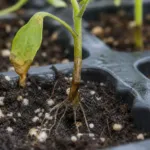 DiseasePythium damping-off and root rotPythium debaryanum R. Hesse; often treated taxonomically as Globisporangium debaryanum
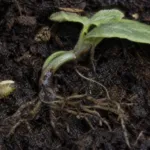 DiseasePythium damping-off, root rot and blightPythium aphanidermatum
Toxicity and pollen
No significant toxicity warning for this exact cultivar was located in the reviewed authoritative horticultural material. Avoid treating absence of a warning as proof of complete safety; prevent ingestion of ornamental plant material by children and pets and seek professional advice if a substantial amount is eaten.
- Typical season
- No distinct airborne-pollen season is well documented for this cultivar; flowering season is the relevant exposure period.
- Pollination / pollen
- Insect-dispersed pollen
This is an insect-pollinated flowering annual, so pollen is generally deposited locally rather than released in large windborne clouds. Individual sensitivity is still possible, but a high airborne-allergy risk is not documented for this cultivar.
Native habitat
The cultivated plant is associated with seasonal bedding and container culture rather than a stable natural habitat. Its horticultural background is linked to trailing Lobelia erinus material, a species native to southern Africa and adapted in cultivation to bright light, cool-to-mild temperatures, and evenly moist but drained growing media.
Interesting fact
Trailing Cascade-type lobelias are commonly used as container spillers rather than permanent landscape perennials. Flowering can slow during summer heat and resume when temperatures cool. The cultivar name is not consistently separated from related Cascade-series or Blue Cascade material in horticultural references.
Frequently asked questions (FAQ)
The most relevant questions about this plant, with short and direct answers.
🌱Quick care
What is Lobelia 'Cascade Blue'?⌄
Lobelia 'Cascade Blue' is a frost-tender, trailing lobelia grown for its abundant blue flowers and cascading habit. It is especially suited to hanging baskets, window boxes, containers, and border edges.
Is Lobelia 'Cascade Blue' an annual or perennial?⌄
In most of the United States, Lobelia 'Cascade Blue' is grown as a tender annual. It may survive winter only in frost-free climates or with careful protection indoors.
How much light does Lobelia 'Cascade Blue' need?⌄
Give Lobelia 'Cascade Blue' full sun to partial shade. In hot summer regions, afternoon shade can help prevent heat stress and keep the soil from drying too quickly.
How often should I water Lobelia 'Cascade Blue'?⌄
Water Lobelia 'Cascade Blue' whenever the soil surface begins to dry, keeping the root zone evenly moist but not waterlogged. Container-grown plants may need checking daily during hot, windy weather.
🌤️Environment and placement
Can Lobelia 'Cascade Blue' grow in full sun?⌄
Yes, Lobelia 'Cascade Blue' can grow in full sun when the soil stays consistently moist. In areas with intense summer heat, morning sun and afternoon shade may produce better flowering.
Can Lobelia 'Cascade Blue' grow in partial shade?⌄
Yes, partial shade is suitable, especially where summers are hot. Too much shade can make the plant less floriferous and produce a looser, less cascading habit.
Is Lobelia 'Cascade Blue' suitable for hanging baskets?⌄
Yes, Lobelia 'Cascade Blue' is well suited to hanging baskets because its stems trail over the rim and its flowers provide extended seasonal color. Use a basket with drainage holes and monitor moisture closely.
Can Lobelia 'Cascade Blue' grow indoors?⌄
Lobelia 'Cascade Blue' is primarily an outdoor seasonal plant rather than a long-term houseplant. It can be brought indoors temporarily to protect it from frost, provided it receives very bright light and good air circulation.
What USDA hardiness zone is Lobelia 'Cascade Blue'?⌄
Lobelia 'Cascade Blue' is frost tender, so it is commonly grown as an annual across much of the United States. In USDA Zones 9 and warmer, it may persist longer if protected from freezes, but its winter performance is not guaranteed.
💧Care and problems
What soil is best for Lobelia 'Cascade Blue'?⌄
Use fertile, moisture-retentive but well-drained potting mix or loam. Avoid heavy, poorly drained soil because constantly wet roots can lead to decline and root problems.
Why is my Lobelia 'Cascade Blue' wilting?⌄
Wilting is most often caused by dry soil, heat, or damaged roots from excessive moisture. Check the soil before watering, then improve drainage if it remains wet while the plant wilts.
Why is Lobelia 'Cascade Blue' not flowering?⌄
Poor flowering can result from insufficient light, drought stress, excessive nitrogen, or extreme summer heat. Move containers into brighter light while protecting them from harsh afternoon heat, and keep moisture consistent.
Should I fertilize Lobelia 'Cascade Blue'?⌄
Feed Lobelia 'Cascade Blue' lightly with a balanced, water-soluble fertilizer during active growth if it is growing in a container. Avoid heavy nitrogen feeding, which can encourage foliage at the expense of flowers.
Does Lobelia 'Cascade Blue' need deadheading?⌄
Deadheading is optional but can improve its appearance and encourage continued flowering. A light trim after a major flush of bloom can also promote fresh, branching growth.
Can Lobelia 'Cascade Blue' tolerate summer heat?⌄
Lobelia 'Cascade Blue' tolerates warm weather best when its soil remains evenly moist and it receives some afternoon protection. Flowering may slow during intense heat and often resumes when conditions become cooler.
🪴Planting and repotting
When should I plant Lobelia 'Cascade Blue' outdoors?⌄
Plant Lobelia 'Cascade Blue' outdoors after the local danger of frost has passed and nighttime temperatures are consistently mild. Harden nursery plants gradually before exposing them to full outdoor conditions.
How far apart should I plant Lobelia 'Cascade Blue'?⌄
Space plants about 8 inches apart for containers or beds, adjusting slightly according to the desired density and the size of the plants. Allow enough room for the trailing stems to spread without creating stagnant, crowded foliage.
What size container does Lobelia 'Cascade Blue' need?⌄
A container about 6–8 inches wide is generally suitable for one Lobelia 'Cascade Blue' plant, provided it has drainage holes. Larger mixed containers can be used if the accompanying plants have similar moisture needs.
How do I repot Lobelia 'Cascade Blue'?⌄
Repot Lobelia 'Cascade Blue' only when roots have filled the container or water runs through without moistening the mix. Move it into a container just one size larger and keep the plant at its original soil depth.
✂️Propagation and pruning
How do I grow Lobelia 'Cascade Blue' from seed?⌄
Sow the seeds on the surface of moist seed-starting mix because they need light to germinate, and do not cover them with soil. Keep the tray evenly moist and provide bright light until seedlings are established.
Can I save seeds from Lobelia 'Cascade Blue'?⌄
You can collect mature seeds if the plant produces them, but offspring may not be identical to the named cultivar. For reliable color and habit, purchase seed or plants identified specifically as Lobelia 'Cascade Blue'.
Can Lobelia 'Cascade Blue' be propagated from cuttings?⌄
Stem cuttings may be possible, but seed or purchased young plants are the more commonly documented methods for this cultivar. Success with cuttings can vary, so use healthy, nonflowering shoots and a sterile, well-drained rooting medium.
Should I cut back Lobelia 'Cascade Blue'?⌄
Yes, you can lightly shear Lobelia 'Cascade Blue' after flowering slows or the stems become untidy. Cutting back by roughly one-third encourages fresh growth, but avoid severe pruning that removes most of the foliage.
⚠️Toxicity and safety
Is Lobelia 'Cascade Blue' toxic to people or pets?⌄
No specific toxicity warning was located for Lobelia 'Cascade Blue', but ingestion should still be discouraged. Keep plants and plant material away from children and pets because cultivar-specific safety information is limited.
Is Lobelia 'Cascade Blue' frost hardy?⌄
No, Lobelia 'Cascade Blue' is frost tender and can be damaged or killed by freezing temperatures. Bring container plants indoors before frost or replace them seasonally.
🌸Flowering and special interest
When does Lobelia 'Cascade Blue' bloom?⌄
Lobelia 'Cascade Blue' generally flowers from late spring through summer and may continue into fall when temperatures remain moderate. Blooming can pause during severe heat or after the plant experiences drought stress.
What color are the flowers of Lobelia 'Cascade Blue'?⌄
The flowers are blue, typically appearing as numerous small blooms along trailing stems. The cultivar is valued for creating a strong blue cascade in baskets, containers, and edging displays.
How can I make Lobelia 'Cascade Blue' flower more?⌄
Provide bright light, steady moisture, fertile but well-drained soil, and light feeding during active growth. Protecting the plant from extreme afternoon heat and trimming it lightly after a flush can also support renewed flowering.
Similar plants
 Rocky Mountain Juniper (Juniperus scopulorum) care guideJuniperus scopulorum
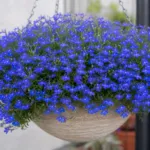 Lobelia ‘Techno Blue’Lobelia 'Techno Blue'
 Spanish lavender (Lavandula pedunculata) care guideLavandula pedunculata
 Green lavender or white lavende (Lavandula viridis) care guideLavandula viridis
 Hidcote Blue (Lavandula angustifolia ‘Hidcote Blue’)Lavandula angustifolia 'Hidcote Blue'
 Lavandula dentata care guideLavandula dentata