
 Source:
 Lavandula dentata short overview
Lavandula dentata is an aromatic, woody-based lavender native to Mediterranean and nearby subtropical regions. Its gray-green leaves have distinctive rounded teeth, while slender stems carry violet-blue flower clusters above the foliage. In the United States it is best treated as a perennial in warm, frost-free climates and as a container plant elsewhere. Give it full sun, excellent drainage, restrained watering, and winter protection where hard freezes occur.
Taxonomic classification
Lavandula dentata care guide
Light and placement
Provide at least 6 hours of direct sun, ideally in a south- or west-facing position with excellent air movement. Bright light helps maintain compact, aromatic growth and abundant flowering. Too little light produces weak, stretched stems and fewer flowers; excessive heat is usually tolerated if roots remain cool enough and irrigation is appropriately timed.
Watering and humidity
Water deeply when the root zone has dried substantially, then allow the mix to dry again before watering. Newly planted specimens need more regular irrigation during establishment; established plants prefer a dry cycle between soakings. Reduce watering in cool weather and stop routine irrigation during prolonged wet periods. Do not mist the foliage.
Soil and growing medium
Use a gritty, fast-draining mix based on sand, loam, mineral grit, or pumice. Avoid heavy, water-retentive soil and poorly drained beds. It tolerates mildly acidic through mildly alkaline conditions and generally performs well in calcareous or rocky substrates. In containers, use a Mediterranean or cactus-style mix rather than rich moisture-retentive potting soil.
Feeding
Feed sparingly. In spring, top-dress an established plant with a thin layer of low-nitrogen compost or apply a balanced fertilizer at half strength if growth is weak. A second light feeding may be used after the first major bloom in a long growing season. Do not overfertilize or feed dry, heat-stressed, or dormant plants; excess nitrogen produces soft growth and fewer aromatic flowers.
Growth and habit
This species forms a spreading, woody-based subshrub with upright branches and long flowering stems. It remains evergreen in mild climates but may suffer dieback after freezes. Keep the center open through careful cutting-back, avoid chronically wet roots, and replace plants that become excessively woody rather than cutting deep into old, leafless wood.
Planting and repotting
Plant after the last expected spring frost, or in fall only in reliably frost-free areas. Set the crown at the same level as in its nursery container; do not bury woody stems. Space plants about 24–36 inches apart for air circulation and mature spread. Water regularly during establishment, then reduce frequency as roots settle.
Repot in spring when roots fill the container, moving up only one pot size. Handle the root ball gently and refresh the drainage-focused mix. Avoid oversized containers, which stay wet too long. After repotting, water once thoroughly, then allow the upper mix to dry before watering again.
Propagation and pruning
Propagation
Take softwood cuttings in late spring or summer from nonflowering shoots, remove the lower leaves, and root in a sterile, well-drained medium kept lightly moist. Seed propagation is also possible, although seedlings may vary. Avoid overwatering cuttings, because the species roots best with air-filled media and moderate humidity.
Pruning
剪?
Overwintering
Before hard freezes, move container plants to a bright, cool, well-ventilated location and water sparingly. In marginal outdoor climates, place plants against a protected wall, keep crowns dry, and use light frost protection during brief cold events. Severe or prolonged freezing may kill stems or the entire plant. Resume watering gradually in spring.
Uses
Use it as an aromatic ornamental, informal low hedge, container specimen, rock-garden plant, or cut flower. Dried flowers can be used in potpourri and related fragrance crafts. The flowers support wildlife-friendly planting. Traditional medicinal uses are documented historically, but they should not be treated as established medical advice.
Appearance
The plant is recognized by its highly aromatic, gray-green leaves with rounded teeth along the margins. Leaves are borne in rosettes along woody stems and may feel slightly sticky. Slender gray flower stems carry terminal violet-blue clusters, giving the plant a textured, silvery appearance even before bloom.
Flowering
Flowering stems rise above the toothed foliage and carry narrow clusters of tiny violet-blue flowers with conspicuous papery bracts. In warm US climates, flowering may begin in spring and continue intermittently through fall; protected plants can flower for an extended season. Bloom is reduced by shade, excessive nitrogen, or consistently wet roots.
Pollination and visitors
The violet-blue flowers are documented as attractive to bees and are also visited by other flower-visiting insects, including bumblebees, butterflies, and hoverflies. Maintain pesticide-free blooms where possible and provide additional flowering plants to support visitors across the season.
Lavandula dentata photos
Click any photo for a larger view. Source, author and license are shown separately.
Diseases and pests
Diseases
The main risk is root or crown rot caused by persistently wet soil. Prevent problems with raised or sharply drained beds, porous container media, careful irrigation, and good air movement. Remove badly affected material and correct drainage rather than repeatedly treating symptoms. Gray mold may develop on crowded, wet foliage or spent flowers.
Pests
Watch for aphids, whiteflies, spider mites, and spittlebugs, especially on stressed container plants. Inspect new growth and flower stems regularly. Improve light and air movement, rinse foliage when practical, and use insecticidal soap only when pests are confirmed and the label permits use. Avoid routine broad-spectrum insecticides during bloom because they can harm visiting pollinators.
Related diseases and pests
Only Plant Doctor profiles whose host data indicate this plant may be affected are shown here.
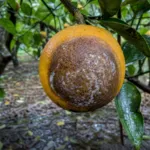 DiseaseCitrus brown rot caused by Phytophthora citrophthoraPhytophthora citrophthora
 DiseaseStolbur Phytoplasma Disease‘Candidatus Phytoplasma solani’
 DiseasePhytophthora cactorum crown, collar, root and fruit rotPhytophthora cactorum
 DiseaseGray MoldBotrytis cinerea
 PestBroad mitePolyphagotarsonemus latus (Banks)
 PestCitrus whiteflyDialeurodes citri
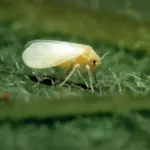 PestSweetpotato whiteflyBemisia tabaci species complex
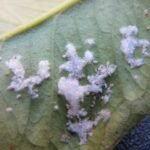 PestWoolly whiteflyAleurothrixus floccosus
Toxicity and pollen
Species-specific human and pet toxicity evidence is limited. Lavender oils and aromatic plant material can irritate skin or the digestive tract, and concentrated essential oil should not be ingested. Handle strongly scented oils cautiously and seek veterinary or medical advice after significant ingestion or a concerning reaction.
- Typical season
- Spring through fall during bloom in warm US climates
- Pollination / pollen
- Insect-dispersed pollen
Lavandula dentata is insect-pollinated, so pollen is generally transferred close to flowers rather than released in large airborne clouds. Airborne exposure is expected to be lower than for wind-pollinated plants, but sensitive individuals may still react to pollen, fragrance, or plant oils during heavy bloom or close handling.
Native habitat
Its natural range includes Mediterranean regions, parts of northwestern Africa, the Arabian Peninsula, Jordan, Israel, Ethiopia, and Eritrea. It occurs in Mediterranean scrub, forest understory, rocky mountainous areas, and other warm, seasonally dry habitats. These origins explain its preference for sun, mineral soils, and dry summers.
Interesting fact
The species name dentata refers to its toothed leaf margins.
Two recognized varieties differ mainly in leaf color and degree of silvery foliage.
The species has a long cultivation history in the Arab world.
Its flower stems can perform well as cut flowers.
It is used in some restoration and erosion-control research.
Frequently asked questions (FAQ)
The most relevant questions about this plant, with short and direct answers.
🌱Quick care
What is Lavandula dentata commonly called in the United States?⌄
Lavandula dentata is commonly called French lavender, fringed lavender, or toothed lavender in the United States. Because “French lavender” can also refer to other lavender species, the scientific name is the clearest identification.
How much sun does Lavandula dentata need?⌄
Lavandula dentata needs full sun, ideally at least 6 hours of direct light daily. Strong light helps maintain compact growth, aromatic foliage, and abundant flowering.
How often should I water Lavandula dentata?⌄
Water Lavandula dentata deeply but infrequently, allowing the soil to dry between waterings. Established plants are drought tolerant, but container plants and newly planted specimens need more regular checking.
What soil is best for Lavandula dentata?⌄
The best soil for Lavandula dentata is gritty, lean, and sharply drained, such as sandy or gravelly soil. Avoid heavy clay and locations that stay wet after rain.
Is Lavandula dentata evergreen?⌄
Lavandula dentata is generally an evergreen, woody-based subshrub in mild climates. It may lose foliage or suffer dieback after hard freezes or prolonged winter wetness.
🌤️Environment and placement
Can Lavandula dentata grow in containers?⌄
Yes, Lavandula dentata grows well in containers with drainage holes and a very fast-draining potting mix. Containers are especially useful in cold regions because the plant can be moved to shelter before hard freezes.
What USDA hardiness zones are suitable for Lavandula dentata?⌄
Lavandula dentata is best suited to warm USDA zones, commonly around Zones 8 through 10, although protection may allow it to survive in colder areas. Exact performance depends on winter wetness, exposure, and the severity of freezes.
Can Lavandula dentata tolerate drought?⌄
Yes, established Lavandula dentata tolerates drought well when grown in full sun and sharply drained soil. Drought tolerance does not mean it will tolerate constantly wet roots.
Can Lavandula dentata grow indoors?⌄
Lavandula dentata can be kept indoors temporarily, but it needs very bright direct light and excellent air circulation. A sunny outdoor location is usually better for long-term health and flowering.
Is Lavandula dentata suitable for humid climates?⌄
Lavandula dentata can grow in humid climates if it receives full sun, has excellent drainage, and gets good air movement. Humidity combined with wet soil substantially increases the risk of root and crown problems.
Is Lavandula dentata deer resistant?⌄
Lavandula dentata is often avoided by deer because of its strongly aromatic foliage, but it is not reliably deer-proof. Deer pressure and available alternative food can change how much damage occurs.
💧Care and problems
Why is my Lavandula dentata turning brown?⌄
Brown foliage commonly results from overwatering, poor drainage, root or crown rot, frost injury, or severe drought. Check the roots and soil moisture before watering again, and remove damaged growth only after the cause is corrected.
Why is my Lavandula dentata not flowering?⌄
Lavandula dentata may fail to flower because of insufficient sunlight, excessive fertilizer, overly rich soil, hard pruning at the wrong time, or winter damage. Move it toward full sun and avoid heavy feeding.
Does Lavandula dentata need fertilizer?⌄
Lavandula dentata usually needs little or no fertilizer when grown in lean, well-drained soil. Excess nitrogen can produce soft leafy growth at the expense of flowers and may reduce the plant’s resilience.
How do I prevent root rot in Lavandula dentata?⌄
Prevent root rot by using sharply drained soil, watering only after the surface has dried, and keeping mulch away from the woody crown. Poor drainage and frequent irrigation are the main risks.
What pests affect Lavandula dentata?⌄
Lavandula dentata is generally low maintenance and has few serious insect pests. Occasional spittlebugs, aphids, or mites may appear, especially on stressed plants, but they are usually manageable with improved growing conditions and gentle water sprays.
🪴Planting and repotting
When is the best time to plant Lavandula dentata?⌄
Plant Lavandula dentata in spring after the threat of hard freezes has passed, or in fall where winters are mild. Spring planting is safer in colder areas because the roots have more time to establish before winter.
How do I plant Lavandula dentata in the ground?⌄
Plant Lavandula dentata at the same depth it was growing in its nursery container, then backfill with well-drained soil and water it once thoroughly. Space plants to allow mature airflow and avoid planting in low, soggy spots.
Can Lavandula dentata grow in clay soil?⌄
Lavandula dentata usually performs poorly in heavy clay unless drainage is substantially improved. Grow it in a raised bed, amend the planting area with mineral grit where appropriate, or use a container with a fast-draining mix.
How often should I repot Lavandula dentata?⌄
Repot Lavandula dentata when roots fill the container or water drains unusually slowly, usually every few years rather than annually. Move it into only a slightly larger pot to avoid excess wet soil around the roots.
✂️Propagation and pruning
How do I propagate Lavandula dentata from cuttings?⌄
Propagate Lavandula dentata from nonflowering softwood or semi-hardwood cuttings taken from healthy growth. Remove the lower leaves, place the cutting in a sterile, well-drained medium, and keep it lightly moist but never waterlogged.
Can Lavandula dentata be grown from seed?⌄
Yes, Lavandula dentata can be grown from seed, although seedlings may vary and can take longer to reach flowering size than cuttings. Sow in a sterile medium, provide warmth and bright light, and avoid keeping the seedlings wet.
How should I prune Lavandula dentata?⌄
Prune Lavandula dentata lightly after flowering by removing spent flower stems and shaping the leafy growth. Avoid cutting deeply into old, leafless wood because lavender often resprouts poorly from bare stems.
Can I cut Lavandula dentata back in the fall?⌄
A light cleanup in fall is acceptable, but major pruning is usually safer after flowering during active growth. In frost-prone areas, avoid severe fall cuts that expose older wood before winter.
⚠️Toxicity and safety
Is Lavandula dentata toxic to people or pets?⌄
Species-specific toxicity information for Lavandula dentata is not firmly established, so do not assume that concentrated oils or large quantities are safe to ingest. Keep essential oils and plant material away from children and pets, and seek professional guidance after ingestion.
Can Lavandula dentata be used for cooking or tea?⌄
Do not use Lavandula dentata for cooking or tea unless the plant has been specifically identified as an appropriate culinary selection and grown without unsafe chemicals. Its fragrance and essential-oil composition can differ from culinary lavender types.
🌸Flowering and special interest
When does Lavandula dentata bloom?⌄
Lavandula dentata commonly blooms from spring into summer and may flower intermittently for longer in warm climates. With sufficient sun and mild conditions, it can produce an extended flowering season.
What do Lavandula dentata flowers look like?⌄
Lavandula dentata produces slender spikes of small lavender-colored flowers above aromatic, toothed gray-green foliage. Some forms may have pale, pink, or white flowers, and the flower stems are useful for fresh or dried arrangements.
Does Lavandula dentata attract bees and butterflies?⌄
Yes, the flowers of Lavandula dentata attract bees and may also draw butterflies and other flower-visiting insects. Its long blooming period can make it useful in pollinator plantings.
Can Lavandula dentata be used as a cut flower?⌄
Yes, Lavandula dentata flowers can be cut for fresh arrangements or harvested for drying. Cut stems when flowers are partly open for a balance of color, fragrance, and drying quality.
Similar plants
 Chrysojasminum care guideChrysojasminum
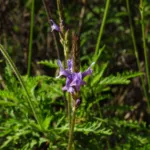 Canary Island Lavender (Lavandula canariensis) care guideLavandula canariensis
 Jasminum nudiflorum care guideJasminum nudiflorum
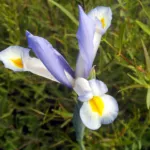 He Spanish iris (Iris xiphium) care guideIris xiphium
 Eastern redcedar (Juniperus virginiana) care guideJuniperus virginiana
 Jasminium Sambac (flower) (Jasminum sambac) care guideJasminum sambac