
 Source:
Canary Island Lavender (Lavandula canariensis) short overview
Canary Island Lavender is an aromatic evergreen subshrub native to the Canary Islands. It forms a branching, woody-based plant with finely divided, slightly hairy foliage and slender stems topped by compact violet-blue flower spikes. In the United States it is best treated as a tender Mediterranean-style container plant, or grown outdoors only in warm, sheltered climates. Give it full sun, excellent drainage, restrained watering, and winter protection where temperatures regularly fall below freezing.
Taxonomic classification
Canary Island Lavender (Lavandula canariensis) care guide
Light and placement
Give full sun, ideally 6–8 hours of direct light with a south- or west-facing exposure and shelter from cold winds. In containers, place the plant where reflected heat is helpful but air can circulate. Too little light produces stretched stems and sparse flowering; excessive heat is usually tolerated if roots remain cool enough and watering is not excessive.
Watering and humidity
Water deeply, then allow the upper several inches of the mix to dry before watering again. Reduce watering substantially in fall and winter, especially indoors or during cool weather. The plant tolerates short dry periods once established but can decline quickly in waterlogged soil. Water the root zone rather than repeatedly wetting the foliage.
Soil and growing medium
Use a sharply draining mineral substrate based on grit, coarse sand, pumice, or perlite with a modest amount of loam or compost. Slightly alkaline soil is ideal, but neutral soil is tolerated. Avoid heavy clay, rich moisture-retentive mixes, and any site where water remains around the crown.
Feeding
Lavandula canariensis performs best with lean fertility. Mix a small amount of low-nitrogen compost into the planting medium, then feed once in spring with a dilute, balanced or low-nitrogen fertilizer if growth is weak. Do not repeatedly fertilize or apply high-nitrogen products, which can produce soft, leafy growth and reduce flowering.
Growth and habit
This woody-based evergreen subshrub branches freely and can become open or leggy if grown in shade, excessive fertility, or constantly moist soil. Regular post-flowering shaping helps maintain a compact outline, while generous light and lean conditions promote sturdier stems and better flowering.
Planting and repotting
Plant out in spring after the last expected frost, when the soil has warmed. Set the root ball at the same depth as in its nursery container; do not bury the woody crown. Space plants about 24–36 inches apart where mature size permits, and water periodically during the first growing season while roots establish.
Repot container plants in spring when roots fill the pot, moving up only one pot size. Refresh much of the old, compacted mix and keep the crown at its original level. Use a heavy container for stability and ensure generous drainage holes.
Propagation and pruning
Propagation
Take semi-hardwood cuttings in summer from healthy, nonflowering shoots. Root them in a sterile, sharply drained medium with bright light and moderate humidity. Seed propagation is possible but may produce variable offspring and is less predictable for maintaining a selected form.
Pruning
Deadhead after flowering and lightly trim the leafy growth in spring to maintain shape. Avoid cutting deeply into old, leafless wood because lavender stems may not reliably regenerate from it. Prune only in dry weather and do not shear heavily late in the season before cold weather.
Overwintering
Move containers indoors or into a cool, bright greenhouse before hard frost. Keep the plant in the brightest available light, water sparingly, and provide good ventilation. In warm USDA Zones 9–11, outdoor plants still benefit from protection from prolonged cold, winter rain, and saturated soil.
Uses
Use as an ornamental specimen in containers, conservatories, warm sheltered borders, rock gardens, and drought-conscious Mediterranean-style plantings. Its flowers and aromatic foliage can contribute to pollinator gardens. Culinary, medicinal, and essential-oil uses should not be assumed for this species without product-specific verification.
Appearance
The plant has square young stems, a woody base, and aromatic leaves that are finely divided or bipinnatisect and lightly hairy. The foliage is brighter and more dissected than that of many familiar culinary or English lavenders. Long, slender, sometimes branching flower stems rise above the leafy framework.
Flowering
Small bilabiate flowers are arranged in compact, slender spikes carried on long, often branching stems. The flowers are typically violet-blue to blue-lilac, opening from darker buds in summer. Rare white-flowered individuals have been reported, but they are unusual.
Pollination and visitors
Lavender flowers commonly provide nectar and pollen for bees, bumblebees, and butterflies, and cultivated Lavandula canariensis is consistent with that general floral resource pattern. Direct species-specific visitor studies are limited, so the attraction rating is conservative rather than definitive.
Lavandula canariensis photos
Click any photo for a larger view. Source, author and license are shown separately.
Diseases and pests
Diseases
Prevent disease with full sun, open spacing, excellent drainage, and dry foliage. Overwatering or poor air circulation can encourage Botrytis and crown or root problems. Remove affected tissue, improve ventilation, and correct irrigation before using any fungicide.
Pests
Watch for aphids, froghoppers, and rosemary beetle where that pest occurs. Inspect new growth and flower stems regularly. Use hand removal or a strong water spray for minor infestations, and avoid broad-spectrum insecticides during bloom to reduce harm to visiting insects.
Related diseases and pests
Only Plant Doctor profiles whose host data indicate this plant may be affected are shown here.
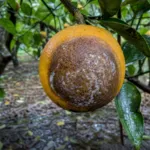 DiseaseCitrus brown rot caused by Phytophthora citrophthoraPhytophthora citrophthora
 DiseaseStolbur Phytoplasma Disease‘Candidatus Phytoplasma solani’
 DiseasePhytophthora cactorum crown, collar, root and fruit rotPhytophthora cactorum
 Environmental stressOverwatering
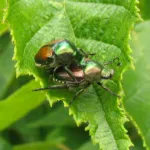 PestJapanese beetlePopillia japonica
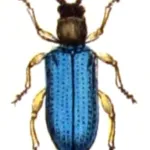 PestCereal leaf beetleOulema melanopus
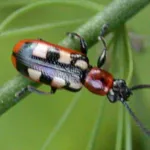 PestAsparagus BeetleCrioceris asparagi
 DiseaseFava Bean Chocolate SpotBotrytis fabae
Toxicity and pollen
Direct species-specific toxicity evidence for Lavandula canariensis is limited. Do not assume that it is edible or pet-safe solely because it is a lavender. Essential oils and concentrated extracts can be hazardous if swallowed or applied improperly; prevent ingestion of plant material and products by children and pets.
- Typical season
- During flowering, usually summer in outdoor United States cultivation
- Pollination / pollen
- Insect-dispersed pollen; limited airborne spread expected
As an insect-pollinated flowering plant, it is not generally regarded as a major airborne pollen source, but no strong species-specific allergen assessment was located. Sensitive people should still avoid handling flowering stems during personal symptom periods and monitor their own response.
Native habitat
The species is native to the Canary Islands, where it occurs in warm subtropical landscapes including dry slopes, ravines, lava fields, and related lowland to lower montane vegetation. It is adapted to seasonal dryness, sun, mineral soils, and rapid drainage rather than cold winters or saturated ground.
Interesting fact
Lavandula canariensis is an accepted species endemic to the Canary Islands. It belongs to the distinctive Canary Island group of lavenders with lobed or finely divided foliage. The species includes several geographically separated accepted subspecies. Its flowers are carried on slender, sometimes branching stems rather than the dense familiar form of English lavender.
Frequently asked questions (FAQ)
The most relevant questions about this plant, with short and direct answers.
🌱Quick care
What is Canary Island Lavender?⌄
Canary Island Lavender is the accepted species Lavandula canariensis, an aromatic evergreen subshrub native to the Canary Islands. It belongs to the mint family, Lamiaceae, and is grown for its fragrant foliage and purple flower spikes.
Is Canary Island Lavender easy to grow?⌄
Canary Island Lavender is generally easy to grow when given full sun, sharply drained soil, and restrained watering. It is less forgiving of waterlogged roots, prolonged frost, and poorly ventilated conditions.
How much sun does Canary Island Lavender need?⌄
Give Canary Island Lavender full sun, ideally at least 6 hours of direct light daily. Strong light helps maintain compact growth, fragrance, and flowering.
How often should I water Canary Island Lavender?⌄
Water Canary Island Lavender deeply but infrequently, allowing the soil to dry between waterings. Established plants are drought tolerant, but container plants may need more frequent checks during hot, dry weather.
What soil is best for Canary Island Lavender?⌄
Use sandy, loamy, rocky, or gritty soil that drains rapidly. Heavy clay or consistently wet soil should be amended substantially or avoided because excess moisture can damage the roots.
Can Canary Island Lavender grow in a pot?⌄
Yes, Canary Island Lavender grows well in a container with drainage holes and a porous, sharply drained potting mix. Containers are especially useful in areas where winter frost requires the plant to be moved under protection.
🌤️Environment and placement
Where should I plant Canary Island Lavender outdoors?⌄
Plant it in the sunniest, best-drained part of the garden, preferably in a sheltered location. A raised bed, rock garden, gravel border, or south-facing slope can help prevent wet roots.
Can Canary Island Lavender tolerate drought?⌄
Yes, Canary Island Lavender is well suited to low-water conditions once established. Water during prolonged drought, extreme heat, or the first growing season, but avoid keeping the soil continually moist.
Can Canary Island Lavender tolerate humidity?⌄
It may grow in humid regions if airflow, drainage, and sun are excellent, but persistent humidity increases the risk of fungal problems. Use an open planting site and avoid overhead watering.
Is Canary Island Lavender frost hardy?⌄
Canary Island Lavender should be protected from frost and should not be treated as reliably freeze hardy. In colder parts of the United States, grow it in a container or overwinter it in a bright, sheltered, frost-free location.
Can Canary Island Lavender grow indoors?⌄
It can be overwintered indoors temporarily in a bright, cool room, but it is not an ideal long-term houseplant. Provide strong light, good air circulation, and careful watering to prevent weak growth and root problems.
Can Canary Island Lavender grow near the coast?⌄
Canary Island Lavender is a reasonable choice for a sunny, well-drained coastal garden because it naturally comes from the Canary Islands. Protect it from saturated soil and unusually cold winter exposure.
💧Care and problems
Why is my Canary Island Lavender turning brown?⌄
Brown foliage can result from overwatering, root damage, frost, drought stress, or fungal disease. Check the roots and soil first, then improve drainage and remove clearly dead growth rather than increasing watering automatically.
Why is my Canary Island Lavender wilting in wet soil?⌄
Wilting in wet soil commonly indicates root stress or root rot rather than thirst. Move the plant to sharply drained soil, reduce watering, and remove badly damaged roots if the problem is caught early.
Does Canary Island Lavender need fertilizer?⌄
Canary Island Lavender usually needs little fertilizer when grown in reasonably fertile soil. Excess fertilizer can produce soft, leafy growth and may reduce the compact habit and flowering associated with lean conditions.
How do I prune Canary Island Lavender?⌄
Deadhead after flowering and lightly trim the foliage in spring to maintain shape. Avoid cutting deeply into old, leafless woody stems because lavender may not regenerate reliably from that tissue.
What pests affect Canary Island Lavender?⌄
Lavender beetles, froghoppers, and other occasional sap-feeding insects may affect Canary Island Lavender. Inspect new growth and flower stems, improve plant vigor, and use the least disruptive control appropriate for the infestation.
What diseases affect Canary Island Lavender?⌄
Poor drainage and wet foliage can contribute to gray mold and root-related problems. Space plants for airflow, water at the soil line, and remove infected material promptly.
🪴Planting and repotting
When should I plant Canary Island Lavender?⌄
Plant Canary Island Lavender after the danger of hard frost has passed, when the soil is workable and drainage can be maintained. In frost-prone areas, planting it in a container gives better seasonal control.
How should I repot Canary Island Lavender?⌄
Repot it into a container only slightly larger than the current root ball using a gritty, fast-draining mix. Handle the roots gently, keep the crown at the same depth, and water sparingly while it reestablishes.
Does Canary Island Lavender need alkaline soil?⌄
Canary Island Lavender tolerates and generally performs well in well-drained soil that is neutral to slightly alkaline. Drainage is more important than adjusting pH aggressively, so test before adding lime.
How far apart should I plant Canary Island Lavender?⌄
Use spacing that allows mature plants to receive full sun and good airflow without their foliage staying crowded. Because final size varies with growing conditions, check the plant label or local nursery guidance before setting a fixed distance.
✂️Propagation and pruning
How do I propagate Canary Island Lavender from cuttings?⌄
Propagate Canary Island Lavender from semi-hardwood cuttings taken in summer. Insert prepared cuttings into a sterile, well-drained medium and keep them lightly moist, humid, and out of harsh direct sun until roots form.
Can Canary Island Lavender be grown from seed?⌄
It can likely be grown from seed, but seed-grown plants may be slower and less uniform than plants made from cuttings. Use fresh, correctly identified seed and avoid keeping the sowing medium saturated.
Can I propagate Canary Island Lavender in water?⌄
Water propagation is possible for some lavender cuttings but is less dependable than rooting them directly in a clean, well-drained propagation medium. Direct rooting usually makes it easier to avoid weak water-grown roots and transplant shock.
⚠️Toxicity and safety
Is Canary Island Lavender toxic to people or pets?⌄
The toxicity of Lavandula canariensis is not sufficiently established here to declare it safe for ingestion. Avoid eating the plant or using concentrated oils, extracts, or homemade preparations, and contact a medical or veterinary professional after suspected ingestion.
Can I use Canary Island Lavender for cooking or tea?⌄
Do not assume Canary Island Lavender is suitable for cooking or tea simply because it is a lavender. The species’ culinary safety and preparation standards are not established in this guide, so use only products specifically identified and labeled for consumption.
Is Canary Island Lavender safe around pets?⌄
Its safety around pets is uncertain, particularly for concentrated preparations or ingestion of large amounts. Keep plant material and essential oils away from animals and contact a veterinarian if a pet eats it.
🌸Flowering and special interest
When does Canary Island Lavender bloom?⌄
Canary Island Lavender generally flowers during the warmer growing season, but the exact timing depends on light, temperature, latitude, and overwintering conditions. Full sun and restrained nitrogen usually support better flowering.
What do Canary Island Lavender flowers look like?⌄
The flowers are typically blue to dark purple and are held in upright spikes above aromatic, finely divided foliage. The feathery foliage helps distinguish this species from many narrow-leaved lavenders.
Why is my Canary Island Lavender not flowering?⌄
Insufficient light, excessive fertilizer, recent transplanting, frost damage, or overly wet roots can reduce flowering. Move it into full sun, improve drainage, and avoid heavy feeding while the plant recovers.
Is Canary Island Lavender fragrant?⌄
Yes, the foliage and flowers are aromatic, although its scent may differ from familiar culinary or English lavenders. Some references describe the species as having a more resinous or turpentine-like fragrance.
Similar plants
 Dwarf Japanese garden juniper (Juniperus procumbens ‘Nana’)Juniperus procumbens 'Nana'
 Savin juniper (Juniperus sabina) care guideJuniperus sabina
 Lavende (Lavandula angustifolia) care guideLavandula angustifolia
 Flaky juniper (Juniperus squamata) care guideJuniperus squamata
 He Spanish iris (Iris xiphium) care guideIris xiphium
 Lavandula dentata care guideLavandula dentata