
 Source:
 Lavende (Lavandula angustifolia) short overview
Lavende (Lavandula angustifolia) is a compact, fragrant Mediterranean subshrub with narrow silver-green leaves and upright spikes of purple flowers in summer. In U.S. gardens it performs best in full sun, lean sharply drained soil, and containers or raised beds where winter wet can be avoided. Its aromatic foliage and flowers suit herb gardens, borders, rock gardens, cut-flower plantings, and pollinator-friendly landscapes.
Taxonomic classification
Lavende (Lavandula angustifolia) care guide
Light and placement
Give full sun, ideally at least 6 hours of direct light and preferably more. A south- or west-facing site, raised bed, gravel garden, or unshaded container is suitable. Too little light produces lanky growth and fewer flowers; excessive heat is usually tolerated if roots stay ventilated, but reflected heat can scorch containers and newly planted foliage.
Watering and humidity
Water deeply when the root zone has dried, then allow substantial drying before watering again. Established plants are drought tolerant, but newly planted specimens need more regular irrigation during their first growing season. Reduce watering in cool weather and stop routine irrigation during prolonged winter wet. Do not keep the crown constantly moist.
Soil and growing medium
Use a lean, gritty, sharply drained soil or potting mix. Sandy or rocky structure is preferable to heavy clay. A neutral to slightly alkaline reaction is generally well tolerated; drainage is more important than enrichment. In containers, combine regular potting mix with mineral grit and use a pot with an ample drainage hole.
Feeding
Lavender generally needs little fertilizer. In poor soil, apply a light, low-nitrogen balanced fertilizer or a thin layer of mature compost in spring. Avoid rich, high-nitrogen feeding, which can produce soft leafy growth, reduce flower performance, and increase winter or disease problems. Do not fertilize drought-stressed or waterlogged plants.
Growth and habit
This species forms a compact, branching subshrub with a woody lower framework and upright flowering shoots. It stays most attractive when the crown remains open and dry. Replace old, heavily woody plants rather than cutting deeply into bare old wood, which may regenerate poorly.
Planting and repotting
Plant after the danger of hard frost has passed, or in fall where winters are reliably moderate and drainage is excellent. Set the crown at soil level rather than burying woody stems. Water deeply at planting, then allow the soil to dry between waterings while roots establish.
Repot container plants in spring only when roots have filled the pot or drainage has declined. Move up one pot size, disturb roots as little as practical, and use a very free-draining mix. Avoid oversized containers that stay wet around the crown.
Propagation and pruning
Propagation
Softwood or semi-ripe cuttings are the most reliable method for preserving cultivar characteristics. Take healthy non-flowering shoots in late spring or summer, remove lower leaves, and root in a sterile, freely draining medium. Seed is possible but slower and variable, so it is mainly useful for species plants and breeding.
Pruning
After flowering, trim the green leafy portion lightly to maintain a rounded form and remove spent stems. Avoid cutting far into leafless old wood. A modest spring cleanup can remove winter-damaged tips, but delay hard pruning until active growth shows where winters are severe.
Overwintering
Use very well-drained soil and avoid heavy winter mulch against the crown. In cold climates, protect young plants with loose, breathable material only after the ground cools. Container plants are more exposed to freezing; move them to a cold, bright, sheltered location while keeping the mix nearly dry, never waterlogged.
Uses
Use in sunny borders, herb gardens, gravel gardens, containers, balcony plantings, mass plantings, and cut-flower displays. Dried flowers and culinary preparations are traditional uses, but food or fragrance products should be correctly identified and used in appropriate amounts. Concentrated essential oils require particular caution around pets and children.
Appearance
Leaves are narrow, opposite, entire, and softly gray-green to silver, with aromatic oils that release a distinctive scent when rubbed. Slender upright stems carry dense terminal spikes of small purple flowers. The lower plant becomes woody with age, while newer shoots remain softer and leafy.
Flowering
True flowers are arranged in compact whorls along upright terminal spikes. Bloom is usually concentrated in summer, with timing varying by cultivar, pruning, latitude, and heat. Removing spent flower stems can encourage a tidier second flush in favorable conditions.
Pollination and visitors
Lavender flowers provide nectar and pollen for bees and bumblebees. A Utah study of cultivated Lavandula angustifolia recorded a diverse bee community, with honey bees especially frequent among observed visitors. Blooming plants can therefore contribute useful forage in pollinator plantings.
Lavandula angustifolia photos
Click any photo for a larger view. Source, author and license are shown separately.
Diseases and pests
Diseases
The main risk is crown or root rot caused by persistently wet soil, especially in humid climates or poorly drained beds. Improve drainage, avoid overhead irrigation, provide spacing for air movement, and remove badly affected plants. Botrytis and other fungal problems are more likely when foliage remains wet and crowded.
Pests
Common problems include spittlebugs, aphids, whiteflies, and occasionally leafhoppers. Inspect new growth and flower stems, wash off light infestations, and encourage beneficial insects. Avoid routine broad-spectrum insecticides during bloom. Stress from wet soil and poor airflow often causes more damage than insect feeding.
Related diseases and pests
Only Plant Doctor profiles whose host data indicate this plant may be affected are shown here.
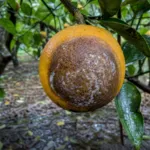 DiseaseCitrus brown rot caused by Phytophthora citrophthoraPhytophthora citrophthora
 DiseaseStolbur Phytoplasma Disease‘Candidatus Phytoplasma solani’
 DiseasePhytophthora cactorum crown, collar, root and fruit rotPhytophthora cactorum
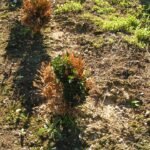 DiseasePhytophthora root and crown rotPhytophthora nicotianae
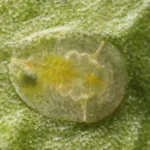 PestCitrus whiteflyDialeurodes citri
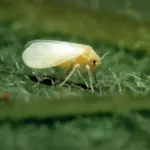 PestSweetpotato whiteflyBemisia tabaci species complex
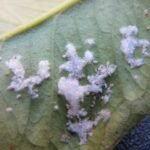 PestWoolly whiteflyAleurothrixus floccosus
 DiseaseFava Bean Chocolate SpotBotrytis fabae
Toxicity and pollen
ASPCA lists lavender as toxic to dogs and cats because of aromatic constituents including linalool and linalyl acetate, with nausea, vomiting, and reduced appetite reported as possible signs. Risk is greatest after ingestion, especially of concentrated oils or large amounts. Keep essential oils and plant material away from pets and seek veterinary advice after suspected ingestion.
- Typical season
- Typically June through August in much of the United States
- Pollination / pollen
- Insect-dispersed pollen
Lavender is primarily insect-pollinated, so its pollen is not typically dispersed in large airborne clouds like wind-pollinated grasses or trees. However, flowering plants can still expose sensitive people to pollen through close contact, handling, or indoor drying. Individual allergy responses vary.
Native habitat
Lavandula angustifolia is native to mountainous and upland regions of the Mediterranean area, where it occurs in sunny, dry, well-drained settings. Its natural ecology is associated with mineral soils, seasonal summer dryness, and good air movement rather than permanently fertile or wet ground.
Interesting fact
The epithet angustifolia means “narrow-leaved.”
Lavender belongs to the mint family, Lamiaceae.
Its woody base persists while newer shoots remain herbaceous.
Utah research recorded many bee visitors on cultivated plants.
Essential oils are more concentrated than ordinary garden foliage.
Frequently asked questions (FAQ)
The most relevant questions about this plant, with short and direct answers.
🌱Quick care
What is lavende (Lavandula angustifolia)?⌄
Lavende is a fragrant, sun-loving perennial subshrub in the mint family, Lamiaceae. In the United States, it is also commonly known as English or common lavender.
How much sun does Lavandula angustifolia need?⌄
Lavandula angustifolia needs full sun, ideally at least 6 hours of direct sunlight daily. Strong light helps prevent weak, floppy growth and improves flowering.
How often should I water lavende?⌄
Water lavende deeply but infrequently, allowing the soil to dry between waterings. Once established, it is drought-tolerant, but new plants need more regular water during their first growing season.
What soil is best for Lavandula angustifolia?⌄
Lavandula angustifolia grows best in lean, gritty soil that drains sharply. Heavy or wet soil is a common cause of root and crown rot.
🌤️Environment and placement
What USDA hardiness zones are suitable for Lavandula angustifolia?⌄
Lavandula angustifolia is generally suitable for USDA Zones 5 through 8, although cultivar, winter exposure, drainage, and local heat can affect performance. In humid or hot regions, excellent drainage is especially important.
Can Lavandula angustifolia grow in clay soil?⌄
Lavandula angustifolia can struggle in clay soil because it retains too much moisture. Grow it in a raised bed, slope, or amended planting area with substantial drainage rather than in compacted, waterlogged ground.
Can lavende grow in a container?⌄
Yes, lavende grows well in a container with drainage holes and a gritty, fast-draining potting mix. Containers dry out faster than garden soil, so check moisture regularly while still avoiding constantly wet conditions.
Where should I plant Lavandula angustifolia?⌄
Plant Lavandula angustifolia in the sunniest, driest part of the garden, such as a rock garden, raised bed, border edge, or slope. Avoid low spots where rainwater collects.
Does Lavandula angustifolia tolerate humidity?⌄
Lavandula angustifolia tolerates some humidity when its foliage stays dry and its roots drain freely. Persistent summer humidity, poor air circulation, and wet soil can shorten the plant’s life.
💧Care and problems
Why is my Lavandula angustifolia turning brown?⌄
Brown foliage is often caused by root or crown rot from excessive moisture, especially in poorly drained soil. Winter injury, drought, or naturally aging woody stems can also cause browning, so inspect the roots and growing conditions.
Does Lavandula angustifolia need fertilizer?⌄
Lavandula angustifolia usually needs little or no fertilizer when grown in lean soil. Excess fertilizer can produce lush, weak growth with fewer fragrant flowers.
Why is my lavende not flowering?⌄
Lavende may fail to flower because of insufficient sun, excess nitrogen, overwatering, immature growth, or overly aggressive pruning. Move it to full sun and correct drainage before adding fertilizer.
How do I prevent root rot in Lavandula angustifolia?⌄
Prevent root rot by planting Lavandula angustifolia in sharply drained soil, spacing plants for airflow, and watering only after the soil has partly dried. Do not leave the container or planting bed standing in water.
Can I grow Lavandula angustifolia indoors?⌄
Lavandula angustifolia can survive indoors only in a very bright, sunny location with excellent airflow and fast-draining soil. It generally performs better outdoors because indoor light and ventilation are often inadequate.
🪴Planting and repotting
When should I plant Lavandula angustifolia in the United States?⌄
Plant Lavandula angustifolia in spring after severe freezes have passed, or in early fall where plants have time to root before winter. Avoid planting into cold, saturated soil.
How far apart should I plant lavende?⌄
Space lavende about 18 to 24 inches apart for individual plants, adjusting for the mature size of the cultivar. Good spacing improves air circulation and reduces disease pressure.
How deeply should I plant Lavandula angustifolia?⌄
Plant Lavandula angustifolia at the same depth it was growing in its nursery container, with the crown kept at or slightly above soil level. Planting too deeply increases the risk of stem and crown rot.
Should I mulch around Lavandula angustifolia?⌄
Use only a thin layer of inorganic mulch, such as gravel, around Lavandula angustifolia. Keep mulch away from the crown because thick organic mulch can trap moisture against the stems.
✂️Propagation and pruning
How do I propagate Lavandula angustifolia from cuttings?⌄
Take a 3- to 4-inch nonflowering stem cutting just below a leaf joint, remove the lower leaves, and place it in a moist, sterile, sharply draining medium. Keep it lightly moist and protected from intense sun until roots form.
Can I grow lavende from seed?⌄
Yes, lavende can be grown from seed, but seedlings may vary in size, habit, fragrance, and flower color. Cuttings are usually better when you want plants identical to a named cultivar.
When should I prune Lavandula angustifolia?⌄
Prune Lavandula angustifolia lightly after flowering to remove spent stems and maintain a compact shape, then make any necessary spring shaping after new growth appears. Avoid cutting far into bare, old wood unless green buds are visible below the cut.
How much can I cut back lavende?⌄
Remove roughly one-third of the green growth when shaping lavende, while leaving healthy leafy growth below the cut. Severe cuts into completely leafless old wood may fail to regrow, especially on stressed plants.
How do I harvest Lavandula angustifolia for drying?⌄
Harvest flower stems when the first few florets begin to open for well-shaped dried bundles. Cut the stems in dry weather, tie them loosely, and hang them upside down in a dark, well-ventilated place.
⚠️Toxicity and safety
Is Lavandula angustifolia toxic to dogs?⌄
Yes, Lavandula angustifolia is considered toxic to dogs if ingested. Possible signs include nausea, vomiting, reduced appetite, or other digestive upset; contact a veterinarian or poison-control service if ingestion occurs.
Is Lavandula angustifolia toxic to cats?⌄
Yes, Lavandula angustifolia is considered toxic to cats if ingested. Keep plant material and concentrated lavender products away from cats, and contact a veterinarian promptly if exposure causes symptoms.
Can people eat Lavandula angustifolia?⌄
Lavandula angustifolia is used in some culinary preparations in small food amounts, but only correctly identified, pesticide-free flowers should be considered. Do not ingest concentrated essential oil, and stop use if an allergic reaction occurs.
🌸Flowering and special interest
When does Lavandula angustifolia bloom?⌄
Lavandula angustifolia usually blooms in summer, with timing varying by cultivar and climate. Full sun, good drainage, and light post-bloom pruning can support stronger flowering in later seasons.
Does Lavandula angustifolia attract bees and butterflies?⌄
Yes, the fragrant flower spikes of Lavandula angustifolia can attract bees, butterflies, and other pollinating insects. Flowering is usually strongest when plants receive full sun and are not overfertilized.
Can Lavandula angustifolia be used as a cut flower?⌄
Yes, Lavandula angustifolia makes a useful fresh or dried cut flower. Cut stems when the lower flowers on the spike are opening for the best balance of fragrance and appearance.
Similar plants
 Flaky juniper (Juniperus squamata) care guideJuniperus squamata
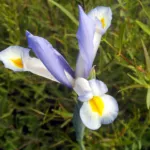 He Spanish iris (Iris xiphium) care guideIris xiphium
 Jasminum nudiflorum care guideJasminum nudiflorum
 Savin juniper (Juniperus sabina) care guideJuniperus sabina
 Hidcote Blue (Lavandula angustifolia ‘Hidcote Blue’)Lavandula angustifolia 'Hidcote Blue'
 He blue flag (Iris versicolor) care guideIris versicolor