
 Source:
 Jasminum nudiflorum short overview
Jasminum nudiflorum is a deciduous, winter-flowering jasmine native to Tibet and central China. Its long, arching green stems carry bright yellow, non-fragrant flowers in late winter, often before the trifoliate leaves emerge. In U.S. gardens it can form a spreading shrub, cascade over banks and walls, or be trained against a support. Give it sun to partial shade, well-drained soil and room to spread.
Taxonomic classification
Jasminum nudiflorum care guide
Light and placement
Grow in full sun for the strongest winter display, with partial shade acceptable where afternoon heat is intense. A south- or west-facing position generally gives the best flowering; east-facing sites can also work. Deep shade produces weaker, less floriferous growth. Excessive shade may leave stems thin and the plant untidy, while harsh reflected heat can increase drought stress.
Watering and humidity
Water deeply when the upper few inches of soil begin to dry during the first growing season. Once established, use a moderate, even rhythm: provide supplemental water during prolonged summer drought, but let the soil drain between applications. Reduce watering in cool dormant weather. Normal outdoor humidity is sufficient; misting is unnecessary.
Soil and growing medium
Use reasonably fertile soil that drains freely but does not become excessively dry. The species adapts to loam, sand and clay when drainage is adequate. A slightly acidic to slightly alkaline reaction is tolerated; improve compact clay with organic matter rather than planting into a waterlogged site.
Feeding
Feed in early spring after flowering with a balanced, slow-release fertilizer at the label rate, or top-dress with compost. Avoid heavy nitrogen applications, which can produce weak, untidy shoots and reduce the value of the flowering display. Do not fertilize drought-stressed, newly transplanted or dormant plants.
Growth and habit
Growth is rapid and naturally arching, sprawling or cascading rather than self-supporting as a formal shrub. Long canes may form a dense mound or root at contact points. Regular renewal pruning keeps colonies manageable; otherwise the plant can look untidy and spread beyond its intended area.
Planting and repotting
Plant in fall, winter or early spring while the plant is dormant, avoiding frozen or saturated soil. Set it at the same depth as in the nursery container. Allow about 3–6 feet for a spreading specimen, or provide a support if training it as a cascading or climbing form. Water consistently during establishment.
Repot container plants in early spring after flowering, moving them only one pot size larger. Refresh part of the compost and preserve the root ball. Use a sturdy container with drainage holes because the plant can become top-heavy as its arching stems lengthen.
Propagation and pruning
Propagation
Layer a flexible arching stem in spring or early summer, keeping a rooted section attached to the parent until established. Semi-hardwood cuttings can be taken during the growing season; use a clean, free-draining medium and steady moisture. Layering is generally the simplest home method.
Pruning
Prune immediately after flowering because blooms form on last year’s growth. Remove a portion of the oldest stems at the base and shorten overly long shoots to maintain the desired shape. Severe renovation is tolerated, but heavy pruning later in the growing season removes next winter’s flower-bearing wood.
Overwintering
Established plants are cold-hardy in much of USDA Zones 6–10. Mulch the root zone in colder locations, especially after late planting, but keep mulch away from the stems. Container plants have less root insulation and should be sheltered from prolonged hard freezes or moved to an unheated protected space while dormant.
Uses
Use as a spreading ground cover for slopes and banks, a cascading plant over walls, or a trained feature on a trellis, pergola or similar support. It provides conspicuous late-winter color and can help cover difficult landscape surfaces. It is ornamental only; do not treat it as an edible or medicinal plant.
Appearance
Young stems are green, smooth and distinctly four-angled; older bark becomes gray to reddish-brown and thinly scaly. Leaves are opposite and trifoliate, with small ovate to oblong leaflets. The most diagnostic feature is the combination of arching green canes and yellow flowers appearing on bare stems before the foliage.
Flowering
Flowers open on the previous season’s leafless wood, commonly in January and February in much of the United States. Bright yellow blooms appear before or with the first leaves and may be followed rarely by black, two-lobed berries. Flowering is reduced in deep shade and can be lost if old flowering wood is removed at the wrong time.
Pollination and visitors
The open yellow flowers can be visited by early-season insects, but reliable species-level pollinator records are limited. The strongest practical value is as an early floral resource when few ornamentals are blooming. Do not equate insect visitation with zero allergy risk.
Jasminum nudiflorum photos
Click any photo for a larger view. Source, author and license are shown separately.
Diseases and pests
Diseases
Usually trouble-free. Rarely affected by honey fungus or other root problems, especially where soil stays wet. Prevent disease by improving drainage, avoiding buried stems and removing damaged material. No routine fungicide is warranted without a confirmed diagnosis.
Pests
Watch for aphids, scale insects, mealybugs, Japanese beetles and mites, particularly on stressed or protected plants. Inspect stems and leaf undersides regularly. Improve air circulation, wash off light infestations and prune badly affected shoots. Use targeted treatments only when monitoring shows a persistent problem.
Related diseases and pests
Only Plant Doctor profiles whose host data indicate this plant may be affected are shown here.
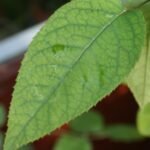 Environmental stressManganese deficiency
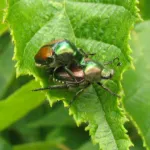 PestJapanese beetlePopillia japonica
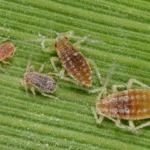 PestMealy Plum AphidHyalopterus pruni (Geoffroy, 1762)
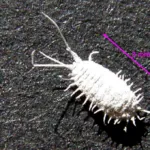 PestObscure mealybugPseudococcus viburni
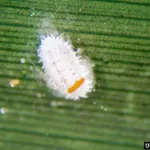 PestCitrus mealybugPlanococcus citri
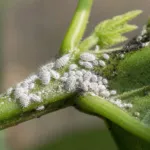 PestCotton mealybugPhenacoccus solenopsis Tinsley
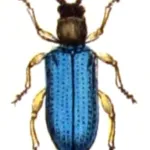 PestCereal leaf beetleOulema melanopus
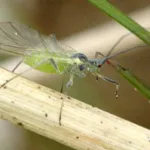 PestGreen Peach AphidMyzus persicae
Toxicity and pollen
ASPCA lists Jasminum species as non-toxic to dogs and cats. Human poisoning evidence for this exact species is limited, so do not eat plant material or berries; ordinary garden contact is not considered a toxicity concern. Seek medical or veterinary advice after substantial ingestion or unexpected symptoms.
- Typical season
- January–February in much of the United States
- Pollination / pollen
- Insect-carried, relatively heavy pollen
This is an insect-pollinated flowering shrub rather than a wind-pollinated pollen producer. Its pollen is not expected to disperse in large airborne clouds, but individual sensitivities are possible and no exact U.S. allergy rating for this species was established.
Native habitat
The species is native from southeastern Tibet to central China, where it occurs in temperate environments. In cultivation it tolerates a broad range of well-drained soils and climates, but performs best with winter chill, adequate summer moisture and protection from persistently waterlogged ground.
Interesting fact
The epithet nudiflorum means “naked flowering,” referring to flowers opening before the leaves. Green, four-angled young stems are a useful identification feature. Arching stems can root where they touch moist soil. The plant is a jasmine, but its winter flowers are non-fragrant.
Frequently asked questions (FAQ)
The most relevant questions about this plant, with short and direct answers.
🌱Quick care
What is Jasminum nudiflorum?⌄
Jasminum nudiflorum is a cold-hardy, sprawling jasmine grown for its bright yellow flowers in late winter or early spring. It is commonly used as a ground cover, bank plant, or trained against a support.
How much sun does Jasminum nudiflorum need?⌄
Grow Jasminum nudiflorum in full sun to partial shade. More sun generally encourages denser growth and heavier flowering, while light shade is tolerated.
How often should I water Jasminum nudiflorum?⌄
Water Jasminum nudiflorum moderately, keeping it more consistently moist while it establishes. Once established, it usually tolerates short dry periods but performs best when the soil does not remain severely dry.
Is Jasminum nudiflorum evergreen?⌄
Jasminum nudiflorum is usually deciduous or semi-evergreen, depending on climate and winter conditions. It may lose most of its leaves in colder areas before producing flowers on bare green stems.
🌤️Environment and placement
What USDA hardiness zones can grow Jasminum nudiflorum?⌄
Jasminum nudiflorum is generally suitable for USDA Zones 6 through 10. In colder parts of its range, stems may experience winter damage, but established plants can recover from hard pruning.
Can Jasminum nudiflorum grow in shade?⌄
Jasminum nudiflorum can grow in partial shade, but it usually flowers more heavily with several hours of direct sun. Deep shade may produce lanky growth and fewer blooms.
What type of soil is best for Jasminum nudiflorum?⌄
Use well-drained loam, sand, or clay that does not stay waterlogged. Jasminum nudiflorum is adaptable, but improving heavy or compacted soil with organic matter can help drainage and root establishment.
Can Jasminum nudiflorum grow in a container?⌄
Jasminum nudiflorum can grow in a large container with drainage holes and a well-drained potting mix. Choose a sturdy pot because the plant develops long, arching stems and may need regular pruning.
Does Jasminum nudiflorum need a trellis?⌄
A trellis is optional because Jasminum nudiflorum naturally sprawls or arches. Provide a support if you want to train it vertically, but tie stems loosely rather than expecting it to climb by itself.
💧Care and problems
Why is my Jasminum nudiflorum not flowering?⌄
Poor flowering is commonly caused by insufficient sunlight, excessive nitrogen, immature growth, or pruning at the wrong time. Avoid heavy pruning before winter or spring bloom because flowers develop on older growth.
Why is Jasminum nudiflorum turning yellow?⌄
Yellow leaves can result from overwatering, poor drainage, nutrient stress, or normal seasonal leaf drop. Check that the soil drains well and let the surface dry slightly between thorough waterings.
How do I prune Jasminum nudiflorum?⌄
Prune Jasminum nudiflorum immediately after flowering finishes in spring. Remove weak or crowded stems, shorten overly long shoots, and thin older wood so new flowering growth can develop.
Can Jasminum nudiflorum be cut back hard?⌄
Yes, established Jasminum nudiflorum tolerates severe rejuvenation pruning. If necessary, cut the framework back to about 18–24 inches after flowering, but expect reduced flowering while the plant regrows.
How do I control a sprawling Jasminum nudiflorum?⌄
Control its spread by tying selected stems to a support and pruning unwanted runners after flowering. Regular thinning is preferable to repeated shearing because it preserves the plant’s natural arching form.
What pests affect Jasminum nudiflorum?⌄
Jasminum nudiflorum is generally uncomplicated, but aphids, spider mites, scale, and other common ornamental pests may occasionally appear. Inspect new growth and treat small infestations with a strong water spray or an appropriate labeled product.
🪴Planting and repotting
When should I plant Jasminum nudiflorum?⌄
Plant Jasminum nudiflorum in spring or fall when temperatures are moderate. Planting during these seasons gives the roots time to establish before summer heat or severe winter conditions.
How far apart should Jasminum nudiflorum plants be spaced?⌄
Space Jasminum nudiflorum about 5–6 feet apart for a spreading ground-cover planting. Use closer spacing for faster coverage, but allow room for mature stems to arch and spread.
How do I plant Jasminum nudiflorum in the ground?⌄
Set the plant at the same depth it grew in its nursery container, backfill with native soil, and water deeply. Apply a light layer of mulch while keeping it away from the stems.
Can Jasminum nudiflorum tolerate wet soil?⌄
Jasminum nudiflorum does not perform well in persistently waterlogged soil. Improve drainage or plant it on a slope, raised area, or in a container if the site stays saturated.
✂️Propagation and pruning
How can I propagate Jasminum nudiflorum?⌄
Jasminum nudiflorum can be propagated by layering or stem cuttings. Layering is often the simpler method because the stem remains attached to the parent plant while roots develop.
Can Jasminum nudiflorum be propagated by layering?⌄
Yes, bend a flexible stem to the soil, lightly wound or pin part of it beneath the surface, and keep that section moist. Once roots form, sever the new plant from the parent and transplant it.
Can I grow Jasminum nudiflorum from cuttings?⌄
Yes, Jasminum nudiflorum can be grown from suitable mature or semi-hardwood cuttings. Use healthy, nonflowering stems, a clean well-drained rooting medium, and consistent moisture without keeping the cutting saturated.
Can Jasminum nudiflorum be grown from seed?⌄
Seed propagation is possible but is not usually the preferred method for garden plants. Cuttings or layering are more practical when you want a new plant that matches the parent.
⚠️Toxicity and safety
Is Jasminum nudiflorum toxic to dogs?⌄
Jasminum nudiflorum is generally considered non-toxic to dogs. Even non-toxic plants can cause mild stomach upset if eaten in quantity, so discourage pets from chewing the plant.
Is Jasminum nudiflorum toxic to cats?⌄
Jasminum nudiflorum is generally considered non-toxic to cats. It is still not intended for ingestion, and persistent vomiting or other symptoms after eating plant material warrant veterinary advice.
Is Jasminum nudiflorum edible?⌄
No, Jasminum nudiflorum should not be treated as an edible plant. Its flowers and foliage are ornamental and are not intended for cooking, tea, or other ingestion.
🌸Flowering and special interest
When does Jasminum nudiflorum bloom?⌄
Jasminum nudiflorum usually blooms from late winter into early spring, often before or as the new leaves emerge. Bloom timing varies with climate, exposure, and winter temperatures.
What color are Jasminum nudiflorum flowers?⌄
Jasminum nudiflorum produces small, bright yellow, usually unscented flowers. The flowers appear along green, leafless or sparsely leafed stems, creating strong winter color.
Is Jasminum nudiflorum fragrant?⌄
Jasminum nudiflorum is generally not strongly fragrant, unlike several other jasmine species. It is valued mainly for its winter flowering, arching form, and yellow blooms.
Does Jasminum nudiflorum flower on old or new wood?⌄
Jasminum nudiflorum flowers mainly on stems produced during the previous growing season. Prune just after flowering so the plant has time to produce new shoots for the next bloom cycle.
Similar plants
 Iris ‘Rustler’Iris 'Rustler'
 Variegata (Iris laevigata ‘Variegata’)Iris laevigata 'Variegata'
 Common Jasmine (Jasminum officinale) care guideJasminum officinale
 Iris florentina care guideIris florentina
 Beach-head Iris (Iris setosa) care guideIris setosa
 Iris foetidissima care guideIris foetidissima