 Source:
 Beach-head Iris (Iris setosa) short overview
Beach-head Iris (Iris setosa) is a distinctive, cold-hardy iris native across northern North America and the North Pacific region. Its narrow, blue-green, sword-like leaves form clumps beneath branched stems carrying blue-violet flowers in summer. The species prefers cool conditions, consistent moisture, and fertile but well-drained soil in full sun or light shade. It is especially suitable for northern perennial borders, naturalistic plantings, and cool coastal gardens.
Taxonomic classification
Beach-head Iris (Iris setosa) care guide
Light and placement
Give full sun for strongest flowering, especially in cool northern climates; partial afternoon shade is useful where summers are hot. A site with morning sun and protection from intense late-day heat can reduce stress. Weak stems, sparse flowering, or stretched growth suggest insufficient light, while scorched foliage and premature dormancy may indicate excessive heat or reflected sun.
Watering and humidity
Keep the soil evenly moist during active growth, watering deeply when the upper inch begins to dry rather than making frequent shallow applications. Increase attention during dry summer weather and during the first season after planting. Reduce watering after foliage dies back, but do not allow container plants or newly divided rhizomes to become completely dry.
Soil and growing medium
Use fertile, humus-enriched soil that holds moisture without remaining waterlogged. Sandy loam or loam with reliable drainage is suitable. A slightly acidic to neutral reaction is a reasonable target, although the species tolerates a broader range in cool climates. Avoid compacted ground and sites that stay stagnant and saturated around the rhizomes.
Feeding
Apply a modest, balanced perennial fertilizer or a thin layer of finished compost in early spring as growth begins. Avoid heavy nitrogen, which can produce lush foliage and weaker flowering. Do not fertilize drought-stressed, newly divided, diseased, or waterlogged plants until they have recovered.
Growth and habit
This rhizomatous perennial forms slowly expanding clumps and can produce branched flowering stems. It performs best where summers are cool and winters provide dormancy. Divide when the center becomes crowded or flowering declines, and avoid excessive nitrogen or persistent rhizome wetness.
Planting and repotting
Plant nursery divisions in spring or late summer after flowering, setting rhizomes shallowly with the growing points near the soil surface rather than burying them deeply. Space plants about 12–18 inches apart for a natural clump. Water thoroughly after planting and maintain consistent moisture during the first growing season.
Container-grown plants can be divided and refreshed in spring or shortly after flowering. Move established rhizomes with as much root mass as possible, replant promptly, and keep the medium evenly moist while they re-establish. Containers must drain freely and should not be allowed to overheat in exposed summer locations.
Propagation and pruning
Propagation
Propagate by seed or rhizome division. Fresh seed benefits from a cold, moist period and may be slow or irregular. Division is the more practical garden method; lift and separate crowded clumps in spring or about four to six weeks after flowering, retaining healthy rhizome sections with roots and growing points.
Pruning
After flowering, remove spent flower stems if seed production is unwanted. Leave healthy foliage in place while it remains green so the rhizomes can replenish reserves. Cut back yellowed or frost-damaged leaves in late fall or early spring, and remove diseased foliage promptly.
Overwintering
Leave plants outdoors in suitable northern climates. After foliage yellows, remove only damaged material and apply a light, breathable mulch where freeze-thaw cycles or exposed wind are concerns. Do not keep the rhizomes warm and wet indoors; they require a cool dormant period. Container plants may need insulation because roots experience colder temperatures than plants in the ground.
Uses
Use as an ornamental perennial in cool-climate borders, naturalistic plantings, and moist but drained coastal or woodland-edge sites. Flower stems can be used sparingly as cut flowers. It is not a culinary plant, and medicinal or edible uses should not be assumed.
Appearance
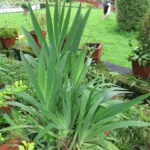
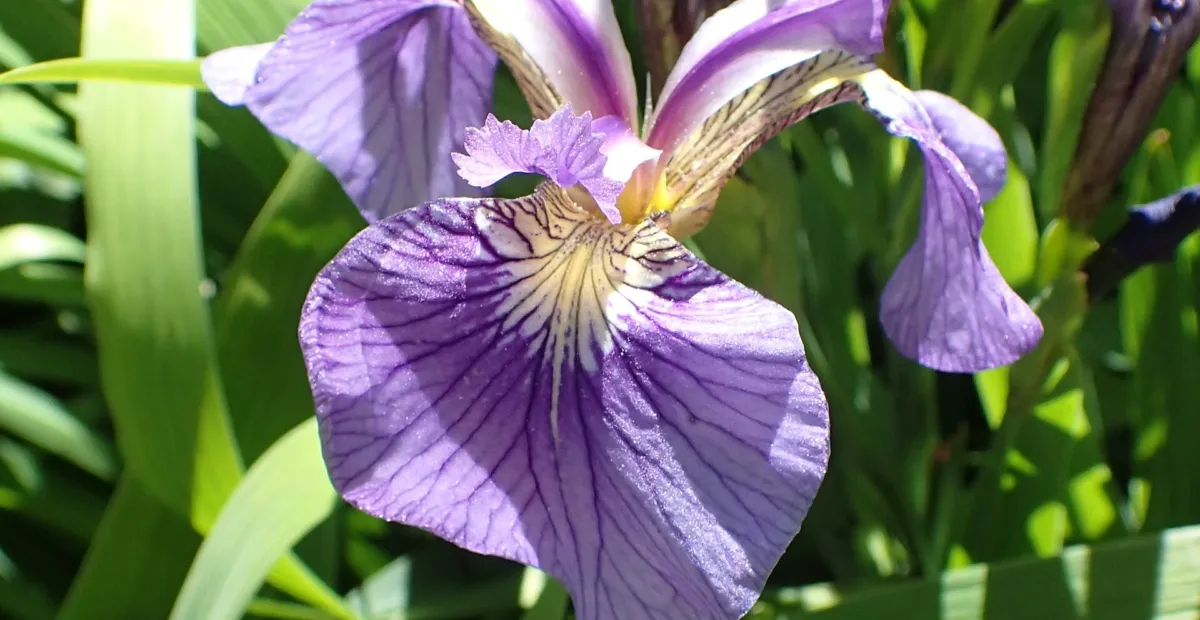
The plant has narrow, upright to arching, sword-like leaves in a blue-green shade. Flowering stems are often branched, a useful identification feature within the genus. The flowers are beardless, with relatively small upright standards and larger spreading falls in blue-violet tones. Rhizomes produce compact to gradually spreading clumps.
Flowering
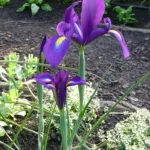
Branched flowering stems rise above the leaves and carry blue-violet iris flowers, usually with small, bristle-tipped or greatly reduced upright standards and broader falls. Flowering is concentrated in the northern summer and may vary with latitude, elevation, and local weather. Remove spent flowers if seed production is not desired.
Pollination and visitors
Research documents bee visitation and pollen transfer in Iris setosa flowers. The species offers pollen and nectar rewards, but the strength of attraction can vary with population, weather, and competing flowers. A specific primary pollinator species is not assigned because the available evidence does not establish one consistently.
Iris setosa photos
Click any photo for a larger view. Source, author and license are shown separately.
Diseases and pests
Diseases
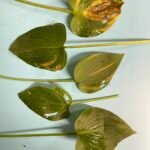
Watch for iris leaf spot, rhizome rot, and other problems favored by overcrowding or poor drainage. Improve air circulation, remove heavily damaged foliage, avoid prolonged saturation, and divide congested clumps. Discard soft or foul-smelling rhizome tissue and replant only sound divisions in clean, well-drained soil.
Pests
Aphids and iris-feeding insects may occur. Inspect young shoots and flower stems, wash off small infestations, encourage natural predators, and use targeted controls only when damage is significant. Good spacing, sanitation, and division of congested clumps reduce secondary problems.
Related diseases and pests
Only Plant Doctor profiles whose host data indicate this plant may be affected are shown here.


Toxicity and pollen
Iris species are generally treated as toxic if eaten, with rhizomes and other tissues capable of causing gastrointestinal upset; handling may irritate sensitive skin. Keep plant material away from children and pets and do not ingest it. Evidence specific to every exposure route in I. setosa is limited, so use normal iris precautions.
- Typical season
- Late spring to summer
- Pollination / pollen
- Insect-carried pollen
Flowers release pollen for insect-mediated reproduction rather than presenting a strongly wind-dispersed pollen system. Airborne exposure is therefore expected to be relatively limited compared with wind-pollinated plants, but sensitive individuals can still react to contact with flowers or pollen. The exact allergy risk for this species is not well quantified.
Native habitat
Native populations occur in northern coastal, tundra, meadow, wetland-edge, and open woodland habitats across Alaska, Canada, and parts of northeastern Asia. It commonly experiences cool summers, long winters, seasonal moisture, and soils ranging from sandy coastal substrates to moist organic ground.
Interesting fact
The species name setosa refers to bristle-like features of the flower.
Frequently asked questions (FAQ)
The most relevant questions about this plant, with short and direct answers.
🌱Quick care
What is Beach-head Iris?⌄
Beach-head Iris is the perennial species Iris setosa in the iris family, Iridaceae. It is a rhizomatous plant native to parts of Alaska, western Canada, northeastern Asia, and Japan.
Is Iris setosa a perennial?⌄
Yes, Iris setosa is a hardy, rhizomatous perennial. Its foliage typically dies back or declines after the growing season, while the rhizome survives winter underground.
How much sun does Beach-head Iris need?⌄
Beach-head Iris grows best in full sun to partial shade. More sun usually supports stronger flowering, provided the soil does not dry out.
How often should I water Iris setosa?⌄
Keep the soil evenly moist, especially while the plant is establishing. Avoid stagnant water around the rhizomes unless the site is naturally wet and well aerated.
Is Iris setosa frost hardy?⌄
Yes, Iris setosa is frost hardy and suited to cold climates. Winter survival is generally strongest when the rhizomes are planted in consistently moist, well-drained soil.
🌤️Environment and placement
Where does Beach-head Iris grow naturally?⌄
Beach-head Iris grows in moist habitats such as coastal areas, wet meadows, riversides, open woods, and sometimes brackish or peaty sites. Its natural range includes Alaska and western Canada as well as parts of northeastern Asia.
Can Iris setosa grow in coastal or salty soil?⌄
Iris setosa can tolerate some coastal exposure and saline conditions better than many garden plants. Even so, provide drainage and avoid assuming that heavily salt-contaminated soil will be suitable.
Can Beach-head Iris grow in partial shade?⌄
Yes, Beach-head Iris tolerates partial shade, particularly where the soil remains moist. Dense shade may reduce flowering and produce weaker, more elongated growth.
What type of soil is best for Iris setosa?⌄
Use moist, well-drained loam or sandy loam. The soil should retain consistent moisture without becoming stagnant around the rhizomes.
Can I grow Iris setosa in a rain garden?⌄
Iris setosa can suit a rain-garden edge or other moist planting area if the site drains between rain events. Do not place it where the rhizomes remain continuously submerged unless the planting conditions have been specifically proven suitable.
💧Care and problems
Why is my Iris setosa not flowering?⌄
Insufficient light, excessive crowding, immature plants, or dry conditions can reduce flowering. Move or divide the plant only when appropriate, and keep it evenly moist in a bright location.
How tall does Beach-head Iris get?⌄
Beach-head Iris commonly reaches about 2 feet tall, although height varies with climate, moisture, soil, and local form. Clumps can spread outward over time through rhizome growth.
Does Iris setosa need fertilizer?⌄
Iris setosa usually needs little fertilizer when grown in reasonably fertile soil. If growth is weak, use a light, balanced application in spring and avoid excessive nitrogen, which can encourage soft foliage over flowers.
What problems commonly affect Beach-head Iris?⌄
Common problems include poor flowering from shade or crowding, rhizome rot in stagnant soil, and general iris pests such as borers in areas where they occur. Good drainage, air circulation, sanitation, and avoiding overwatering help reduce problems.
Should I mulch around Iris setosa?⌄
A thin organic mulch can help conserve moisture and suppress weeds, but keep it away from the crown and rhizomes. Heavy, constantly wet mulch may increase the risk of rot.
🪴Planting and repotting
When is the best time to plant Beach-head Iris?⌄
Plant Iris setosa in spring or early fall, allowing the rhizomes time to establish before severe heat or freezing weather. Spring planting is especially useful in colder regions or when plants are actively growing.
How deep should I plant Iris setosa rhizomes?⌄
Plant the rhizomes shallowly, with the upper surface at or just below the soil line. Covering them too deeply, particularly in wet soil, can encourage rot and weaken growth.
How far apart should Beach-head Iris plants be spaced?⌄
Space plants about 12 to 24 inches apart to allow clumps to expand and air to circulate. Closer spacing creates a fuller display but may require earlier division.
Can Iris setosa be grown in a container?⌄
Yes, Iris setosa can be grown in a container if the pot is large enough for its rhizomes and has drainage holes. Use moisture-retentive but well-drained potting mix and do not allow the container to dry out completely.
✂️Propagation and pruning
How do you propagate Beach-head Iris?⌄
The most practical method is dividing established rhizomes after flowering or during the plant’s dormant period. Propagation from seed is also possible but is slower and may require a cold, moist period before germination.
Can Iris setosa be grown from seed?⌄
Yes, Iris setosa can be grown from seed, but germination may be uneven and slower than rhizome division. Freshly sown seed or a period of cold, moist stratification can improve germination in cultivation.
When should I divide Iris setosa?⌄
Divide Iris setosa after flowering or in late summer to early fall, provided the plant has time to reestablish before winter. Divide only when clumps are crowded, declining, or needed for propagation.
Should I cut back Beach-head Iris in fall?⌄
Remove yellowing or dead foliage after the growing season, especially where old leaves harbor pests or disease. Do not cut healthy green leaves prematurely because they continue supplying energy to the rhizome.
⚠️Toxicity and safety
Is Iris setosa toxic to people or pets?⌄
Yes, Iris setosa should be treated as toxic if eaten, with the rhizomes considered especially hazardous. Keep plant material away from children and pets, and seek medical or veterinary advice if ingestion occurs.
Can Iris setosa cause skin irritation?⌄
Handling Iris setosa, particularly its rhizomes or sap, may irritate sensitive skin. Wear gloves when dividing or transplanting it, and wash exposed skin after handling.
🌸Flowering and special interest
When does Beach-head Iris bloom?⌄
Beach-head Iris generally blooms in late spring to early summer, with timing varying by latitude and weather. Flowers are commonly blue to purple, though color and form can vary among populations.
What do Iris setosa flowers look like?⌄
Iris setosa produces showy iris flowers with prominent upright standards and spreading falls, often in blue, violet, or purple shades. The species is noted for its distinctive bristly or setose floral structures.
Does Beach-head Iris attract pollinators?⌄
Yes, Iris setosa flowers are pollinated by insects and can provide a seasonal nectar and pollen resource. The plant is most likely to attract pollinators when grown in a sunny, open position.