
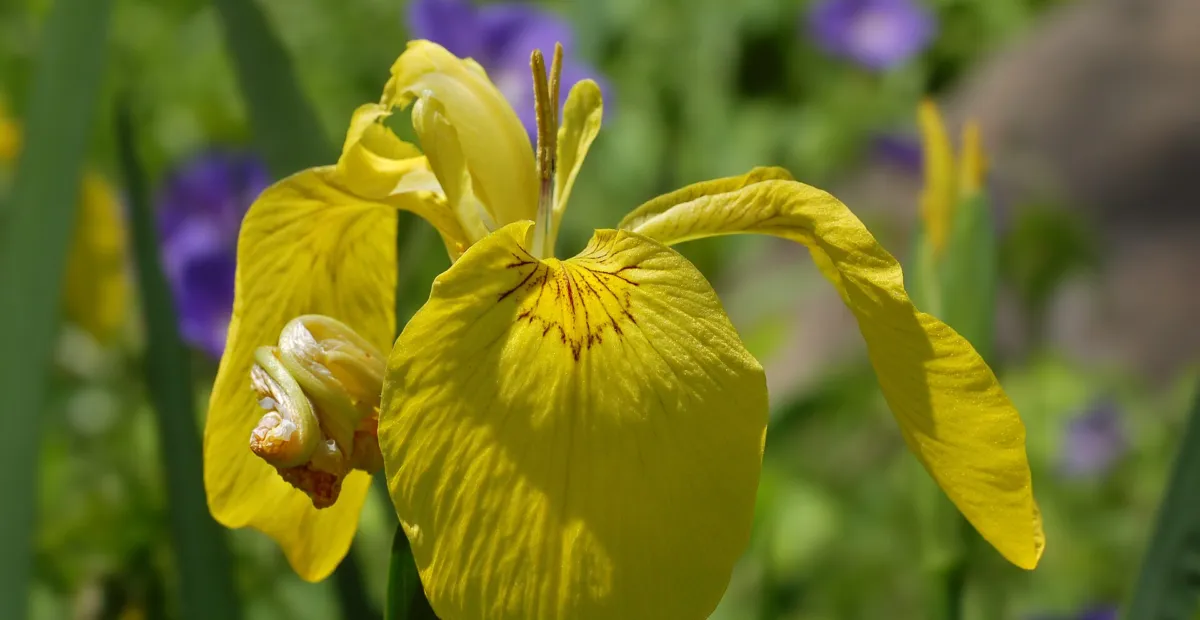
 Source:
 Yellow Iris (Iris pseudacorus) short overview
Yellow Iris (Iris pseudacorus) is a tall, rhizomatous perennial of wet margins, recognized by its flat, sword-shaped leaves and showy yellow flowers marked with brown or purple on the falls. It thrives in saturated soil and shallow water, but its vigorous rhizomes and buoyant seed capsules can create dense colonies. In the United States it is nonnative and invasive in many regions, so local restrictions and containment should be checked before planting.
Taxonomic classification
Yellow Iris (Iris pseudacorus) care guide
Light and placement
Grow in full sun for the strongest flowering, with light partial shade tolerated in hot climates. Place it at a contained pond margin, rain garden or wet border with good exposure and room for spread. Sparse flowering and weak, leaning growth can indicate too little light; scorched foliage usually reflects heat or drying rather than excessive sun when the soil is wet.
Watering and humidity
Keep the root zone consistently saturated or very moist during establishment and through the growing season. Plants at pond edges may need little supplemental water, while border-grown plants should be watered deeply whenever the upper soil begins to dry. Do not allow newly planted rhizomes to dry out, but avoid stagnant containers without oxygenated wet soil.
Soil and growing medium
Use consistently moist to wet soil with substantial organic matter. Yellow Iris tolerates clay, peat, loam, gravelly margins and periodically submerged ground, provided the rhizomes do not dry out during establishment. Soil reaction can range from slightly acidic to slightly alkaline. In containers, use a heavy moisture-retentive medium rather than a loose, fast-drying mix.
Feeding
Feed sparingly. In spring, apply a thin layer of mature compost or a balanced slow-release fertilizer around, not directly on, the rhizome crown. Avoid heavy nitrogen feeding, which can produce weak, lush foliage and increase runoff risk near water. Do not fertilize plants growing directly in natural waterways.
Growth and habit
This vigorous perennial expands by thick rhizomes and can produce dense, spreading colonies. It establishes especially quickly in saturated soils and shallow water. Containment, removal of seed capsules where appropriate, and complete removal of unwanted rhizome fragments are more important than frequent trimming.
Planting and repotting
Plant in spring or early fall while soil is workable. Set rhizomes shallowly, with the upper surface at or just below the soil line; in pond margins, place them in saturated soil or very shallow water rather than deeply submerging the crown. Allow roughly 24–36 inches between established clumps where spread can be controlled. Avoid planting beside streams, drainage channels or natural wetlands.
Repot or divide container-grown plants in late summer or early fall after flowering, or in early spring before strong growth. Use a wide, heavy container because rhizomes expand and tall foliage can catch wind. Remove unwanted rhizome pieces completely and do not discard them near natural waterways.
Propagation and pruning
Propagation
Divide rhizomes in late summer or early fall, cutting healthy sections with viable buds and roots. Seed propagation is possible after capsules mature, but seedlings may take longer to flower and can contribute to unwanted spread. Do not transport rhizome fragments or seed to natural waterways.
Pruning
Cut flowering stems after seed capsules are removed if preventing spread is a priority. Cut back old leaves after they yellow or in late winter before new growth begins. Bag mature capsules and rhizome fragments rather than composting them where they could escape.
Overwintering
Plants are generally winter-hardy in USDA Zones 5–9. Leave foliage in place until it yellows, then cut it back in late winter or early spring. Container plants are more exposed to freezing and should be sunk into the ground, moved to a sheltered location, or insulated so the rhizomes do not freeze repeatedly.
Uses
Used ornamentally at contained pond margins, rain gardens and wet borders for its yellow flowers and strong vertical foliage. It may assist sediment or nutrient capture in managed systems, but planting for remediation should not permit escape. It is not recommended for natural waterways in regions where it is invasive.
Appearance
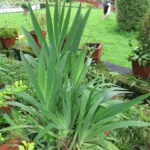
The plant forms upright fans of flat, sword-shaped leaves. Stout flowering stems rise above the foliage and carry branched clusters of large yellow iris flowers. Mature seed capsules become elongated and dark brown. Thick rhizomes create dense clumps and may form interwoven mats in shallow water.
Flowering
The branched flowering stems rise above the leaves in late spring and early summer. Each flower has three upright standards and three drooping falls, colored bright yellow with contrasting brown or purple markings near the base. Flowers are short-lived individually but appear successively over a relatively brief seasonal display.
Pollination and visitors
The flowers are adapted for insect visitation, and reports commonly associate Iris flowers with bees, bumblebees and other flower-visiting insects. The strength and composition of visitation can vary with region and competing bloom.
Iris pseudacorus photos
Click any photo for a larger view. Source, author and license are shown separately.
Diseases and pests
Diseases
Watch for rhizome rot in stagnant, poorly oxygenated conditions and leaf-spot problems during prolonged wet weather. Improve airflow, remove badly affected foliage, avoid moving contaminated soil or rhizome fragments, and divide overcrowded clumps with clean tools. Chemical treatment is generally unnecessary in a managed planting.
Pests
Common problems include iris borer in some regions, aphids, thrips and chewing insects. Inspect new growth and rhizomes, remove infested material, keep plants vigorous, and avoid moving soil or plant fragments. Follow local invasive-plant guidance before using herbicides.
Related diseases and pests
Only Plant Doctor profiles whose host data indicate this plant may be affected are shown here.
 PestStrawberry foliar nematodeAphelenchoides fragariae
 DiseaseRhizopus soft rotRhizopus stolonifer
 DiseaseAlternaria leaf spot and fruit rotAlternaria alternata
 DiseaseRhizoctonia DiseasesRhizoctonia solani Kühn
 PestOnion thripsThrips tabaci Lindeman
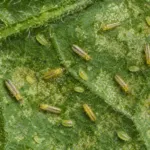 PestMelon thripsThrips palmi Karny
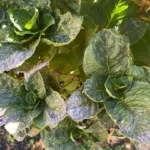 PestChilli thripsScirtothrips dorsalis Hood
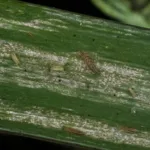 PestDracaena ThripsParthenothrips dracaenae
Toxicity and pollen
Iris species contain irritating compounds, with the highest concentration generally associated with rhizomes. Ingestion can cause gastrointestinal upset, and plant sap may irritate skin. Keep rhizomes and discarded plant material away from children and animals; wear gloves when dividing or handling damaged tissue.
- Typical season
- Late spring to early summer
- Pollination / pollen
- Primarily insect-dispersed pollen
Yellow Iris is insect-pollinated, so its pollen is generally presented within the flower rather than released in large airborne clouds. This does not establish zero allergy risk: sensitive people may react through direct contact with flowers or plant material, and regional evidence for clinically important airborne allergy is limited.
Native habitat
Naturally associated with lake, pond, river and stream margins, marshes, swamps, wet meadows and other persistently moist sites. It tolerates clay, peat, loam and some gravelly or saline-influenced margins. In the United States it has escaped cultivation and can spread along waterways.
Interesting fact
The species can form floating mats when rhizomes become interwoven in shallow water. Its seed capsules can aid spread along waterways. Dense colonies may displace native wetland vegetation and alter habitat structure.
Frequently asked questions (FAQ)
The most relevant questions about this plant, with short and direct answers.
🌱Quick care
What is Yellow Iris (Iris pseudacorus)?⌄
Yellow Iris is a hardy, rhizomatous perennial in the iris family that produces yellow flowers and sword-shaped leaves. It naturally grows in wet soils and shallow water, but it can spread aggressively.
How much sunlight does Yellow Iris need?⌄
Yellow Iris grows best in full sun but tolerates partial shade. Plants usually flower more reliably with at least 6 hours of direct sunlight.
How much water does Yellow Iris need?⌄
Yellow Iris needs consistently wet to waterlogged soil and can grow at the edge of ponds or in shallow water. Do not let container-grown plants dry out.
Is Yellow Iris hardy?⌄
Yellow Iris is a cold-hardy perennial that survives winter in much of the United States. Local hardiness and invasive-plant restrictions should be checked before planting.
🌤️Environment and placement
Where should I plant Yellow Iris?⌄
Plant Yellow Iris in a sunny, moisture-retentive location such as a pond margin, rain garden, bog garden, or wet ditch edge. Avoid sites where rhizomes or seeds can spread into natural waterways.
Can Yellow Iris grow in standing water?⌄
Yes, Yellow Iris can grow in saturated soil and shallow standing water, reportedly tolerating water up to about 10 inches deep. It is less suitable for dry garden beds.
Can Yellow Iris grow in clay soil?⌄
Yes, Yellow Iris tolerates moisture-retentive clay as well as loam, peat, and other organic wetland soils. Good moisture is more important than exceptionally loose drainage.
Can Yellow Iris grow in a rain garden?⌄
Yellow Iris can grow in a rain garden because it tolerates periodic flooding and wet soil. However, it is invasive in some U.S. states, so choose a native alternative where local guidance advises against it.
Is Yellow Iris invasive in the United States?⌄
Yellow Iris is invasive or regulated in parts of the United States and can form dense stands in wetlands. Check your state’s current invasive-plant list before buying, planting, or moving it.
💧Care and problems
How fast does Yellow Iris spread?⌄
Yellow Iris can spread rapidly through vigorous rhizomes and seeds, especially in wet soil. Dense colonies may crowd out native wetland plants.
Why is my Yellow Iris not blooming?⌄
The most common causes are insufficient sunlight, immature plants, overcrowding, or unsuitable moisture. Give it strong light and wet soil, but avoid unnecessary fertilizing because excess growth can worsen spreading.
Should Yellow Iris be fertilized?⌄
Yellow Iris usually needs little or no fertilizer when grown in fertile wetland soil. If growth is weak, test the soil before applying a modest, general-purpose fertilizer.
What pests or diseases affect Yellow Iris?⌄
Yellow Iris generally has few serious pest problems, although wet conditions and crowded growth can encourage general iris diseases. Improving spacing and removing damaged foliage can help, but chemical treatment is rarely the first step.
🪴Planting and repotting
When is the best time to plant Yellow Iris?⌄
Plant Yellow Iris in spring or fall when the soil is workable and consistently moist. Avoid planting during extreme heat or when the ground is frozen.
How deep should Yellow Iris rhizomes be planted?⌄
Plant Yellow Iris rhizomes shallowly, with the upper portion near the soil surface rather than deeply buried. In wet sites, firm the soil around the roots so the rhizome remains anchored.
Can Yellow Iris be grown in a container?⌄
Yellow Iris can be grown in a large, watertight container with constantly moist soil, but the container must be monitored for escaping rhizomes and seed. Do not place it where fragments can wash into a pond or stream.
✂️Propagation and pruning
How do you propagate Yellow Iris?⌄
Yellow Iris can be propagated by dividing rhizomes or growing it from seed. Because it is invasive in many regions, propagation and distribution should be avoided unless local authorities permit it.
Can Yellow Iris be divided?⌄
Yes, divide Yellow Iris by digging up the clump and separating healthy rhizome sections with roots and shoots. Wear gloves, remove every unwanted rhizome fragment, and do not discard pieces in waterways or natural areas.
Does Yellow Iris spread by seed?⌄
Yes, Yellow Iris produces dry seed capsules and can spread by seed as well as by rhizomes. Removing developing seed capsules can reduce new seedlings, although it will not stop rhizome spread.
How do I prune Yellow Iris after flowering?⌄
Cut flower stalks and seed capsules after flowering if you want to reduce self-seeding, and remove dead or damaged leaves as needed. Do not place removed plant material in streams, ponds, compost piles, or natural areas where it may root.
⚠️Toxicity and safety
Is Yellow Iris poisonous to people?⌄
Yes, Yellow Iris is moderately toxic if ingested, with the highest concentration of toxic compounds in the rhizomes. Ingestion may cause drooling, vomiting, diarrhea, or lethargy.
Can Yellow Iris irritate skin?⌄
Yes, sap and plant tissues can irritate skin, particularly when the plant is cut, dug, or divided. Wear gloves and protective clothing, and wash exposed skin after handling.
Is Yellow Iris toxic to dogs and cats?⌄
Yellow Iris can be toxic to dogs and cats if eaten, especially the rhizomes. Keep pets away from dug-up plants and contact a veterinarian or animal poison service if ingestion is suspected.
Is Yellow Iris safe around horses or livestock?⌄
Yellow Iris is not considered safe for grazing animals because ingestion can cause gastrointestinal illness. Keep livestock from accessing the plant, particularly freshly dug rhizomes and cut foliage.
How do I remove Yellow Iris safely?⌄
For a small infestation, dig out the entire plant and every rhizome fragment while wearing gloves, then repeat monitoring for regrowth. Larger wetland infestations may require an approved, site-specific control plan from local invasive-plant authorities.
🌸Flowering and special interest
When does Yellow Iris bloom?⌄
Yellow Iris typically blooms in spring and may continue into early summer, with several yellow flowers on each flowering stem. Exact timing varies with climate and local growing conditions.
What do Yellow Iris flowers look like?⌄
Yellow Iris has large, bright yellow iris-shaped flowers, often marked with darker lines or veining near the center. The flowers rise above upright, sword-shaped foliage.
Does Yellow Iris attract pollinators?⌄
Yellow Iris flowers can be visited by insects, but the plant is not generally regarded as a high-value native wildlife plant in the United States. Native wetland species may provide better habitat benefits.
Similar plants
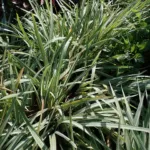 Variegata (Iris laevigata ‘Variegata’)Iris laevigata 'Variegata'
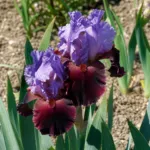 Iris ‘Romantic Evening’Iris 'Romantic Evening'
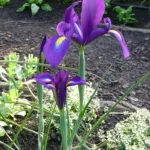 Iris ‘Purple Sensation’Iris 'Purple Sensation'
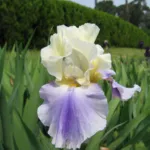 Iris ‘Edith Wolford’Iris 'Edith Wolford'
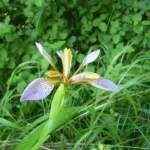 Iris foetidissima care guideIris foetidissima
 Blackberry Lily (Iris domestica) care guideIris domestica