Source:
 Blackberry Lily (Iris domestica) short overview
Blackberry Lily (Iris domestica) is a rhizomatous perennial from temperate Asia, grown in the United States for its upright fans of narrow, iris-like leaves and bright orange flowers marked with red. Blooms appear in summer, followed by dry capsules that split open to expose glossy black seeds resembling blackberries. It performs best in sharply drained soil, full sun to partial shade, and moderate watering while establishing.
Taxonomic classification
Blackberry Lily (Iris domestica) care guide
Light and placement
Choose full sun for the strongest flowering, ideally with at least 6 hours of direct light. Partial afternoon shade is useful in hot climates or where leaves scorch. Too little light produces weaker stems and fewer flowers; intense sun combined with dry soil can brown leaf tips.
Watering and humidity
Water deeply after planting and keep the soil moderately and consistently moist while roots establish. Once established, the plant tolerates occasional dry periods, but do not let containers dry repeatedly during flowering. Reduce watering in cool or wet seasons because saturated winter soil can cause fatal rhizome or crown rot.
Soil and growing medium
Use average, fertile soil that drains freely. Loam, sandy loam, or amended clay can work, but persistent winter wetness is the main risk. A slightly acidic to slightly alkaline reaction is tolerated; neutral to mildly acidic soil is a practical target.
Feeding
In reasonably fertile garden soil, apply a thin layer of compost in spring or use a balanced, slow-release fertilizer at label rate as growth begins. Avoid heavy nitrogen feeding, which can produce soft foliage and does not compensate for poor drainage. Do not fertilize drought-stressed or waterlogged plants.
Growth and habit
This upright, clump-forming perennial emerges from rhizomes and typically dies back in colder winters before returning in spring. Flowering stems rise above the foliage, while mature clumps can gradually fill their allotted space. Divide crowded clumps to maintain vigor and spacing.
Planting and repotting
Plant in spring or early fall, setting the rhizome about 5 inches below the soil surface according to extension guidance. Space plants 3–4 inches apart for a dense planting or about 3 feet apart for an open mass. Water thoroughly after planting and keep evenly moist during establishment.
Repot container plants in spring when the rhizomes are crowded or the potting mix has compacted. Use a deep container with drainage holes and a well-drained, soil-based mix. Replant rhizomes at the same depth rather than burying the crown deeply.
Propagation and pruning
Propagation
Divide rhizomes in spring or after flowering when the plant is dormant or slowing down. Replant healthy sections immediately. Seeds can be sown fresh or stratified and may take longer to reach flowering size; seedlings may vary from named cultivars.
Pruning
Cut flowering stems after the display if self-seeding is unwanted, or leave the capsules for ornamental interest and seed collection. Remove yellowed foliage after frost or when it has fully died back. Avoid cutting green leaves prematurely because they replenish the rhizome.
Overwintering
In cold climates, foliage may die back naturally after frost. Remove collapsed leaves after dormancy and maintain excellent drainage through winter. A light winter mulch can protect shallow plantings in exposed Zone 5 sites, but keep mulch away from the crown and avoid moisture-trapping cover.
Uses
Useful as an ornamental border, walkway, mass planting, container plant, cutting flower, and late-summer accent. The seed capsules provide autumn display. It is not native to North America, so use it as an ornamental rather than as a regional native-wildlife substitute; Florida assessment sources do not currently classify it as a problem species.
Appearance
The plant forms flattened fans of narrow, strap-like green leaves from an underground rhizome. Slender, wire-like flowering stems rise above the foliage. Orange flowers are marked with red spots, and the dry capsules split open to reveal a distinctive cluster of glossy black seeds.
Flowering
The species produces short-lived, radial, six-parted flowers in loose sprays near the tops of slender stems. Individual flowers last roughly one to two days, but successive buds extend the display for several weeks. In much of the United States, flowering is concentrated in July and August, with local variation.
Pollination and visitors
Extension sources specifically report butterfly attraction. The open, showy flowers may be visited by other insects, but reliable species-level pollinator documentation is limited, so no additional visitor groups are assigned.
Iris domestica photos
Click any photo for a larger view. Source, author and license are shown separately.
Diseases and pests
Diseases
Crown or rhizome rot is the principal concern and is encouraged by poorly drained soil. Improve drainage, avoid burying the crown too deeply, and reduce irrigation during cool, wet weather. Remove badly rotted tissue and replant healthy divisions in fresh, well-drained soil.
Pests
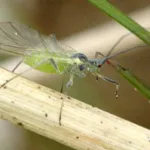
Usually trouble-free, but iris borers, slugs, and snails may damage rhizomes or foliage. Inspect new growth and rhizomes, remove debris, improve air circulation, and use proportionate controls only when damage is persistent.
Related diseases and pests
Only Plant Doctor profiles whose host data indicate this plant may be affected are shown here.




Toxicity and pollen
North Carolina Extension lists the plant as a problem for dogs and cats, but readily accessible species-specific toxicology details are limited. Do not allow pets or children to chew rhizomes, foliage, flowers, or seed capsules. Seek professional advice after ingestion, especially if vomiting, drooling, or lethargy occurs.
- Typical season
- During flowering, typically July–August in much of the United States
- Pollination / pollen
- Flower pollen presented to insect visitors
No dependable species-specific evidence was found establishing a defined airborne-allergy risk. As an insect-pollinated flowering perennial, pollen is generally presented within the flower rather than released in large windborne clouds, but sensitive individuals should still avoid assuming zero risk.
Native habitat
Iris domestica is native from the Himalaya through China, Japan, and the Philippines, where it occurs in temperate to warm-temperate settings. In cultivation it favors open, well-drained sites and tolerates average garden soils, occasional dryness, and disturbed conditions better than prolonged saturation.
Interesting fact
The species was formerly placed in the separate genus Belamcanda as Belamcanda chinensis. Its dry capsules split open to expose shiny black seeds that resemble blackberries. The flowers look more like small lilies than many familiar garden irises, despite its placement in Iris.
Frequently asked questions (FAQ)
The most relevant questions about this plant, with short and direct answers.
🌱Quick care
What is Iris domestica commonly called in the United States?⌄
Iris domestica is commonly called Blackberry Lily. It was formerly known as Belamcanda chinensis, a name still found on older labels and gardening references.
Is Blackberry Lily a true lily?⌄
No, Blackberry Lily is an iris-family perennial in the Iridaceae family. Its lily-like flowers explain the common name, but botanically it is Iris domestica.
Is Iris domestica perennial?⌄
Yes, Iris domestica is a rhizomatous herbaceous perennial. It may die back in winter and return from underground rhizomes in spring.
How big does Blackberry Lily get?⌄
Blackberry Lily usually grows about 2 to 4 feet tall and 1 to 2 feet wide. Height varies with cultivar, soil fertility, moisture, and light.
🌤️Environment and placement
What USDA zones can grow Blackberry Lily?⌄
Blackberry Lily is generally hardy in USDA Zones 5 through 10. Winter survival is best in well-drained soil, because cold, wet conditions can damage the rhizomes.
Does Iris domestica need full sun?⌄
Iris domestica grows and flowers best in full sun, meaning at least 6 hours of direct sunlight daily. It tolerates partial shade but may bloom less heavily or grow taller and weaker.
Can Blackberry Lily grow in partial shade?⌄
Yes, Blackberry Lily can grow in partial shade. Choose a bright location with several hours of sun for the strongest stems and most abundant flowering.
What type of soil is best for Blackberry Lily?⌄
Blackberry Lily prefers moderately fertile, well-drained soil. It can tolerate loam, sand, or clay if heavy soil is amended or positioned to prevent standing water.
Can Iris domestica grow in clay soil?⌄
Yes, Iris domestica can grow in clay soil if drainage is improved. Amend compacted clay with organic matter and avoid planting where water remains around the rhizomes.
Is Blackberry Lily drought tolerant?⌄
Blackberry Lily is moderately drought tolerant once established. Water it during prolonged dry periods, especially while young or flowering, but do not keep the soil constantly wet.
💧Care and problems
How often should you water Blackberry Lily?⌄
Water Blackberry Lily when the soil begins to dry, providing moderate moisture without saturation. Established plants usually need supplemental water mainly during extended heat or drought.
Why are the leaves of my Blackberry Lily turning brown?⌄
Brown leaf tips or margins can result from drought stress, intense heat, or leaf scorch. Check soil moisture, water deeply during prolonged dryness, and make sure the rhizomes still drain freely.
What are the main problems affecting Iris domestica?⌄
The main concerns are crown or rhizome rot in wet soil, occasional iris borers, and damage from slugs or snails. Good drainage and removal of badly affected plant material help prevent serious problems.
Does Blackberry Lily need fertilizer?⌄
Blackberry Lily usually needs little fertilizer when grown in reasonably fertile soil. If growth is weak, apply a balanced garden fertilizer in spring according to the product label rather than overfeeding.
🪴Planting and repotting
When should I plant Blackberry Lily?⌄
Plant Blackberry Lily in spring after the danger of severe frost has passed or in early fall while the soil is workable. In mild regions, container-grown plants can often be planted more broadly through the year.
How deep should Iris domestica rhizomes be planted?⌄
Plant Iris domestica rhizomes with the base about 5 inches below the soil surface. Set them in well-drained soil and avoid burying them in a low, water-collecting site.
How far apart should Blackberry Lily plants be spaced?⌄
Space Blackberry Lily about 3 to 4 feet apart for individual plants or roughly 3 to 4 inches apart for a denser small planting, depending on whether the goal is a mass display or room for spreading.
Can Blackberry Lily be grown in containers?⌄
Yes, Blackberry Lily can grow in containers with drainage holes and a loose, well-drained potting mix. Choose a pot large enough for the rhizomes and protect the container from extreme winter exposure in colder areas.
✂️Propagation and pruning
How do you propagate Blackberry Lily?⌄
Propagate Blackberry Lily from seed or by dividing its rhizomes. Division produces plants more quickly, while seed is useful for producing larger numbers of plants but may take longer to reach flowering size.
How do you grow Iris domestica from seed?⌄
Sow Iris domestica seeds about ¼ inch deep in warm soil and keep the seedbed evenly moist. Seeds can be started indoors 6 to 8 weeks before the last expected frost or sown outdoors after frost danger has passed.
How long do Blackberry Lily seeds take to germinate?⌄
Blackberry Lily seeds commonly germinate in about 1 to 2 weeks under warm, evenly moist conditions. Cooler temperatures, old seed, or inconsistent moisture can delay emergence.
Can Blackberry Lily self-seed?⌄
Yes, Blackberry Lily can self-seed when mature pods split open, but it is generally not considered aggressive. Remove flower stalks before seed pods mature if you want to limit volunteer seedlings.
When should Blackberry Lily be divided?⌄
Divide Blackberry Lily in spring or early fall when temperatures are moderate. Lift the clump, separate healthy rhizome sections with shoots and roots, and replant them promptly at the original depth.
Should Blackberry Lily be deadheaded?⌄
Deadhead Blackberry Lily to encourage a tidier appearance and reduce self-seeding. Leave the stalks if you want the distinctive black seed clusters for fall interest or seed collection.
⚠️Toxicity and safety
Is Blackberry Lily toxic to dogs and cats?⌄
Blackberry Lily should be treated as potentially toxic to dogs and cats, so prevent pets from chewing the plant. Contact a veterinarian or pet poison service promptly if ingestion occurs, especially if symptoms develop.
Are Blackberry Lily seeds safe to eat?⌄
No, Blackberry Lily seeds should not be eaten. The decorative black seed clusters are for display or propagation, not food, and all plant material should be kept away from children and pets.
Can people use Iris domestica medicinally?⌄
Iris domestica has a history of traditional medicinal use in parts of Asia, but home use is not recommended without qualified professional guidance. The plant should not be consumed casually because safety and dosage depend on the preparation and plant part.
🌸Flowering and special interest
When does Blackberry Lily bloom?⌄
Blackberry Lily typically blooms in summer, often from July into August in much of the United States. In warmer climates or depending on the cultivar, flowering may begin earlier or continue later.
What do Blackberry Lily flowers look like?⌄
Blackberry Lily produces orange to yellow, red-spotted, six-petaled flowers on slender branched stems. Cultivars may also have yellow, pink, purple, or differently patterned blooms.
Why is my Blackberry Lily not blooming?⌄
Insufficient sunlight, excessive nitrogen, young plants, drought stress, or overly wet rhizomes can reduce flowering. Move or thin plants toward brighter light and correct drainage or watering problems before adding fertilizer.
What are the black berries on Blackberry Lily?⌄
The black berries are actually seeds displayed inside split seed capsules, not edible berries. The capsules open in late summer or fall to reveal clusters that resemble blackberries.
Does Blackberry Lily attract pollinators?⌄
Yes, Blackberry Lily flowers can attract butterflies and other flower-visiting insects. Planting several together in a sunny location can make the display more noticeable to pollinators.