
 Source:
Fernleaf lavender and jagged lavender) is a species of flowering plant in the mint family (Lavandula pinnata) short overview
Lavandula pinnata, known as fernleaf lavender and jagged lavender) is a species of flowering plant in the mint family, is a tender aromatic subshrub native to southern Madeira and Lanzarote in the Canary Islands. It forms silver, finely divided foliage and slender spikes of blue-purple, two-lipped flowers. Give it full sun, gritty sharply drained soil, restrained watering, and protection from frost. In most of the United States, it is best grown in a container that can be sheltered or overwintered indoors.
Taxonomic classification
Fernleaf lavender and jagged lavender) is a species of flowering plant in the mint family (Lavandula pinnata) care guide
Light and placement
Provide full sun, ideally at least 6–8 hours of direct light with strong afternoon exposure. A south- or west-facing position is suitable, especially near a reflective wall in cooler regions. Weak light produces stretched stems and sparse flowering; excessive heat is usually tolerated if roots remain cool enough and the mix drains rapidly.
Watering and humidity
Water thoroughly only when the upper several inches of mix have dried, then allow excess water to drain completely. Reduce watering in cool weather and stop routine irrigation during prolonged winter dormancy unless the plant is in a very dry container. Do not leave the pot standing in water; humidity itself is less important than airflow and dry foliage.
Soil and growing medium
Use a gritty, sharply draining mix with a substantial mineral component such as coarse sand, pumice, perlite, or fine gravel. Neutral to slightly alkaline conditions are preferred. Avoid rich, water-retentive soil and raised organic matter around the crown, especially in containers.
Feeding
Feed sparingly in spring with a weak, balanced fertilizer or a very light top-dressing of low-nitrogen compost. Do not repeatedly fertilize lushly or late in the season; excessive fertility produces soft growth and can reduce drought tolerance. Skip feeding when the plant is stressed, recently repotted, or dormant.
Growth and habit
This woody perennial subshrub branches in warm conditions and can become open or straggly when light is weak. The main maintenance priorities are intense light, sharp drainage, restrained feeding, and cutting back only into live leafy growth. It responds poorly to cold, wet winter conditions.
Planting and repotting
Plant after the danger of frost has passed, placing the root ball at soil level rather than burying the woody crown. Choose a sunny, airy site and amend heavy ground with mineral drainage material instead of compost-rich soil. Container plants can be planted out for the warm season and lifted before cold weather.
Repot in spring when active growth begins or when roots have filled the container. Move only one pot size larger, use a very free-draining mix, and keep the crown at the same level. Avoid frequent repotting because oversized pots stay wet longer.
Propagation and pruning
Propagation
Take softwood or semi-ripe cuttings in spring or early summer when shoots are firm but not woody. Use a sterile, gritty rooting medium and keep it lightly moist, never saturated. Seed propagation is possible but may be slower and less uniform; sow fresh seed in warmth and bright light.
Pruning
Deadhead after flowering and trim lightly in late summer to maintain a compact shape. Avoid cutting into old, leafless wood because lavender may not resprout reliably there. In cold or wet regions, avoid hard autumn pruning, which can increase winter damage.
Overwintering
Move container plants indoors before the first freeze to a bright, cool, frost-free location. Water sparingly through winter and provide ventilation. In USDA Zone 9, use a rain-protected position and mulch only lightly around, never over, the crown. Outdoor survival is unreliable where hard freezes or cold wet winters occur.
Uses
Primarily an ornamental specimen for containers, rock gardens, Mediterranean-style plantings, patios, conservatories, and warm-climate pollinator gardens. Its aromatic foliage and unusual fern-like form provide visual and sensory interest. Do not assume culinary or medicinal safety for this species without verified product-specific guidance, and never ingest essential oil.
Appearance
The plant is recognized by aromatic, pinnate leaves divided into narrow lobes and covered with fine silver hairs. Slender upright stems carry narrow blue-purple flower spikes. The foliage gives the plant a fern-like texture that distinguishes it from many narrow-leaved lavender species.
Flowering
The plant produces slender spikes bearing blue-purple, two-lipped flowers typical of lavender. In warm conditions it flowers from late spring into summer; flowering may be later or reduced in containers kept cool or indoors. Removing spent spikes can improve appearance and may encourage further flowering.
Pollination and visitors
The blue-purple, nectar-bearing lavender flowers are suitable for insect visitors, including bees, bumblebees, and butterflies. Published species-specific visitor data are limited, so the attraction rating reflects characteristic lavender flower ecology rather than a comprehensive survey of Lavandula pinnata.
Lavandula pinnata photos
Click any photo for a larger view. Source, author and license are shown separately.
Diseases and pests
Diseases
Poor drainage can lead to root and crown problems, while humid conditions may encourage gray mold. Prevent problems with porous soil, careful watering, good spacing, and strong air circulation. Remove badly affected tissue and avoid overhead irrigation.
Pests
Watch for rosemary beetle, cuckoo spit, and sage leafhopper. Inspect new growth and flower stems, remove minor infestations by hand or with a water spray, and use targeted control only when necessary. Good airflow and avoiding excessive nitrogen help maintain sturdy growth.
Related diseases and pests
Only Plant Doctor profiles whose host data indicate this plant may be affected are shown here.
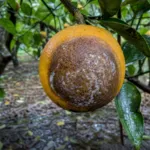 DiseaseCitrus brown rot caused by Phytophthora citrophthoraPhytophthora citrophthora
 DiseaseStolbur Phytoplasma Disease‘Candidatus Phytoplasma solani’
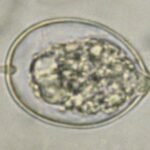 DiseasePhytophthora cactorum crown, collar, root and fruit rotPhytophthora cactorum
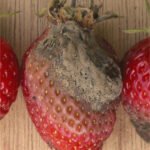 DiseaseGray MoldBotrytis cinerea
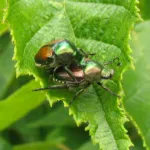 PestJapanese beetlePopillia japonica
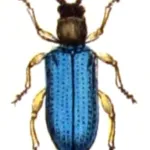 PestCereal leaf beetleOulema melanopus
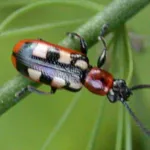 PestAsparagus BeetleCrioceris asparagi
Toxicity and pollen
Reliable species-specific toxicity information for Lavandula pinnata is limited. Lavender oils and concentrated plant extracts can irritate skin or cause adverse effects if swallowed, and lavender species may be unsafe for pets in substantial amounts. Do not ingest essential oil; keep concentrated preparations away from children and animals.
- Typical season
- Typically late spring through summer in the United States when grown outdoors
- Pollination / pollen
- Insect-carried pollen with limited airborne dispersal
This is an insect-pollinated flowering plant, so its pollen is generally not released in large windborne clouds. However, no species-specific clinical allergy assessment was located, and sensitive people may still react to flowers, fragrance, or plant contact. Avoid rubbing the eyes after handling and monitor individual sensitivity.
Native habitat
The species is native to southern Madeira and Lanzarote in the Canary Islands, where it occurs in subtropical island environments. It is adapted to warm conditions, strong light, relatively lean soils, and rapid drainage rather than prolonged winter cold or saturated ground.
Interesting fact
The accepted species is native to southern Madeira and Lanzarote rather than the Mediterranean mainland. Its fern-like appearance comes from pinnate, deeply divided leaves covered with fine silver hairs. Cambridge Botanic Garden notes that plants sold as Lavandula pinnata may sometimes be the hybrid Lavandula × christiana instead.
Frequently asked questions (FAQ)
The most relevant questions about this plant, with short and direct answers.
🌱Quick care
What is Lavandula pinnata commonly called?⌄
Lavandula pinnata is documented as “fernleaf lavender and jagged lavender)” and belongs to the mint family, Lamiaceae. The plant is recognized for its finely divided, fernlike foliage and fragrant lavender flowers.
Is Lavandula pinnata easy to grow?⌄
Lavandula pinnata is fairly easy to grow when given full sun, sharply drained soil, and restrained watering. It is less forgiving of frost, heavy clay, and consistently wet roots.
How much sun does Lavandula pinnata need?⌄
Lavandula pinnata grows best in full sun, ideally with at least 6 hours of direct light daily. Strong light helps maintain compact growth and supports flowering.
How often should I water Lavandula pinnata?⌄
Water Lavandula pinnata deeply but infrequently, allowing the soil to dry between waterings. Newly planted specimens need more regular attention until established, while mature plants prefer relatively dry conditions.
Is Lavandula pinnata frost hardy?⌄
Lavandula pinnata is frost tender and may be damaged or killed by freezing temperatures. In colder parts of the United States, grow it in a container and move it to a protected, frost-free location before hard freezes.
🌤️Environment and placement
What USDA climate is best for Lavandula pinnata?⌄
Lavandula pinnata is best suited to frost-free or mild climates with dry summers and excellent drainage. In colder USDA-style climates, it is usually more reliable as a container plant that can be sheltered during winter.
Can Lavandula pinnata grow outdoors in the United States?⌄
Yes, Lavandula pinnata can grow outdoors year-round in warm, frost-free areas of the United States. Elsewhere, treat it as a seasonal outdoor plant or bring it indoors before frost.
Can Lavandula pinnata grow in hot weather?⌄
Lavandula pinnata can tolerate heat when its soil drains rapidly and air circulation is good. During extreme heat, protect container plants from reflected afternoon heat and monitor them for unusually rapid drying.
What type of soil does Lavandula pinnata need?⌄
Lavandula pinnata needs gritty, sandy, rocky, or otherwise sharply drained soil. Avoid heavy clay and moisture-retentive mixes, which can cause root or crown problems.
Can Lavandula pinnata grow in a container?⌄
Yes, Lavandula pinnata grows well in a container with drainage holes and a gritty, fast-draining potting mix. Containers are especially useful in the United States because they make frost protection easier.
Should Lavandula pinnata be grown indoors?⌄
Lavandula pinnata can be overwintered indoors, but it needs the brightest available window, dry conditions, and good air circulation. It is generally better outdoors during the frost-free growing season than as a permanent low-light houseplant.
💧Care and problems
Why is my Lavandula pinnata turning yellow?⌄
Yellowing leaves on Lavandula pinnata most often indicate overwatering, poor drainage, or insufficient light. Let the soil dry between waterings and check that excess water can escape freely from the pot or planting site.
Why is my Lavandula pinnata wilting despite wet soil?⌄
Wilting despite wet soil usually indicates root stress caused by waterlogged conditions rather than thirst. Move the plant into sharper drainage, reduce watering, and inspect the roots for soft or darkened tissue.
Does Lavandula pinnata need fertilizer?⌄
Lavandula pinnata usually needs little fertilizer because it naturally prefers lean soil. If growth is weak, apply a light, balanced fertilizer in spring rather than frequent heavy feeding, which can produce soft growth.
How do I prune Lavandula pinnata?⌄
Prune Lavandula pinnata lightly after flowering to remove spent flower stems and maintain a compact shape. Avoid cutting deeply into old, leafless wood because lavender may not reliably regrow from it.
Should I deadhead Lavandula pinnata?⌄
Deadheading Lavandula pinnata can improve its appearance and may encourage additional flowering. Cut flower stems back to a leafy portion without removing large amounts of old woody growth.
What are common problems with Lavandula pinnata?⌄
The main problems are root rot from wet soil, frost injury, weak growth from inadequate light, and fungal issues in crowded or humid conditions. Good drainage, full sun, and open spacing prevent many of these problems.
🪴Planting and repotting
When should I plant Lavandula pinnata outdoors?⌄
Plant Lavandula pinnata outdoors after the danger of frost has passed and the soil is no longer cold and saturated. In frost-prone areas, wait for stable warm weather or keep the plant in a movable container.
How should I plant Lavandula pinnata in the ground?⌄
Set Lavandula pinnata in full sun with the crown at the same level as it was in its container, then backfill with sharply drained soil. Leave space around the plant for airflow and avoid low spots where water collects.
How often should I repot Lavandula pinnata?⌄
Repot Lavandula pinnata when roots fill the container or water begins to drain unusually slowly. Move it into only a slightly larger pot using a fresh gritty mix, preferably in spring or during active growth.
✂️Propagation and pruning
How can I propagate Lavandula pinnata?⌄
Lavandula pinnata is commonly propagated from seeds or stem cuttings. Cuttings taken from healthy, nonflowering shoots usually provide a more predictable result than seedlings, which may vary in growth and flowering.
Can Lavandula pinnata be grown from seed?⌄
Yes, Lavandula pinnata can be grown from seed in a sterile, sharply drained medium. Provide warmth, bright light, and careful watering because emerging seedlings are vulnerable to damping-off and excessive moisture.
When should I take Lavandula pinnata cuttings?⌄
Take Lavandula pinnata cuttings during active growth from healthy, nonflowering stems that are beginning to firm but are not heavily woody. Keep the rooting medium lightly moist, never saturated.
⚠️Toxicity and safety
Is Lavandula pinnata poisonous to humans?⌄
Species-specific toxicity data for Lavandula pinnata are limited, so do not ingest the plant or use concentrated oils without reliable species-specific guidance. Contact with aromatic plants or oils may also irritate sensitive skin.
Is Lavandula pinnata safe for dogs and cats?⌄
Species-specific safety information for Lavandula pinnata is limited, so keep pets from eating the plant and keep concentrated lavender oils inaccessible. Contact a veterinarian or an animal poison-control service if a pet consumes a substantial amount or develops symptoms.
Can I cook with Lavandula pinnata?⌄
Do not assume Lavandula pinnata is culinary lavender because edible-use information is not well established for this species. Avoid eating it unless the plant has been specifically identified and a reliable botanical or food-safety source confirms appropriate use.
Is Lavandula pinnata essential oil safe to use?⌄
Do not make or ingest Lavandula pinnata essential oil without expert, species-specific safety guidance. Concentrated essential oils can cause poisoning, irritation, or allergic reactions and should be kept away from children and pets.
🌸Flowering and special interest
When does Lavandula pinnata bloom?⌄
Lavandula pinnata generally flowers during the warm growing season, although the exact timing depends on climate, light, and plant maturity. Frost-free conditions and adequate sunlight can support a longer flowering period.
What do Lavandula pinnata flowers look like?⌄
Lavandula pinnata produces fragrant lavender-colored flowers on upright spikes above finely divided foliage. The airy flower stems give the plant a lighter, more open appearance than some compact lavender varieties.
Does Lavandula pinnata attract bees and butterflies?⌄
Lavandula pinnata flowers can attract bees and other flower-visiting insects. Its value for pollinators is greatest when it is grown in full sun and allowed to flower without frequent cutting.
Can I use Lavandula pinnata as a cut or dried flower?⌄
Lavandula pinnata can be used decoratively as a fresh or dried flower, provided the plant has been grown without unsafe pesticide residues. Dry flower stems in a warm, dry, well-ventilated place away from direct sun.
Similar plants
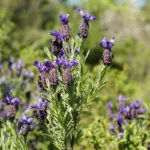 Stickadove (Lavandula stoechas) care guideLavandula stoechas
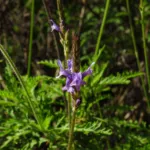 Canary Island Lavender (Lavandula canariensis) care guideLavandula canariensis
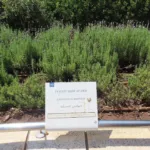 Lavandula dentata care guideLavandula dentata
 Hidcote Blue (Lavandula angustifolia ‘Hidcote Blue’)Lavandula angustifolia 'Hidcote Blue'
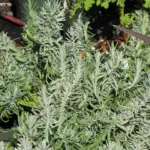 Lavende (Lavandula angustifolia) care guideLavandula angustifolia
 Spanish lavender (Lavandula pedunculata) care guideLavandula pedunculata