
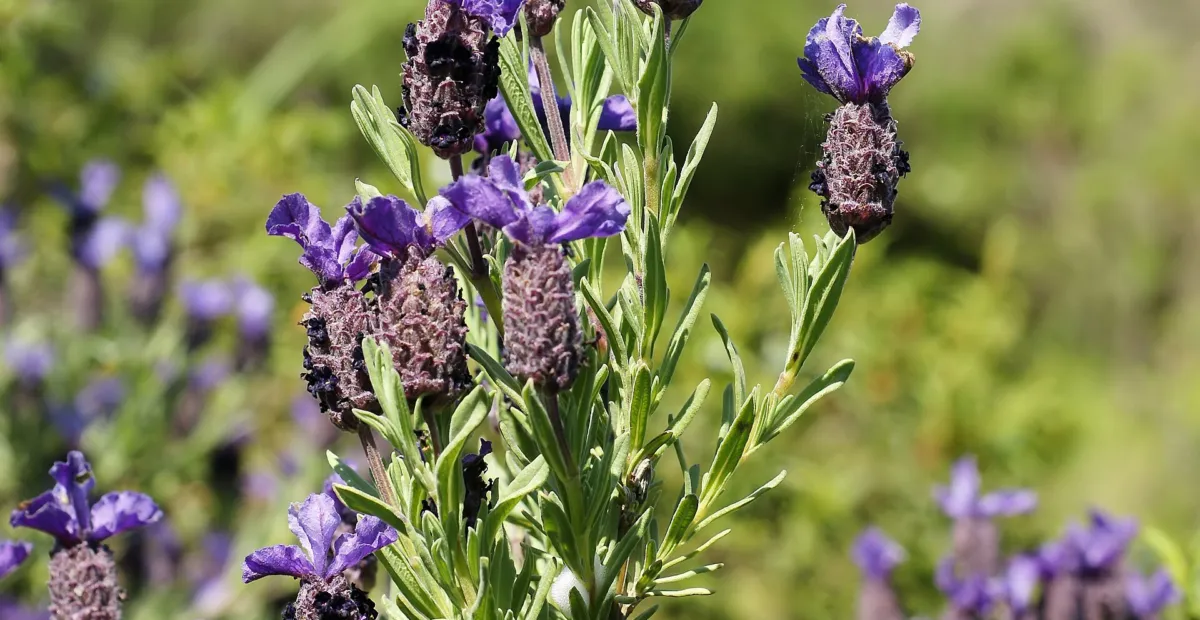
 Source:
Stickadove (Lavandula stoechas) short overview
Stickadove (Lavandula stoechas) is a fragrant Mediterranean woody perennial grown for narrow gray-green foliage and dense purple flower spikes topped by showy bracts. It performs best in full sun, sharply drained sandy or gritty soil, and low to moderate irrigation after establishment. In the United States it is reliably perennial mainly in warmer regions, while colder areas often grow it as a container plant or overwinter it under protection.
Taxonomic classification
Stickadove (Lavandula stoechas) care guide
Light and placement
Give at least 6–8 hours of direct sun, ideally in an open south- or west-facing position with excellent airflow. Plants receiving too little light become lanky, produce fewer spikes, and may develop weak, soft growth. In very hot climates, intense afternoon sun is usually acceptable if drainage is excellent; shade is more likely to reduce flowering than help it.
Watering and humidity
Water deeply but infrequently once established, allowing the soil to dry substantially between waterings. New plantings need more regular irrigation during their first season; established plants prefer dry intervals. Containers may need water more often in summer, but never leave the pot standing in runoff. Avoid frequent overhead watering and winter wetness.
Soil and growing medium
Use a sharply drained, gritty substrate based on sandy loam, mineral grit, or a commercial cactus-style mix. Avoid heavy clay and water-holding organic soils. A near-neutral to slightly alkaline pH is generally suitable; drainage is more important than fine pH adjustment.
Feeding
Feed sparingly. In fertile ground, little fertilizer is needed; excessive nitrogen encourages soft, leafy growth and weaker flowering. If growth is poor, apply a light, balanced fertilizer in spring at no more than the label rate, or use a thin top-dressing of mature compost. Do not fertilize drought-stressed, recently transplanted, or dormant plants.
Growth and habit
Forms a rounded, branching, evergreen subshrub with a woody base and flowering shoots produced from newer growth. It becomes sparse if grown in shade, wet soil, or excessive fertilizer. Maintaining open spacing, restrained watering, and light annual trimming helps preserve a compact, floriferous habit.
Planting and repotting
Plant after the danger of hard frost has passed, when soil is workable and warm. Set plants at the same depth as in the nursery container; do not bury the woody crown. Space about 18–24 inches apart for airflow, and water regularly during the first growing season while avoiding saturation.
Repot container plants in spring, moving up only one pot size. Replace compacted, moisture-retentive mix with a coarse, fast-draining medium. Keep the crown at the same level and water sparingly until new growth resumes.
Propagation and pruning
Propagation
Semi-ripe or softwood stem cuttings are the most practical way to preserve desirable plant traits. Take nonflowering shoots in spring or after flowering, remove lower leaves, and root in a sterile, sharply drained medium kept lightly moist. Seed is possible but slower and less uniform; division is feasible for established clumps.
Pruning
After the main flush of bloom fades, lightly shear the green leafy growth by about one-quarter to one-third to maintain shape and encourage branching. Never cut deeply into leafless old wood or cut the plant to the ground, because mature woody stems may not resprout.
Overwintering
In Zones 8–9, use a very fast-draining site and protect plants from prolonged cold, winter rain, and wet crowns. In colder regions, move containers indoors before hard freezes and keep them in the brightest cool location available, watering sparingly. Avoid heavy mulch packed against the crown.
Uses
Useful as a fragrant ornamental for Mediterranean borders, gravel gardens, raised beds, containers, edging, and pollinator plantings. Flower stems can be dried for decorative use. Culinary and medicinal use should not be assumed for this exact species or for unidentified nursery plants, because chemistry varies among lavender taxa and cultivars.
Appearance
Leaves are narrow, linear to narrowly elliptic, gray-green, aromatic, and often rolled slightly at the margins. Stems are upright, branching, and square in cross-section, becoming woody toward the base. The most diagnostic feature is the dense, dark flower spike topped by a conspicuous tuft of larger bracts.
Flowering
Dense terminal flower spikes appear above the foliage, with small tubular flowers enclosed by overlapping bracts and topped by a conspicuous crown of larger bracts. Flowering is strongest in bright, dry conditions and may repeat after light post-bloom trimming, especially in long, warm seasons.
Pollination and visitors
The nectar-rich flowers are documented resources for insect visitors, especially bees, and lavender plantings are commonly included in pollinator gardens. Honey bees have been studied foraging on the inflorescences. Visitor activity is typically greatest in warm, sunny weather.
Lavandula stoechas photos
Click any photo for a larger view. Source, author and license are shown separately.
Diseases and pests
Diseases
The main risk is root or crown rot caused by excess moisture and poor drainage. Improve drainage, avoid overhead irrigation, provide air circulation, and remove declining tissue. In humid conditions, avoid dense planting and wet foliage remaining overnight.
Pests
Watch for aphids, spider mites, whiteflies, and thrips, especially on stressed or container-grown plants. Inspect new growth, rinse small infestations with water, and improve airflow. Avoid routine broad-spectrum insecticides during bloom to reduce harm to visiting pollinators.
Related diseases and pests
Only Plant Doctor profiles whose host data indicate this plant may be affected are shown here.
 DiseaseCitrus brown rot caused by Phytophthora citrophthoraPhytophthora citrophthora
 DiseaseStolbur Phytoplasma Disease‘Candidatus Phytoplasma solani’
 DiseasePhytophthora cactorum crown, collar, root and fruit rotPhytophthora cactorum
 PestBroad mitePolyphagotarsonemus latus (Banks)
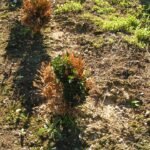 DiseasePhytophthora root and crown rotPhytophthora nicotianae
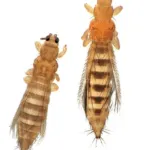 PestOnion thripsThrips tabaci Lindeman
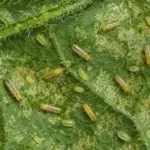 PestMelon thripsThrips palmi Karny
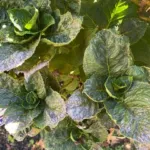 PestChilli thripsScirtothrips dorsalis Hood
Toxicity and pollen
Reliable species-specific human and companion-animal toxicity information was not located. Lavender oils and foliage from related lavender species can cause gastrointestinal upset or irritation when ingested in quantity, so do not intentionally feed the plant, concentrated oil, or large amounts of foliage to people or pets. Seek veterinary or medical advice after significant ingestion.
- Typical season
- Usually spring through summer in the United States
- Pollination / pollen
- Insect-borne pollen
This is an insect-pollinated flowering plant, so pollen is primarily transferred by visiting insects rather than released as a large airborne cloud. That does not prove zero allergy risk; people with known plant-pollen sensitivity should avoid close contact during heavy bloom and monitor personal symptoms.
Native habitat
Native across Mediterranean regions, where it occurs in warm, seasonally dry settings including open scrub, heath-like vegetation, rocky ground, and acidic or nutrient-poor soils. It is adapted to hot summers, winter rainfall, intense sunlight, and rapid drainage rather than persistently damp ground.
Interesting fact
The showy ‘petals’ at the top of each spike are enlarged sterile bracts, not individual petals. The species is a Mediterranean subshrub adapted to dry summers and mineral soils. Its square stems and aromatic foliage reflect its membership in the mint family. Flower visitors can respond differently to nectar-rich and pollen-rich flowers within an inflorescence.
Frequently asked questions (FAQ)
The most relevant questions about this plant, with short and direct answers.
🌱Quick care
What is stickadove?⌄
Stickadove is the documented common name for Lavandula stoechas, an aromatic evergreen lavender in the mint family, Lamiaceae. It is also widely sold in the United States under other lavender names.
How much sun does stickadove need?⌄
Stickadove needs full sun, ideally at least 6 hours of direct light daily. Insufficient light can reduce flowering and make the plant leggy.
How often should I water Lavandula stoechas?⌄
Water Lavandula stoechas sparingly once established, allowing the soil to dry between waterings. Give new plants more regular water until rooted, but avoid constantly moist soil.
Is stickadove drought tolerant?⌄
Yes, established stickadove is drought tolerant and suited to low-water gardens. It still needs occasional deep watering during prolonged heat or drought.
What soil is best for Lavandula stoechas?⌄
Lavandula stoechas grows best in sandy or gritty, sharply drained soil. Heavy, wet soil greatly increases the risk of root rot.
🌤️Environment and placement
Can stickadove grow in a container?⌄
Yes, stickadove grows well in containers with drainage holes and a gritty, fast-draining potting mix. Containers also make it easier to protect the plant from cold, wet winters.
What USDA hardiness zones can grow Lavandula stoechas outdoors?⌄
Lavandula stoechas is commonly grown outdoors in USDA Zones 8–9, although cultivar hardiness varies. In colder zones, grow it as a container plant or provide substantial winter protection.
Can stickadove survive winter?⌄
Stickadove can survive mild winters but is less cold-hardy than English lavender. Protect it from hard freezes and winter wet, especially in regions colder than its listed hardiness range.
Is stickadove suitable for humid climates?⌄
Stickadove can be difficult in humid climates because poor air circulation and wet soil encourage fungal problems and root rot. Use raised or container planting, excellent drainage, and generous spacing.
Is Lavandula stoechas deer resistant?⌄
Lavandula stoechas is generally considered deer and rabbit resistant because of its strongly aromatic foliage. Resistance is not absolute, particularly when animals are hungry.
Does stickadove attract bees and butterflies?⌄
Yes, stickadove flowers attract bees, butterflies, and other pollinating insects. Its showy flower heads also provide ornamental interest in pollinator and Mediterranean-style gardens.
💧Care and problems
Why is my stickadove turning brown?⌄
Brown foliage is often caused by overwatering, poor drainage, root rot, winter injury, or severe drought. Check the roots and soil moisture before watering again, and remove dead growth.
Why is my Lavandula stoechas not flowering?⌄
Lavandula stoechas may fail to flower because of insufficient sun, excessive fertilizer, overwatering, or overly rich soil. Move it to brighter light and avoid high-nitrogen feeding.
How do I prevent root rot in stickadove?⌄
Prevent root rot by planting stickadove in sharply drained soil, using a pot with drainage holes, and allowing the soil to dry between waterings. Do not place it where water collects after rain.
What pests affect Lavandula stoechas?⌄
Stickadove is usually pest resistant, but aphids, spider mites, whiteflies, thrips, rosemary beetles, and froghoppers may occasionally occur. Good air circulation and avoiding plant stress help limit problems.
Should I fertilize stickadove?⌄
Usually, stickadove needs little fertilizer when grown in reasonably fertile, well-drained soil. Excess nitrogen can produce leafy growth at the expense of flowers and may weaken the plant.
🪴Planting and repotting
When is the best time to plant Lavandula stoechas?⌄
Plant Lavandula stoechas in spring after the danger of severe frost has passed, or in early fall where winters are mild. Spring planting gives roots more time to establish before cold weather.
How far apart should I plant stickadove?⌄
Space stickadove according to the cultivar’s mature size, usually about 12 inches to 3 feet apart. Leave enough room for airflow around the foliage, especially in humid areas.
Can stickadove grow in clay soil?⌄
Stickadove generally performs poorly in clay soil unless drainage is substantially improved. A raised bed, slope, or container is safer than amending a persistently waterlogged planting site.
How should I repot Lavandula stoechas?⌄
Repot Lavandula stoechas into a slightly larger container using a gritty, fast-draining mix and handling the root ball gently. Water once after repotting, then let the mix dry somewhat before watering again.
✂️Propagation and pruning
How do you propagate stickadove from cuttings?⌄
Propagate stickadove from softwood or semi-ripe cuttings taken from healthy, nonflowering growth. Root the cuttings in a sterile, free-draining medium kept lightly moist, not wet.
Can you grow Lavandula stoechas from seed?⌄
Yes, Lavandula stoechas can be grown from seed, but seedlings may vary from the parent plant, especially when collected from cultivars. Sow in spring in a well-drained seed-starting mix.
When should I prune stickadove?⌄
Prune stickadove lightly in late summer after flowering, removing spent flower stems and a small amount of leafy growth. Avoid cutting into old, leafless wood because lavender often cannot regenerate from it.
Can I cut stickadove back to the ground?⌄
No, do not cut stickadove back to the ground or deep into old woody stems. Severe pruning can kill the plant; replace very old, badly woody specimens instead.
Should I deadhead Lavandula stoechas?⌄
Yes, deadhead Lavandula stoechas after flowering to improve its appearance and help maintain a compact shape. Leaving some seedheads is also reasonable if you want to provide late-season structure or wildlife interest.
⚠️Toxicity and safety
Is stickadove toxic to dogs or cats?⌄
The species-specific toxicity risk of stickadove is not well established in the supplied evidence. Keep pets from chewing the plant or concentrated lavender products, and contact a veterinarian or poison service if ingestion causes symptoms.
Is Lavandula stoechas safe to eat?⌄
Lavandula stoechas should not be treated as an edible herb without reliable identification and food-use guidance. Essential oils and concentrated preparations are especially unsuitable for casual ingestion.
Can stickadove cause skin irritation?⌄
Yes, lavender foliage, flowers, or oils may irritate sensitive skin or cause allergic reactions in some people. Wear gloves when handling it if you have a history of plant or fragrance sensitivity.
🌸Flowering and special interest
When does stickadove bloom?⌄
Stickadove usually blooms from late spring into summer, with timing influenced by cultivar, climate, pruning, and growing conditions. In favorable climates it may produce additional flowers after deadheading.
What do stickadove flowers look like?⌄
Stickadove produces dense, dark flower spikes topped by showy bracts that resemble small flags or rabbit ears. The bracts may be purple, pink, or white depending on the cultivar.
Why are the bracts on my stickadove green instead of purple?⌄
Young bracts may appear green before developing their mature color, and fading flowers can also lose color. Cultivar differences, insufficient sunlight, and plant stress may reduce the intensity of the bracts.
Can stickadove be used as a cut flower?⌄
Yes, stickadove flowers can be used fresh or dried for arrangements. Harvest stems when the flower spikes are developed but before the blooms are fully faded.
Does stickadove have fragrant foliage?⌄
Yes, stickadove has aromatic gray-green foliage and fragrant flower spikes. The fragrance is strongest in warm conditions when the foliage is brushed or crushed.
Similar plants
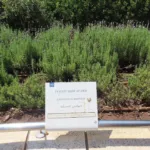 Lavandula dentata care guideLavandula dentata
 Hidcote Blue (Lavandula angustifolia ‘Hidcote Blue’)Lavandula angustifolia 'Hidcote Blue'
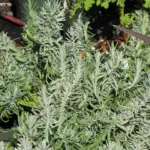 Lavende (Lavandula angustifolia) care guideLavandula angustifolia
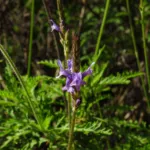 Canary Island Lavender (Lavandula canariensis) care guideLavandula canariensis
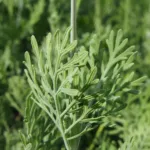 Fernleaf lavender and jagged lavender) is a species of flowering plant in the mint family (Lavandula pinnata) care guideLavandula pinnata
 Spanish lavender (Lavandula pedunculata) care guideLavandula pedunculata