
 Source:
 Hidcote Blue (Lavandula angustifolia ‘Hidcote Blue’) short overview
Lavandula angustifolia 'Hidcote Blue' is a compact English lavender valued for its silvery foliage, aromatic oils, and dense deep violet-blue flower spikes. Give it full sun, excellent drainage, lean soil, and modest watering rather than rich, wet conditions. In the United States it is commonly grown as a long-lived perennial in beds, rock gardens, containers, herb plantings, and pollinator-friendly landscapes, with winter performance varying by climate and drainage.
Taxonomic classification
Hidcote Blue (Lavandula angustifolia ‘Hidcote Blue’) care guide
Light and placement
Provide at least 6 hours of direct sun, preferably with open southern or western exposure and good air movement. A sunny raised bed, gravel border, or unshaded container is ideal. Stretching, sparse flowering, and greener weak growth indicate insufficient light; soft, scorched growth in a hot reflective site can signal excessive heat stress rather than a need for shade.
Watering and humidity
Water deeply when newly planted, then let the soil dry substantially before watering again. Established plants usually need irrigation only during prolonged drought, while container plants require more frequent checks. Reduce watering in cool weather and winter. Avoid wet crowns, saucers of standing water, and frequent shallow irrigation.
Soil and growing medium
Use gritty, sharply drained soil with low to moderate fertility. Sandy, gravelly, or loamy soil is preferable to heavy clay. A slightly acidic to slightly alkaline reaction is tolerated, but saturated winter soil is the main threat. In containers, use a mineral-rich mix amended with coarse grit or pumice rather than moisture-retentive potting soil.
Feeding
Lavender performs best without rich feeding. Add only a small amount of finished compost at planting if the soil is poor, and avoid high-nitrogen fertilizer, which encourages soft growth and can reduce aromatic quality. Container plants may receive a weak, balanced fertilizer in spring, but do not feed drought-stressed or dormant plants.
Growth and habit
Forms a compact, woody-based mound with upright flowering stems and gradually becomes more woody at the center. Regular light pruning after flowering helps preserve a dense outline, but cutting deeply into old bare wood can prevent regrowth. Good airflow is especially important where summers are humid.
Planting and repotting
Plant in spring after hard freezes or in early fall where roots can establish before winter. Set the crown at soil level and do not bury the woody base. Space plants about 18–24 inches apart for airflow and room to mature. Water deeply during establishment, then allow the soil to dry between waterings.
Repot container plants in spring when roots fill the pot, moving up only one container size. Refresh much of the mix and preserve the crown at its original level. Choose a pot with generous drainage holes; oversized containers stay wet too long.
Propagation and pruning
Propagation
Softwood or semi-ripe cuttings are the most reliable way to preserve cultivar traits. Take healthy nonflowering shoots in late spring or summer, remove lower leaves, and root in a sterile, freely draining medium. Seed can be used for lavender but will not reliably reproduce the named cultivar.
Pruning
After the main flowering period, trim back the green leafy portion to maintain a rounded shape, leaving foliage below the cuts. Avoid severe late-season cuts and never routinely cut into old, leafless wood. Remove spent flower stems as needed for tidiness or drying.
Overwintering
In Zones 5–6, plant in very well-drained soil and avoid heavy fall pruning. A light winter mulch around, but not over, the crown can reduce freeze-thaw stress. Containers are more vulnerable than in-ground plants; move them against a protected wall or into an unheated, bright, cold shelter, keeping the mix barely moist.
Uses
Use for low hedges, edging, gravel gardens, rock gardens, herb borders, containers, dried arrangements, fragrance, and pollinator plantings. Flowers are used as a culinary herb when correctly identified and grown without unsuitable chemicals. Do not treat lavender oil or plant material as a substitute for medical care, and keep concentrated oils away from pets.
Appearance
The plant has narrow, linear, silvery gray-green leaves on square, aromatic stems. Dense upright spikes are held above a compact rounded mound, and the dark violet-blue flowers provide a stronger visual contrast than many pale lavender cultivars. Older stems become woody, so the plant is best maintained as a compact subshrub rather than cut back to bare wood.
Flowering
Dense terminal spikes rise above the foliage on upright, square stems. The cultivar is noted for dark violet-blue to deep violet flowers and a compact, uniform habit. In much of the United States, the main flush occurs from late spring into summer, with flowering timing shifting earlier in warmer regions and later in cooler climates.
Pollination and visitors
The nectar-rich flowers are documented as attractive to bees and butterflies, with bumblebees also characteristic visitors to lavender flowers. Activity is strongest during warm, sunny flowering periods. Avoid broad-spectrum insecticides while plants are in bloom.
Lavandula angustifolia 'Hidcote Blue' photos
Click any photo for a larger view. Source, author and license are shown separately.
Diseases and pests
Diseases
Root and crown rots are the principal concerns, especially in heavy or wet soil. Improve drainage, avoid overhead irrigation, provide airflow, and remove declining growth. Gray mold may affect crowded or persistently damp plants. Do not overwater as a response to wilt when the root zone is poorly drained.
Pests
Monitor for spittlebugs, aphids, whiteflies, spider mites, and occasional leafhoppers. Use strong water sprays for minor infestations, improve airflow, and avoid excess nitrogen. Treat only when pests are persistent and causing measurable damage.
Related diseases and pests
Only Plant Doctor profiles whose host data indicate this plant may be affected are shown here.
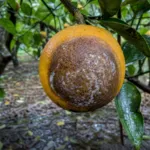 DiseaseCitrus brown rot caused by Phytophthora citrophthoraPhytophthora citrophthora
 DiseaseStolbur Phytoplasma Disease‘Candidatus Phytoplasma solani’
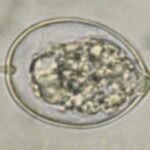 DiseasePhytophthora cactorum crown, collar, root and fruit rotPhytophthora cactorum
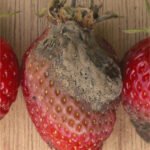 DiseaseGray MoldBotrytis cinerea
 Environmental stressOverwatering
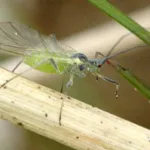 PestGreen Peach AphidMyzus persicae
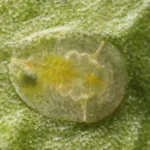 PestCitrus whiteflyDialeurodes citri
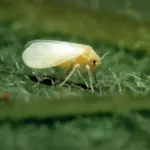 PestSweetpotato whiteflyBemisia tabaci species complex
Toxicity and pollen
ASPCA lists lavender as toxic to dogs and cats if ingested, with linalool and linalyl acetate identified as toxic principles and gastrointestinal signs such as nausea or vomiting reported. Keep concentrated oils and large quantities of plant material away from pets. Normal garden contact is not the same as ingestion exposure.
- Typical season
- Late spring through summer
- Pollination / pollen
- Insect-borne pollen with limited airborne dispersal
Lavender pollen is generally released from insect-visited flowers rather than dispersed in large airborne clouds. Its airborne allergy relevance is usually considered low, but sensitive individuals can still react to flower contact or nearby exposure. Fragrance and essential oils may also irritate some people independently of pollen.
Native habitat
The species is associated with sunny, dry, rocky or calcareous habitats of mountainous southern Europe. It prefers mineral soils, low summer moisture, strong light, and excellent drainage. Garden plants tolerate a wider soil reaction than many wild populations but remain poorly suited to waterlogged ground.
Interesting fact
‘Hidcote’ was associated with Hidcote Manor Garden and became one of the best-known dark-flowered English lavenders. The cultivar is valued for compact form, strong fragrance, dried flower color, and use in perfume and culinary contexts. English lavender generally flowers earlier than lavandin hybrids.
Frequently asked questions (FAQ)
The most relevant questions about this plant, with short and direct answers.
🌱Quick care
How much sun does Lavandula angustifolia 'Hidcote Blue' need?⌄
Lavandula angustifolia 'Hidcote Blue' needs full sun, ideally at least 6 hours of direct sunlight daily. More sun usually supports denser growth, stronger fragrance, and better flowering.
How often should I water Lavandula angustifolia 'Hidcote Blue'?⌄
Water it regularly while newly planted, then reduce watering once established. Allow the soil to dry between waterings because consistently wet roots can cause decline or root rot.
What soil is best for Lavandula angustifolia 'Hidcote Blue'?⌄
Use sandy, gritty, sharply drained soil with low to moderate fertility. Heavy clay or areas that stay wet should be amended substantially or avoided.
What USDA hardiness zones can grow 'Hidcote Blue' lavender?⌄
‘Hidcote Blue’ is generally listed as hardy to about USDA Zone 5, although winter survival depends on drainage, exposure, snow cover, and local humidity. Wet winter soil is often more damaging than cold alone.
🌤️Environment and placement
Can 'Hidcote Blue' lavender grow in partial shade?⌄
It can survive in light partial shade, but full sun is strongly preferred. Too little sunlight commonly produces weaker, more open growth and fewer flowers.
Is 'Hidcote Blue' lavender suitable for hot, dry gardens?⌄
Yes, once established, it is well suited to hot, dry conditions when planted in sharply drained soil. In humid regions, excellent air circulation and protection from wet soil are especially important.
Can I grow 'Hidcote Blue' lavender in a humid climate?⌄
You can, but success is less reliable in hot, humid regions because prolonged moisture encourages root and crown problems. Choose the sunniest, driest site available and avoid organic-rich, water-retentive soil.
How much space does 'Hidcote Blue' lavender need?⌄
Allow roughly 12 to 18 inches of space around each plant, depending on the desired density and local growing conditions. Good spacing improves airflow and helps the foliage dry after rain.
Can 'Hidcote Blue' lavender grow in a container?⌄
Yes, it grows well in a container with a drainage hole and a gritty, fast-draining potting mix. Choose a container only slightly larger than the root ball and water sparingly during winter.
Is 'Hidcote Blue' lavender deer resistant?⌄
It is generally considered resistant to deer and rabbits because of its aromatic foliage. Resistance is not absolute, especially when browsing pressure is high.
💧Care and problems
Why is my 'Hidcote Blue' lavender turning brown?⌄
Brown foliage most often indicates winter injury, root problems from wet soil, drought stress, or advanced woody growth. Check the roots and stems before watering more, since adding water to poorly drained soil can worsen the problem.
Why is my 'Hidcote Blue' lavender dying after winter?⌄
Winter loss is commonly caused by wet, frozen soil, poor drainage, or severe exposure rather than cold temperatures alone. Wait until spring growth begins before removing apparently dead stems, because some plants resprout from the base.
Does 'Hidcote Blue' lavender need fertilizer?⌄
Usually it needs little fertilizer and often performs best in lean soil. Excess nitrogen can produce soft, leafy growth and fewer flowers, so use only a light application if growth is genuinely weak.
How do I prevent root rot in 'Hidcote Blue' lavender?⌄
Prevent root rot by planting in sharply drained soil, keeping the crown slightly above the surrounding soil, and avoiding frequent irrigation. Raised beds, slopes, or containers can improve drainage in wet locations.
What pests affect 'Hidcote Blue' lavender?⌄
Lavender usually has few serious pest problems, but aphids, spittlebugs, leafhoppers, and mites may occasionally appear. Strong sunlight, good airflow, and avoiding excessive fertilizer usually reduce pest pressure.
🪴Planting and repotting
When should I plant 'Hidcote Blue' lavender in the United States?⌄
Plant it in spring after the danger of hard frost has passed or in early fall, allowing enough time for roots to establish before winter. In colder or wet regions, spring planting is often the safer choice.
How do I plant 'Hidcote Blue' lavender in the ground?⌄
Set the plant at the same depth it was growing in its container, or slightly high in heavy soil, and backfill with gritty, well-drained soil. Water thoroughly once after planting, then let the surface dry before watering again.
Can 'Hidcote Blue' lavender grow in clay soil?⌄
It can grow in clay only if drainage is substantially improved. Planting on a raised mound or in a raised bed with coarse mineral material is usually more effective than simply adding compost.
How should I overwinter 'Hidcote Blue' lavender in a pot?⌄
Move the pot to a bright, sheltered location protected from prolonged rain and repeated freeze-thaw cycles. Keep the mix barely moist rather than wet, and ensure the container remains fully drained.
✂️Propagation and pruning
How do I propagate 'Hidcote Blue' lavender from cuttings?⌄
Take nonflowering semi-ripe cuttings in summer, remove the lower leaves, and place them in a sterile, sharply drained rooting medium. Keep them lightly moist in bright indirect light until roots form, then gradually acclimate the new plants.
Can I grow 'Hidcote Blue' lavender from seed?⌄
You can grow it from seed, but seedlings may not reproduce the parent plant exactly and may vary in habit or flower color. Cuttings are preferred when maintaining the cultivar’s specific characteristics is important.
How do I prune 'Hidcote Blue' lavender?⌄
Prune lightly after flowering to remove spent stems and maintain a compact shape, then make a modest spring trim after new growth appears. Never cut deeply into old, leafless wood because lavender may not regenerate from it.
Can I cut 'Hidcote Blue' lavender back to the ground?⌄
No, avoid cutting established lavender to the ground or into completely bare woody stems. Remove only leafy growth and a small amount of soft wood to preserve buds capable of regrowth.
⚠️Toxicity and safety
Is 'Hidcote Blue' lavender toxic to dogs and cats?⌄
Yes, lavender is considered toxic to dogs and cats if ingested, and it may cause gastrointestinal signs such as nausea or vomiting. Keep the plant and concentrated lavender products away from pets and contact a veterinarian if ingestion occurs.
Can I use 'Hidcote Blue' lavender in cooking?⌄
Do not assume a plant labeled ‘Hidcote Blue’ is suitable for cooking unless it was correctly identified and grown without ornamental pesticides. Culinary use is best limited to properly labeled, food-safe plants and flowers.
Can I dry 'Hidcote Blue' lavender flowers?⌄
Yes, the flower spikes can be dried for sachets, crafts, and fragrance. Harvest when the flowers are partly open, bundle the stems loosely, and dry them in a warm, dark, well-ventilated place.
🌸Flowering and special interest
When does 'Hidcote Blue' lavender bloom?⌄
‘Hidcote Blue’ typically blooms in summer, often beginning in early or midsummer depending on climate. The exact timing varies with winter conditions, sunlight, and local heat.
Why is my 'Hidcote Blue' lavender not flowering?⌄
The most common causes are insufficient sunlight, excessive nitrogen, overwatering, poor drainage, or pruning at the wrong time. Move container plants into full sun and avoid heavy feeding or consistently moist soil.
How can I make 'Hidcote Blue' lavender bloom more?⌄
Give it full sun, lean sharply drained soil, restrained watering, and light annual pruning. Removing faded flower stems can improve its appearance and may encourage additional flowering under favorable conditions.
Can I use 'Hidcote Blue' lavender as a low hedge?⌄
Yes, its compact upright habit makes it suitable for low edging or informal hedges. Space plants closely enough to create continuity while still allowing air to circulate between mature plants.
Is 'Hidcote Blue' lavender good for bees and butterflies?⌄
Yes, its fragrant summer flowers provide nectar and are attractive to bees and butterflies. Full sun and avoiding broad-spectrum insecticides help preserve its value for pollinators.
Similar plants
 Savin juniper (Juniperus sabina) care guideJuniperus sabina
 He blue flag (Iris versicolor) care guideIris versicolor
 Chrysojasminum care guideChrysojasminum
 Pfitzer’s juniper (Juniperus pfitzeriana) care guideJuniperus pfitzeriana
 Jasminum polyanthum care guideJasminum polyanthum
 Jasminum nudiflorum care guideJasminum nudiflorum