
 Source:
 Chrysojasminum short overview
Chrysojasminum is an accepted genus of yellow-flowered woody plants in the olive family, Oleaceae. Its species occur naturally from Macaronesia and the Mediterranean through parts of Asia and tropical East and southern Africa. The genus includes plants formerly treated within Jasminum, but its members are distinguished by their taxonomic placement and generally yellow flowers. Garden performance, hardiness, fragrance, and mature size vary by species, so species-level identification is important before planting.
Taxonomic classification
Chrysojasminum care guide
Light and placement
Provide full sun to partial shade, with morning or all-day light preferred in cooler climates. A sheltered south- or west-facing position can improve flowering and winter performance, while afternoon shade may help in hot inland areas. Sparse growth and weak flowering suggest insufficient light; scorched foliage or rapid wilt can indicate excessive heat, reflected light, or inadequate root moisture.
Watering and humidity
Water deeply when the upper soil begins to dry, then allow excess water to drain fully. Keep newly planted specimens evenly moist during establishment; reduce irrigation in cool weather and during dormancy. Container plants dry faster than landscape plants. Avoid both prolonged drought and constantly saturated soil, especially in winter.
Soil and growing medium
Use a fertile but sharply drained soil or container mix. A loamy structure with added organic matter is suitable for many cultivated species, while persistent winter wetness can damage roots. Genus-level pH preferences are not consistently documented; a slightly acidic to neutral substrate is a reasonable general target, but species-specific evidence should take precedence.
Feeding
Apply a balanced, slow-release fertilizer in spring only if growth is weak or the soil is poor. Container plants may receive a dilute fertilizer during active growth, following the product label. Stop feeding in late summer in regions with cool winters, and do not fertilize drought-stressed, newly transplanted, or dormant plants.
Growth and habit
Members of Chrysojasminum are woody perennials with growth habits ranging from shrubs to small trees. Many cultivated representatives are upright, mounding, or multi-stemmed rather than twining climbers. Pruning needs, winter dieback, and mature architecture vary substantially by species.
Planting and repotting
Plant after the risk of hard frost has passed, or in fall where winters are mild and drainage is excellent. Set the plant at the same depth as in its nursery container and water thoroughly during establishment. Space according to the identified species because mature dimensions differ widely across the genus.
For container-grown plants, repot in spring when roots have filled the pot. Move up only one container size, preserve the root ball, and use a free-draining mix. Repotting frequency is species- and growth-rate dependent; avoid large pots that remain wet for long periods.
Propagation and pruning
Propagation
Propagation may be possible from seed or semi-ripe cuttings, but timing and success vary by species. Take cuttings during active growth, use a sterile, well-drained rooting medium, and maintain even moisture without waterlogging. Seed may require species-specific handling and is not uniformly documented for the genus.
Pruning
Prune after flowering or during the recommended dormant period for the identified species. Remove dead, damaged, crossing, or weak stems first, then lightly shape dense growth. Avoid severe routine shearing until the plant’s flowering wood and recovery response are known.
Overwintering
Confirm the identified species’ hardiness before leaving it outdoors. In marginal zones, mulch the root area, protect stems from drying winds, and use a sheltered wall or container that can be moved. Less-hardy plants may need cool, bright indoor overwintering with reduced watering.
Uses
Used primarily as an ornamental flowering shrub or container plant where the selected species is hardy. Some species may be suitable for informal borders, sheltered courtyards, or pollinator-oriented plantings, but mature size and winter tolerance must be checked at species level. No medicinal or culinary use is asserted for the genus.
Appearance
Chrysojasminum species are woody plants with green foliage and generally yellow, jasmine-like flowers. The genus includes upright, mounding, multi-stemmed shrubs and small trees. Leaf arrangement, persistence, texture, branching, and flower structure vary among species, so these features should be checked against a specimen-level identification.
Flowering
Chrysojasminum is an angiosperm genus with typically yellow flowers. Flowering season, duration, fragrance, and flower arrangement vary among the approximately ten accepted species; a reliable genus-wide flowering month range is not established.
Pollination and visitors
Yellow flowers may be visited by insects, but reliable genus-wide pollinator records were not located. Visitor identity and pollinator value should be evaluated for the particular species and local planting conditions rather than inferred from the genus name.
Chrysojasminum photos
Click any photo for a larger view. Source, author and license are shown separately.
Diseases and pests
Diseases
Avoid saturated soil and improve air circulation to reduce root problems and foliar disease. Inspect for leaf spotting, dieback, or cankers and remove affected material with clean tools. Confirm the species before applying a treatment because disease susceptibility and approved controls vary by region.
Pests
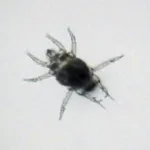
Check new growth for aphids, scale, and spider mites, especially on stressed or container-grown plants. Use strong water sprays where appropriate, encourage natural enemies, and remove heavily infested material. Avoid broad-spectrum insecticides during bloom to reduce harm to flower visitors.
Related diseases and pests
Only Plant Doctor profiles whose host data indicate this plant may be affected are shown here.


Toxicity and pollen
No dependable genus-wide human or pet toxicity assessment was located for Chrysojasminum as a whole. Do not assume safety from the absence of reports. Prevent ingestion of unidentified plant material and seek species-specific veterinary or medical advice after exposure.
- Typical season
- Species-dependent; no reliable genus-wide U.S. exposure period established
- Pollination / pollen
- Species-dependent floral pollen
Airborne pollen and allergy relevance are not sufficiently documented for the genus as a whole. Flowering plants can still release pollen even when flowers are insect-pollinated, although dispersal and exposure may differ among species. People with significant pollen sensitivity should avoid making assumptions from the common garden label alone.
Native habitat
The genus occupies a broad geographic range from Macaronesia and the Mediterranean to central China and Sri Lanka, extending into Ethiopia and Zambia. Natural habitats include seasonally dry or Mediterranean-type regions as well as warmer Asian and African environments. Soil and climate conditions therefore differ markedly among species.
Interesting fact
Chrysojasminum was established as a separate genus in 2014.
The genus was segregated from Jasminum section Alternifolia.
Kew lists ten accepted species in the genus.
Its native range spans Europe, Africa, and Asia.
Frequently asked questions (FAQ)
The most relevant questions about this plant, with short and direct answers.
🌱Quick care
What is Chrysojasminum humile?⌄
Chrysojasminum humile is a woody flowering shrub or scrambling plant in the olive family, Oleaceae. It was formerly widely classified as Jasminum humile and is commonly listed in the United States as Italian yellow jasmine.
Is Chrysojasminum humile the same plant as Jasminum humile?⌄
Yes, Chrysojasminum humile is the accepted name for the plant formerly known as Jasminum humile. Nursery listings and older gardening references may still use the former name.
How much sun does Chrysojasminum humile need?⌄
Chrysojasminum humile grows best in full sun but tolerates partial shade. More direct light usually supports denser growth and better flowering.
How often should I water Chrysojasminum humile?⌄
Water Chrysojasminum humile when the soil surface begins to dry, keeping moisture moderate rather than constantly wet. Established plants can tolerate short dry periods, especially in well-drained soil.
What soil is best for Chrysojasminum humile?⌄
Use fertile, well-drained loam for Chrysojasminum humile. Avoid sites that stay waterlogged because poor drainage can damage the roots.
🌤️Environment and placement
What USDA hardiness zones can grow Chrysojasminum humile outdoors?⌄
Chrysojasminum humile is generally suited to USDA Zones 7 through 10. In colder parts of Zone 7, protect it from severe winter temperatures and drying winds.
Can Chrysojasminum humile grow in partial shade?⌄
Yes, Chrysojasminum humile can grow in partial shade, although flowering may be reduced compared with a plant receiving full sun. Bright morning or afternoon light is preferable to deep shade.
Can Chrysojasminum humile tolerate heat and drought?⌄
Established Chrysojasminum humile can tolerate heat and brief drought, but it performs better with regular moisture during prolonged hot, dry weather. Mulch can help moderate soil moisture and temperature.
Is Chrysojasminum humile evergreen?⌄
Chrysojasminum humile is evergreen to semi-evergreen, depending on climate and winter conditions. It may lose some leaves after cold weather or during environmental stress.
How large does Chrysojasminum humile get?⌄
Chrysojasminum humile can become a large sprawling shrub or scrambling plant, commonly reaching several feet in width and height, with exceptional plants growing much larger. Provide room for its flexible habit or train it against support.
💧Care and problems
Does Chrysojasminum humile need a trellis?⌄
A trellis is optional because Chrysojasminum humile can grow as a shrub, sprawler, or scrambling climber. Support helps guide long stems along a fence, wall, or other structure.
What pests affect Chrysojasminum humile?⌄
Chrysojasminum humile is generally low-maintenance, but aphids, scale insects, and mealybugs may occasionally occur. Inspect new growth and treat infestations early with an appropriate labeled control.
Why are the leaves of my Chrysojasminum humile turning yellow?⌄
Yellow leaves on Chrysojasminum humile commonly indicate overwatering, poor drainage, root stress, or normal aging of older foliage. Check soil moisture and improve drainage before watering again.
Why is my Chrysojasminum humile losing leaves?⌄
Chrysojasminum humile may lose leaves after cold exposure, drought, transplanting, or other stress, and it can be semi-evergreen in cooler climates. Persistent loss with weak growth may indicate root or watering problems.
🪴Planting and repotting
When should I plant Chrysojasminum humile outdoors?⌄
Plant Chrysojasminum humile in spring after the danger of hard frost has passed, or in fall where winters are mild. Establishing it before extreme summer or winter weather reduces stress.
Can Chrysojasminum humile be grown in a container?⌄
Yes, Chrysojasminum humile can be grown in a large container with drainage holes and a well-drained potting mix. Container plants need more frequent watering and winter protection than plants in the ground.
How do I repot Chrysojasminum humile?⌄
Repot Chrysojasminum humile when roots fill the container or growth slows, moving it into a pot only modestly larger than the current one. Use fresh, well-drained mix and water thoroughly after repotting.
✂️Propagation and pruning
How can I propagate Chrysojasminum humile?⌄
Chrysojasminum humile is commonly propagated from stem cuttings, although success can vary with timing and technique. Take healthy nonflowering shoots, use a sterile well-drained rooting medium, and maintain consistent moisture.
Can Chrysojasminum humile be grown from seed?⌄
Chrysojasminum humile can produce glossy black berries and seeds, but seed propagation is less predictable than taking cuttings. Germination may be slow or uneven, and seedlings may not exactly match a selected cultivar.
When should I prune Chrysojasminum humile?⌄
Prune Chrysojasminum humile after flowering to control size, remove weak or damaged wood, and encourage a fuller shape. Avoid heavy pruning immediately before the main flowering period unless reshaping is necessary.
How do I keep Chrysojasminum humile bushy?⌄
Keep Chrysojasminum humile bushy by lightly shortening long shoots after flowering and removing weak, crossing, or crowded stems. Regular light pruning is preferable to repeated severe cutting.
⚠️Toxicity and safety
Is Chrysojasminum humile poisonous to dogs or cats?⌄
The toxicity of Chrysojasminum humile is not sufficiently established at the genus level to confirm it as safe for pets. Keep pets and children from chewing the plant, and contact a veterinarian or poison-control service if ingestion occurs.
Are the berries of Chrysojasminum humile edible?⌄
Do not eat the berries of Chrysojasminum humile because their safety as food is not established for household use. Remove fallen fruit where children or pets may investigate it.
🌸Flowering and special interest
When does Chrysojasminum humile bloom?⌄
Chrysojasminum humile generally blooms in summer, with timing varying by climate and cultivar. Plants receiving adequate light usually flower more reliably than those grown in deep shade.
What do Chrysojasminum humile flowers look like?⌄
The flowers of Chrysojasminum humile are small, yellow to golden, and trumpet-shaped, appearing in clusters. They may be slightly fragrant or nearly scentless depending on the plant and growing conditions.
Why is my Chrysojasminum humile not flowering?⌄
Insufficient light is a common reason Chrysojasminum humile fails to flower, while excessive nitrogen, severe pruning, drought, or immature growth can also contribute. Move it toward brighter light and avoid heavy feeding with high-nitrogen fertilizer.
Does Chrysojasminum humile attract pollinators?⌄
Chrysojasminum humile flowers can attract butterflies and moths, making it useful in pollinator-friendly plantings. The value will vary with local insect populations and surrounding garden conditions.
Does Chrysojasminum humile produce berries?⌄
Yes, Chrysojasminum humile may produce small glossy black berries after flowering, often appearing in fall. Fruit production can vary with pollination, climate, and the individual plant.
Similar plants
 He blue flag (Iris versicolor) care guideIris versicolor
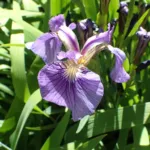 Beach-head Iris (Iris setosa) care guideIris setosa
 Blackberry Lily (Iris domestica) care guideIris domestica
 Iris ‘Romantic Evening’Iris 'Romantic Evening'
 Netted Iris (Iris reticulata) care guideIris reticulata
 Iris florentina care guideIris florentina