
 Source:
Green lavender or white lavende (Lavandula viridis) short overview
Green lavender or white lavende (Lavandula viridis) is an aromatic evergreen subshrub from southern Portugal and southwestern Spain. Unlike the familiar purple-flowered lavenders, it combines green foliage with pale yellow to cream flowers and yellow-green bracts. In U.S. gardens it performs best in full sun, lean sharply drained soil, and containers or protected beds where winter wet and severe cold can be managed. It is especially useful as a fragrant accent and pollinator plant.
Taxonomic classification
Green lavender or white lavende (Lavandula viridis) care guide
Light and placement
Give full sun, ideally at least 6–8 hours of direct light, with an open south- or west-facing exposure. A warm wall, raised bed, or gravel garden suits it well. Too little light produces lanky growth and fewer flowers; excessive heat is usually less damaging than shade, provided roots are not allowed to become bone-dry for prolonged periods.
Watering and humidity
Water deeply but infrequently, allowing the upper several inches of soil to dry before watering again. During the first growing season, water when the root zone is drying; afterward, rely mainly on rainfall except during prolonged drought. Reduce watering sharply in fall and winter, especially for containers. Avoid overhead irrigation and constantly damp soil.
Soil and growing medium
Use a gritty, sharply drained substrate based on sandy loam, mineral soil, or a commercial cactus-style mix. Slightly acidic to slightly alkaline conditions are acceptable, and calcareous soils are tolerated. Avoid heavy clay, waterlogged ground, and rich moisture-retentive compost. Raised beds, gravel mulch, and containers with large drainage holes are helpful in humid or rainy regions.
Feeding
Lavandula viridis generally needs little fertilizer. In spring, top-dress lightly with a low-nitrogen compost or apply a balanced slow-release fertilizer at half the label rate if growth is weak. Avoid repeated high-nitrogen feeding, which can produce soft leafy growth and fewer flowers. Do not fertilize drought-stressed, newly transplanted, or dormant plants.
Growth and habit
This evergreen subshrub forms a branching, woody base with many aromatic young stems. It becomes more open and woody with age, especially in low light or rich soil. Maintain a compact, productive plant by trimming lightly after flowering while preserving some leafy growth; old bare wood may not resprout reliably.
Planting and repotting
Plant in spring after the soil has begun to warm, or in early fall where winters are mild and drainage is excellent. Set the crown level with the surrounding soil; do not bury woody stems. Allow the root zone to dry between waterings while new roots establish. Space plants according to their mature spread and provide open air circulation.
Repot container plants in spring when roots fill the pot, moving up only one container size. Refresh part of the mix rather than placing the plant in a much larger volume of wet soil. Handle the root ball gently and keep the crown at its original level.
Propagation and pruning
Propagation
Propagate from seed or semi-ripe cuttings. Sow seed in a freely draining medium in spring and expect variable offspring. Take non-flowering semi-ripe cuttings in late spring or summer, remove lower leaves, and root them in a sterile gritty mix with moderate moisture. Cuttings generally preserve the parent’s characteristics better than seed.
Pruning
After the main flush of flowering, remove spent flower stems and lightly shape the green, leafy portion. Do not cut deeply into old bare wood because lavender stems may fail to regenerate there. Avoid heavy pruning late in the season in cold climates, when tender regrowth could be damaged by frost.
Overwintering
In Zones 7–8, plant in a rain-shadow position, use very free-draining soil, and protect the crown from prolonged winter wet with gravel rather than heavy organic mulch. Container plants should be kept cold but sheltered, with minimal watering. In colder or humid regions, overwinter under bright, cool cover rather than in a warm, low-light room.
Uses
Use it as a fragrant accent in Mediterranean, gravel, rock, herb, and pollinator gardens, or grow it in a container on a sunny patio. Its contrasting green foliage and pale flowers make it useful among gray- or purple-leaved lavenders. Culinary or medicinal use should not be assumed for this exact species without product-specific identification and safety guidance.
Appearance
The plant has upright to somewhat spreading green stems and narrow, aromatic green leaves rather than the strongly silver-gray foliage typical of some lavenders. Flowering stems end in compact spikes with pale yellow to cream flowers and conspicuous yellow-green bracts. The combination of green foliage and yellowish flower color is a useful identification feature.
Flowering
This true flowering species produces compact terminal spikes of small pale yellow to cream flowers, commonly accompanied by yellow-green bracts. Bloom begins in spring or early summer in warm climates and may continue intermittently through the growing season when plants remain sunny and dry. Flowering is reduced by shade, excessive nitrogen, or wet roots.
Pollination and visitors
The tubular, nectar-bearing flowers are characteristic of insect visitation, with bees, bumblebees, and hoverflies considered the most relevant documented visitor groups for lavender-type flowers. Do not equate pollinator value with zero airborne-allergy risk.
Lavandula viridis photos
Click any photo for a larger view. Source, author and license are shown separately.
Diseases and pests
Diseases
Root and crown rots are the principal concerns in poorly drained soil. Lavender shab, gray mold, and fungal leaf spots may occur under cool, wet, crowded conditions. Prevent problems with full sun, excellent drainage, clean tools, restrained irrigation, and removal of congested or damaged growth. Discard severely rotted plants rather than repeatedly saturating the root zone.
Pests
Aphids, spittlebugs, leafhoppers, and occasional spider mites may appear, especially on stressed plants. Inspect new growth and flower stems regularly. Use a strong water spray for minor infestations, improve air circulation, and avoid unnecessary broad-spectrum insecticides during bloom. Remove heavily infested growth only when practical.
Related diseases and pests
Only Plant Doctor profiles whose host data indicate this plant may be affected are shown here.
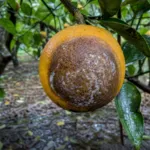 DiseaseCitrus brown rot caused by Phytophthora citrophthoraPhytophthora citrophthora
 DiseaseStolbur Phytoplasma Disease‘Candidatus Phytoplasma solani’
 DiseasePhytophthora cactorum crown, collar, root and fruit rotPhytophthora cactorum
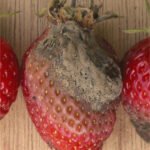 DiseaseGray MoldBotrytis cinerea
 PestBroad mitePolyphagotarsonemus latus (Banks)
 Environmental stressUnderwatering
 DiseaseGray leaf spot of cornCercospora zeae-maydis
Toxicity and pollen
Independent species-specific toxicology information is limited. Lavender oils and strongly aromatic plant material can irritate skin or the gastrointestinal tract if concentrated material is consumed. Avoid ingestion of essential oil, supervise children around unfamiliar plant material, and seek professional advice after a substantial exposure. Do not infer complete safety from the absence of a formal toxicity listing.
- Typical season
- Typically late spring through summer in the United States
- Pollination / pollen
- Insect-carried pollen; limited airborne dispersal
Lavender flowers release pollen from exposed anthers, but the species is primarily insect-pollinated, so airborne pollen exposure is generally expected to be lower than for wind-pollinated plants. Species-specific U.S. aerobiology data are limited, and sensitive individuals may still react to pollen or fragrance. Avoid making allergy claims from fragrance alone.
Native habitat
In nature it occurs in the western Mediterranean, especially southern Portugal and southwestern Spain, in warm subtropical to Mediterranean settings. It is associated with sunny, open, seasonally dry habitats and mineral soils that drain quickly. The species is adapted to winter rainfall followed by dry summers rather than persistent summer moisture.
Interesting fact
The species is native to southern Portugal and southwestern Spain.
Its green foliage contrasts with the gray foliage of many cultivated lavenders.
Its flower spikes can carry yellow-green bracts rather than purple tones.
Kew treats Lavandula viridis as an accepted species.
Frequently asked questions (FAQ)
The most relevant questions about this plant, with short and direct answers.
🌱Quick care
What is Lavandula viridis called?⌄
Lavandula viridis is documented as green lavender or white lavende. It is a fragrant lavender species native to southern Portugal and southwestern Spain.
Is Lavandula viridis easy to grow?⌄
Lavandula viridis is fairly easy to grow when given full sun, very sharp drainage, and restrained watering. It is less forgiving of wet soil, poor airflow, and prolonged freezing conditions.
Does Lavandula viridis need full sun?⌄
Yes, Lavandula viridis grows best in full sun, ideally with at least 6 hours of direct light daily. Insufficient light can produce weak, stretched growth and fewer flowers.
How often should I water Lavandula viridis?⌄
Water Lavandula viridis deeply but infrequently, allowing the soil to dry substantially between waterings. Established plants generally need supplemental water only during prolonged hot, dry weather.
🌤️Environment and placement
What soil is best for Lavandula viridis?⌄
Use gritty, sandy, or mineral soil that drains sharply and dries quickly. Avoid heavy clay and rich, moisture-retentive mixes unless they are substantially amended with coarse drainage material.
Can Lavandula viridis grow in a pot?⌄
Yes, Lavandula viridis is well suited to containers with drainage holes. Use a fast-draining cactus or mineral-based mix, and choose a pot only slightly larger than the root ball.
Is Lavandula viridis drought tolerant?⌄
Yes, established Lavandula viridis is drought tolerant once its roots are well developed. It still needs regular watering during its first growing season and occasional deep watering during extreme drought.
Can Lavandula viridis grow indoors?⌄
Lavandula viridis is usually better outdoors because indoor light and airflow are often inadequate. If grown indoors temporarily, place it at the brightest sunny window and keep the soil on the dry side.
What USDA zone is Lavandula viridis hardy in?⌄
The reliable USDA hardiness range for Lavandula viridis is not consistently documented, so treat it as a frost-tender or borderline perennial in much of the United States. In colder areas, grow it in a container and protect it from freezing.
Can Lavandula viridis tolerate humidity?⌄
Lavandula viridis may struggle in hot, humid conditions, especially when soil stays wet or foliage remains crowded. Maximize airflow, avoid overhead watering, and use a raised or container planting with excellent drainage.
💧Care and problems
Why is my Lavandula viridis turning brown?⌄
Brown foliage or stems commonly indicate root stress from excess moisture, poor drainage, frost, or severe drought. Check the roots and soil first, then remove dead growth only after confirming whether the plant is still alive.
Why is my Lavandula viridis wilting in wet soil?⌄
Wilting in wet soil usually indicates impaired or damaged roots rather than a need for more water. Move the plant to sharper drainage, reduce irrigation, and remove persistently rotting roots if the plant is container grown.
Should I fertilize Lavandula viridis?⌄
Usually, Lavandula viridis needs little fertilizer in moderately fertile soil. Excess fertilizer can produce soft, leafy growth and reduce drought tolerance, so use only a light, low-nitrogen feeding if growth is clearly weak.
How do I keep Lavandula viridis compact?⌄
Prune lightly after flowering to remove spent stems and shape the plant while leaving plenty of green foliage. Avoid cutting deeply into old, bare wood because lavender may not regrow from it.
What pests affect Lavandula viridis?⌄
Lavandula viridis is generally less troubled by pests than many ornamental plants because of its aromatic foliage. Poor drainage and humid conditions are more likely problems than insect damage, although aphids, whiteflies, or mites can occasionally occur.
🪴Planting and repotting
When should I plant Lavandula viridis outdoors?⌄
Plant Lavandula viridis in spring after the danger of hard frost has passed. In warm regions, fall planting can work if the plant has time to establish before cold, wet weather arrives.
How far apart should I plant Lavandula viridis?⌄
Space Lavandula viridis according to its mature size and the need for airflow, generally leaving about 18 to 24 inches between plants unless a cultivar’s mature dimensions call for more room. Crowding increases humidity around the foliage.
How do I repot Lavandula viridis?⌄
Repot Lavandula viridis when roots fill the container or water drains unusually slowly. Move it into a pot only one size larger, use a sharply draining mix, and water lightly until the roots reestablish.
Can I plant Lavandula viridis in clay soil?⌄
Lavandula viridis should not be planted directly in poorly drained clay without major improvement. A raised bed, slope, or container filled with gritty soil is usually safer than relying on a small amount of organic amendment.
✂️Propagation and pruning
How do I propagate Lavandula viridis from cuttings?⌄
Take healthy softwood or semi-ripe cuttings from nonflowering shoots, remove the lower leaves, and place them in a sterile, gritty rooting mix. Keep the mix lightly moist but never saturated until roots form.
Can Lavandula viridis be grown from seed?⌄
Yes, Lavandula viridis can be grown from seed, but germination and plant development may be slower and less uniform than with cuttings. Sow in a well-drained medium and provide bright light without keeping the seedlings waterlogged.
When is the best time to take Lavandula viridis cuttings?⌄
Take cuttings during active growth, commonly from late spring through summer, when shoots are firm but not fully woody. Avoid flowering stems because they may root less reliably.
⚠️Toxicity and safety
Is Lavandula viridis toxic to people or pets?⌄
The toxicity of Lavandula viridis itself is not well established, so avoid eating concentrated plant material or using homemade extracts. Essential oil is highly concentrated and should not be swallowed or applied undiluted.
Can I use Lavandula viridis in cooking?⌄
Do not assume Lavandula viridis is culinary safe simply because it is a lavender. Species-specific food-safety information is limited, so use only products explicitly prepared and labeled for culinary use.
Is Lavandula viridis essential oil safe?⌄
Safety data specific to Lavandula viridis essential oil are limited, and concentrated essential oils can cause poisoning, irritation, or allergic reactions. Do not ingest it, and seek professional guidance before topical or therapeutic use.
🌸Flowering and special interest
What color flowers does Lavandula viridis have?⌄
Lavandula viridis produces pale, usually white to greenish-white flowers with green bracts. The unusual flower color distinguishes it from many familiar purple-flowering lavenders.
When does Lavandula viridis bloom?⌄
Lavandula viridis commonly flowers in spring, although timing varies with climate and growing conditions. In favorable conditions, it may produce additional flowers later in the season.
Does Lavandula viridis smell like lemon?⌄
Yes, the foliage of Lavandula viridis has a strong, distinctive lemon-like fragrance, which is why it is sometimes called lemon lavender. The scent is especially noticeable when the leaves are brushed or crushed.
Does Lavandula viridis attract bees and butterflies?⌄
Its flowers can provide forage for bees and other pollinating insects. The plant is most useful to pollinators when grown in a sunny, pesticide-free location and allowed to flower fully.
Similar plants
 Hidcote Blue (Lavandula angustifolia ‘Hidcote Blue’)Lavandula angustifolia 'Hidcote Blue'
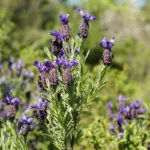 Stickadove (Lavandula stoechas) care guideLavandula stoechas
 Spanish lavender (Lavandula pedunculata) care guideLavandula pedunculata
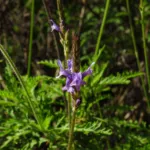 Canary Island Lavender (Lavandula canariensis) care guideLavandula canariensis
 Lavandula dentata care guideLavandula dentata
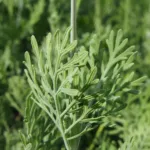 Fernleaf lavender and jagged lavender) is a species of flowering plant in the mint family (Lavandula pinnata) care guideLavandula pinnata