
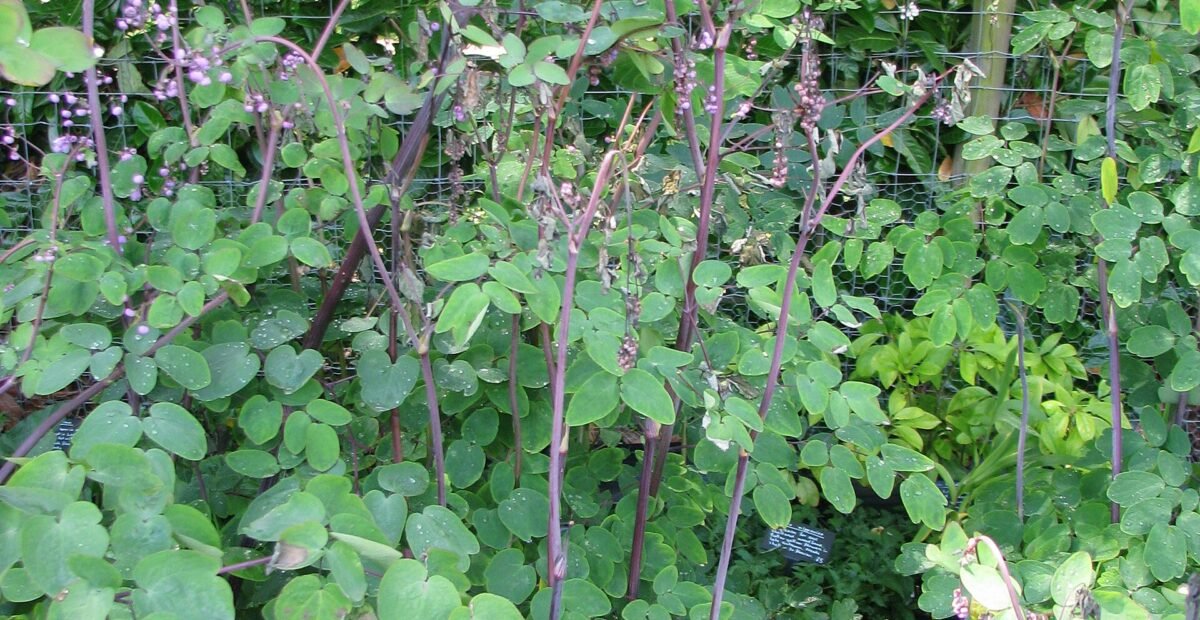
Underwatering
Underwatering overview
Underwatering is an environmental water-stress disorder caused when roots cannot replace the moisture lost through transpiration. It can affect houseplants, vegetables, ornamentals, shrubs and trees, especially in containers, newly planted beds, sandy soils, hot weather or windy sites. Early correction may restore turgor, but prolonged stress can cause scorch, leaf drop, poor growth, flower loss, root damage and plant death.
Typical conditions
Overview
Plants continuously lose water through transpiration. When roots cannot replace that loss, cells lose turgor and the plant enters water stress. The disorder ranges from temporary midday wilting to persistent drought injury. It may occur because watering is too infrequent, too shallow, unevenly distributed or unable to wet hydrophobic, compacted or root-bound media.
Underwatering is especially common in small containers, hanging baskets, raised beds, newly planted trees and shrubs, shallow or sandy soils, and exposed sites during hot, dry or windy weather. A plant that wilts in wet soil may instead have root rot or another root problem, so soil moisture and root condition must be checked together.
Symptoms and identification
- Loss of firmness, drooping or temporary wilting, often worsening during the warmest part of the day.
- Dry, pale or lightweight potting mix; in containers, the mix may pull away from the pot wall.
- Leaves may curl, fold, become brittle or develop tan to brown margins and tips.
- Premature yellowing, leaf scorch, leaf drop, flower abortion, small fruit and slowed shoot growth may follow prolonged stress.
- Seedlings and recent transplants may stop establishing or collapse; woody plants may show shoot dieback after severe or repeated drought.
Symptoms are not diagnostic by themselves. Compare affected and unaffected plants, inspect moisture several inches below the surface, and consider heat, wind, fertilizer salts, pests, disease and damaged roots as alternative explanations.
Causes and spread
This disorder has no infectious cause and therefore does not spread between plants biologically. It develops when water supply is lower than demand. Common triggers include missed irrigation, brief surface watering, clogged emitters, leaking or poorly aimed irrigation, drought, heat, low humidity, wind, excessive sunlight, water-repellent potting media, compacted soil, restricted roots and competition from turf or weeds.
Water demand rises with leaf area, active growth, fruit production and high evapotranspiration. A heavy rain may wet the surface while leaving the deeper root zone dry, particularly where soil is compacted or runoff is rapid.
Life cycle and persistence
Underwatering has no pathogen or insect lifecycle. Symptoms generally progress from reduced cell turgor and midday wilting to persistent wilting, leaf curling and marginal scorch. Continued water deficit reduces photosynthesis and growth, promotes leaf shedding and can kill fine roots or entire shoots. Recovery depends on plant species, stress duration, tissue damage and root viability. Leaves that are fully scorched or dead will not return to normal, although new growth may recover after moisture is restored.
Treatment and control
- Confirm that the root zone is dry and that drainage is functioning. Do not automatically add water to a wilted plant standing in saturated soil.
- Rehydrate gradually but thoroughly. Apply water to the soil, not just the foliage, until the root zone is evenly moist; for very dry containers, several slow applications may be needed.
- For a severely dried container plant, place the pot in a shallow tray briefly so the mix can absorb water from below, then allow excess water to drain completely.
- Move portable plants temporarily away from intense afternoon sun, hot surfaces and drying wind while they recover.
- Remove only dead tissue. Avoid heavy pruning or high-nitrogen fertilizer during acute stress; wait for renewed growth before feeding according to the plant’s needs.
- Continue monitoring moisture and correct the underlying irrigation, container-size, soil or root-restriction problem. Replace plants only when roots and growing points are dead.
Low-impact and biological control
Because underwatering is an environmental disorder, organic control means conserving and delivering water effectively rather than applying a pesticide. Use compost where appropriate before planting, organic mulch such as shredded bark or clean straw, rainwater where lawful and safe for the crop, hand watering at the root zone, and drip or soaker irrigation. Weed removal reduces competition. Select drought-tolerant plants for suitable sites, but remember that newly planted and drought-adapted plants still require establishment watering.
Prevention
- Choose plants suited to the site, soil and regional water availability; group plants with similar moisture needs.
- Check soil moisture rather than watering by calendar alone. For containers, inspect the mix below the surface; for beds, check the full active root zone.
- Water slowly and thoroughly at the soil surface so moisture reaches the roots, then allow the interval appropriate for the plant and soil before watering again.
- Use drip irrigation or soaker hoses, inspect emitters, and adjust irrigation for heat, wind, rainfall, plant size and seasonal demand.
- Apply about 2 to 3 inches of organic mulch around outdoor plants, keeping it away from trunks and stems, to reduce evaporation and moderate soil temperature.
- Improve soil structure with suitable organic matter before planting, control competing weeds and establish new plants with consistent follow-up irrigation.
- Harden off transplants and protect vulnerable containers from reflected heat and drying wind.
Interesting facts
- Wilting is a water-balance response caused by loss of cell turgor, not proof of infection.
- Frequent, shallow watering can encourage shallow roots and leave plants more vulnerable when the surface dries.
- Roots need oxygen as well as water; overwatering or poor drainage can produce wilting that looks similar to underwatering.
- High soil temperatures increase evaporation and can slow root growth and nutrient uptake, intensifying drought stress.
- Drought-tolerant plants reduce water loss through traits such as small leaves, waxy surfaces, deep roots or water-storing tissues, but they are not maintenance-free.
No pesticide treats underwatering. Use cultural and irrigation corrections first. If another pest, disease or chemical problem is diagnosed, use only products legally authorized for that crop and problem in the United States, and follow the current product label exactly.
Affected plants
The plants below are linked to this problem by structured host-plant data. The list updates automatically as new plant profiles are added.
 Spiderwisp (Gynandropsis gynandra) care guideGynandropsis gynandra
 He lily-of-the-valley-tree (Clethra arborea) care guideClethra arborea
 Giant bamboo or dragon bamboo (in China) (Dendrocalamus asper) care guideDendrocalamus asper
 Moringa (Moringa oleifera) care guideMoringa oleifera
 Telfairia occidentalis care guideTelfairia occidentalis
 Warty Brassia (Brassia verrucosa) care guideBrassia verrucosa
 Phalaenopsis aphrodite care guidePhalaenopsis aphrodite
 Pearl Wattle (Acacia podalyriifolia) care guideAcacia podalyriifolia
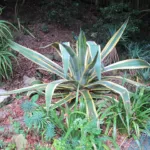 Marginata (Agave americana ‘Marginata’)Agave americana 'Marginata'
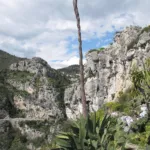 Maguey pulquero and green maguey) is a species of the family Asparagaceae (Agave salmiana) care guideAgave salmiana
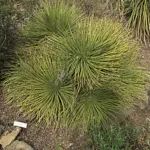 Agave stricta care guideAgave stricta
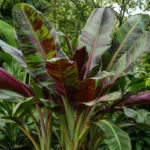 Red Tiger (Musa sikkimensis ‘Red Tiger’)Musa sikkimensis 'Red Tiger'