
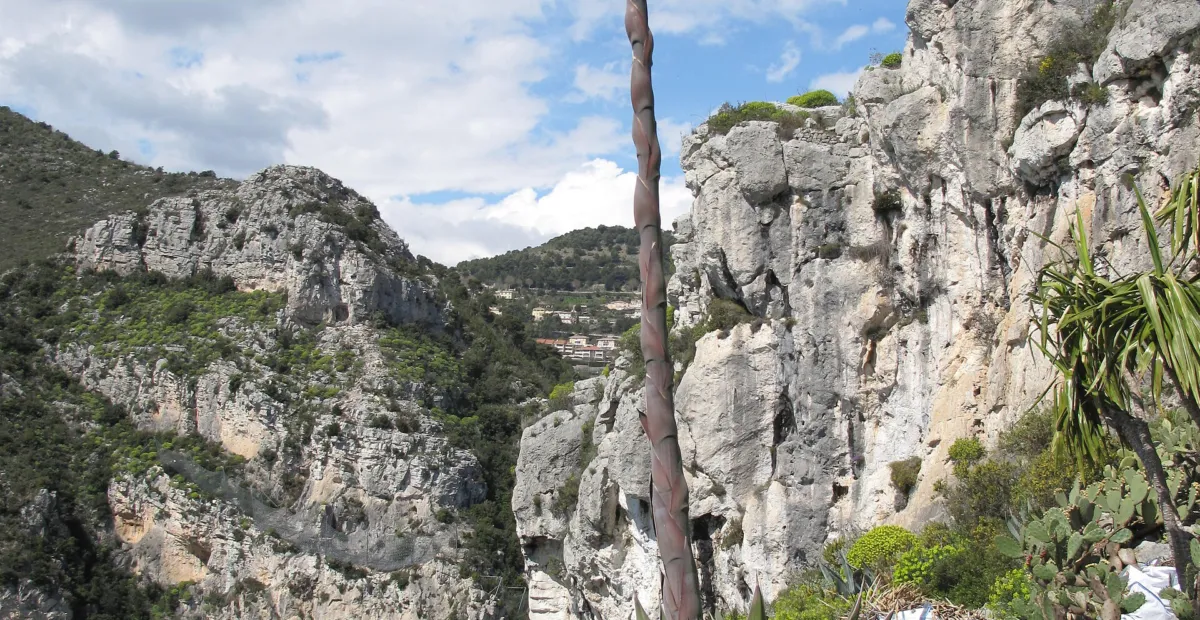
 Source:
 Maguey pulquero and green maguey) is a species of the family Asparagaceae (Agave salmiana) short overview
Agave salmiana is a bold, long-lived Mexican succulent that forms a broad rosette of thick green leaves edged with sharp teeth and tipped with dark spines. Mature plants can become imposing landscape specimens before producing one spectacular, many-branched flower spike and then declining. Grow it in full sun, very fast-draining soil, and a warm, protected position; in colder parts of the United States, use a large container and overwinter it under cover.
Taxonomic classification
Maguey pulquero and green maguey) is a species of the family Asparagaceae (Agave salmiana) care guide
Light and placement
Give full sun, ideally in an unobstructed south- or west-facing position. Strong light supports compact, sturdy growth and good leaf color. Too little light produces a stretched, softer rosette and increases the risk of overwatering-related rot. In very hot inland climates, light afternoon protection can reduce scorch on newly planted specimens, but dense shade is unsuitable.
Watering and humidity
Water deeply, then wait until the mix is mostly dry before watering again. In spring and summer, frequency depends on heat, pot size, and drainage; in autumn reduce irrigation, and in winter keep plants nearly dry, especially below 50°F. Water the soil rather than the crown. Humidity itself is usually not a problem when air circulation and drainage are good.
Soil and growing medium
Use a sharply draining mineral mix containing coarse sand, gravel, pumice, or perlite. In the ground, avoid sites that remain wet after rain. Agave salmiana tolerates neutral to mildly alkaline conditions and can grow in calcareous soils, but heavy clay should be amended or avoided rather than simply enriched with organic matter.
Feeding
Feed sparingly during active growth, using a balanced fertilizer diluted to half strength once in spring and, if growth is vigorous, once again in early summer. Do not fertilize newly repotted, stressed, dormant, or cold-wet plants. Excess nitrogen can produce softer growth and does not compensate for poor light or drainage.
Growth and habit
The plant forms a solitary or offsetting rosette and remains vegetative for years before its single reproductive event. Mature specimens require careful siting because the leaves are rigid, heavily armed, and difficult to work around. Remove spent flowering material only after it has fully dried or when access requires it.
Planting and repotting
Plant after the danger of frost has passed, when the soil is warm and workable. Set the root ball at the same depth as in its container; do not bury the crown. Leave generous clearance from paths and seating areas because the leaf margins are hazardous. Water once to settle the roots, then allow the soil to dry substantially between irrigations.
Repot only when the container is crowded or unstable, preferably in spring or early summer. Use a heavy, wide pot with drainage holes and a gritty succulent mix. Wear thick gloves and protect exposed skin from the leaf teeth. After repotting, allow damaged roots to dry briefly before watering.
Propagation and pruning
Propagation
Offsets are the most practical method when available; separate rooted pups in warm weather and allow cut surfaces to callus before planting. Seed propagation is possible after flowering but is slower and less predictable. Use a sterile, gritty medium and bright light for seedlings.
Pruning
Routine pruning is unnecessary. Remove only dead or badly damaged leaves, cutting at the base with a clean, sharp tool. Do not cut healthy leaf tips merely for appearance, since wounds can discolor and increase handling risk. Remove the spent flower stalk after it dries, using protective equipment.
Overwintering
Keep container plants bright, cool, and frost-free in winter, ideally above about 40°F, and water very sparingly. In borderline outdoor climates, use a rain shelter, dry mulch around but not over the crown, and frost cloth during brief cold events. Persistent cold and wet conditions are more damaging than short, dry chills.
Uses
A dramatic xeric specimen for rock gardens, dry borders, desert-style plantings, and large containers. In Mexico, the species has documented cultural and agricultural importance as a maguey pulquero. Do not use home-prepared sap or plant tissue as food; culinary processing is specialized and safety-sensitive.
Appearance
The species forms a broad, substantial rosette of thick, green, lance-shaped leaves. Leaves commonly arch outward and have strongly toothed margins with a hard terminal spine. The overall texture is bold and architectural rather than finely textured. Mature plants may produce offsets, and the flowering stalk is much taller than the rosette.
Flowering
This monocarpic agave flowers once after many years, producing a very tall, branched terminal inflorescence. Numerous yellow to greenish-yellow flowers open along the branches, usually during the warm season. The flowering rosette gradually declines after seed production, although offsets may continue the clonal plant.
Pollination and visitors
The tall, nectar-bearing inflorescence is visited by insects and other flower visitors; agave flowers can also be important resources for nectar-feeding bats. The exact visitor community depends on local flowering time and habitat.
Agave salmiana photos
Click any photo for a larger view. Source, author and license are shown separately.
Diseases and pests
Diseases
The principal risk is rot caused by persistently wet soil, especially in cool weather. Improve drainage, avoid overhead irrigation, and remove badly decayed tissue with sterile tools. Fungal leaf spotting may occur under prolonged dampness; increase air circulation and keep foliage dry when possible.
Pests
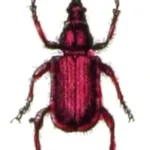
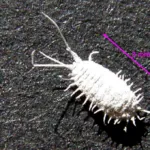
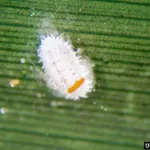
Watch for agave snout weevil, scale, and mealybugs. Inspect leaf bases and the crown regularly, isolate affected containers, and remove heavily infested tissue. Avoid routine broad-spectrum insecticides during flowering because they can harm visiting insects.
Related diseases and pests
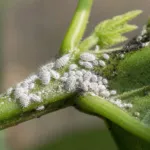
Only Plant Doctor profiles whose host data indicate this plant may be affected are shown here.

Toxicity and pollen
Agave sap and tissues contain irritating compounds, including calcium oxalate crystals and saponin-like substances reported across the genus. Contact may cause painful skin or eye irritation, while ingestion can cause mouth and gastrointestinal irritation. The sharp leaves also create a mechanical injury risk. Wear gloves, eye protection, and long sleeves when handling.
- Typical season
- During flowering, typically summer in the United States
- Pollination / pollen
- Flower pollen, primarily animal-mediated
Agave flowers release pollen during flowering, but this species is not generally treated as a major wind-borne pollen source because its flowers are primarily animal-pollinated. Sensitive people should still avoid direct contact with flowering structures and monitor personal symptoms.
Native habitat
Native to central and northeastern Mexico, where it occurs in subtropical landscapes including dry valleys, uplands, and disturbed or cultivated settings. It is associated with warm climates, seasonal drought, strong sunlight, and soils that drain readily, including rocky or calcareous ground.
Interesting fact
Agave salmiana is one of the important maguey species associated with pulque production in Mexico. Its large leaves can form an exceptionally broad rosette, and its terminal flowering stalk rises dramatically above the vegetative plant. The species includes accepted infraspecific taxa, reflecting substantial variation across its range.
Similar plants
 Azure Monkshood (Aconitum carmichaelii) care guideAconitum carmichaelii
 Monkshood (Aconitum ‘Stainless Steel’)Aconitum 'Stainless Steel'
 Monkshood (Aconitum ‘Bressingham Spire’)Aconitum 'Bressingham Spire'
 Golden full moon maple (Acer shirasawanum ‘Aureum’)Acer shirasawanum 'Aureum'
 Globosum (Acer platanoides ‘Globosum’)Acer platanoides 'Globosum'
 Striped maple (Acer pensylvanicum) care guideAcer pensylvanicum