
 Source:
 Pearl Wattle (Acacia podalyriifolia) short overview
Pearl Wattle is a fast-growing Australian shrub or small tree valued for its silvery, oval phyllodes and abundant golden-yellow flower balls. Native to southeastern Queensland and northeastern New South Wales, it performs best in full sun and sharply drained soil. In the United States it is mainly suited to warm climates or protected coastal gardens, while colder regions should grow it in a container or treat it as a short-lived frost-tender specimen.
Taxonomic classification
Pearl Wattle (Acacia podalyriifolia) care guide
Light and placement
Give Pearl Wattle full sun, ideally with at least 6 hours of direct light and an open southern or western exposure. Strong light supports dense growth and heavier flowering. Sparse, stretched shoots suggest insufficient light, while scorched phyllodes or sudden leaf drop can indicate heat, reflected sun or drought stress during establishment. Provide shelter from persistent cold winds in marginal climates.
Watering and humidity
Water deeply when the upper few inches of soil become dry during the first growing season, then gradually reduce irrigation as the root system establishes. Mature plants tolerate periods of dryness but flower and hold foliage better with occasional deep watering during prolonged summer drought. Avoid frequent shallow watering and standing wetness. Humidity is not usually necessary; airflow matters more in warm, damp conditions.
Soil and growing medium
Use a loose, sharply drained soil with a sandy or loamy structure. Ordinary garden soil is acceptable if it does not remain saturated after rain. Incorporate drainage material into heavy clay rather than creating a rich, water-retentive planting pocket. A mildly acidic to mildly alkaline reaction is suitable. Container plants need a porous shrub mix with a substantial mineral component and drainage holes.
Feeding
Apply a modest slow-release fertilizer for woody ornamentals in spring, or spread a thin layer of finished compost around the root zone. Avoid heavy nitrogen feeding, which can produce soft, leafy growth and reduce structural quality. Do not fertilize drought-stressed, newly transplanted or frost-damaged plants until active growth resumes. Keep fertilizer away from the trunk and water after application.
Growth and habit
This species grows quickly and commonly develops a dense, bushy outline, sometimes flowering while still young. It is useful where rapid screening or a short-term feature plant is wanted, but it can be relatively short-lived. Its freely produced seed may establish beyond cultivation, so remove unwanted seedlings and avoid planting near sensitive natural areas.
Planting and repotting
Plant after cold weather has passed in areas with winter freezes, or in fall where winters are mild. Set the root ball level with the surrounding soil and water deeply to settle the roots. Mulch lightly without touching the trunk. Allow enough room for the mature spread, and do not place it close to native bushland or conservation areas where seedlings could naturalize.
Grow in a deep container with excellent drainage and repot when roots fill the mix, preferably in spring. Move the plant before it becomes root-bound or top-heavy. Handle the root ball carefully, refresh only part of the mix, and water thoroughly after transplanting. Container plants may need root pruning or replacement after several years because the species grows quickly.
Propagation and pruning
Propagation
Propagate mainly from seed. Treat the hard seed coat by carefully pouring boiling water over the seed and allowing it to soak, or scarify it before sowing. Use a sterile, free-draining medium and keep it evenly moist during germination. Seed-raised plants establish readily; cuttings are not the usual method for this species.
Pruning
Prune lightly after flowering to maintain a compact outline and remove weak, crossing or damaged branches. Avoid severe cutting into old, leafless wood unless necessary, because recovery may be uneven. Remove developing seed pods if self-seeding is a concern. Structural pruning is easiest while plants are young and still forming their main framework.
Overwintering
In USDA Zones 9–11, protect young plants from prolonged freezes and cold, drying winds with frost cloth and a sheltered position. In colder areas, grow it in a large container and move it to a bright, cool, frost-free space before temperatures fall below the low 20s°F. Water sparingly indoors and provide maximum light.
Uses
Use as a sunny specimen, temporary screen, background shrub or container-grown patio plant in warm climates. The silvery phyllodes provide year-round ornamental interest, while the yellow flower display adds seasonal color. Because the species can seed freely and has naturalized in some regions, avoid planting near vulnerable natural habitats and remove unwanted seedlings.
Appearance
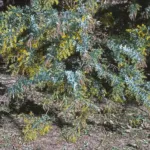
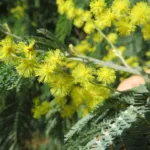
The plant is recognized by smooth to finely fissured gray bark, often pruinose young branchlets, and flattened leaf-like phyllodes rather than conventional leaves. The phyllodes are elliptic to broadly ovate, silvery gray to blue-gray, and slightly felted when young. Rounded golden flower heads are carried in axillary racemes, creating a strong contrast with the cool-toned foliage.
Flowering
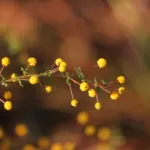
The inflorescences consist of rounded heads packed with numerous small flowers, arranged along axillary racemes. Bright yellow heads are typically most conspicuous from late winter into early spring in temperate cultivation, although Australian records report flowering outside that main season. Young plants may flower early, sometimes in their second year.
Pollination and visitors
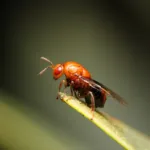
The dense yellow heads expose abundant small flowers and are characteristic insect-visited wattle inflorescences. Bees, bumblebees and other small flower-visiting insects are plausible regular visitors, with flies and beetles also recorded or characteristic for similar Acacia flower heads. No single pollinator species was sufficiently documented for a species-level entry.
Acacia podalyriifolia photos
Click any photo for a larger view. Source, author and license are shown separately.
Diseases and pests
Diseases
Avoid constantly wet soil and dense, stagnant planting conditions. Humid climates may encourage sooty mold, usually associated with sap-feeding insects; manage the underlying insects and improve airflow rather than treating the mold alone. Remove badly damaged material, disinfect pruning tools and avoid overhead irrigation when foliage remains wet for long periods.
Pests
Leaf miners can be a significant problem in some climates, especially where the plant is already stressed. Inspect new growth for winding mines, distorted phyllodes or premature browning. Remove heavily affected leaves where practical, maintain consistent watering during establishment and avoid unnecessary broad-spectrum insecticides that disrupt beneficial insects.
Related diseases and pests
Only Plant Doctor profiles whose host data indicate this plant may be affected are shown here.
 PestChilli thripsScirtothrips dorsalis Hood
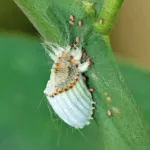 PestCottony Cushion ScaleIcerya purchasi
 DiseaseBotryosphaeria canker and diebackBotryosphaeria dothidea (Moug. ex Fr.) Ces. & De Not.
 PestCalifornia red scaleAonidiella aurantii
 Environmental stressUnderwatering
 PestSpotted Tentiform LeafminerPhyllonorycter blancardella
Toxicity and pollen
Authoritative sources reviewed for this profile did not establish a dependable human, dog or cat toxicity classification for Acacia podalyriifolia. Do not assume that the plant or its seed is edible. Prevent children and pets from chewing plant material, and seek professional advice if ingestion causes symptoms or if a substantial amount was consumed.
- Typical season
- Late winter to spring in much of the United States when cultivated
- Pollination / pollen
- Pollen presented by insect-visited flower heads
Species-specific airborne-pollen and clinical allergy data were not reliably documented in the sources reviewed. Its flowers are primarily insect-pollinated, but insect pollination does not prove zero allergy risk. People with known wattle or legume pollen sensitivity should limit exposure during flowering and avoid handling large quantities of blossoms in enclosed spaces.
Native habitat
In its native range, Pearl Wattle occurs in open forest and woodland of southeastern Queensland and nearby northeastern New South Wales. It grows in subtropical settings across well-drained soils and can occur in disturbed places after cultivation. Warmth, sunlight and drainage are more important than high soil fertility. In some regions outside its native range it has become naturalized or locally invasive.
Interesting fact
The species has phyllodes—flattened leaf stalks that function as leaves. Its epithet refers to foliage resembling the South African genus Podalyria. The plant may flower while still young and can reach several feet of growth quickly. Its silvery foliage is often a stronger ornamental feature than the flowers alone.
Frequently asked questions (FAQ)
The most relevant questions about this plant, with short and direct answers.
🌱Quick care
What is Pearl Wattle (Acacia podalyriifolia)?⌄
Pearl Wattle is an evergreen Australian shrub or small tree in the Fabaceae family, grown for its silvery foliage and rounded yellow flower clusters. It is also called Queensland silver wattle in horticultural references.
How large does Pearl Wattle get?⌄
Pearl Wattle commonly develops into a large shrub or small tree, often about 15 to 25 feet tall in favorable conditions, although size varies with climate and pruning. Give it adequate room for a spreading canopy.
How fast does Pearl Wattle grow?⌄
Pearl Wattle is generally a fast-growing plant when given sun, warmth, drainage, and regular moisture during establishment. Growth slows in cool climates, containers, drought, or after frost damage.
🌤️Environment and placement
How much sun does Pearl Wattle need?⌄
Pearl Wattle grows best in full sun, meaning at least 6 hours of direct sunlight daily. More light generally supports denser growth and better winter flowering.
Is Pearl Wattle hardy in the United States?⌄
Pearl Wattle is best suited to mild U.S. climates and needs protection from hard frost. Young plants and container specimens are particularly vulnerable during freezing weather.
Where should I plant Pearl Wattle in a U.S. garden?⌄
Plant Pearl Wattle in the sunniest well-drained location available, preferably sheltered from cold winds. In colder parts of the United States, grow it in a container or treat it as a protected patio plant.
💧Care and problems
How often should I water Pearl Wattle?⌄
Water Pearl Wattle moderately while it is establishing, then allow the soil to dry somewhat between deep waterings. Mature plants can tolerate short dry periods, but prolonged drought may reduce growth and flowering.
Can Acacia podalyriifolia survive frost?⌄
Acacia podalyriifolia can tolerate light to moderate frost once established, but hard or prolonged freezes may damage or kill it. Protect young plants with frost cloth and move container plants to shelter before severe freezes.
Is Pearl Wattle drought tolerant?⌄
Pearl Wattle becomes relatively drought tolerant after its roots are established. It still benefits from deep watering during extended heat or drought, especially when grown in a container.
Why are the leaves on my Pearl Wattle turning yellow?⌄
Yellowing leaves on Pearl Wattle may indicate overwatering, poor drainage, root stress, or another growing problem. Check the soil moisture and improve drainage before watering again.
Why is my Pearl Wattle losing its silvery color?⌄
Reduced silvery color can result from insufficient sunlight, new immature growth, or plant stress. Move container plants to brighter light and avoid keeping the root zone constantly wet.
Does Pearl Wattle need fertilizer?⌄
Pearl Wattle usually needs little fertilizer when planted in reasonably fertile, well-drained soil. If growth is weak, use a light application of a balanced slow-release fertilizer in spring rather than heavy nitrogen feeding.
🪴Planting and repotting
What type of soil is best for Acacia podalyriifolia?⌄
Use well-drained sandy or loamy soil for Acacia podalyriifolia. It can tolerate a range of soil reactions, but persistent waterlogging is likely to cause root problems.
Can Pearl Wattle grow in containers?⌄
Pearl Wattle can be grown in a large container while young, provided the pot has excellent drainage and receives full sun. Container plants dry out and become cold-stressed faster than plants grown in the ground.
When should I plant Pearl Wattle outdoors?⌄
Plant Pearl Wattle outdoors after the danger of hard frost has passed and the soil is warming. Fall planting may work in mild regions, but spring is safer where winter freezes are common.
How do I transplant a Pearl Wattle seedling?⌄
Transplant Pearl Wattle while it is young, keeping the root ball as intact as possible. Water thoroughly after planting, protect it from drying winds, and avoid disturbing the roots repeatedly because young wattles can resent transplantation.
✂️Propagation and pruning
When should I prune Pearl Wattle?⌄
Prune Pearl Wattle soon after flowering finishes so the plant has time to produce new growth before the next flowering season. Remove dead or crossing branches and shorten long shoots to maintain the desired shape.
Can Pearl Wattle be cut back hard?⌄
Established Pearl Wattle can sometimes be cut back substantially after flowering, but severe pruning should be approached cautiously because old bare wood may regenerate poorly. Remove no more than necessary unless the plant is vigorous and healthy.
How do you grow Pearl Wattle from seed?⌄
Grow Pearl Wattle from seed by scarifying the hard seed coat or pouring boiling water over the seeds and soaking them before sowing. Use a warm, free-draining seed mix and keep it evenly moist without waterlogging.
How long do Pearl Wattle seeds take to germinate?⌄
Treated Pearl Wattle seeds commonly germinate within several weeks under warm conditions, although timing is variable. Untreated seeds may remain dormant because of their hard seed coats.
Can Pearl Wattle be propagated from cuttings?⌄
Pearl Wattle can be propagated from semi-hardwood cuttings, although seed is the more established method. Use healthy nonflowering shoots, a very free-draining medium, and consistently light moisture while roots develop.
⚠️Toxicity and safety
Is Pearl Wattle invasive in the United States?⌄
Pearl Wattle has naturalized in some regions, including parts of California, so it may present a localized invasive risk in suitable climates. Check your state and county invasive-plant guidance before planting and remove unwanted seedlings.
Is Pearl Wattle toxic to dogs, cats, or people?⌄
The toxicity of Acacia podalyriifolia is not firmly established, so do not allow children or pets to chew its leaves, flowers, seeds, or pods. Seek professional medical or veterinary advice if any part is ingested.
Are Pearl Wattle seeds edible?⌄
Pearl Wattle seeds should not be eaten because species-specific safety information is insufficient. Avoid culinary or medicinal use unless identification and safety have been confirmed by a qualified expert.
🌸Flowering and special interest
When does Pearl Wattle bloom?⌄
Pearl Wattle usually blooms from late winter into early spring, although timing varies with climate. In the United States, flowering may occur earlier in mild coastal areas and later after a cold winter.
What do Pearl Wattle flowers look and smell like?⌄
Pearl Wattle produces rounded clusters of bright yellow, often fragrant flowers. The blooms contrast strongly with its gray-green, oval phyllodes and are also useful as cut flowers.
Why is my Acacia podalyriifolia not flowering?⌄
Insufficient sunlight, juvenile age, frost damage, excessive nitrogen, or incorrect pruning can reduce flowering. Give the plant full sun, avoid heavy feeding, and prune after flowering rather than before it.
Does Pearl Wattle attract pollinators?⌄
The yellow flower clusters of Pearl Wattle can provide resources for visiting insects, including bees and other flower visitors. Its value will vary with local insect populations and the availability of other flowering plants.
Can Pearl Wattle be used as a cut flower?⌄
Pearl Wattle is suitable for cut-flower and foliage arrangements because its yellow flower clusters and silvery phyllodes are decorative. Cut flowering stems when the clusters are well developed but not fully faded.
Similar plants
 Acacia pravissima care guideAcacia pravissima
 Cootamundra wattle (Acacia baileyana) care guideAcacia baileyana
 Silver Wattle (Acacia dealbata) care guideAcacia dealbata
 Prickly moses or western prickly moses (Acacia pulchella) care guideAcacia pulchella
 Longleaf Wattle (Acacia longifolia) care guideAcacia longifolia
 Knife-leaf Wattle (Acacia cultriformis) care guideAcacia cultriformis