
 Source:
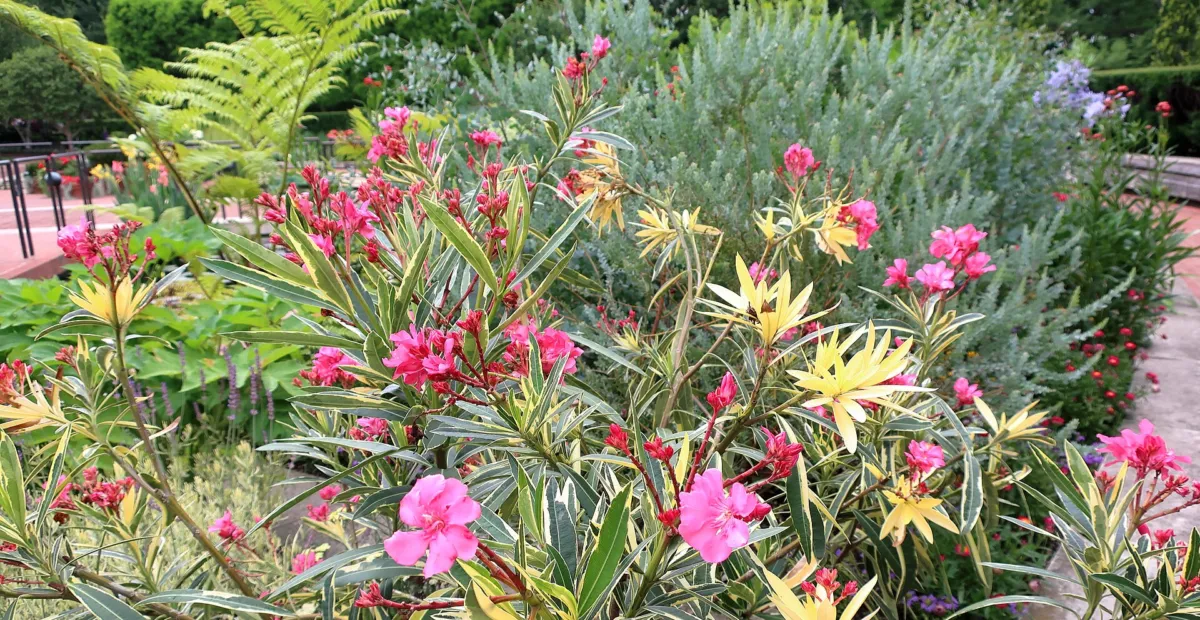
 Knife-leaf Wattle (Acacia cultriformis) short overview
Knife-leaf Wattle is an evergreen Australian shrub with distinctive triangular, silver-gray phyllodes and rounded golden-yellow flower heads. It makes a strong feature plant in warm, sunny gardens and can also be grown in a large container where winters are cold. Provide excellent drainage, avoid waterlogged soil, and protect young plants from hard freezes. Its flowers supply pollen for a range of insect visitors, while species-specific pet-toxicity evidence remains limited.
Taxonomic classification
Knife-leaf Wattle (Acacia cultriformis) care guide
Light and placement
Give full sun, ideally with a south- or west-facing exposure and protection from cold winds. A little light afternoon shade can help in very hot interiors, but heavy shade produces lankier growth and fewer flowers. Too much reflected heat with inadequate water may scorch phyllodes; too little light commonly causes open branching and reduced bloom.
Watering and humidity
Water deeply, then allow the upper soil to dry somewhat before watering again. During the first year, irrigate regularly enough to prevent repeated wilting; after establishment, reduce frequency and water more in prolonged summer heat or containers. Never leave the root zone saturated. Humidity is not a special requirement, but airflow helps in protected culture.
Soil and growing medium
Use a gritty, sharply draining mix or garden soil based on sand, loam, or clay loam. The species tolerates acidic, neutral, and alkaline conditions, but persistent saturation is more damaging than a moderately imperfect pH. In containers, combine a quality potting medium with mineral drainage material and use a pot with an open drainage hole.
Feeding
Feed lightly in spring after flowering with a balanced, slow-release fertilizer at the label rate, or use a thin layer of mature compost around—but not against—the stem. Avoid heavy nitrogen feeding, which can produce weak, overly lush growth. Do not fertilize drought-stressed, newly transplanted, or dormant plants.
Growth and habit
This woody perennial is typically upright and freely branching, with a rounded or spreading outline. It is valued more for its durable gray foliage and seasonal flower display than for rapid growth. Regular light shaping after flowering can preserve density, while severe cutting into old, leafless wood may reduce recovery.
Planting and repotting
Plant in spring after the danger of severe frost, or in fall in climates with mild winters. Set the root crown level with the surrounding soil and do not bury the stem. Space roughly 6–10 feet from buildings or neighboring shrubs, allowing room for branching. Water deeply during the first growing season, then reduce irrigation as roots establish.
Repot container plants only when roots have filled the pot, preferably in spring after flowering. Handle the root ball gently because established wattles can resent disturbance. Move into a slightly larger container rather than a greatly oversized one, and provide bright light while the plant re-establishes.
Propagation and pruning
Propagation
Propagate from seed after scarifying the hard seed coat or pouring boiling water over the seed and allowing it to soak before sowing. Semi-ripe cuttings are also used, though rooting can be less predictable. Sow in a freely draining medium and transplant young seedlings early because root disturbance may be poorly tolerated.
Pruning
Prune lightly after flowering to remove spent stems, crossing branches, or weak growth and to maintain a compact framework. Avoid repeatedly cutting hard into old, bare wood. Young plants can be pinched or lightly headed to encourage branching; remove dead or damaged wood at any time.
Overwintering
In Zones 9–11, protect young plants from frost with a breathable cover during brief cold snaps. In colder regions, grow in a large container and move it to a bright, cool, frost-free location before temperatures fall below the plant’s tolerance. Reduce watering in winter and avoid feeding while growth is slow.
Uses
Useful as an ornamental specimen, silver-foliage accent, informal screen, rock-garden plant, or large-container shrub. Flowering stems can be used as cut material. It may contribute pollen and shelter to garden invertebrates. Do not promote culinary or medicinal use without verified species-specific preparation and safety information.
Appearance
The plant is recognized by flattened, triangular phyllodes that resemble small blades or half-moons and are usually gray-green to silvery. Young branchlets are angular and the mature trunk develops rough bark. Bright yellow rounded heads contrast strongly with the cool foliage, making the species easy to identify in bloom.
Flowering
Rounded yellow flower heads occur in the leaf axils and toward shoot tips, often forming conspicuous clusters. In its native Australian range, the main display is generally from late winter into spring, although timing shifts with climate and cultivation. Flowers are composed of many tiny, five-part flowers packed into compact heads.
Pollination and visitors
Acacia flowers are generally insect-pollinated, with bees, native bees, beetles, and wasps among characteristic visitors to wattles. Species-specific visitor records for A. cultriformis are limited, so no single insect species is assigned as its primary pollinator.
Acacia cultriformis photos
Click any photo for a larger view. Source, author and license are shown separately.
Diseases and pests
Diseases
Avoid chronically wet roots, which encourage decline and root disease. In damp or poorly ventilated conditions, monitor for dieback and remove affected wood back to healthy tissue with disinfected tools. Maintain drainage and avoid overhead irrigation. Honey fungus has been reported as a possible problem in cultivation, but species-specific disease data are limited.
Pests
Watch for scale insects, mealybugs, and spider mites, especially on stressed plants grown under glass or in dry containers. Inspect stems and phyllodes regularly. Improve watering consistency and airflow first; use physical removal or a labeled horticultural oil or soap when appropriate, following the product label and avoiding treatment during active bee visits.
Related diseases and pests
Only Plant Doctor profiles whose host data indicate this plant may be affected are shown here.
 PestChilli thripsScirtothrips dorsalis Hood
 PestCottony Cushion ScaleIcerya purchasi
 DiseaseBotryosphaeria canker and diebackBotryosphaeria dothidea (Moug. ex Fr.) Ces. & De Not.
 PestCalifornia red scaleAonidiella aurantii
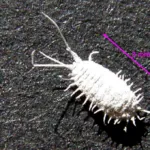 PestObscure mealybugPseudococcus viburni
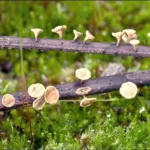 DiseaseAsh diebackHymenoscyphus fraxineus
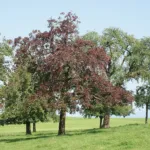 DiseasePear Decline‘Candidatus Phytoplasma pyri’
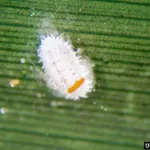 PestCitrus mealybugPlanococcus citri
Toxicity and pollen
Reliable species-specific toxicity information for Acacia cultriformis is limited. Do not assume that the plant is harmless because it is ornamental. Prevent children and pets from chewing foliage, flowers, seeds, or pods, and seek professional advice after ingestion or irritation. General Acacia allergy and toxicity information should not be treated as definitive for this species.
- Typical season
- Usually late winter through spring in warm U.S. climates; local timing varies
- Pollination / pollen
- Insect-dispersed pollen; some airborne exposure is possible
Acacia pollen can be allergenic for some sensitized people, and wattle pollen has been associated with seasonal respiratory allergy in some regions. Evidence is not specific enough to quantify the risk from A. cultriformis in the United States. Sensitive gardeners should avoid handling abundant flowering material close to the face and monitor local symptoms.
Native habitat
The species is native to southeastern Queensland and New South Wales, where it occurs in subtropical landscapes and in Eucalyptus communities on sand or clayey loam. It is adapted to seasonal dryness and open light, helping explain its preference for drainage, sun, and restrained irrigation in cultivation.
Interesting fact
Its apparent leaves are phyllodes, flattened leaf stalks that perform the photosynthetic work of leaves. The triangular phyllodes give the species its distinctive knife-like appearance. A prostrate cultivar known as ‘Cascade’ has a markedly different trailing habit. Acacia flowers commonly provide pollen rather than floral nectar, while glands on young phyllodes may produce sugary secretions.
Frequently asked questions (FAQ)
The most relevant questions about this plant, with short and direct answers.
🌱Quick care
What is Acacia cultriformis commonly called?⌄
Acacia cultriformis is commonly called Knife-leaf Wattle. It is an evergreen Australian shrub valued for its triangular blue-gray phyllodes and bright yellow flower clusters.
How much sun does Knife-leaf Wattle need?⌄
Knife-leaf Wattle grows best in full sun, meaning at least six hours of direct sunlight daily. Light shade may be tolerated, but flowering and compact growth can be reduced.
How often should you water Acacia cultriformis?⌄
Water Acacia cultriformis regularly while it establishes, then allow the soil to dry somewhat between waterings. Mature plants are relatively drought tolerant but may need supplemental water during prolonged heat or drought.
Is Acacia cultriformis frost hardy?⌄
Acacia cultriformis tolerates light to moderate frost once established, but it should be protected from hard freezes. In colder parts of the United States, grow it in a container or place it in a sheltered microclimate.
Is Knife-leaf Wattle evergreen?⌄
Knife-leaf Wattle is generally evergreen. Its flattened, leaf-like stems, called phyllodes, remain on the plant year-round in suitable conditions.
🌤️Environment and placement
Where should I plant Acacia cultriformis?⌄
Plant Acacia cultriformis in a sunny, sheltered location with excellent drainage. A south- or west-facing site protected from harsh wind is suitable in many U.S. gardens.
What type of soil does Knife-leaf Wattle need?⌄
Knife-leaf Wattle grows in well-drained sandy, loamy, or clay-loam soil. Avoid persistently wet or poorly drained locations, because saturated roots can lead to decline.
Can Acacia cultriformis grow in clay soil?⌄
Acacia cultriformis can grow in clay-loam soil if drainage is adequate. Improve heavy, slow-draining ground with a raised planting area rather than creating a water-retaining planting pocket.
Can Knife-leaf Wattle grow in a container?⌄
Knife-leaf Wattle can be grown in a large container with drainage holes and a sharply draining potting mix. Container culture is especially useful where winter temperatures regularly fall below the plant’s frost tolerance.
How large does Acacia cultriformis get?⌄
Acacia cultriformis commonly grows about 8 to 10 feet tall and 6 to 8 feet wide, although size varies with climate and pruning. Some cultivated forms are lower, spreading, or cascading.
Is Acacia cultriformis drought tolerant?⌄
Acacia cultriformis is moderately to highly drought tolerant after establishment. Young plants still need dependable watering during dry periods until their root systems develop.
💧Care and problems
Why are the phyllodes on my Knife-leaf Wattle turning brown?⌄
Brown phyllodes can result from drought, root damage, frost, scorching, or poorly drained soil. Check soil moisture and drainage first, then protect the plant from severe cold and hot drying winds.
Why is my Acacia cultriformis not flowering?⌄
Insufficient sunlight, excessive nitrogen, drought stress, immature age, or severe pruning can reduce flowering. Give the plant full sun, avoid heavy feeding, and allow it to mature before expecting a strong bloom display.
What fertilizer does Knife-leaf Wattle need?⌄
Knife-leaf Wattle usually needs little fertilizer once established. If growth is weak, apply a light spring feeding formulated for native or low-phosphorus plants and avoid overfertilizing.
What pests affect Acacia cultriformis?⌄
Acacia cultriformis may be affected by scale insects, mealybugs, or spider mites, particularly in stressed plants or protected environments. Inspect stems and phyllodes regularly and address infestations early.
Does Acacia cultriformis have invasive roots?⌄
Acacia cultriformis is generally described as having non-invasive roots, but it still needs adequate room for its mature canopy. Avoid planting it where persistent wet soil or severe root disturbance is likely.
🪴Planting and repotting
When is the best time to plant Knife-leaf Wattle in the United States?⌄
Plant Knife-leaf Wattle in spring after the threat of hard frost has passed, or in fall where winters are mild. Spring planting is safer in areas with freezing winters because it provides a full growing season for establishment.
Does Acacia cultriformis transplant well?⌄
Acacia cultriformis can be sensitive to transplanting, especially when root systems are disturbed. Move young plants while they are small and establish nursery-grown specimens promptly in their final location.
How should I plant Acacia cultriformis?⌄
Plant Acacia cultriformis at the same depth it was growing in its container, then water thoroughly to settle the soil. Do not bury the stem or amend the planting hole with material that holds excess moisture.
How do I grow Knife-leaf Wattle from seed?⌄
To grow Knife-leaf Wattle from seed, scarify the hard seed coat or carefully treat the seed with near-boiling water before sowing. Keep the growing medium warm and lightly moist, not saturated, until germination.
✂️Propagation and pruning
Can Acacia cultriformis be propagated from cuttings?⌄
Acacia cultriformis can sometimes be propagated from semi-ripe cuttings, although seed is usually the more established method. Cuttings are particularly useful when trying to preserve a distinctive cascading or prostrate form.
How do I prune Knife-leaf Wattle?⌄
Prune Knife-leaf Wattle lightly after flowering to maintain a compact shape and remove weak, damaged, or crossing branches. Avoid cutting deeply into old, leafless wood because wattles may regenerate poorly from it.
Can I grow Acacia cultriformis as a hedge?⌄
Acacia cultriformis can be maintained as an informal screen or rounded hedge with light pruning. Its natural form is usually more attractive when given enough space to develop rather than sheared tightly.
⚠️Toxicity and safety
Is Acacia cultriformis toxic to dogs or cats?⌄
Species-specific toxicity evidence for Acacia cultriformis is insufficient, so it should not be assumed safe for pets. Prevent pets and children from chewing the plant, and contact a veterinarian or poison-control service if ingestion occurs.
Are Knife-leaf Wattle seeds edible?⌄
Do not eat Knife-leaf Wattle seeds unless their identity, preparation, and food safety have been confirmed by a qualified local authority. Evidence for the safety of this exact species is insufficient for a general edible-plant recommendation.
🌸Flowering and special interest
When does Knife-leaf Wattle bloom?⌄
Knife-leaf Wattle generally blooms from late winter through spring, with timing varying by climate. In the United States, flowering may occur earlier in warm regions and later in cooler areas.
What do Acacia cultriformis flowers look like?⌄
Acacia cultriformis produces bright golden-yellow, rounded flower heads in clusters along the branches. The flowers contrast strongly with the plant’s blue-gray, triangular phyllodes.
Does Knife-leaf Wattle attract pollinators?⌄
Knife-leaf Wattle flowers provide resources for insects and can attract pollinating visitors when in bloom. The plant’s wildlife value will vary with the local climate and surrounding garden habitat.
Can Acacia cultriformis be used as a cut flower?⌄
Acacia cultriformis is suitable for decorative cut-flower use because its golden flower clusters and gray phyllodes hold visual interest. Cut flowering stems after the blooms open and place them in clean water.
Similar plants
 Yellow lantern chili (Capsicum chinense) care guideCapsicum chinense
 Capsicum baccatum care guideCapsicum baccatum
 Serrano (Capsicum annuum ‘Serrano’)Capsicum annuum 'Serrano'
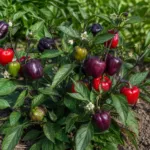 Purple Beauty (Capsicum annuum ‘Purple Beauty’)Capsicum annuum 'Purple Beauty'
 Numex Twilight (Capsicum annuum ‘Numex Twilight’)Capsicum annuum 'Numex Twilight'
 Explosive Ember Chili Pepper (Capsicum annuum ‘Explosive Ember’)Capsicum annuum 'Explosive Ember'