
Ash dieback
Hymenoscyphus fraxineusAsh dieback overview
Ash dieback is a destructive fungal disease of ash caused by Hymenoscyphus fraxineus, formerly associated with the names Chalara fraxinea and Hymenoscyphus pseudoalbidus. Typical signs include black leaf lesions, early leaf loss, shoot and branch cankers, crown thinning, epicormic growth, and progressive dieback. The pathogen is not known to be established in the United States, making reporting and biosecurity especially important.
Typical conditions
Overview
Ash dieback, also called Chalara ash dieback, is caused by the ascomycete fungus Hymenoscyphus fraxineus. The disease can begin in leaves and young shoots, then progress into twigs, branches, and sometimes the main stem. Repeated infection reduces crown density and vigor; heavily affected trees may die, while some individuals show partial or relatively strong tolerance.
In the United States, similar symptoms can result from other ash problems, including emerald ash borer, drought stress, verticillium wilt, cankers, and secondary decay fungi. Confirmation therefore requires expert examination and, where appropriate, laboratory testing. Suspected findings should be reported through the relevant state plant-health agency or USDA APHIS channels.
Symptoms and identification
Early symptoms may include black or brown blotchy lesions on leaflets, wilting, premature leaf drop, and dead shoot tips. Lesions may extend from leaf stalks into shoots. On young branches and stems, elongated or diamond-shaped necrotic lesions can girdle tissue; the inner bark beneath a lesion may be brown to gray.
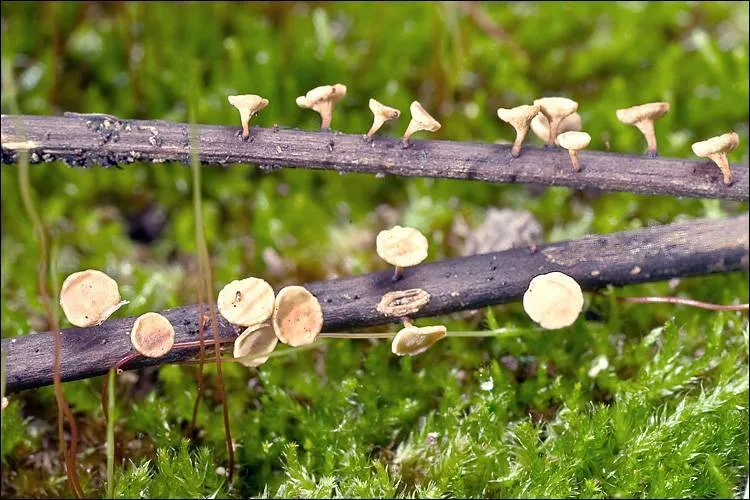
As the disease progresses, shoots and branches die back, crowns become thin, and epicormic shoots may develop on the trunk or larger limbs. Repeated annual infection can produce progressive crown decline and tree death. Small, pale mushroom-like fruiting bodies may form on the stalks of infected fallen ash leaves, but they are not usually visible during routine landscape inspection.
These symptoms are not diagnostic by themselves. Compare the entire tree, inspect for emerald ash borer signs, and seek professional confirmation before removing a valuable or potentially hazardous tree.
Causes and spread
The principal cause is infection by Hymenoscyphus fraxineus. New infections commonly arise when windborne ascospores from infected ash leaf litter reach susceptible foliage during the growing season. Wet foliage and humid conditions support germination and infection.
Long-distance spread can occur through movement of infected nursery stock and other ash material. In the United States, suspected detections should not be transported or distributed while awaiting diagnosis. Ash dieback may be confused with emerald ash borer, drought, frost injury, canker diseases, and root or vascular disorders.
Life cycle and persistence
The fungus has sexual and asexual stages. Its main reproductive cycle occurs on fallen ash leaf stalks and rachises from the previous season. During summer, tiny white apothecia develop on infected leaf remains and release large numbers of wind-dispersed ascospores.
Spores land on ash foliage, germinate under favorable moisture conditions, and produce leaf lesions. The fungus can then grow from infected leaves and leaf stalks into shoots, where it causes bark and cambial damage. Repeated infections over successive years increase shoot and branch dieback. The asexual form, historically called Chalara fraxinea, occurs in infected plant tissues; older literature may also use Hymenoscyphus pseudoalbidus.
Infected planting material can assist long-distance movement, while local spread is mainly associated with airborne spores from infected ash leaf litter. Spores are short-lived compared with the durable movement pathway provided by live plants, logs, or contaminated plant material.
Treatment and control
There is no established curative treatment that reliably eliminates Hymenoscyphus fraxineus from an infected tree. Management is based on confirmation, risk reduction, supportive care, and conservation of trees that retain acceptable health.
- Remove dead or structurally unsafe branches through qualified arboricultural work.
- Consider removal of severely declining or hazardous trees, especially where failure would threaten people or property. Retain suitable healthy or tolerant trees when safety allows.
- Do not remove every ash tree solely because it is a host; symptoms and risk should guide decisions.
- For valuable trees, consult a plant pathologist or experienced arborist before considering any fungicide. Preventive treatments, where researched or permitted, are site- and product-specific and do not reverse established stem or branch damage.
Low-impact and biological control
There is no reliable home remedy that eradicates the pathogen from an infected ash tree. Use an integrated, nonchemical approach:
- Have suspicious trees assessed by a certified arborist, state diagnostician, university plant clinic, or plant-health authority.
- Maintain tree vigor with appropriate watering during drought, mulch kept away from the trunk, protection from soil compaction, and avoidance of unnecessary root or trunk injury.
- Prune clearly dead or hazardous branches during suitable dry conditions, using proper arboricultural practices. Disinfect tools between trees when practical, especially when moving between symptomatic and healthy plantings.
- Remove and dispose of heavily infected leaves and leaf stalks where feasible in high-value landscape plantings; this is less practical and usually less effective across forests or large natural areas.
- Do not move ash seedlings, branches, logs, firewood, or other potentially infested material across regulated areas or state lines without checking current requirements.
Prevention
Buy ash planting material from reputable, inspected sources and comply with current federal and state plant-movement rules. Do not move ash firewood, logs, branches, seedlings, or grafting material unnecessarily.
Monitor ash trees from late spring through fall for leaf lesions, premature leaf drop, dead shoots, and diamond-shaped bark lesions. Record the host species, location, date, and symptom progression, and photograph the whole crown as well as close symptoms.
Preserve apparently healthy or lightly affected ash trees where appropriate, because natural tolerance varies. Reduce drought and mechanical stress, improve site conditions without damaging roots, and obtain an arborist risk assessment when branches or trees are near people, buildings, roads, or utility lines.
Interesting facts
- The pathogen has been known under several names: the current name is Hymenoscyphus fraxineus; older names include Chalara fraxinea and Hymenoscyphus pseudoalbidus.
- European ash is generally much more vulnerable than many Asian ash species, although susceptibility varies within and among species.
- Some ash trees survive repeated exposure with limited symptoms, making tolerance and genetic resistance important for conservation and breeding research.
- The fungus produces its sexual fruiting bodies on fallen ash leaf stalks rather than as conspicuous mushrooms on the trunk.
- USDA APHIS treats ash dieback as a plant disease of concern, and the pathogen is not known to be established in the United States.
No pesticide program should be assumed to cure ash dieback. In the United States, use only products legally authorized and specifically labeled for the crop, site, disease, and application method in your state; follow the current label exactly. Fungicides are generally not a practical cure for infected mature trees, and any professional treatment decision should be based on a confirmed diagnosis, tree value, site conditions, and current university or regulatory guidance.
Affected plants
The plants below are linked to this problem by structured host-plant data. The list updates automatically as new plant profiles are added.
 Uddha bamboo and Buddha Belly Bamboo (Bambusa ventricosa) care guideBambusa ventricosa
 Japanese Clethra (Clethra barbinervis) care guideClethra barbinervis
 Boxelder (Acer negundo) care guideAcer negundo
 Red maple (Acer rubrum) care guideAcer rubrum
 Amur Maple (Acer tataricum ginnala) care guideAcer tataricum ginnala
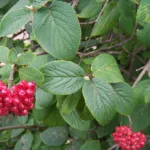 Wayfaring-tree (Viburnum lantana) care guideViburnum lantana
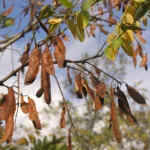 False Acacia (Robinia pseudoacacia) care guideRobinia pseudoacacia
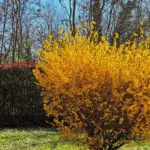 Border Forsythia (Forsythia intermedia) care guideForsythia intermedia
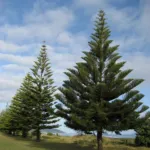 Norfolk Island Pine (Araucaria heterophylla) care guideAraucaria heterophylla
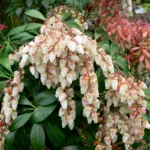 Pieris japonica care guidePieris japonica
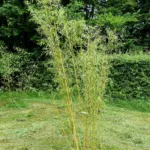 Walking-stick bamboo (Fargesia robusta) care guideFargesia robusta
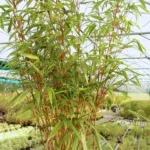 Fargesia ʽRufa’ (Fargesia rufa) care guideFargesia rufa