
 Source:
 Uddha bamboo and Buddha Belly Bamboo (Bambusa ventricosa) short overview
Buddha Belly Bamboo is a tropical, clump-forming bamboo valued for thick, jointed culms that may develop distinctive swollen internodes when grown under container stress or other limiting conditions. In warm parts of the United States it can become a substantial evergreen landscape plant, while elsewhere it is commonly grown in tubs or containers. It prefers bright light, rich evenly moist soil, and protection from significant frost.
Taxonomic classification
Uddha bamboo and Buddha Belly Bamboo (Bambusa ventricosa) care guide
Light and placement
Provide full sun to partial shade, with morning or afternoon sun and protection from harsh reflected heat in very hot climates. A bright, open position encourages sturdy culms and dense foliage. Insufficient light produces lankier growth and a thinner canopy; intense heat combined with dry roots can cause leaf roll, scorch and premature leaf browning. Indoors, place it directly beside a bright south-, east- or west-facing window, with filtered light if midday sun scorches the leaves.
Watering and humidity
Water deeply when the upper inch of soil begins to dry, then allow excess water to drain completely. Keep the root ball consistently and moderately moist during spring and summer, reducing frequency during cool winter conditions while avoiding prolonged drought. Container plants may need frequent watering in hot weather because bamboo has a large, active root system. Do not leave the pot standing in water; saturated roots can decline even though the plant prefers regular moisture.
Soil and growing medium
Use a fertile loam or a high-quality container mix amended with compost and coarse material for drainage. The soil should hold moisture between waterings but remain aerated around the rhizomes and roots. Slightly acidic to neutral conditions are suitable. Avoid heavy, compacted clay and permanently wet sites. In containers, choose a pot with generous drainage holes and a stable base, because mature clumps can become top-heavy.
Feeding
Feed during active growth from spring through late summer with a balanced slow-release fertilizer, following the product label, or top-dress established plants with finished compost. Container specimens benefit from regular but dilute feeding because repeated watering leaches nutrients. Do not fertilize drought-stressed, freshly divided or cold-dormant plants. Stop routine feeding in fall so tender new growth is not encouraged before cool weather.
Growth and habit
This is a clumping bamboo rather than a running bamboo, so new culms arise from a gradually expanding central clump instead of long, wandering rhizomes. In favorable outdoor conditions it becomes large and upright; container restriction, limited water or other stress can produce shorter culms and more pronounced swollen internodes. Remove weak or damaged culms at ground level to maintain an open, balanced clump and prevent overcrowding.
Planting and repotting
Plant after the soil has warmed and hard freezes have passed. Dig a hole no deeper than the root ball and two to three times its width, loosen surrounding soil, and backfill without burying the crown. Water thoroughly and mulch with organic material while keeping mulch away from the culms. During the first growing season, maintain even moisture and protect new plantings from drying winds. Although clumping, it needs substantial long-term space in warm climates.
Repot container plants in spring when roots fill the pot or drainage slows. Move into a heavy, wider container with drainage holes, or divide the clump if size must be controlled. Handle the root mass carefully, replant at the original depth, water thoroughly and provide bright light with protection from extreme heat until recovery. Root restriction may encourage swollen internodes but also increases watering demands.
Propagation and pruning
Propagation
Propagation is normally by division of established clumps, best carried out in spring or early summer while warmth supports rapid root recovery. Each division should include viable rhizome, roots and at least one healthy culm or bud. Keep divisions evenly moist and shaded from intense afternoon sun until new growth indicates establishment. Seed propagation is uncommon because flowering and seed production are rare and unpredictable.
Pruning
Prune any dead, weak, broken or unwanted culms at ground level with clean loppers or a saw. Thin crowded older culms after the main flush of new growth has hardened. Remove low branches only when a cleaner trunk-like appearance is desired. Avoid indiscriminate topping, which can create an uneven silhouette and does not reduce the plant's underground clump.
Overwintering
In Zones 9b and warmer, protect the root zone with mulch and shelter plants from cold, drying winds. In colder regions, grow it in a container and move it indoors, to a greenhouse or to a bright frost-free space before temperatures approach freezing. Reduce watering during cool indoor conditions, maintain good light and ventilation, and check regularly for spider mites and scale.
Uses
Used as an ornamental specimen, screen, windbreak and container plant in warm climates. Its architectural culms and evergreen foliage suit courtyards, patios, tropical-style landscapes and large tubs. Container culture is especially useful where winter temperatures are too low for permanent outdoor planting. The species is also trained as a bonsai or accent plant. No culinary or medicinal use is included here because reliable authoritative support for those uses was not established.
Appearance
The plant has evergreen, linear-lanceolate leaves on branched, jointed culms. Mature culms are thick-walled and green, with conspicuous nodes and persistent or partly persistent leaf sheaths. The feature associated with the common name is the occasional development of shortened, swollen internodes that give selected or stressed container plants a pot-bellied appearance. Culm swelling is variable and should not be expected uniformly on every plant.
Flowering
As with many bamboos, flowering is uncommon in cultivation and is not reliably scheduled for this species. The small grass flowers are inconspicuous and lack ornamental display value. Because reliable United States flowering months are not established, no month range is assigned. Flowering can be associated with reduced vigor or dieback in some bamboos, but species-specific behavior should not be generalized beyond the available evidence.
Pollination and visitors
The inconspicuous flowers are rarely produced in cultivation, and bamboo flowering is primarily associated with wind pollination rather than attraction of animal visitors. No characteristic animal pollinator or visitor group is assigned for this species.
Bambusa ventricosa photos
Click any photo for a larger view. Source, author and license are shown separately.
Diseases and pests
Diseases
No serious disease problems are consistently reported in standard horticultural references. Prevent trouble by avoiding waterlogged soil, improving air circulation in dense clumps and removing damaged culms. Leaf spotting, yellowing or dieback can also result from drought, root injury, cold exposure or nutrient imbalance, so correct cultural conditions before applying a pesticide or fungicide.
Pests
Scale insects, mealybugs, spider mites and aphids may affect stressed container or greenhouse plants. Inspect leaf undersides, nodes and sheltered stem junctions regularly. Isolate infested containers, wash foliage when practical and use horticultural oil or insecticidal soap according to the product label, testing first on a small area. Avoid broad-spectrum insecticides when unnecessary, especially around flowering plants and beneficial insects.
Related diseases and pests
Only Plant Doctor profiles whose host data indicate this plant may be affected are shown here.
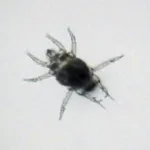 PestBroad mitePolyphagotarsonemus latus (Banks)
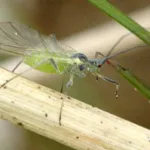 PestGreen Peach AphidMyzus persicae
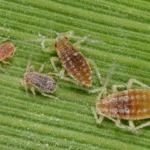 PestMealy Plum AphidHyalopterus pruni (Geoffroy, 1762)
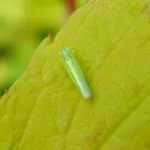 PestSmaller green leafhopperEmpoasca vitis
 Environmental stressWaterlogging
 DiseaseAsh diebackHymenoscyphus fraxineus
 DiseaseAster yellows‘Candidatus Phytoplasma asteris’
 Environmental stressFreeze injury
Toxicity and pollen
A reliable, species-specific toxicology assessment for Bambusa ventricosa was not established in the sources reviewed. Do not treat the plant as edible or medicinal. Prevent children and pets from chewing leaves, culm sheaths or roots, and contact a medical professional or veterinarian if a substantial amount is swallowed or symptoms develop.
- Pollination / pollen
- Light, wind-dispersed grass pollen when flowering occurs
This bamboo rarely flowers in cultivation, so routine airborne pollen exposure is likely limited. When flowering does occur, grasses release wind-dispersed pollen, and sensitive individuals should avoid handling flowering material and consider local allergy guidance. Species-specific clinical allergen data for Bambusa ventricosa were not established.
Native habitat
The species is native from Guangdong in southern China to Vietnam, where it occurs in warm subtropical to tropical conditions. It is adapted to fertile, moisture-available soils and a long growing season, with roots requiring both oxygen and dependable moisture. Its limited frost tolerance explains why it is a landscape bamboo only in the warmest parts of the United States and a container plant elsewhere.
Interesting fact
The swollen internodes behind the Buddha Belly name are variable rather than guaranteed. Container restriction and other stress can intensify the swollen appearance. In unrestricted warm-ground culture, the same species may become a tall, conventional-looking bamboo. It is clumping, which makes it generally easier to contain than running bamboos, but its mature footprint can still be very large.
Frequently asked questions (FAQ)
The most relevant questions about this plant, with short and direct answers.
🌱Quick care
What are the common names and scientific name for Bambusa ventricosa?⌄
Bambusa ventricosa is commonly called uddha bamboo and Buddha Belly Bamboo. It is a clumping bamboo in the grass family, Poaceae.
Is Bambusa ventricosa a running bamboo or a clumping bamboo?⌄
Bambusa ventricosa is a clumping bamboo, so it generally expands from a central clump rather than sending long underground runners. It is still wise to allow room for gradual widening as the plant matures.
🌤️Environment and placement
How much sunlight does Buddha Belly Bamboo need?⌄
Buddha Belly Bamboo grows best in full sun to partial shade. In very hot climates, afternoon shade can reduce leaf scorch and watering stress.
Can Bambusa ventricosa grow indoors?⌄
Bambusa ventricosa can be grown indoors temporarily or as a container plant, but it needs very bright light and consistent moisture. A sunny window, greenhouse, or bright outdoor patio usually produces better growth than a dim room.
What USDA hardiness zones are suitable for Buddha Belly Bamboo?⌄
Buddha Belly Bamboo is generally suited to USDA Zones 9b through 12. It is frost tender, so plants in colder zones need winter protection or should be grown in containers that can be moved indoors.
Can Bambusa ventricosa survive winter outdoors?⌄
Bambusa ventricosa can remain outdoors year-round in mild parts of USDA Zone 9b and warmer areas. Freezing temperatures may damage foliage or culms, and a severe freeze can kill the plant, especially when it is young or container-grown.
How tall does Buddha Belly Bamboo get?⌄
In the ground and in a favorable warm climate, Buddha Belly Bamboo can become a medium-to-large bamboo, while container-grown plants usually remain much smaller. Height varies substantially with cultivar, root space, climate, pruning, and moisture.
💧Care and problems
How often should I water Buddha Belly Bamboo?⌄
Water Buddha Belly Bamboo whenever the soil surface begins to dry, keeping the root zone evenly moist. Container plants may need watering more often during hot weather, while winter watering should be reduced if growth slows.
Can Bambusa ventricosa grow in wet or soggy soil?⌄
Bambusa ventricosa prefers evenly moist soil but does not tolerate prolonged saturation well. Persistent sogginess can reduce root health, so plant it in well-drained soil and use containers with open drainage holes.
Why are the stems of my Buddha Belly Bamboo not swollen?⌄
The swollen internodes are influenced by growing conditions, particularly restricted root space and moderate plant stress. Plants grown freely in the ground may develop taller, straighter culms with less pronounced bellies than container-grown specimens.
Why are the leaves of my Bambusa ventricosa turning brown?⌄
Brown leaves commonly result from drought, intense heat, cold injury, low humidity, or damaged roots. Check soil moisture and drainage first, then protect the plant from frost and harsh reflected afternoon heat.
Why is my Buddha Belly Bamboo losing leaves?⌄
Leaf loss can follow drought, transplanting, root damage, cold exposure, or sudden changes in light. Remove fully dead foliage, correct the growing conditions, and check whether the culms remain green and flexible before assuming the plant is dead.
Should I fertilize Bambusa ventricosa?⌄
Fertilize Bambusa ventricosa during active growth with a balanced fertilizer or a product labeled for ornamental grasses. Avoid heavy feeding during cold weather, drought, or immediately after severe frost damage.
Does pruning make Buddha Belly Bamboo develop bigger bellies?⌄
Pruning alone does not reliably create larger swollen internodes. The characteristic form is mainly affected by cultivar, root restriction, moisture, nutrition, and other growing conditions during culm development.
🪴Planting and repotting
What is the best soil for Bambusa ventricosa?⌄
Use rich, well-drained loam that retains moderate moisture without staying saturated. Improve compact or sandy soil with organic matter, but avoid sites where water regularly collects around the roots.
Is Buddha Belly Bamboo suitable for containers?⌄
Buddha Belly Bamboo is well suited to large containers, which can help maintain a compact form and encourage swollen culms. Choose a heavy pot with drainage and expect to divide or repot the plant when the root mass becomes crowded.
When should I repot Bambusa ventricosa?⌄
Repot Bambusa ventricosa when roots circle densely, water runs through the pot unusually quickly, or growth declines despite adequate care. Move it into a slightly larger container or divide the clump rather than making a large jump in pot size.
How do I plant Buddha Belly Bamboo in the ground?⌄
Plant Buddha Belly Bamboo in rich, well-drained soil with full sun to partial shade, setting the root ball at the same depth it previously grew. Water thoroughly after planting and maintain even moisture while new roots establish.
Does Bambusa ventricosa need a root barrier?⌄
Because Bambusa ventricosa is clumping rather than running, it usually does not require the same containment used for aggressive running bamboos. A root barrier can still help limit the mature clump in confined beds or near paving and structures.
✂️Propagation and pruning
How can I propagate Buddha Belly Bamboo?⌄
The most dependable method is dividing an established clump with healthy rhizomes and culms. Culm or branch-node cuttings may also root under warm, humid conditions, but success is less predictable than division.
Can Bambusa ventricosa be propagated from cuttings in water?⌄
Water propagation is not the most reliable method for Bambusa ventricosa. Stem sections with viable nodes are more likely to succeed in a warm, clean, consistently moist rooting medium than when left indefinitely in water.
When is the best time to divide Buddha Belly Bamboo?⌄
Divide Buddha Belly Bamboo during active growth in warm weather, preferably after the danger of frost has passed. Keep divisions from drying out and replant them promptly with adequate moisture and temporary protection from intense sun.
How should I prune Bambusa ventricosa?⌄
Prune Bambusa ventricosa by removing dead, damaged, weak, or overcrowded culms at the base with clean tools. You can also shorten unwanted culms above a node, but cutting cannot make an already elongated internode swell.
⚠️Toxicity and safety
Is Buddha Belly Bamboo toxic to dogs and cats?⌄
The toxicity of Bambusa ventricosa itself is not firmly established, so do not assume every plant part is safe to eat. Keep pets from chewing it and contact a veterinarian or poison-control service if a significant amount is ingested.
Is Bambusa ventricosa poisonous to people?⌄
Human toxicity for Bambusa ventricosa has not been clearly established. Avoid consuming ornamental plant material, wash after handling soil or plant treatments, and seek medical advice if ingestion causes symptoms.
Is Buddha Belly Bamboo invasive in the United States?⌄
Buddha Belly Bamboo is a clumping species, which generally makes it less difficult to manage than running bamboo. Local behavior can still depend on climate and site conditions, so check state or county invasive-plant guidance before planting near natural areas.
🌸Flowering and special interest
Does Bambusa ventricosa flower?⌄
Bambusa ventricosa can flower, but flowering is uncommon in ordinary cultivation and bamboo flowering behavior is difficult to predict. If flowering occurs, the plant may weaken substantially, although the exact response varies by plant and flowering event.
Similar plants
 Azure Monkshood (Aconitum carmichaelii) care guideAconitum carmichaelii
 Monkshood (Aconitum ‘Stainless Steel’)Aconitum 'Stainless Steel'
 Monkshood (Aconitum ‘Bressingham Spire’)Aconitum 'Bressingham Spire'
 Golden full moon maple (Acer shirasawanum ‘Aureum’)Acer shirasawanum 'Aureum'
 Globosum (Acer platanoides ‘Globosum’)Acer platanoides 'Globosum'
 Striped maple (Acer pensylvanicum) care guideAcer pensylvanicum