
 AI-generated illustration
Jumbo (Fargesia murielae ‘Jumbo’) short overview
Fargesia murielae 'Jumbo' is a large, evergreen, clump-forming bamboo selected for dense foliage, broad arching growth, and useful screening. It performs best in fertile, moisture-retentive soil with protection from harsh afternoon sun and drying winds. Unlike running bamboos, it spreads gradually from short rhizomes, making it easier to manage, although mature clumps can become substantial. Published size and cold-hardiness figures vary by climate and plant provenance.
Taxonomic classification
Jumbo (Fargesia murielae ‘Jumbo’) care guide
Light and placement
Give 'Jumbo' bright filtered light or partial shade, ideally with morning sun and protection from intense late-afternoon exposure. It tolerates more sun where summers are cool and soil stays evenly moist. Bleached, curled, or scorched leaves suggest excessive sun, heat, or wind; weak, sparse growth usually indicates too much shade or root competition.
Watering and humidity
Water deeply when the upper 1–2 inches of soil begin to dry, keeping the root zone consistently moist but never waterlogged. Newly planted clumps may need watering once or twice weekly during dry weather; established plants need less during cool seasons but still require irrigation during drought. Containers dry faster and should be checked frequently.
Soil and growing medium
Use fertile loam or amended garden soil that holds moisture while draining freely. Incorporate compost before planting, especially in sandy or compacted ground, but avoid permanently saturated sites. A slightly acidic to neutral soil reaction is suitable. Mulch with organic material to moderate root temperatures and reduce evaporation, keeping mulch away from the culms.
Feeding
Apply compost or a balanced slow-release fertilizer in spring as new culms begin to develop. A second light feeding in early summer can support vigorous screening growth in poor soil. Do not heavily fertilize late in the season, and avoid excessive nitrogen, which can produce lush, wind-sensitive growth and increase leaching.
Growth and habit
This cultivar forms a dense clump from short, pachymorph rhizomes rather than producing long running stems. New culms emerge seasonally and gradually arch outward under the weight of foliage. Allow room for the clump to broaden, and use root pruning or division if it begins to crowd paths, walls, or neighboring plants.
Planting and repotting
Plant after the soil has warmed in spring or early in fall, avoiding periods of extreme heat or frozen ground. Dig a hole wider than the root ball, loosen circling roots, and set the crown level with the surrounding soil. Water thoroughly after planting and maintain even moisture through the first growing season. Mulch broadly to protect shallow roots.
Grow in a large, heavy container with drainage holes and a moisture-retentive but airy potting mix. Repot or root-prune in spring when the root mass becomes crowded, usually every few years. Water carefully after transplanting and protect the container from severe winter freezes.
Propagation and pruning
Propagation
Division is the most practical method and is best done in spring as new growth begins, using a sharp spade or saw to separate rooted culm sections. Young rhizome or culm cuttings may also be used by specialist growers, but establishment is less predictable than division.
Pruning
In spring, remove dead, weak, damaged, or poorly placed culms at ground level. Thin selected older stems to improve the display of the culms and reduce congestion. Lightly trim the outer canopy only if needed for a hedge, avoiding indiscriminate shearing that can create a dense, unnatural surface.
Overwintering
In the ground, apply a thick organic mulch over the root zone before hard freezes and shelter plants from persistent drying winds. Water before the ground freezes if autumn has been dry. Container plants need insulation around the pot or placement in a protected, unheated location; do not keep them warm indoors for the winter.
Uses
Useful as a specimen, informal hedge, privacy screen, wind-filtering planting, or large container subject. Its clumping habit is generally easier to contain than that of running bamboos, but mature plants still need adequate space. Container plants require winter root protection because roots are less insulated than those in the ground.
Appearance
The plant has upright to gently arching yellow-green culms carrying several narrow branches at each node. Bright green, tapered leaves are relatively broad for Fargesia and create a full, soft-textured canopy. The evergreen foliage may curl or roll temporarily during cold, dry, or windy weather, reducing water loss.
Flowering
Like other woody bamboos, 'Jumbo' can produce inconspicuous grass flowers rather than showy blooms. Flowering is uncommon in garden cultivation and the timing is not dependable enough for a normal flowering calendar. After flowering, some bamboo plants may weaken substantially or die, but the response can vary.
Pollination and visitors
Reliable cultivar-specific documentation of animal pollinators or flower visitors was not found. Because flowering is rare and the flowers are inconspicuous, this bamboo should not be selected as a pollinator plant.
Diseases and pests
Diseases
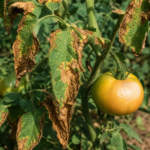
Generally trouble-free when planted in well-drained soil. Watch for root problems in saturated ground, leaf scorch from drought or exposure, and occasional fungal spotting. Improve air circulation, remove damaged foliage, avoid overhead irrigation, and correct drainage rather than relying immediately on fungicides.
Pests
Slugs may chew emerging foliage, especially in damp gardens. Spider mites or aphids can appear on stressed container plants. Inspect new growth, reduce drought stress, wash foliage when appropriate, and use targeted low-impact controls only when pests are confirmed.
Related diseases and pests
Only Plant Doctor profiles whose host data indicate this plant may be affected are shown here.

Toxicity and pollen
Independent, authoritative toxicity data specific to Fargesia murielae 'Jumbo' were not located. Avoid treating the plant as edible, prevent children and pets from chewing unfamiliar plant material, and seek medical or veterinary advice after significant ingestion or if symptoms occur.
- Pollination / pollen
- Grass pollen released during rare flowering events
Bamboo is a grass and can produce pollen when it flowers, but 'Jumbo' flowers rarely and its inconspicuous inflorescences are not a routine seasonal pollen source in most gardens. Cultivar-specific airborne-pollen and allergy studies were not found, so a precise allergy-risk rating cannot be assigned.
Native habitat
The species is associated with cool, temperate mountain habitats in central China, including Sichuan and western Hubei. It grows as a woody, clump-forming grass in climates with seasonal moisture and cold winters. Garden performance is best where roots remain cool and moist but not waterlogged.
Interesting fact
Fargesia murielae is a short-rhizomed clumping bamboo rather than a typical running bamboo. The species has been known in horticulture under competing taxonomic names, including forms related to Fargesia spathacea. 'Jumbo' is reported to have broader leaves and greater stature than several older murielae selections.
Frequently asked questions (FAQ)
The most relevant questions about this plant, with short and direct answers.
🌱Quick care
How do you care for Fargesia murielae 'Jumbo'?⌄
Grow Fargesia murielae 'Jumbo' in partial shade, fertile moisture-retentive soil, and keep it evenly watered. Protect it from prolonged drought, drying winter winds, and intense afternoon sun in hot climates.
Is Fargesia murielae 'Jumbo' clumping or running bamboo?⌄
Fargesia murielae 'Jumbo' is a clump-forming bamboo, not a running bamboo. Its rhizomes spread gradually from the central clump, so it generally does not need the heavy containment used for running types.
How tall does Fargesia murielae 'Jumbo' get?⌄
Fargesia murielae 'Jumbo' commonly reaches about 8–13 feet tall in the ground, although final size varies with climate, soil, moisture, and plant age. It typically forms a dense clump roughly 5–8 feet wide.
How fast does Fargesia murielae 'Jumbo' grow?⌄
Fargesia murielae 'Jumbo' establishes gradually, but each new bamboo shoot can reach its eventual height during one growing season. Overall clump expansion is slower and depends strongly on adequate moisture and a suitable site.
🌤️Environment and placement
What USDA hardiness zone is Fargesia murielae 'Jumbo' suitable for?⌄
Fargesia murielae 'Jumbo' is generally reported as cold hardy around USDA Zones 5 or 6 through 9, but cultivar-specific ratings vary by source. Winter wind, snow exposure, and summer heat can affect performance as much as the zone number.
Can Fargesia murielae 'Jumbo' grow in full sun?⌄
It can tolerate some full sun when the soil stays consistently moist and the air is not excessively hot or dry. Partial shade or morning sun with afternoon shade is safer, especially in the southern and interior United States.
Can Fargesia murielae 'Jumbo' grow in shade?⌄
Yes, Fargesia murielae 'Jumbo' grows well in bright partial shade and can tolerate lighter shade. Too little light may produce a looser, less vigorous plant, while filtered light usually gives the best balance of foliage quality and growth.
Where should I plant Fargesia murielae 'Jumbo' for privacy?⌄
Plant it in a sheltered bed with consistent moisture and enough room for a mature clump about 5–8 feet wide. Space plants according to the desired screen density, but avoid crowding them against foundations, fences, or large trees.
Does Fargesia murielae 'Jumbo' tolerate heat and humidity?⌄
It may struggle in regions with intense summer heat, high humidity, or hot afternoon sun. In those areas, provide deep partial shade, mulch the root zone, improve air circulation, and maintain steady moisture without waterlogging the soil.
💧Care and problems
How often should I water Fargesia murielae 'Jumbo'?⌄
Water it whenever the upper few inches of soil begin to dry, giving established plants a deep soaking rather than frequent shallow watering. Newly planted specimens may need watering several times weekly during hot or dry weather.
Why are the leaves of my Fargesia murielae 'Jumbo' curling?⌄
Leaf curling usually indicates drought stress, drying wind, root disturbance, or cold-weather water loss. Check soil moisture, irrigate deeply, and protect the plant from persistent wind; some winter leaf rolling can be temporary.
Why is Fargesia murielae 'Jumbo' turning yellow?⌄
Yellowing can result from drought, intense sun, winter stress, nutrient shortage, or poorly drained soil. Check the roots and soil before fertilizing, because waterlogged conditions can also cause yellow foliage and declining vigor.
Does Fargesia murielae 'Jumbo' need fertilizer?⌄
A yearly spring application of a balanced slow-release fertilizer or compost is usually sufficient in fertile soil. Avoid heavy feeding, especially late in the season, because lush soft growth can be more vulnerable to winter damage.
What pests affect Fargesia murielae 'Jumbo'?⌄
Slugs and snails may damage emerging shoots and tender foliage, while stressed plants can occasionally attract mites or sap-feeding insects. Inspect new growth regularly and correct drought or overcrowding before using a pesticide.
🪴Planting and repotting
When is the best time to plant Fargesia murielae 'Jumbo'?⌄
Plant it in spring or early fall so roots can establish before severe heat or freezing weather. In colder parts of the United States, spring planting gives the plant the longest establishment period before winter.
How do you plant Fargesia murielae 'Jumbo' in the ground?⌄
Set the root ball level with or slightly above the surrounding soil, backfill with fertile well-drained soil, water thoroughly, and apply a 2–3 inch organic mulch layer. Keep mulch away from the canes and maintain even moisture during establishment.
Can Fargesia murielae 'Jumbo' be grown in a container?⌄
Yes, it is suitable for a large container with drainage holes and moisture-retentive potting mix. Container plants dry and freeze faster than those in the ground, so they need more frequent watering and additional winter root protection.
How often should I repot Fargesia murielae 'Jumbo'?⌄
Repot or divide it when the root mass becomes crowded, usually every few years depending on container size and growth rate. Move it into a pot only modestly larger than the existing root ball to reduce the risk of persistently wet soil.
✂️Propagation and pruning
How do you propagate Fargesia murielae 'Jumbo'?⌄
The practical propagation method is division of an established clump, preferably in spring. Each division should contain healthy rhizomes and several vigorous canes, followed by thorough watering while it reestablishes.
Does Fargesia murielae 'Jumbo' need pruning?⌄
It needs little routine pruning beyond removing dead, damaged, weak, or overcrowded canes. Prune in spring, and thin selected stems at ground level when you want to improve the clump’s shape or reveal the canes.
Can I cut Fargesia murielae 'Jumbo' back hard?⌄
It can be reduced, but severe cutting may leave the clump sparse until new growth develops. Remove individual unwanted canes at the base when possible, and avoid shearing the entire plant unless a formal hedge is intended.
⚠️Toxicity and safety
Is Fargesia murielae 'Jumbo' toxic to dogs, cats, or people?⌄
No confirmed toxicity classification was found specifically for Fargesia murielae 'Jumbo'. Because cultivar-specific safety data are limited, prevent pets and children from chewing the plant and contact a veterinarian or poison-control service if ingestion causes symptoms.
Is Fargesia murielae 'Jumbo' invasive?⌄
It is generally considered a clumping bamboo with much lower spreading risk than running bamboo. Nevertheless, mature clumps can become wide, and edging or periodic division may be useful where space is limited.
Is Fargesia murielae 'Jumbo' deer resistant?⌄
It is not reliably deer-proof, because browsing pressure varies by region and food availability. Protect young plants with fencing or appropriate repellents if deer commonly feed in your garden.
🌸Flowering and special interest
Does Fargesia murielae 'Jumbo' flower?⌄
Yes, it can flower, but flowering is unusual and may occur after many years. Bamboo flowering can be stressful, and the plant may weaken or decline afterward, although the outcome varies between plants and seed lines.
Is Fargesia murielae 'Jumbo' evergreen?⌄
Yes, it is an evergreen bamboo that generally retains foliage through winter. It may shed some older leaves or temporarily curl foliage during cold, dry, or windy conditions.
Similar plants
 Azure Monkshood (Aconitum carmichaelii) care guideAconitum carmichaelii
 Monkshood (Aconitum ‘Stainless Steel’)Aconitum 'Stainless Steel'
 Monkshood (Aconitum ‘Bressingham Spire’)Aconitum 'Bressingham Spire'
 Golden full moon maple (Acer shirasawanum ‘Aureum’)Acer shirasawanum 'Aureum'
 Globosum (Acer platanoides ‘Globosum’)Acer platanoides 'Globosum'
 Striped maple (Acer pensylvanicum) care guideAcer pensylvanicum