
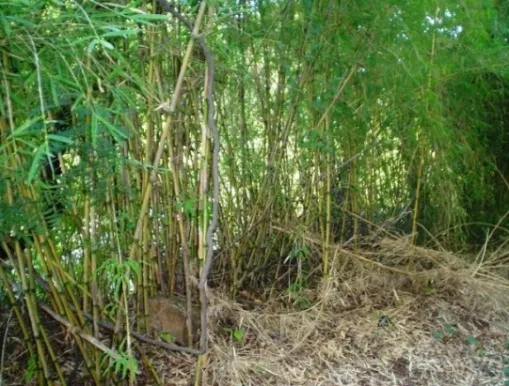
 Source:
 Chusquea culeou short overview
Chusquea culeou is an evergreen, clumping bamboo native to southern Chile and neighboring areas of Argentina. It develops solid, smooth canes with dense branching and narrow green leaves, creating a refined architectural screen or specimen. In the United States it is best suited to sheltered gardens with fertile, evenly moist soil and protection from drying winter winds. Reported hardiness varies considerably by clone and site.
Taxonomic classification
Chusquea culeou care guide
Light and placement
Grow in full sun to partial shade. Morning sun or bright open shade is a useful compromise, especially in warmer parts of the United States. Shelter the plant from hot reflected afternoon light and persistent drying winds. Pale, scorched, or curled leaves can indicate excessive exposure or drought; sparse, weak growth may indicate excessive shade.
Watering and humidity
Water deeply when the upper few inches of soil begin to dry, then allow excess water to drain. Keep newly planted divisions consistently moist through their first growing season. Increase frequency during hot or windy weather and reduce it during cool, wet periods, while avoiding prolonged saturation. Mulch helps stabilize root-zone moisture.
Soil and growing medium
Use fertile, humus-rich soil that holds moisture without remaining waterlogged. A loamy structure with generous organic matter is suitable. Good drainage is important, especially in winter. Slightly acidic to neutral conditions are appropriate; avoid highly alkaline, compacted soil where possible.
Feeding
Apply finished compost or a balanced slow-release fertilizer in spring as new growth begins. A second light feeding may be useful in early summer on poor soil, but avoid heavy late-season nitrogen, which can encourage soft growth and reduce winter readiness. Water the soil before applying granular fertilizer.
Growth and habit
This is a non-running, clump-forming bamboo whose new culms arise close to the established base rather than traveling widely through long rhizomes. Growth is strongest with warmth, moisture, fertility, and shelter. Mature clumps can become heavy and difficult to divide, so choose the permanent position carefully and leave room for gradual expansion.
Planting and repotting
Plant in spring after the soil is workable, or in early fall where winters are mild enough for root establishment. Set the root ball level with the surrounding soil, water deeply, and mulch widely without covering the canes. Space plants about 6–10 feet apart for a screen, allowing for eventual clump expansion.
Container plants should be shifted into a larger container when roots fill the pot, preferably in spring. Use a sturdy, well-drained mix with substantial organic matter, and avoid excessive root disturbance. Large specimens become difficult to handle and are generally better planted in the ground.
Propagation and pruning
Propagation
Propagate chiefly by division or by separating rooted rhizome sections with attached culms, preferably in spring. Seed propagation is possible when seed is available but is uncommon and may produce variable plants. Division is physically demanding because established clumps become heavy and tightly rooted.
Pruning
In spring, remove weak, dead, damaged, or badly placed culms at ground level. Thin selected older culms to reveal the stems and improve air movement. Avoid indiscriminate shearing if the natural branching structure is desired. If flowering occurs, remove declining flowering shoots promptly when practical.
Overwintering
In colder or exposed locations, mulch the root zone deeply before hard freezes and protect young plants from drying winds. Use temporary wind protection during severe cold. Container plants are more vulnerable than established in-ground clumps and may need a sheltered, unheated location or substantial insulation. Reported limits vary by clone.
Uses
Use as an architectural specimen, evergreen screen, sheltered hedge, or large-container accent where climate permits. Its solid culms have practical value in regional bamboo culture, but cutting or structural use should be based on properly identified, mature material. It is not documented here as a medicinal or food plant.
Appearance
The plant has smooth, glossy, solid culms that may appear olive green and can become more visible as older foliage is thinned. Numerous branches arise at the nodes, producing a dense, feathered texture. Leaves are narrow, lance-shaped, and medium to dark green. The clumping habit and solid stems help distinguish it from many running bamboos.
Flowering
This species produces small, inconspicuous grass flowers in branched bamboo inflorescences rather than showy blooms. Flowering is irregular and may occur after a long vegetative interval; reliable U.S. flowering months were not established. Flowering shoots may decline afterward, as occurs in many bamboos, but the timing and severity are variable.
Pollination and visitors
The reviewed sources did not provide dependable documentation of a principal animal pollinator or characteristic visitor group. Bamboo flowers can be inconspicuous and irregular, so no pollinator code is assigned.
Chusquea culeou photos
Click any photo for a larger view. Source, author and license are shown separately.
Diseases and pests
Diseases
Generally reported as disease-free in cultivation. Prevent problems by providing drainage, avoiding chronic drought stress, removing damaged culms, and maintaining air movement. Investigate persistent leaf discoloration for water, nutrient, cold, or root-zone problems before applying treatments.
Pests
Slugs may damage young foliage. Monitor newly planted divisions and container specimens, especially during cool, wet weather. Use sanitation, hand removal, barriers, or locally approved controls as needed; avoid routine broad-spectrum insecticides unless a pest is positively identified.
Toxicity and pollen
No authoritative species-specific toxicity assessment for humans, dogs, cats, or children was located in the reviewed sources. Do not treat the absence of evidence as proof of safety. Prevent ingestion of unknown plant material, and avoid using canes or leaves as food unless a separate, reliable food-use identification and preparation source is available.
- Pollination / pollen
- Grass pollen released during irregular flowering
Bamboos are grasses and produce pollen when flowering, but C. culeou flowers irregularly and species-specific airborne-pollen or allergen data were not located. Exposure is therefore classified as unknown rather than presumed negligible. People with grass-pollen sensitivity should take ordinary precautions during any flowering event.
Native habitat
It occurs naturally in cool, moist temperate regions of central and southern Chile and adjacent southwestern Argentina. Native habitats include forest margins, open woodland, and other sites with reliable moisture, organic soils, and relatively mild maritime or montane conditions. It is not a desert-adapted bamboo and can suffer in hot, drought-prone exposures.
Interesting fact
The species is native to southern South America and is among the more cold-tolerant bamboos from that region. Its culms are solid rather than hollow, a useful identification feature. It forms clumps instead of long-running rhizome colonies. Commercial plants may differ markedly in height and cold tolerance because clones are variable.
Frequently asked questions (FAQ)
The most relevant questions about this plant, with short and direct answers.
🌱Quick care
What is Chusquea culeou?⌄
Chusquea culeou is a clumping bamboo in the grass family Poaceae, native to southern Chile and adjacent Argentina. It is grown ornamentally for its upright to arching culms and evergreen foliage, although individual clones can differ substantially in size, color, and cold tolerance.
Is Chusquea culeou clumping or running bamboo?⌄
Chusquea culeou is generally treated as a clumping bamboo rather than an aggressive running bamboo. Its rhizomes form a gradually expanding clump, but allow adequate room because mature plants can become broad and tall.
How tall does Chusquea culeou get?⌄
Chusquea culeou commonly reaches roughly 15 to 20 feet in cultivation, although height varies by clone, climate, soil, and age. Some plants may remain smaller, while vigorous selections can become substantial garden specimens.
What is the common name for Chusquea culeou in the United States?⌄
No verified local English common name was supplied for the United States, so the scientific name Chusquea culeou is the safest label. Sources may use names such as Chilean bamboo or colihue, but those names are not treated here as verified local names.
🌤️Environment and placement
How much light does Chusquea culeou need?⌄
Chusquea culeou grows best in sun to partial shade. In hot or dry-summer regions, morning sun or filtered afternoon light can reduce leaf scorch, while cooler, humid climates generally allow more direct sun.
What USDA hardiness zone is Chusquea culeou suitable for?⌄
Chusquea culeou is best considered a protected outdoor bamboo whose hardiness depends on the clone and site. Some cultivated selections are reported near 0°F, but exposed wind, winter dryness, container culture, and young age can cause damage at temperatures a mature plant might tolerate.
Can Chusquea culeou grow in the United States?⌄
Chusquea culeou can grow outdoors in suitable parts of the United States, particularly cool, moist, sheltered areas. Success is most reliable where summer moisture is available and the plant is protected from drying winter winds and extreme heat.
Can Chusquea culeou grow in full sun?⌄
Chusquea culeou can grow in full sun when the soil stays reliably moist and the site is not excessively hot or windy. In hotter parts of the United States, partial afternoon shade is often safer than intense all-day exposure.
Is Chusquea culeou suitable for a privacy screen?⌄
Chusquea culeou can provide a useful privacy screen where summers are not excessively hot and soil moisture is dependable. Its clumping habit helps limit unwanted spread, but the plant’s mature height, width, and arching form should be matched to the site.
💧Care and problems
How often should I water Chusquea culeou?⌄
Water Chusquea culeou regularly so the soil remains consistently moist but not waterlogged. Do not allow an established plant to dry out for prolonged periods, especially during hot weather, active shooting, or its first growing season.
Why are the leaves of my Chusquea culeou turning brown?⌄
Brown leaves on Chusquea culeou most often indicate drought stress, winter wind, excessive sun, root problems, or cold injury. Check soil moisture and drainage first, then protect the plant from desiccating wind and avoid prolonged drying.
How do I protect Chusquea culeou in winter?⌄
Protect Chusquea culeou by maintaining soil moisture before freezing weather, applying an organic mulch over the root zone, and shielding it from cold, drying winds. Container plants need more protection because their roots experience colder temperatures than roots in the ground.
Does Chusquea culeou need fertilizer?⌄
Chusquea culeou benefits from fertile soil and a spring application of balanced, slow-release fertilizer if growth is weak. Avoid heavy late-season feeding, which can encourage tender growth before winter and is unnecessary in rich soil.
Does Chusquea culeou tolerate drought?⌄
Chusquea culeou does not reliably tolerate prolonged drought and performs best with moderate to high moisture. Established plants may survive brief dry periods, but drought can cause leaf browning, reduced vigor, and greater winter damage.
🪴Planting and repotting
What soil is best for Chusquea culeou?⌄
Use fertile, humus-rich soil that holds moisture while draining freely. Incorporating compost, leaf mold, or well-rotted organic matter can improve moisture retention without creating the persistently soggy conditions that may damage roots.
Does Chusquea culeou need a rhizome barrier?⌄
A rhizome barrier is usually unnecessary for Chusquea culeou when it is correctly identified as a clumping form. Monitor the clump’s edges and remove unwanted rhizome growth if a particular clone expands beyond its intended space.
Where should I plant Chusquea culeou?⌄
Plant Chusquea culeou in a sheltered location with fertile, evenly moist soil and sun to partial shade. Protection from cold, dry winds is especially valuable because winter desiccation can injure foliage even when the roots remain alive.
Can Chusquea culeou be grown in a container?⌄
Chusquea culeou can be grown in a large container, but it needs excellent drainage, consistent watering, and periodic division or repotting. Container plants are less cold-hardy than in-ground plants and may require winter protection in much of the United States.
When should I plant Chusquea culeou?⌄
Plant Chusquea culeou in spring or early fall, when soil moisture is dependable and temperatures are moderate. Spring planting is preferable in colder regions because it gives the root system a longer period to establish before winter.
Can Chusquea culeou tolerate wet soil?⌄
Chusquea culeou prefers moist soil but does not perform well in persistently saturated ground. Improve drainage or plant on a slight mound if water stands after rain, while maintaining enough organic matter to prevent the root zone from drying too quickly.
✂️Propagation and pruning
How do I propagate Chusquea culeou?⌄
Chusquea culeou can be propagated by seed, division, or rooted rhizome sections that include a stem and viable roots. Division and rhizome propagation are generally more predictable for gardeners, while seed is only available after flowering and may not reproduce a selected clone exactly.
Can Chusquea culeou be propagated from stem cuttings?⌄
Propagation from ordinary stem cuttings is less dependable than division or rooted rhizome sections for Chusquea culeou. Use healthy, actively growing material with roots whenever possible, because unrooted culm pieces may fail to establish.
When is the best time to divide Chusquea culeou?⌄
Divide Chusquea culeou in spring as new growth begins, using sections that contain healthy rhizomes, roots, and at least one viable stem. Replant divisions promptly and keep them evenly moist while they recover.
How should I prune Chusquea culeou?⌄
Prune Chusquea culeou by removing dead, damaged, weak, or unwanted culms at ground level with clean tools. Avoid indiscriminate topping, which can spoil the plant’s natural form; thin the clump instead when better visibility or access is needed.
⚠️Toxicity and safety
Is Chusquea culeou invasive?⌄
Chusquea culeou is generally regarded as a clumping bamboo with limited lateral spread rather than a typical invasive running bamboo. Nevertheless, plant only where a large clump is acceptable and check local regulations if using it near natural areas.
Is Chusquea culeou toxic to dogs, cats, or people?⌄
There is no verified species-specific toxicity classification for Chusquea culeou in the supplied evidence. Prevent children and pets from chewing unfamiliar plant material, and contact a veterinarian or poison-control service if ingestion causes symptoms or involves a large amount.
Is Chusquea culeou safe to plant near a house?⌄
Chusquea culeou can be planted near a house if there is enough room for the mature clump and its height, provided stems do not obstruct paths, windows, utilities, or gutters. Keep the root zone from remaining waterlogged beside foundations.
🌸Flowering and special interest
Does Chusquea culeou flower?⌄
Chusquea culeou does flower, but flowering is an unusual and infrequent event in cultivation. Timing can vary, and information about synchronized flowering and post-flowering behavior is not fully consistent among sources and cultivated clones.
What should I do if Chusquea culeou starts flowering?⌄
If Chusquea culeou begins flowering, continue normal care and observe whether seed develops. Flowering shoots may be removed for appearance, but cutting them does not reliably prevent further flowering, so avoid assuming that pruning will stop a plant-wide event.
Does Chusquea culeou die after flowering?⌄
Chusquea culeou may not always die after flowering, because reports differ between wild populations and cultivated material. Some sources describe plants flowering and producing seed without dying, while bamboo flowering behavior can also vary by genetic line and event.
Similar plants
 Azure Monkshood (Aconitum carmichaelii) care guideAconitum carmichaelii
 Monkshood (Aconitum ‘Stainless Steel’)Aconitum 'Stainless Steel'
 Monkshood (Aconitum ‘Bressingham Spire’)Aconitum 'Bressingham Spire'
 Golden full moon maple (Acer shirasawanum ‘Aureum’)Acer shirasawanum 'Aureum'
 Globosum (Acer platanoides ‘Globosum’)Acer platanoides 'Globosum'
 Striped maple (Acer pensylvanicum) care guideAcer pensylvanicum