
 Source:
 He lily-of-the-valley-tree (Clethra arborea) short overview
He lily-of-the-valley-tree is an evergreen shrub or small tree native to Madeira, where it forms part of the laurel-forest flora. Its glossy leaves and upright clusters of small, white, fragrant flowers give it a distinctive ornamental character. In the United States it is best treated as a mild-climate specimen or container plant, protected from hard freezes, drying winds, and poorly drained soil.
Taxonomic classification
He lily-of-the-valley-tree (Clethra arborea) care guide
Light and placement
Give this species bright light with shelter from the harshest afternoon heat, especially in hot inland climates. Full morning sun or bright filtered light is suitable; partial shade can help preserve foliage during dry summers. Sparse flowering, elongated growth, or widely spaced leaves may indicate insufficient light, while scorched leaf margins and bleached foliage suggest excessive heat, reflected light, or inadequate root moisture.
Watering and humidity
Water deeply when the upper inch of soil begins to dry, then allow excess water to drain fully. Keep the root zone evenly moist during active growth, reducing frequency in cool weather but never allowing a container-grown plant to become bone-dry for long periods. Higher humidity is useful in dry indoor or winter conditions, although consistently wet roots are more damaging than ordinary household humidity.
Soil and growing medium
Use a fertile, humus-rich medium with reliable drainage and good moisture retention. A loam-based mix amended with leaf mold, compost, or fine bark is preferable to dense clay or sharply drying sand. Slightly acidic to neutral conditions are suitable. Avoid alkaline, waterlogged soil and containers without unobstructed drainage holes.
Feeding
Apply a balanced, slow-release fertilizer in spring as growth begins, or use a dilute liquid feed during the active growing season. Feed lightly rather than heavily, because excessive nitrogen can produce soft, leafy growth at the expense of flowering. Do not fertilize during winter dormancy, immediately after severe root disturbance, or when the plant is drought-stressed.
Growth and habit
This species develops as an upright evergreen shrub or small tree and can become a substantial specimen in a mild, sheltered climate. Its woody structure suits a permanent landscape position where temperatures allow, while colder regions should grow it in a large container. Allow room for a naturally branched crown and avoid frequent corrective trimming that removes developing flower wood.
Planting and repotting
Plant after the soil has warmed and hard freezes have passed, choosing a sheltered site with morning sun or bright partial shade. Set the root ball level with the surrounding soil and mulch lightly over the root zone without touching the trunk. Water thoroughly during the first growing season and maintain steady moisture while roots establish.
Repot container plants in spring when roots have filled the existing pot or drainage has declined. Move up only one container size, use a porous acidic-to-neutral mix, and keep the root ball intact where possible. Water thoroughly after repotting and protect the plant from intense sun until new root growth resumes.
Propagation and pruning
Propagation
Propagate from fresh seed or suitable cuttings when material is available. Sow seed in a well-drained, moisture-retentive medium and provide warmth, bright light, and steady moisture. Cuttings generally require controlled humidity and rooting conditions; practical success may vary because this is an uncommon species in cultivation.
Pruning
Prune lightly after flowering to remove dead, damaged, or crossing branches and to preserve the natural upright form. If size control is necessary, shorten selected branches rather than shearing the whole crown. Avoid heavy late-season pruning, which can remove next season's flowering wood or stimulate tender growth before cold weather.
Overwintering
In USDA Zones 9-11, grow outdoors only in a sheltered position and protect from hard freezes. In colder areas, move containers into a bright, cool greenhouse, conservatory, or other protected space before freezing weather. Water less in winter, keep the medium lightly moist, and avoid warm, dark rooms that encourage weak growth.
Uses
Primarily an ornamental specimen for mild-climate gardens, sheltered woodland-style plantings, and large containers. Its evergreen foliage and fragrant flowers make it suitable for a protected patio or conservatory display. It is not documented here as a culinary or medicinal plant, and no edible use should be assumed.
Appearance
The plant is recognized by its evergreen, glossy, elliptic to lance-shaped leaves and upright woody habit. Small white flowers are carried in conspicuous terminal or upper-branch clusters, creating a lily-of-the-valley-like effect without being closely related to lily of the valley. Mature bark and branching give older specimens a small-tree appearance.
Flowering
The flowers are small, white, and fragrant, appearing in upright clusters during the warmer part of the growing season. The clustered display is ornamental from a distance, while the scent is most noticeable near a flowering plant. Flowering is likely to be reduced by deep shade, drought, severe winter injury, or excessive nitrogen.
Pollination and visitors
The fragrant flowers are insect-pollinated, but a well-supported species-level pollinator record for Clethra arborea was not located. Do not assume visitation by bees, bumblebees, butterflies, or hoverflies without local observations or additional documentation.
Clethra arborea photos
Click any photo for a larger view. Source, author and license are shown separately.
Diseases and pests
Diseases
The main preventive measures are excellent drainage, moderate spacing, clean tools, and avoidance of prolonged leaf wetness. Watch for root problems when soil stays saturated and for leaf spotting under persistently humid, poorly ventilated conditions. Remove affected tissue and correct the growing conditions before considering treatment.
Pests
Inspect new growth and leaf undersides for scale, aphids, and spider mites, especially on container plants overwintered indoors. Improve air circulation, rinse foliage when appropriate, and use hand removal or insecticidal soap for light infestations. Avoid routine broad-spectrum insecticides when the plant is flowering and insect visitors may be present.
Related diseases and pests
Only Plant Doctor profiles whose host data indicate this plant may be affected are shown here.

Toxicity and pollen
Reliable, species-specific human and pet toxicity information was not located in the consulted sources. Do not treat the foliage, flowers, fruits, or seeds as edible. Keep unfamiliar plant material away from children and pets, and seek medical or veterinary advice after ingestion or a significant exposure.
- Typical season
- Typically summer in the United States
- Pollination / pollen
- Insect-released pollen; airborne allergy significance is not well documented.
The species produces pollen in its flowers, but reliable measurements of airborne pollen abundance and documented allergy risk for Clethra arborea were not located. Fragrance and insect visitation should not be treated as proof of zero allergy risk. People with strong pollen sensitivity should avoid handling flowering material if symptoms occur.
Native habitat
Clethra arborea is associated with Madeira's subtropical laurel-forest environment, where mild temperatures, atmospheric moisture, and humus-rich soils support evergreen woody vegetation. It is adapted to sheltered, relatively moist conditions rather than exposed, drought-prone sites or climates with repeated hard freezes.
Interesting fact
The species is native to Madeira and is accepted taxonomically by Kew. Its common name refers to the visual and olfactory resemblance of its white flower clusters to lily of the valley. It is one of the few Clethra species native to Macaronesia rather than the Americas or mainland Asia.
Frequently asked questions (FAQ)
The most relevant questions about this plant, with short and direct answers.
🌱Quick care
What is Clethra arborea commonly called?⌄
Clethra arborea is commonly called he lily-of-the-valley-tree. It is an evergreen shrub or small tree in the Clethraceae family, native to Madeira.
How big does Clethra arborea get?⌄
Clethra arborea can grow into a large shrub or small tree, reaching roughly 20 feet tall in favorable conditions. Its final size depends on climate, soil, pruning, and whether it is grown outdoors or in a container.
Is Clethra arborea evergreen?⌄
Yes, Clethra arborea is generally evergreen in mild, frost-free conditions. Hard frost or severe cold can damage or defoliate it.
Is Clethra arborea related to summersweet?⌄
Yes, Clethra arborea belongs to the same genus as summersweet, Clethra alnifolia. However, the two species differ in size, native range, growth habit, and cold tolerance.
🌤️Environment and placement
Where should I plant Clethra arborea?⌄
Plant Clethra arborea in full sun to partial shade, preferably in a sheltered location protected from cold winds. Choose a site with humus-rich, well-drained soil that stays evenly moist.
Can Clethra arborea grow in full sun?⌄
Yes, Clethra arborea can grow in full sun if the soil remains consistently moist. In hot or dry summer climates, partial afternoon shade can reduce stress and leaf scorch.
Does Clethra arborea prefer shade?⌄
Clethra arborea tolerates partial shade but does not require deep shade. Bright, filtered light or morning sun with afternoon protection is useful in hot climates.
What type of soil does Clethra arborea need?⌄
Clethra arborea prefers humus-rich, well-drained soil that remains evenly moist. Slightly acidic soil is generally preferable, while heavy, waterlogged, or strongly alkaline soil may cause problems.
Is Clethra arborea frost hardy?⌄
Clethra arborea is sensitive to hard frost and should be protected when freezing temperatures are expected. In colder parts of the United States, growing it in a container or sheltered conservatory may be safer than planting it permanently outdoors.
Can Clethra arborea survive winter outdoors in the United States?⌄
Clethra arborea is most suitable for mild U.S. climates with limited frost and may require winter protection elsewhere. Gardeners in colder regions should grow it in a container and shelter it before hard freezes.
💧Care and problems
How often should I water Clethra arborea?⌄
Water Clethra arborea whenever the upper layer of soil begins to dry, providing moderate and even moisture. Do not allow the root zone to remain saturated for prolonged periods.
Can Clethra arborea tolerate drought?⌄
Clethra arborea is not a good choice for prolonged drought or consistently dry soil. Mulching and regular irrigation are especially important during hot summers and after planting.
Why are the leaves of my Clethra arborea turning brown?⌄
Brown leaves are commonly associated with drought, hot wind, root stress, or frost damage. Check soil moisture and drainage, then protect the plant from harsh afternoon heat and hard freezes.
Why is my Clethra arborea losing leaves?⌄
Leaf loss can follow hard frost, drought, transplant shock, or root problems caused by poor drainage. In a cold climate, some damage may be seasonal rather than a sign of disease.
Does Clethra arborea need fertilizer?⌄
Clethra arborea usually needs little fertilizer when planted in fertile, humus-rich soil. If growth is weak, apply a light, balanced fertilizer in spring rather than overfeeding.
Is Clethra arborea susceptible to pests or diseases?⌄
Clethra arborea has no especially distinctive pest or disease problem that is consistently documented for the species. Monitor for common scale insects, mites, leaf spots, and root problems caused by stressed or waterlogged plants.
🪴Planting and repotting
When is the best time to plant Clethra arborea?⌄
The best planting time is spring after the risk of hard frost has passed, or early fall in areas with mild winters. Planting during moderate weather gives the roots time to establish before heat or cold extremes.
Can Clethra arborea be grown in a container?⌄
Yes, Clethra arborea can be grown in a large container, especially where winters are too cold for outdoor planting. Use a well-drained, humus-rich mix and move the container to a protected location before hard frost.
How should I repot Clethra arborea?⌄
Repot Clethra arborea in spring when roots have filled the container, moving it into a pot only modestly larger. Preserve as much of the root ball as possible and water thoroughly after repotting.
✂️Propagation and pruning
How do you propagate Clethra arborea?⌄
Clethra arborea can be propagated from seed, cuttings, or air-layering. Cuttings and air-layering are useful for cloning a desirable plant, while seed propagation may be slower and less predictable.
Can Clethra arborea be grown from seed?⌄
Yes, Clethra arborea can be grown from seed, although germination and early growth may be slow. Sow fresh seed in a moist, well-drained medium and keep it in bright light without allowing it to dry out.
Can Clethra arborea be propagated from cuttings?⌄
Yes, semi-ripe cuttings can be used to propagate Clethra arborea. Use clean material from healthy growth, a free-draining rooting medium, and consistently high humidity while roots develop.
Does Clethra arborea need pruning?⌄
Clethra arborea does not require heavy pruning, but light pruning can maintain shape and remove damaged or crossing branches. Prune after flowering or in early spring before vigorous new growth begins.
⚠️Toxicity and safety
Is Clethra arborea toxic to people or pets?⌄
The toxicity of Clethra arborea is not firmly established in the available core references. Avoid eating any part of the plant, keep it away from children and pets, and contact Poison Control or a veterinarian if ingestion occurs.
Is Clethra arborea the same as lily of the valley?⌄
No, Clethra arborea is not the same plant as lily of the valley. It received its common name because its fragrant white flowers resemble lily-of-the-valley blooms.
🌸Flowering and special interest
When does Clethra arborea flower?⌄
Clethra arborea generally flowers in early to mid-summer. Its small white flowers are carried in terminal panicles and are notably fragrant.
Are Clethra arborea flowers fragrant?⌄
Yes, the white flowers of Clethra arborea are fragrant and resemble lily-of-the-valley flowers in appearance. The fragrance is strongest when the plant is flowering in warm, still conditions.
Why is my Clethra arborea not flowering?⌄
Poor flowering is often caused by insufficient light, drought stress, severe winter damage, or pruning at the wrong time. Provide bright light, even moisture, and avoid removing developing flower-bearing growth.
Does Clethra arborea produce berries or fruit?⌄
Clethra arborea produces dry capsule-like fruit after flowering rather than fleshy berries. Seed production may be limited when the plant is grown outside a suitable climate or without effective pollination.
Similar plants
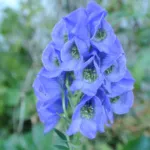 Azure Monkshood (Aconitum carmichaelii) care guideAconitum carmichaelii
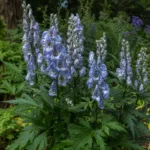 Monkshood (Aconitum ‘Stainless Steel’)Aconitum 'Stainless Steel'
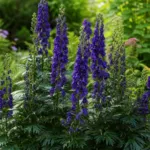 Monkshood (Aconitum ‘Bressingham Spire’)Aconitum 'Bressingham Spire'
 Golden full moon maple (Acer shirasawanum ‘Aureum’)Acer shirasawanum 'Aureum'
 Globosum (Acer platanoides ‘Globosum’)Acer platanoides 'Globosum'
 Striped maple (Acer pensylvanicum) care guideAcer pensylvanicum