
 AI-generated illustration
Warty Brassia (Brassia verrucosa) short overview
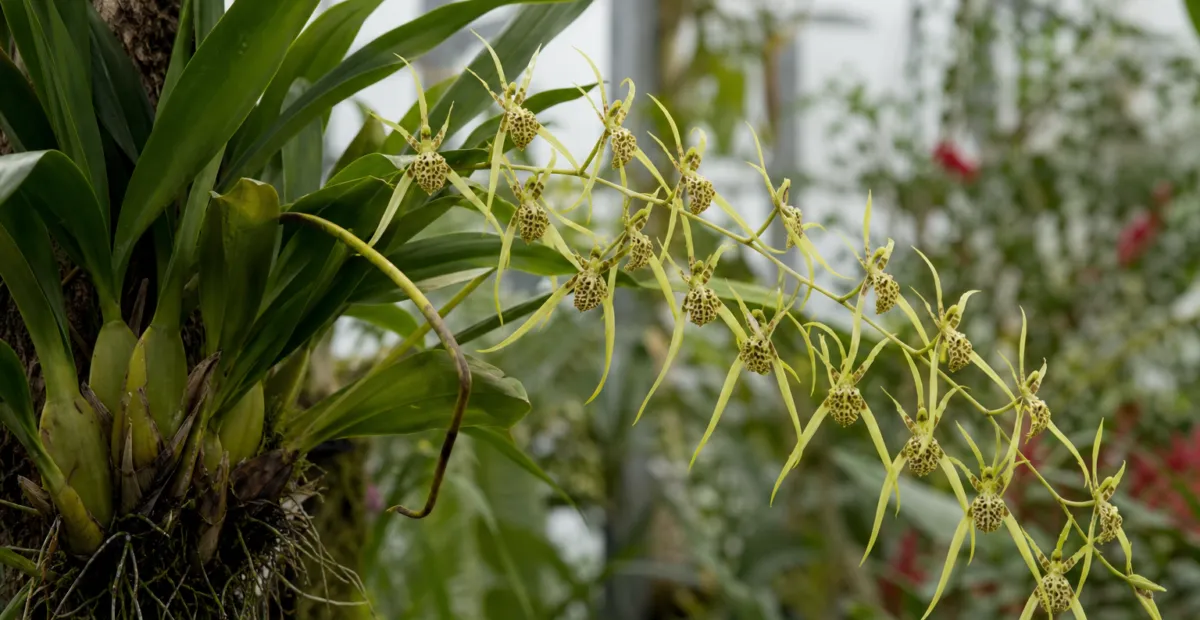
Warty Brassia is a striking epiphytic orchid from Mexico through Central America to northern Brazil. It forms compact pseudobulbs and produces long, arching flower spikes carrying pale green, spider-like blooms marked with brownish warts on the lip. The flowers may reach about 6 inches across, remain attractive for several weeks, and release a distinctive peppery, musky fragrance. In the United States, it is generally grown as a warm-to-intermediate greenhouse or houseplant.
Taxonomic classification
Warty Brassia (Brassia verrucosa) care guide
Light and placement
Give bright, filtered light near an east or lightly shaded south-facing window; a bright west window usually needs a sheer curtain. The foliage should be medium green. Yellowing, bleached leaves or reddish stress coloring can indicate excessive light, while very dark, soft growth and weak flowering suggest insufficient light. Keep the plant out of harsh midday sun behind glass.
Watering and humidity
Water thoroughly when the potting mix is approaching dryness, then let excess water drain completely. Do not leave the container standing in water. During active pseudobulb and root growth, watering may be fairly regular; reduce frequency after growth matures, while avoiding prolonged dryness that shrivels pseudobulbs. Humidity is helpful, but wet foliage and stagnant air encourage disease.
Soil and growing medium
Use a coarse, airy epiphyte mix based on medium-grade bark with additions such as perlite, charcoal or a small amount of moisture-retentive material. The roots need oxygen and rapid drainage rather than dense potting soil. A slightly acidic to neutral root environment is suitable. Replace decomposing mix before it becomes compact and waterlogged.
Feeding
Feed during active growth with a balanced orchid fertilizer diluted to about one-quarter to one-half of the label rate, generally every second or third watering. Flush the pot with plain water periodically to limit salt accumulation. Feed lightly or not at all immediately after repotting, during stagnant cold conditions, or when roots are damaged and unable to use fertilizer safely.
Growth and habit
This species grows sympodially, producing successive pseudobulbs from a creeping rhizome. Mature plants gradually form a broad clump and may send flower spikes from newly matured growths. Allow room for the rhizome to advance across the container, and avoid burying pseudobulbs because poor air circulation around them can lead to rot.
Planting and repotting
Grow in a slotted orchid pot or basket with a very open mix. Position the oldest pseudobulbs toward the back and leave clear space in front for new growth. Anchor a recently divided plant until roots re-establish, and keep the rhizome junction above the wettest part of the medium.
Repot when the bark has broken down, the plant has outgrown its container or drainage has declined. Choose a container only slightly larger than the root mass. Remove dead roots, retain healthy roots where possible, and keep the rhizome and pseudobulb bases above the mix. Resume normal watering after any damaged roots have dried and healed.
Propagation and pruning
Propagation
The practical method is division of a well-established clump after flowering or as new roots begin to emerge. Each division should retain several healthy pseudobulbs and at least one active growth point. Pot divisions firmly in fresh orchid mix and keep them slightly drier until roots resume growth.
Pruning
Remove a spent flower spike only after it has fully dried or when no further buds remain. Cut it close to its origin with sterilized tools, taking care not to injure nearby new growth. Do not cut healthy leaves or green pseudobulbs; remove only dead, diseased or severely damaged tissue.
Overwintering
In most of the United States, grow it indoors or in a heated greenhouse through winter. Keep nights near or above 45°F, provide bright filtered light and maintain air movement. Water less often in cool, low-light conditions, but do not allow pseudobulbs to remain severely shriveled for long periods.
Uses
Primarily grown as a collector’s orchid, greenhouse specimen or indoor flowering container plant. Its unusually large spider-like flowers and unusual fragrance make it valuable for orchid displays and botanical collections. It is not supported here as an edible, medicinal or landscape plant for freezing climates.
Appearance
The plant has ovoid green pseudobulbs carrying elongated, strap-like leaves. Its defining feature is the long, narrow, radiating sepals and petals that create a spider-like outline. The lip is pale and distinctly marked with small wart-like brown or green spots, giving the species its scientific and common-name association.
Flowering
Long inflorescences may carry roughly 5–15 pale green flowers. Individual blooms can remain attractive for several weeks, with reported longevity of about 3–8 weeks. The flowers become less strongly scented as they age. Blooming is associated with mature growth and is encouraged by strong filtered light, healthy roots and a modest seasonal shift in watering.
Pollination and visitors
The species is associated with wasp pollination syndrome. The flowers’ structure, scent and pale spider-like form are adapted to insect visitation, although the available documentation does not establish one particular wasp species as its exclusive pollinator.
Brassia verrucosa photos
Click any photo for a larger view. Source, author and license are shown separately.
Diseases and pests
Diseases
The main risks are root or pseudobulb rot from stagnant, waterlogged media and fungal or bacterial spotting under wet, poorly ventilated conditions. Use clean pots and tools, provide rapid drainage and air circulation, and water early enough for foliage to dry. Isolate plants with spreading lesions and remove affected tissue with sterilized tools.
Pests
Watch for scale, mealybugs, aphids, thrips and spider mites, especially in dry indoor air. Inspect leaf undersides, pseudobulb bases and new growth regularly. Remove small infestations manually or with an appropriate insecticidal soap, following the product label and testing sensitive orchid tissue first. Improve humidity and air movement without keeping foliage constantly wet.
Related diseases and pests
Only Plant Doctor profiles whose host data indicate this plant may be affected are shown here.
 DiseaseBacterial soft rotPectobacterium carotovorum
 PestMealy Plum AphidHyalopterus pruni (Geoffroy, 1762)
 Environmental stressWaterlogging
 Environmental stressUnderwatering
 PestOnion thripsThrips tabaci Lindeman
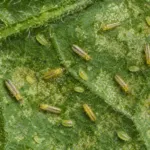 PestMelon thripsThrips palmi Karny
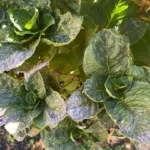 PestChilli thripsScirtothrips dorsalis Hood
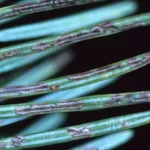 DiseaseRhabdocline Needle Cast of Douglas-FirRhabdocline pseudotsugae
Toxicity and pollen
Reliable species-specific toxicity information for Brassia verrucosa was not identified in the sources reviewed. Do not treat the plant as edible. Keep it away from children and pets that chew plants, avoid ingesting any part, and seek professional advice after a suspected exposure.
- Typical season
- During flowering, typically April–September in the United States
- Pollination / pollen
- Sticky orchid pollinia, not freely released powder
As an orchid, it produces adhesive pollinia rather than abundant loose pollen that readily becomes airborne. This suggests low routine airborne exposure, but species-specific allergy studies were not found. Sensitive people should still avoid handling flowers if they notice irritation and should keep good indoor air circulation.
Native habitat
In nature, Brassia verrucosa is an epiphyte or occasional lithophyte of humid forests and rocky hills at roughly 900–1,600 meters. Its range extends from Mexico through Central America and Venezuela to Brazil. The species is associated with seasonally dry tropical conditions, where roots experience rapid drainage, high humidity and periodic drying rather than saturated soil.
Interesting fact
The species was first published in 1840. Its flowers are among the largest and most spider-like in the genus. The lip bears distinctive wart-like markings. A white spider has been observed camouflaging among the flowers while hunting insects.
Frequently asked questions (FAQ)
The most relevant questions about this plant, with short and direct answers.
🌱Quick care
What is Brassia verrucosa commonly called?⌄
Brassia verrucosa is commonly called Warty Brassia. It is an epiphytic orchid in the genus Brassia, also known among gardeners as a spider orchid.
Is Brassia verrucosa easy to grow indoors?⌄
Brassia verrucosa can grow well indoors when given bright filtered light, steady moisture, humidity, airflow, and an open orchid mix. It is generally better suited to an attentive grower than to very dry indoor conditions.
🌤️Environment and placement
How much light does Brassia verrucosa need?⌄
Provide bright, filtered light for Brassia verrucosa. An east- or shaded south-facing window is often suitable, while harsh midday sun can scorch the leaves.
Can Brassia verrucosa grow under artificial lights?⌄
Yes, Brassia verrucosa can grow under artificial lights if the light is bright but not excessively hot. Keep the foliage far enough from the fixture to prevent bleaching or leaf burn and provide a regular day-night cycle.
What temperature does Brassia verrucosa prefer?⌄
Brassia verrucosa prefers intermediate temperatures, with mild to warm days and cooler nights. Protect it from frost, freezing temperatures, cold drafts, and sudden temperature changes.
Does Brassia verrucosa need high humidity?⌄
Brassia verrucosa grows best with moderate to high humidity, especially when mounted or kept in a warm, dry home. Good air movement is essential so humid conditions do not leave the foliage and roots constantly wet.
Can Brassia verrucosa be grown outdoors in the United States?⌄
Brassia verrucosa can be grown outdoors during frost-free weather in warm parts of the United States. Bring it indoors before temperatures approach freezing, and provide bright shade rather than strong afternoon sun.
Does Brassia verrucosa need air circulation?⌄
Yes, gentle air circulation helps Brassia verrucosa dry evenly and lowers the risk of fungal and bacterial problems. Use a fan nearby rather than directing a strong, drying stream continuously at the plant.
💧Care and problems
How often should I water Brassia verrucosa?⌄
Water Brassia verrucosa when the potting mix is nearly dry but before the pseudobulbs become severely shriveled. Water thoroughly, allow excess water to drain, and avoid keeping the roots in standing water.
Should Brassia verrucosa dry out completely between waterings?⌄
No, Brassia verrucosa should not remain completely dry for extended periods. Let the open mix become nearly dry between waterings, then rehydrate it thoroughly while maintaining good drainage.
Why are the pseudobulbs on my Brassia verrucosa wrinkled?⌄
Wrinkled pseudobulbs usually indicate insufficient water uptake, excessive drying, damaged roots, or recent repotting stress. Check the roots and potting mix, then correct watering without keeping unhealthy roots constantly wet.
Why are Brassia verrucosa leaves turning yellow?⌄
Yellow leaves can result from normal aging, excessive light, overwatering, poor drainage, or root damage. Assess the oldest leaves first and inspect the roots if several leaves yellow rapidly.
How should I fertilize Brassia verrucosa?⌄
Feed Brassia verrucosa lightly with a balanced orchid fertilizer during active growth, following the product label and watering first when the roots are dry. Reduce feeding when growth slows or the plant is recovering from stress.
What pests commonly affect Brassia verrucosa?⌄
Mealybugs, scale, aphids, thrips, and spider mites can affect Brassia verrucosa, especially when plants are stressed. Inspect leaf bases, pseudobulbs, flower spikes, and new growth regularly.
🪴Planting and repotting
What potting mix is best for Brassia verrucosa?⌄
Use a very open orchid mix based on medium-grade bark with additional drainage material such as perlite, coarse sponge rock, or a modest amount of sphagnum. Avoid ordinary potting soil because it stays too dense and wet around the roots.
Can Brassia verrucosa be mounted on bark?⌄
Yes, Brassia verrucosa can be mounted because it is an epiphytic orchid. A mounted plant needs more frequent watering and consistently higher humidity than one grown in a pot.
What type of pot is best for Brassia verrucosa?⌄
A pot or basket with excellent drainage works well for Brassia verrucosa. Choose a container that accommodates the roots without being excessively large, because oversized containers dry slowly and can encourage root loss.
When should I repot Brassia verrucosa?⌄
Repot Brassia verrucosa when the mix begins to break down, the plant outgrows its container, or the roots are failing. The safest timing is usually when new roots begin emerging from a new growth, unless deteriorated media requires immediate action.
How often does Brassia verrucosa need repotting?⌄
Brassia verrucosa commonly needs repotting about every two to three years, although the exact interval depends on the durability of the mix and the plant’s growing conditions. Repot sooner if the medium becomes compacted or sour.
Should Brassia verrucosa be kept slightly pot-bound?⌄
Yes, Brassia verrucosa generally performs well when established in a snug container. Move up only slightly when necessary, because a large volume of wet mix can damage the roots.
✂️Propagation and pruning
How do I divide Brassia verrucosa?⌄
Divide Brassia verrucosa by separating the rhizome into sections that each retain several healthy pseudobulbs and viable roots. Divisions with at least three mature pseudobulbs usually recover more reliably and flower sooner than very small pieces.
Can Brassia verrucosa be propagated from a leaf or stem cutting?⌄
No, Brassia verrucosa is not normally propagated from leaf or stem cuttings. Mature plants are typically propagated by division, while seed propagation is specialized and depends on orchid-specific laboratory methods.
Should I cut off old Brassia verrucosa pseudobulbs?⌄
Do not remove old Brassia verrucosa pseudobulbs while they remain firm and green because they continue supplying stored energy. Remove only dead, rotten, or completely shriveled tissue with sterile tools.
Does Brassia verrucosa need pruning?⌄
Brassia verrucosa requires little routine pruning. Remove spent flower spikes after they have fully dried, and trim only dead roots or diseased tissue with sterilized tools.
⚠️Toxicity and safety
Is Brassia verrucosa toxic to cats or dogs?⌄
The toxicity of Brassia verrucosa to cats, dogs, and people has not been firmly established. Keep it away from pets and children who may chew plant material, and contact a veterinarian or poison-control service if ingestion causes concern.
🌸Flowering and special interest
Why is my Brassia verrucosa not blooming?⌄
Insufficient light, immature growth, weak roots, irregular watering, or unsuitable temperatures can prevent Brassia verrucosa from blooming. Bright filtered light and healthy, mature pseudobulbs are especially important for flowering.
When does Brassia verrucosa flower?⌄
Brassia verrucosa can flower from spring into autumn, depending on its growing conditions and maturity. Long, arching flower spikes may carry numerous spidery, often fragrant flowers.
How long do Brassia verrucosa flowers last?⌄
Brassia verrucosa flowers can remain attractive for several weeks when the plant is healthy and conditions are stable. Sudden changes, handling the flower column, heat, or poor root function can shorten the display.
Are Brassia verrucosa flowers fragrant?⌄
Brassia verrucosa flowers may be fragrant, although scent intensity can vary with the individual plant, time of day, temperature, and growing conditions. Fragrance is not always noticeable in every specimen.
Similar plants
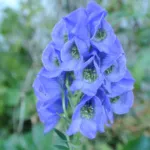 Azure Monkshood (Aconitum carmichaelii) care guideAconitum carmichaelii
 Monkshood (Aconitum ‘Stainless Steel’)Aconitum 'Stainless Steel'
 Monkshood (Aconitum ‘Bressingham Spire’)Aconitum 'Bressingham Spire'
 Golden full moon maple (Acer shirasawanum ‘Aureum’)Acer shirasawanum 'Aureum'
 Globosum (Acer platanoides ‘Globosum’)Acer platanoides 'Globosum'
 Striped maple (Acer pensylvanicum) care guideAcer pensylvanicum