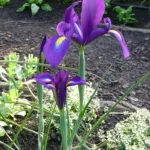
AI-generated illustration
Iris ‘Rustler’ short overview
Iris ‘Rustler’ is a tall bearded iris bred by Keith Keppel and introduced in 1988. Its midseason flowers combine antique-gold to rose-brown standards with darker rusty henna falls, paler edging and bright yellow-orange beards. The ruffled blooms rise above sword-shaped foliage on an upright, clumping plant about 37–40 inches tall. It is best grown in full sun, sharply drained soil and a site with good air circulation.
Taxonomic classification
Iris ‘Rustler’ care guide
Light and placement
Give ‘Rustler’ at least 6 hours of direct sun, preferably in an open east-, south- or west-facing bed with good air movement. Full sun supports stronger stalks and better flowering. Too little light can produce weak, floppy growth and fewer blooms; excessive heat is usually tolerated if the rhizome stays dry, but reflected heat and drought can shorten flower life.
Watering and humidity
Water deeply after planting and during the first growing season whenever the upper few inches of soil dry. Once established, the plant is relatively drought tolerant, but provide supplemental water during prolonged summer drought, especially while flower stalks are developing. Keep irrigation directed at the soil and never leave the rhizome sitting in saturated soil.
Soil and growing medium
Use fertile, well-drained soil that does not remain wet around the rhizomes. A loamy or moderately rocky bed is suitable, provided drainage is excellent. Neutral to slightly alkaline conditions are preferred; avoid burying the rhizome in heavy, poorly drained clay. In wet soils, plant on a raised ridge or amend the bed for faster drainage.
Feeding
Apply a balanced, low-nitrogen perennial fertilizer or a modest compost dressing in early spring as growth begins. A light post-bloom feeding can support rhizome increase in poor soil, but avoid heavy nitrogen or fertilizer placed directly against the rhizome, since lush foliage and soft growth can increase disease problems. Do not feed drought-stressed or newly divided plants heavily.
Growth and habit
The plant forms a gradually enlarging rhizomatous clump with upright fans of foliage and tall, branched flower stalks. Crowding can reduce bloom and increase disease pressure, so divide when the center becomes congested or flowering declines. Good drainage and exposed rhizomes are more important than rich, constantly moist soil.
Planting and repotting
Plant divisions from late summer into early fall, while allowing several weeks for root establishment before hard frost. Set the rhizome horizontally with the upper surface exposed or only lightly covered; roots should be spread into the soil. Space plants about 18–24 inches apart and water deeply after planting, then reduce watering as growth settles.
Container-grown rhizomes can be lifted and divided when crowded, usually after flowering or in late summer. Use a wide, heavy container with large drainage openings and a fast-draining loam-based mix. Keep the rhizome near the surface rather than burying it deeply, and avoid frequent disturbance.
Propagation and pruning
Propagation
Propagate by division of the rhizomatous clump. Lift and divide after flowering, usually in late summer or early fall, keeping a healthy rhizome section with fan and roots attached. Trim damaged material, allow freshly cut surfaces to dry briefly, and replant promptly with the rhizome near the soil surface. Seed propagation is mainly useful for breeding because seedlings do not reproduce the named cultivar reliably.
Pruning
After flowering, remove spent blooms and seed pods if seed is not wanted. Cut flower stalks to the base, but leave healthy leaves in place until they yellow naturally after the growing season. Remove diseased or frost-damaged foliage and clear debris from around the rhizomes.
Overwintering
Leave healthy foliage until it has naturally yellowed, then remove it and clear debris from the bed. In Zones 4–8, established plants generally overwinter outdoors without special protection if drainage is good. In colder exposed sites, a light winter mulch may be used after the ground freezes, but remove or thin it in spring so the rhizomes do not stay wet.
Uses
Use ‘Rustler’ as a specimen or repeated planting in sunny perennial borders, cottage gardens and iris collections. The tall, strongly colored flowers can also be cut for indoor arrangements. It is ornamental only; do not use any part as food or medicine, and keep pets from consuming the rhizomes.
Appearance
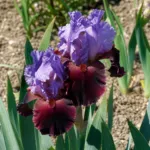
‘Rustler’ has upright sword-shaped blue-green leaves and tall branched stalks carrying large ruffled blooms. The standards are antique gold to rose-brown, while the falls are darker rusty henna with lighter edging and conspicuous yellow-orange beards. The warm, blended coloration and ruffled form are useful identification features.
Flowering
This is a midseason tall bearded iris. The flowers are ruffled and carried on upright branched stalks, with standards held above downward-flaring falls. Reports describe strong stems and good branching, although individual garden performance varies with climate, soil and division age. Rebloom has been reported in parts of California and Texas, but it should not be expected broadly.
Pollination and visitors
Reliable cultivar-specific visitor records were not found. Bearded irises can be visited by insects seeking nectar or pollen, but the documented evidence located for ‘Rustler’ does not support assigning a specific visitor group or attraction rating.
Diseases and pests
Diseases
Good drainage, sun and removal of old foliage reduce problems with bacterial soft rot and fungal leaf spot. Remove collapsing or water-soaked tissue promptly and discard badly rotted rhizomes. Avoid overhead watering late in the day, and divide crowded clumps to improve air circulation.
Pests
Iris borers are the principal concern in regions where they occur. Inspect spring foliage for water-soaked streaks or chewing, and check rhizomes in summer for tunnels, soft rot or caterpillars. Remove and destroy infested rhizomes, clear dead foliage and debris, and maintain an open, sunny planting area.
Related diseases and pests
Only Plant Doctor profiles whose host data indicate this plant may be affected are shown here.
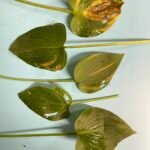 PestStrawberry foliar nematodeAphelenchoides fragariae
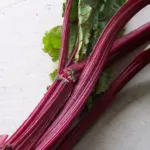 DiseaseBacterial soft rotPectobacterium carotovorum
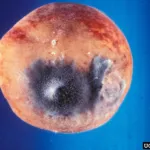 DiseaseRhizopus soft rotRhizopus stolonifer
 DiseaseAlternaria leaf spot and fruit rotAlternaria alternata
 DiseaseRhizoctonia DiseasesRhizoctonia solani Kühn
 PestBrown planthopperNilaparvata lugens (Stål)
 PestHessian FlyMayetiola destructor
 PestRosy Apple AphidDysaphis plantaginea
Toxicity and pollen
ASPCA lists Iris species as toxic to dogs and cats, with the highest concentration of irritating compounds in the rhizomes. Ingestion may cause drooling, vomiting, diarrhea and lethargy. Treat the rhizomes and other plant parts as unsafe to eat, keep pets from digging in the bed, and contact a veterinarian or poison-control service after suspected ingestion.
- Typical season
- Not well documented for this named cultivar; exposure would generally coincide with flowering in late spring to early summer.
- Pollination / pollen
- Flower pollen, mainly associated with insect visitation
Iris flowers release pollen from anthers positioned beneath the falls, and the pollen is generally moved during flower visits rather than freely dispersed in large airborne clouds. No cultivar-specific allergy study was found, so the low rating is a cautious garden-use assessment, not a guarantee of zero allergy risk.
Native habitat
As a cultivated hybrid tall bearded iris, ‘Rustler’ has no single native wild habitat. Its garden ecology is adapted to sunny temperate beds with seasonal moisture, summer drying and excellent rhizome drainage. It performs best where roots can access fertile soil while the rhizome remains aerated and relatively dry.
Interesting fact
‘Rustler’ was bred by Keith Keppel from ‘Laredo’ × ‘Dazzling Gold’. It received the American Iris Society Award of Merit in 1992. Historical descriptions vary from 36 to 40 inches in height. Rebloom has been reported in California and Texas, but it is not a dependable rebloomer everywhere.
Frequently asked questions (FAQ)
The most relevant questions about this plant, with short and direct answers.
🌱Quick care
What is Iris 'Rustler'?⌄
Iris 'Rustler' is a tall bearded iris cultivar hybridized by Keith Keppel and introduced in 1987. It grows about 36–37 inches tall and produces ruffled, warm rust, henna, antique-gold, and orange-toned flowers.
How much sun does Iris 'Rustler' need?⌄
Iris 'Rustler' needs full sun, ideally at least 6 hours of direct sunlight daily. More sun generally supports stronger stems and better flowering.
How often should I water Iris 'Rustler'?⌄
Water Iris 'Rustler' sparingly once established because it tolerates dry conditions. Water when the soil has dried, but avoid keeping the rhizomes consistently wet.
Is Iris 'Rustler' winter hardy?⌄
Yes, Iris 'Rustler' is a hardy perennial suitable for cold-winter gardens. Exact performance can vary by site, especially in areas with prolonged wet soil or unusually severe cold.
🌤️Environment and placement
What USDA hardiness zones are suitable for Iris 'Rustler'?⌄
Iris 'Rustler' is generally grown across USDA Zones 4–8, although individual gardens may differ. Good drainage is especially important at the colder and wetter edges of its range.
What soil is best for Iris 'Rustler'?⌄
Use well-drained loam for Iris 'Rustler'; it can also tolerate moderately rocky soil. Avoid heavy, waterlogged ground because saturated conditions can cause rhizome problems.
Can Iris 'Rustler' grow in clay soil?⌄
Iris 'Rustler' can grow in clay soil only when drainage is improved. Amend the bed, plant on a slight slope or raised bed, and keep the rhizome from sitting in saturated soil.
Can Iris 'Rustler' grow in partial shade?⌄
Iris 'Rustler' may survive in partial shade, but full sun is preferable for reliable flowering. Excessive shade can produce weaker growth and fewer blooms.
How much space does Iris 'Rustler' need?⌄
Space Iris 'Rustler' about 12–18 inches apart so air can circulate and clumps have room to expand. Wider spacing can be useful in humid areas or when creating a less crowded display.
💧Care and problems
How do I fertilize Iris 'Rustler'?⌄
Feed Iris 'Rustler' lightly with a low-nitrogen perennial or iris fertilizer in early spring and, if needed, after flowering. Avoid heavy nitrogen applications because they can encourage foliage at the expense of flowers.
Why is my Iris 'Rustler' not blooming?⌄
Common causes include insufficient sunlight, planting the rhizome too deeply, overcrowding, excess fertilizer, or poor drainage. Dividing an old clump and replanting the rhizomes shallowly in full sun often helps.
How do I prevent rhizome rot on Iris 'Rustler'?⌄
Prevent rhizome rot by planting Iris 'Rustler' in well-drained soil with the top of the rhizome exposed to sunlight. Limit irrigation, improve drainage, and remove soft or decaying tissue promptly.
What pests affect Iris 'Rustler'?⌄
Iris borers are the most important potential pest, while aphids, thrips, slugs, and snails may also occur. Remove dead foliage and garden debris to reduce pest and disease pressure.
What diseases can affect Iris 'Rustler'?⌄
Iris 'Rustler' can be affected by bacterial soft rot, fungal leaf spot, crown or root rot, and occasionally viral diseases. Good drainage, sanitation, and removal of diseased foliage help reduce problems.
Should I cut back Iris 'Rustler' after flowering?⌄
Remove spent flower stalks after blooming and trim diseased or badly damaged leaves as needed. Leave healthy foliage in place until it naturally declines so the rhizome can store energy.
🪴Planting and repotting
When should I plant Iris 'Rustler' in the United States?⌄
Plant Iris 'Rustler' in late summer or early fall, after flowering and while the rhizomes are dormant or freshly divided. In colder areas, plant early enough for roots to establish before the ground freezes.
How deep should I plant Iris 'Rustler' rhizomes?⌄
Plant the rhizome of Iris 'Rustler' at or just below the soil surface, with the top exposed to sunlight. Roots should be covered, but burying the rhizome deeply can reduce flowering and increase rot risk.
Can Iris 'Rustler' be grown in a container?⌄
Iris 'Rustler' can be grown temporarily in a large, well-drained container, but it performs best in open ground. Choose a sturdy pot with drainage holes and keep the rhizome shallow and exposed.
✂️Propagation and pruning
How do I propagate Iris 'Rustler'?⌄
Propagate Iris 'Rustler' by dividing its rhizomes after flowering, usually in late summer. Cut healthy sections with a fan of leaves and several inches of rhizome, then replant them shallowly.
How often should Iris 'Rustler' be divided?⌄
Divide Iris 'Rustler' when the clump becomes crowded or flowering declines, commonly every 3–5 years. Earlier division may be needed if the planting is congested or disease develops.
Can I grow Iris 'Rustler' from seed?⌄
You can grow Iris 'Rustler' from seed, but seedlings will not reliably reproduce the named cultivar. Division of rhizomes is the practical method for producing plants true to 'Rustler'.
⚠️Toxicity and safety
Is Iris 'Rustler' toxic to dogs and cats?⌄
Yes, Iris 'Rustler' is toxic if ingested by dogs and cats. Keep pets from chewing the rhizomes, leaves, or flowers, and contact a veterinarian promptly if ingestion is suspected.
Can Iris 'Rustler' irritate skin?⌄
Handling iris rhizomes or plant sap may irritate sensitive skin. Wear gloves when dividing or planting Iris 'Rustler', and wash exposed skin after gardening.
🌸Flowering and special interest
When does Iris 'Rustler' bloom?⌄
Iris 'Rustler' is a midseason bloomer, typically flowering in late spring to early summer depending on local climate. Bloom timing can vary with winter temperatures and spring weather.
What do the flowers of Iris 'Rustler' look like?⌄
The ruffled flowers combine antique-gold and rose-flushed standards with henna or chestnut-brown falls that lighten toward the margins. Yellow to orange beards and pale markings around the hafts add contrast.
Is Iris 'Rustler' fragrant?⌄
Yes, Iris 'Rustler' is reported to have a slight sweet fragrance. Fragrance intensity can vary with weather, time of day, and the individual planting.
Does Iris 'Rustler' rebloom?⌄
Iris 'Rustler' is primarily known as a midseason bloomer rather than a dependable rebloomer. Occasional rebloom has been reported in some warm regions, including parts of California and Texas, but it should not be expected everywhere.
How tall does Iris 'Rustler' grow?⌄
Iris 'Rustler' usually grows about 36–40 inches tall. Its height makes it suitable for the middle or back of a sunny perennial border.
Is Iris 'Rustler' good for cut flowers?⌄
Iris 'Rustler' can be used as a cut flower because its tall stems and distinctive warm coloring stand out in arrangements. Cut stems when buds are showing color and keep the vase water clean.