
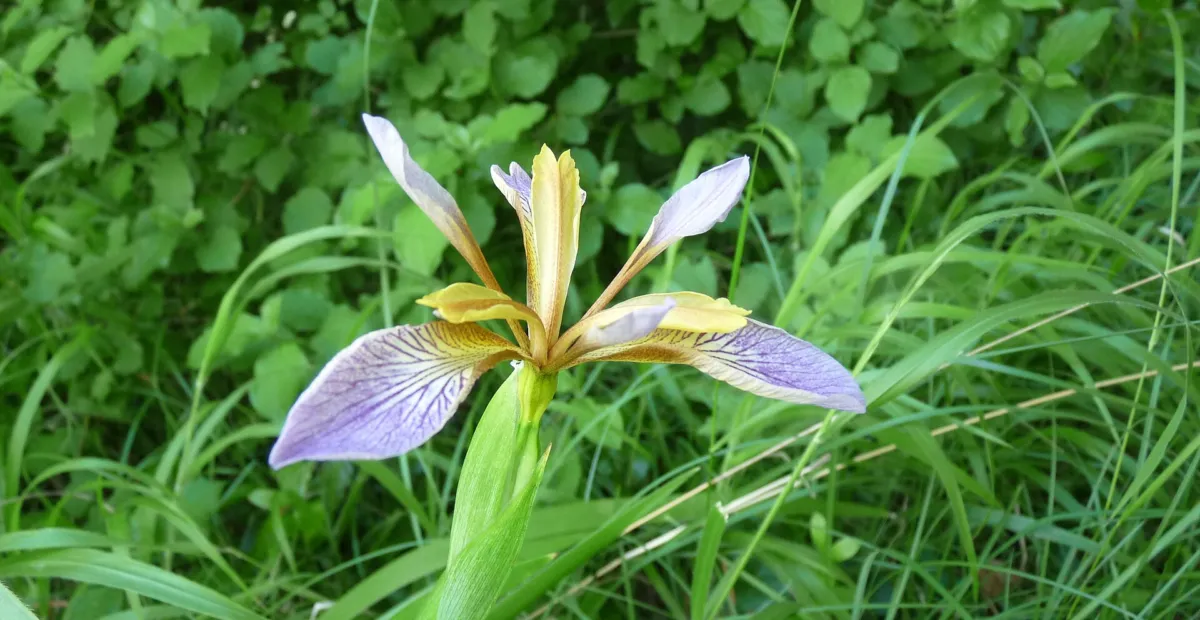
 Source:
 Iris foetidissima short overview
Iris foetidissima is a rhizomatous iris valued more for its durable evergreen foliage and vivid autumn seed display than for showy flowers. Glossy, sword-shaped leaves form a steady clump in sun, partial shade, or shade, while small yellow-tinged purple blooms appear in summer. Orange-red seeds remain conspicuous after the pods open, adding color through fall and often into winter. The species suits woodland edges, informal borders, and wildlife-oriented plantings.
Taxonomic classification
Iris foetidissima care guide
Light and placement
Grow in full sun, partial shade, or shade. Brighter light usually supports stronger flowering, while light shade is useful in hot or dry climates and helps preserve foliage. East- or north-facing positions are suitable in warm regions; south- or west-facing sites should not become excessively hot and dry. Sparse flowering may indicate too much shade, while scorched leaves suggest intense sun combined with drought.
Watering and humidity
Water deeply after planting and during the first growing season whenever the upper soil begins to dry. Once established, maintain moderate moisture during active growth, especially in prolonged heat, but let excess water drain freely. Reduce irrigation in cool or wet seasons. The plant does not require special humidity and should not be kept constantly saturated.
Soil and growing medium
Use moderately fertile soil that drains reliably but does not become excessively dry. It tolerates loam, clay, sand, and calcareous soils, with neutral to slightly acidic conditions generally suitable. Improve heavy or compacted ground with organic matter and avoid prolonged waterlogging around the rhizomes.
Feeding
Feed sparingly in spring with a balanced, slow-release fertilizer or a thin mulch of mature compost. Avoid heavy nitrogen applications, which can produce soft, floppy growth and do not improve the characteristic seed display. Do not fertilize drought-stressed or waterlogged plants; water first when soil is unusually dry.
Growth and habit
The plant forms a persistent rhizomatous clump and is generally steady rather than aggressive in ordinary garden conditions. Mature plants need little intervention beyond removing damaged foliage, controlling weeds during establishment, and dividing congested clumps when flowering or vigor declines.
Planting and repotting
Plant in spring or early fall, setting the rhizomes just below or level with the soil surface rather than burying them deeply. Water after planting and during dry spells until established. Allow enough room for a gradually widening clump and keep competing weeds away during the first seasons.
Repot container plants in spring or after flowering when the clump has outgrown its pot. Use a sturdy container with drainage holes and a well-drained loam-based mix. Handle the rhizomes carefully and replant them at the same depth, then water thoroughly while they re-establish.
Propagation and pruning
Propagation
Sow fresh seed in pots in autumn or spring and provide a cold, protected period for germination. Established clumps can be divided from midsummer to early fall after flowering. Replant divisions promptly, keeping the rhizomes shallow and evenly moist until rooted.
Pruning
Remove yellowing, damaged, or collapsed leaves in late fall or spring. Retain healthy foliage as long as possible because it supports the rhizomes. Cut spent flowering stems only if seed capsules are not wanted; leave them for the distinctive autumn and winter display.
Overwintering
This species is hardy outdoors in much of the United States when planted in well-drained soil. In colder or exposed sites, mulch lightly after the ground cools, keeping mulch away from the rhizome crown. Container plants are more vulnerable to freezing and should be sheltered or insulated during severe cold.
Uses
Use this iris as a durable foliage plant in informal borders, woodland-edge plantings, shaded beds, and naturalistic gardens. The persistent orange-red seeds provide late-season color and can be useful in winter-interest schemes. Treat all parts as ornamental only because ingestion is harmful.
Appearance
Glossy, narrow, sword-shaped leaves rise from the rhizome and usually remain green through much of the year, though colder climates may cause partial dieback. Upright flowering stems carry relatively small, subdued iris blooms. The most distinctive feature is the later seed capsule, which opens to expose bright orange-red seeds. Bruised foliage may have an unpleasant odor.
Flowering
Small iris flowers are produced on upright stems in summer. They are typically dull purple or yellow-tinged rather than brightly colored, and the floral display is relatively restrained. After flowering, swollen capsules develop and split open to reveal conspicuous orange-red seeds that can persist well beyond the bloom period.
Pollination and visitors
The flowers are insect-pollinated, but a clearly documented characteristic visitor group or species was not established from the reviewed sources. Avoid presenting the plant as a reliably high-value nectar or pollen resource without local observation.
Iris foetidissima photos
Click any photo for a larger view. Source, author and license are shown separately.
Diseases and pests
Diseases
Possible problems include bacterial soft rot, gray molds, and virus diseases associated with aphids. Prevent trouble by planting in well-drained soil, avoiding excessive overhead watering, removing collapsing tissue promptly, and disinfecting tools between clumps. Discard severely diseased rhizomes rather than composting them.
Pests
Slugs, snails, thrips, and aphids may occur. Inspect new growth and flower stems regularly, reduce hiding places for slugs and snails, and use proportionate controls only when damage is significant. Control aphids early because they can contribute to virus spread.
Related diseases and pests
Only Plant Doctor profiles whose host data indicate this plant may be affected are shown here.
 PestStrawberry foliar nematodeAphelenchoides fragariae
 DiseaseBacterial soft rotPectobacterium carotovorum
 DiseaseRhizopus soft rotRhizopus stolonifer
 DiseaseGray MoldBotrytis cinerea
 DiseaseRhizoctonia DiseasesRhizoctonia solani Kühn
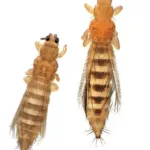 PestOnion thripsThrips tabaci Lindeman
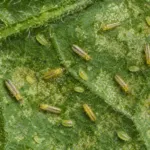 PestMelon thripsThrips palmi Karny
 PestChilli thripsScirtothrips dorsalis Hood
Toxicity and pollen
The RHS classifies the plant as harmful if eaten and advises protective handling precautions. Keep leaves, rhizomes, and especially seed capsules away from children and pets; ingestion may cause gastrointestinal or other irritation. Do not use it as an edible plant, and seek medical or veterinary advice after suspected ingestion.
- Pollination / pollen
- Primarily insect-transferred pollen
This is an insect-pollinated flowering plant, so pollen is not generally released in large windborne clouds. However, a species-specific US airborne-allergy assessment was not located, and insect pollination alone does not prove zero allergy risk. People with strong plant allergies should avoid handling bruised material if irritation occurs.
Native habitat
It is native to parts of western Europe, the western Mediterranean, and the Azores. In nature it is associated with temperate woodland, scrub, hedgebanks, and other relatively sheltered habitats, including coastal settings. It tolerates a broad range of soils provided drainage is adequate.
Interesting fact
The species is named for the unpleasant odor released when its foliage is bruised. Its bright orange-red seeds are often more visually distinctive than its flowers. Plants can remain attractive through winter where foliage persists.
Frequently asked questions (FAQ)
The most relevant questions about this plant, with short and direct answers.
🌱Quick care
What is Iris foetidissima?⌄
Iris foetidissima is an evergreen, rhizomatous iris grown for its glossy foliage, modest summer flowers, and bright orange-red seed clusters. It is commonly called stinking iris because bruised leaves can have an unpleasant odor.
Is Iris foetidissima evergreen?⌄
Iris foetidissima is usually evergreen in mild climates, although foliage may be damaged or die back during severe winters. It typically regrows from its rhizomes when growing conditions improve.
How big does Iris foetidissima get?⌄
Iris foetidissima generally grows about 18–32 inches tall and 12–20 inches wide. Its final size depends on climate, soil, moisture, and whether it is grown in sun or shade.
Is Iris foetidissima easy to grow?⌄
Iris foetidissima is generally easy to grow once established because it tolerates sun, shade, several soil types, and moderate moisture. Good drainage is more important than rich soil.
🌤️Environment and placement
Does Iris foetidissima grow in sun or shade?⌄
Iris foetidissima grows in full sun, partial shade, or full shade. Partial shade is especially useful in hot climates, while more sun can support better flowering if the soil does not become excessively dry.
Can Iris foetidissima grow in dry shade?⌄
Established Iris foetidissima can tolerate relatively dry shade, provided the soil drains well. Water it more regularly during its first growing season and during prolonged drought.
What USDA hardiness zones are suitable for Iris foetidissima?⌄
Iris foetidissima is commonly listed as suitable for USDA Zones 6–9. In colder areas, winter damage to evergreen foliage is more likely, so a protected, well-drained site is preferable.
What soil does Iris foetidissima need?⌄
Iris foetidissima grows in well-drained loam, clay, sand, or chalk and tolerates acidic, neutral, or alkaline conditions. Avoid locations where water remains around the rhizomes.
Can Iris foetidissima grow in clay soil?⌄
Iris foetidissima can grow in clay soil if drainage is improved and the planting area does not stay waterlogged. Incorporating organic matter and planting slightly raised can reduce the risk of rhizome rot.
Is Iris foetidissima suitable for woodland gardens?⌄
Iris foetidissima is well suited to woodland edges, shrub borders, shaded beds, and informal gardens. Its evergreen leaves provide structure even when the flowers are not prominent.
💧Care and problems
How often should I water Iris foetidissima?⌄
Water Iris foetidissima moderately, allowing the soil surface to dry somewhat between waterings. Provide extra water during establishment, hot weather, and extended drought, but do not keep the rhizomes saturated.
Does Iris foetidissima need fertilizer?⌄
Iris foetidissima usually needs little fertilizer when grown in reasonably fertile soil. If growth is weak, apply a light, balanced perennial fertilizer in spring according to the product label.
Why are the leaves of my Iris foetidissima turning brown?⌄
Brown leaves can result from drought, winter injury, excessive sun and heat, or poor drainage. Check soil moisture and drainage first, then remove only foliage that is fully dead.
Why is my Iris foetidissima not flowering?⌄
Iris foetidissima may fail to flower because of excessive shade, drought, young plants, overcrowded rhizomes, or recent disturbance. Improve light and moisture consistency, and divide congested clumps if needed.
What pests affect Iris foetidissima?⌄
Iris foetidissima can be affected by slugs, snails, thrips, aphids, and occasionally iris borers. Remove damaged foliage, maintain garden sanitation, and use only treatments labeled for the pest and plant.
Can Iris foetidissima get rhizome rot?⌄
Iris foetidissima can develop bacterial soft rot when rhizomes remain too wet or are damaged. Improve drainage, remove soft tissue with a clean tool, and replant healthy rhizome sections in fresh, well-drained soil.
When should Iris foetidissima be pruned?⌄
Remove dead or badly damaged foliage in fall or late winter, while leaving healthy leaves in place. After flowering, remove spent flower stems if you do not want seed pods, but retain them for the ornamental seed display.
🪴Planting and repotting
When is the best time to plant Iris foetidissima?⌄
Plant Iris foetidissima in spring or early fall when soil moisture is dependable and temperatures are moderate. Fall planting is suitable in mild climates, while spring is safer in areas with severe winters.
How should I plant Iris foetidissima rhizomes?⌄
Plant Iris foetidissima rhizomes shallowly, with the upper surface at or just below the soil line. Space them about 12–18 inches apart and keep the soil well drained.
Can Iris foetidissima grow in containers?⌄
Iris foetidissima can be grown in a container with drainage holes and a well-drained potting mix. Choose a stable pot large enough for the rhizomes and protect it from extreme winter cold.
✂️Propagation and pruning
How do you propagate Iris foetidissima?⌄
Propagate Iris foetidissima by dividing rhizomes from midsummer to early fall or by sowing seed in fall or spring. Division produces flowering-size plants sooner, while seedlings may take longer and can vary.
How do you divide Iris foetidissima?⌄
Lift the clump, separate healthy rhizome sections with roots and shoots, and replant them shallowly in well-drained soil. Discard soft or rotted pieces and water the divisions until established.
Can Iris foetidissima be grown from seed?⌄
Iris foetidissima can be grown from seed, usually by sowing fresh seed in containers in fall or spring. Seedlings are slower than divisions and may require more than one growing season before flowering.
Can Iris foetidissima spread by seed?⌄
Iris foetidissima can self-seed when its orange-red seeds mature and fall into suitable soil. Remove developing pods if you want to limit seedlings, or leave them for winter interest and natural regeneration.
⚠️Toxicity and safety
Is Iris foetidissima poisonous to people?⌄
Iris foetidissima is harmful if eaten and should not be consumed. Wear gloves when handling the plant, especially if you have sensitive skin, and keep plant material away from children and pets.
Are Iris foetidissima berries poisonous?⌄
The orange-red seeds of Iris foetidissima should be treated as harmful if eaten, as should the rest of the plant. Do not use the seed clusters as food, and remove them from areas accessible to children or pets.
Is Iris foetidissima safe for dogs and cats?⌄
Iris foetidissima is not considered safe to eat and may be harmful to pets. Prevent dogs, cats, and other animals from chewing the leaves, rhizomes, or seeds, and contact a veterinarian if ingestion occurs.
🌸Flowering and special interest
When does Iris foetidissima bloom?⌄
Iris foetidissima usually blooms in late spring or summer, depending on climate. The flowers are relatively small and often yellowish or dull purple with darker markings.
What do Iris foetidissima seed pods look like?⌄
Iris foetidissima produces prominent pods that split open to reveal bright orange-red seeds. The seed clusters often persist into fall and winter and are a major ornamental feature of the plant.
Why does Iris foetidissima smell bad?⌄
The leaves of Iris foetidissima can release a strong, unpleasant odor when bruised or crushed. The smell is temporary and is not normally noticeable when the foliage is left undisturbed.
Similar plants
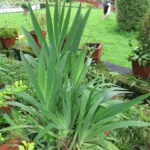 Blackberry Lily (Iris domestica) care guideIris domestica
 Iris ‘Rosalie Figge’Iris 'Rosalie Figge'
 Iris ‘Beverly Sills’Iris 'Beverly Sills'
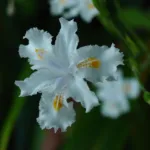 He bamboo iris (simplified Chinese: 扁竹兰 (Iris confusa) care guideIris confusa
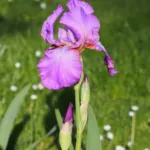 Iris ‘Amethyst Flame’Iris 'Amethyst Flame'
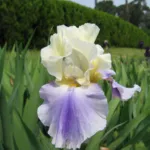 Iris ‘Edith Wolford’Iris 'Edith Wolford'