
 Source:
 Common Jasmine (Jasminum officinale) short overview
Common jasmine, Jasminum officinale, is a vigorous, fragrant climber valued for its white, star-shaped flowers and finely divided green leaves. In the United States it performs best in full sun to light partial shade, fertile well-drained soil and a protected site with sturdy support. It is generally grown outdoors in USDA Zones 7–10 and can be container-grown elsewhere for winter protection. Jasminum officinale is a fragrant, vigorous deciduous climbing vine in the olive family. It produces pinnate leaves and clusters of white, five-lobed flowers during late spring and summer.
Taxonomic classification
Common Jasmine (Jasminum officinale) care guide
Light and placement
Provide full sun for the strongest flowering, ideally against a south- or west-facing wall or on an open trellis. Light partial shade is tolerated, especially in hot climates, but dense shade causes weak, stretched growth and fewer flowers. Harsh reflected heat combined with dry roots can scorch foliage, so mulch the root zone without covering the stems.
Watering and humidity
Water deeply when the upper 1–2 inches of soil begin to dry, then allow excess water to drain. Keep newly planted vines evenly moist through their first growing season. Reduce watering in cool weather and after leaf drop, but do not allow container roots to dry completely. Good air movement is more important than unusually high humidity.
Soil and growing medium
Use fertile, well-drained soil with good moisture retention but no prolonged saturation. Loam enriched with compost is suitable. Slightly acidic to neutral conditions are preferred; avoid compacted clay and sites that remain waterlogged.
Feeding
Apply a balanced slow-release fertilizer or a modest dose of complete fertilizer in spring, then feed again only if growth is weak or the plant is being grown in a container. Compost can be used as a surface mulch. Stop regular feeding in late summer so tender growth can mature before winter.
Growth and habit
This vigorous twining climber needs a trellis, wires or another durable support. New shoots can become tangled and bare lower sections may develop if growth is unmanaged. Tie young stems into position, thin congested growth and prune after flowering to maintain coverage and encourage fresh flowering wood.
Planting and repotting
Plant in spring after the risk of hard frost, or in fall where winters are mild. Set the root ball level with the surrounding soil, water deeply, mulch lightly and install support before vigorous growth begins. Space plants about 4–6 feet apart when training several vines along a structure.
Repot container plants in spring when roots fill the pot, moving up one container size. Use a structurally stable pot and a free-draining, moisture-retentive mix. Refresh the upper layer of mix annually for large specimens that are difficult to move.
Propagation and pruning
Propagation
Take semi-ripe cuttings in summer, or root flexible stems by layering during active growth. Seed is possible but slower and less predictable. Maintain even moisture and bright indirect light while cuttings establish; layering is often the simplest method for a mature garden plant.
Pruning
Prune after the main flowering period, shortening overlong side shoots and removing weak, damaged or congested stems. Older plants tolerate hard renovation pruning, but severe cutting may reduce the next flowering display. Tie replacement shoots to support as they develop.
Overwintering
In Zones 7–8, mulch the root zone and protect the base from drying winds; a sheltered wall can improve survival. In colder areas, grow in a large container and move it indoors or into a cool bright space before hard freezes. Reduce watering indoors, provide support and prune to control size.
Uses
Use as a fragrant climber for trellises, fences, walls, arbors and pergolas, or grow it in a large container with support. Its flowers are valued ornamentally and in fragrance production. Do not assume that ornamental jasmine is interchangeable with other jasmine species or safe for culinary use without verified identification.
Appearance
The stems twine through support rather than forming a self-supporting trunk. Leaves are opposite and pinnate, usually with 7–9 narrow, pointed oval leaflets. The foliage is green and generally deciduous in cooler climates, while the slender stems become woody with age. Small black fruits may follow successful flowering.
Flowering
Fragrant flowers are borne in terminal or axillary clusters on new growth and older framework, with the main display typically extending from late spring through summer in much of the United States. Flowers have a slender tube and five spreading lobes; occasional pink or reddish shading may occur on the outer flower tube.
Pollination and visitors
The scented flowers are suitable for insect-visiting and pollinator-oriented gardens, but reliable species-level records identifying the principal visitors were not found in the reviewed sources. Avoid presenting a specific bee, butterfly or moth as the primary pollinator without stronger documentation.
Jasminum officinale photos
Click any photo for a larger view. Source, author and license are shown separately.
Diseases and pests
Diseases
Usually trouble-free, but excess moisture and poor air circulation can encourage leaf spots, root problems and occasional blight. Improve drainage, avoid overhead watering, remove affected foliage and disinfect cutting tools. Monitor stressed plants rather than applying routine fungicides.
Pests
Watch for aphids, scale insects, whiteflies and spider mites, especially on container plants or indoors. Inspect new growth, wash pests off with water and use horticultural oil or insecticidal soap when necessary, following the product label. Avoid drought stress and excessive nitrogen, which can worsen pest problems.
Related diseases and pests
Only Plant Doctor profiles whose host data indicate this plant may be affected are shown here.
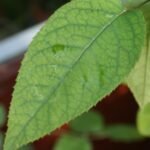 Environmental stressManganese deficiency
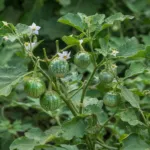 Environmental stressPoor drainage stress (waterlogging)
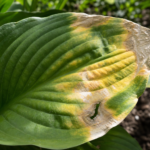 Environmental stressExcess light stress
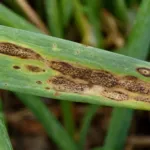 DiseaseStemphylium Leaf BlightStemphylium vesicarium (Wallr.) E.G. Simmons
 DiseaseFire BlightErwinia amylovora
 PestCitrus whiteflyDialeurodes citri
 DiseaseChestnut blightCryphonectria parasitica (Murrill) M.E. Barr
 DiseaseBoxwood blightCalonectria pseudonaviculata
Toxicity and pollen
ASPCA lists jasmine plants under Jasminum as non-toxic to dogs and cats. Normal handling is not considered hazardous, but ingestion of any ornamental plant can cause minor gastrointestinal upset in some individuals. Avoid using garden material internally unless it has been specifically identified and prepared for that purpose.
- Typical season
- Late spring through summer where the plant blooms outdoors
- Pollination / pollen
- Insect-dispersed pollen; limited airborne-allergy documentation
Jasminum officinale is insect-pollinated and has not been well characterized in U.S. allergy literature as a major airborne pollen source. Fragrance or flower oils may still bother sensitive people, and individual pollen reactions are possible. Keep heavily flowering plants away from frequently used indoor areas if symptoms occur.
Native habitat
Native across parts of the Caucasus, Iran, Afghanistan, the Himalayas, northern India, Nepal and western China. It occurs in warm-temperate to subtropical environments and generally favors sunny, sheltered sites with fertile soils and reliable but not stagnant moisture.
Interesting fact
The species has opposite pinnate leaves commonly composed of 7–9 pointed leaflets. Its flowers are tubular with five spreading lobes and strongly scented. Small black berries may develop after flowering. The species has a long history in European gardens and is Pakistan’s national flower.
Frequently asked questions (FAQ)
The most relevant questions about this plant, with short and direct answers.
🌱Quick care
What is Common Jasmine?⌄
Common Jasmine is the fragrant twining vine Jasminum officinale in the olive family, Oleaceae. It produces clusters of star-shaped white flowers and is commonly grown on trellises, fences, walls, and other supports.
How much sunlight does Common Jasmine need?⌄
Common Jasmine grows best in full sun, meaning at least 6 hours of direct sunlight daily, but it tolerates partial shade. More light generally supports denser growth and heavier flowering.
How often should I water Common Jasmine?⌄
Water Common Jasmine when the top inch of soil begins to dry, keeping the root zone evenly moist but not waterlogged. Established plants tolerate brief dry periods, but drought during active growth can reduce flowering.
What type of soil is best for Common Jasmine?⌄
Use fertile, well-drained loam enriched with organic matter. Common Jasmine tolerates average soil, but compacted or poorly drained ground can stress the roots and increase the risk of root problems.
Is Common Jasmine evergreen or deciduous?⌄
Common Jasmine may be deciduous or semi-evergreen, depending on the climate and winter conditions. In warmer areas it can retain much of its foliage, while colder locations may cause substantial seasonal leaf drop.
🌤️Environment and placement
What USDA hardiness zones are suitable for Common Jasmine?⌄
Common Jasmine is generally suited to USDA Zones 7b through 10b, although winter performance depends on exposure and local conditions. In colder areas, grow it in a container or protect it from freezing weather.
Where should I plant Common Jasmine outdoors?⌄
Plant Common Jasmine in a sunny, sheltered location near a sturdy trellis, fence, or wall. Protection from strong winter winds and severe cold is especially useful near the colder edge of its hardiness range.
Can Common Jasmine grow in partial shade?⌄
Yes, Common Jasmine can grow in partial shade, but it usually flowers more heavily with several hours of direct sunlight. Deep shade may produce weak, sparse growth and few flowers.
Does Common Jasmine need a trellis?⌄
Common Jasmine benefits from a trellis or another sturdy support because its twining stems can become vigorous and sprawling. Tie young stems loosely to guide them until they reach the support.
How large does Common Jasmine get?⌄
Common Jasmine is a vigorous vine that can reach roughly 12 to 24 feet in suitable conditions. Its final size varies with climate, support, pruning, soil fertility, and whether it is grown in the ground or a container.
💧Care and problems
When should I prune Common Jasmine?⌄
Prune Common Jasmine after its main flowering period, removing spent flowering stems and overcrowded or damaged growth. Hard pruning is tolerated, but severe cutting may reduce flowers in the following season if flowering wood is removed.
How do I keep Common Jasmine from becoming overgrown?⌄
Control Common Jasmine by tying new stems to the support, thinning congested growth, and pruning after flowering. Remove weak, damaged, or badly placed stems first, then shorten overly long shoots to maintain the desired size.
Why is my Common Jasmine not flowering?⌄
Common Jasmine may fail to flower because of insufficient sunlight, excessive nitrogen, drought stress, winter damage, or pruning at the wrong time. Move container plants to brighter light and avoid removing flowering wood before blooming.
Why are the leaves on my Common Jasmine turning yellow?⌄
Yellow leaves can result from overwatering, poor drainage, nutrient stress, insufficient light, or normal seasonal leaf drop. Check soil moisture and drainage first, and inspect the plant for pests before adding fertilizer.
What pests affect Common Jasmine?⌄
Common Jasmine can be affected by aphids, mealybugs, and spider mites, especially when grown indoors or under stress. Inspect leaf undersides and tender shoots, then use a strong water spray or an appropriately labeled insecticidal soap when needed.
Can Common Jasmine tolerate drought?⌄
Established Common Jasmine has some drought tolerance, but it performs best with moderate, even moisture. Water deeply during prolonged hot or dry weather, especially for young plants and container-grown specimens.
How should I overwinter Common Jasmine in a cold climate?⌄
In colder areas, grow Common Jasmine in a container and move it indoors before hard freezes, or protect outdoor roots and stems with mulch and a sheltered location. Indoor plants need bright light, reduced watering, and a support for their vines.
🪴Planting and repotting
When is the best time to plant Common Jasmine?⌄
Plant Common Jasmine outdoors in spring after the danger of hard freezes has passed, giving roots time to establish before winter. In mild climates, fall planting is also possible if the soil remains workable and drainage is good.
Can Common Jasmine be grown in a container?⌄
Yes, Common Jasmine grows well in a large container with drainage holes, fertile potting mix, and a trellis or other support. Container plants dry out and freeze more quickly than plants in the ground, so monitor moisture and winter exposure closely.
How do I repot Common Jasmine?⌄
Repot Common Jasmine when roots fill the container or growth becomes weak, moving it into a pot only one size larger. Use fresh, well-drained potting mix, preserve the root ball where possible, and water thoroughly after repotting.
How far apart should Common Jasmine plants be spaced?⌄
Space Common Jasmine according to the support and desired coverage, generally leaving several feet between plants. Allow enough room for mature vines to spread without crowding walls, windows, walkways, or neighboring plants.
✂️Propagation and pruning
How can I propagate Common Jasmine from cuttings?⌄
Propagate Common Jasmine from semi-ripe cuttings taken during active growth. Place several-inch cuttings in a clean, well-drained rooting medium, keep them warm and lightly moist, and provide bright indirect light until roots develop.
Can Common Jasmine be propagated by layering?⌄
Yes, Common Jasmine can be propagated by layering a flexible stem. Pin a section of stem to moist soil while it remains attached to the parent plant, then separate it after roots form and new growth begins.
Can Common Jasmine be grown from seed?⌄
Common Jasmine can produce fruit and seed, but seed propagation is less commonly used because plants may be slow or variable compared with cuttings or layering. Vegetative propagation is usually the more practical method for preserving a desirable plant.
⚠️Toxicity and safety
Is Common Jasmine toxic to dogs?⌄
Common Jasmine is listed as non-toxic to dogs by the ASPCA. Even non-toxic plant material can cause mild vomiting or gastrointestinal upset if a dog eats a large amount.
Is Common Jasmine toxic to cats?⌄
Common Jasmine is listed as non-toxic to cats by the ASPCA. Prevent excessive chewing because any plant material may still cause mild digestive upset, and confirm the plant identity if it was purchased under a different common name.
Is Common Jasmine safe to grow around children?⌄
Common Jasmine is generally considered a low-risk ornamental plant, but children should not be encouraged to eat leaves, flowers, or berries. Also keep containers and supports stable to prevent tipping or climbing-related accidents.
🌸Flowering and special interest
When does Common Jasmine bloom?⌄
Common Jasmine typically blooms in summer, although flowering can extend from late spring into fall in favorable climates. Bloom time varies with latitude, winter damage, sunlight, temperature, and pruning.
Are Common Jasmine flowers fragrant?⌄
Yes, Common Jasmine has strongly fragrant white flowers, often produced in clusters. The scent is usually most noticeable in warm, still conditions, especially when the plant is in full bloom.
How can I make Common Jasmine bloom more?⌄
Maximize flowering by providing full sun, consistent moisture, fertile but not excessively nitrogen-rich soil, and a sturdy support. Prune after flowering rather than immediately before the expected bloom period.
Is Common Jasmine the same as star jasmine?⌄
No. Common Jasmine is Jasminum officinale, while star jasmine is usually Trachelospermum jasminoides, a different genus and species. Both are fragrant climbers, but their hardiness, foliage, and care requirements differ.
Similar plants
 He bamboo iris (simplified Chinese: 扁竹兰 (Iris confusa) care guideIris confusa
 Chrysojasminum care guideChrysojasminum
 Water Iris (Iris laevigata) care guideIris laevigata
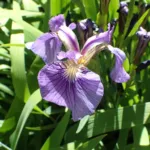 Beach-head Iris (Iris setosa) care guideIris setosa
 Jasminum nudiflorum care guideJasminum nudiflorum
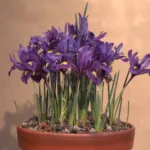 Netted Iris (Iris reticulata) care guideIris reticulata