
Boxwood blight
Calonectria pseudonaviculataBoxwood blight overview
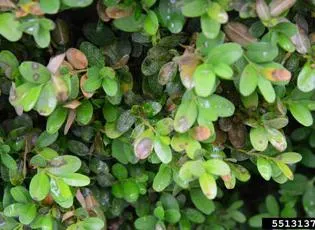
Boxwood blight is a destructive fungal disease caused by Calonectria pseudonaviculata. It produces dark leaf spots, rapid browning and leaf drop, and distinctive black streaks or lesions on green stems. The pathogen moves readily in infected nursery stock, splashing water, fallen leaves, soil, tools, clothing and animals. Infected plants cannot be cured, so early confirmation, sanitation and prevention are critical.
Typical conditions
Overview
Boxwood blight, also called box blight, is caused by the fungus Calonectria pseudonaviculata, formerly known as Cylindrocladium buxicola or Cylindrocladium pseudonaviculatum. It is an important disease of landscape boxwood, nursery stock and formal hedges in the United States.
Symptoms may resemble other boxwood problems, including Volutella blight, Macrophoma leaf spot, winter injury or insect damage. A laboratory diagnosis is advisable when the disease would affect removal decisions, nursery movement or a valuable planting.
Symptoms and identification
- Small dark brown to black leaf spots that may enlarge or merge.
- Rapid yellowing, browning and shedding of leaves, often beginning in the lower or inner canopy.
- Narrow black streaks, lesions or girdling cankers on otherwise green stems.
- Extensive thinning and bare twigs may develop within a short period during favorable weather.
- In humid conditions, pale or salmon-colored spore-bearing structures may form on infected tissue, although they are not always visible.
Boxwood leafminer injury can also cause blotching, but holding an affected leaf toward strong light may reveal the insect or mines inside rather than fungal spots.
Causes and spread
The pathogen is introduced most often with infected or contaminated plant material. Spores are moved locally by wind-driven rain, irrigation splash, wet foliage, fallen leaves, soil, tools, containers, clothing, footwear and animals. Dense plantings, overhead irrigation and repeated handling of wet plants increase transmission.
Infected leaves and debris can contain persistent microsclerotia, allowing the pathogen to survive in contaminated material and complicate replanting. Leaf blowers and movement of unbagged debris can spread contaminated fragments beyond the original plant.
Life cycle and persistence
When susceptible foliage remains wet under mild to warm conditions, the fungus produces spores on infected leaves and stems. These spores germinate, penetrate wet plant tissue and produce new lesions, often within several days under highly favorable conditions. Repeated cycles of infection can cause rapid canopy loss.
As infected tissue dies and falls, the pathogen can form durable microsclerotia in plant debris and soil. These resting structures may persist for extended periods, so removing visible foliage alone does not guarantee that an infested site is clean.
Treatment and control
There is no reliable treatment that cures an established boxwood blight infection. If symptoms are confirmed, promptly isolate the planting and obtain diagnostic advice, particularly for high-value landscapes or nursery stock.
- Remove severely infected plants and as much associated leaf litter as practical, minimizing shaking and dispersal.
- Bag material before carrying it through the landscape and clean tools, clothing, footwear and equipment afterward.
- Do not replant susceptible Buxus immediately in contaminated soil unless a qualified plant pathologist or extension professional recommends a suitable plan.
- Protect nearby healthy plants through sanitation, reduced leaf wetness, improved airflow and, where appropriate, a legally labeled preventative fungicide program.
Fungicides can protect uninfected or recently exposed tissue and may suppress disease development, but they do not restore defoliated plants and usually require well-timed repeat applications.
Low-impact and biological control
No organic measure reliably eradicates the pathogen from an infected boxwood. The most useful non-synthetic measures are exclusion, sanitation and moisture management:
- Remove and contain infected plants and fallen debris before rain, irrigation or leaf blowing can spread them.
- Use clean propagation material and disinfect reusable tools, benches, containers and footwear.
- Water at the soil surface, increase spacing and prune selectively to promote faster drying.
- Replace badly affected boxwood with non-host ornamentals where practical.
- Use only biological or organically approved products that are specifically registered and labeled for the crop and disease in the United States; efficacy can be inconsistent and these products should supplement, not replace, sanitation.
Prevention
- Buy boxwood only from reputable suppliers with documented disease-prevention practices, and inspect new plants before purchase and again before planting.
- Do not install questionable plants near established boxwood. Quarantine new material when practical.
- Improve spacing and airflow, avoid unnecessary shearing, and use drip or directed irrigation instead of wetting foliage.
- Scout the inner canopy and lower stems regularly, especially during cool, wet spring and fall weather.
- Remove fallen boxwood leaves carefully. Bag diseased material for disposal according to local guidance; do not compost suspect debris.
- Clean soil and plant residue from tools, shoes, carts, containers and work surfaces before moving between plantings.
- Where replacement is necessary, consider less-susceptible boxwood cultivars or non-host plants, recognizing that susceptibility varies by cultivar and testing conditions.
Interesting facts
- The pathogen has several older scientific names, including Cylindrocladium buxicola and Cylindrocladium pseudonaviculatum.
- Boxwood blight was first officially documented in the United States in 2011 and has since been detected in multiple regions.
- Not all boxwood cultivars are equally susceptible; tolerance is relative rather than complete immunity.
- The disease is associated mainly with plants in the Buxaceae, and documented susceptibility extends beyond Buxus to some Pachysandra and Sarcococca species.
- Black stem streaks combined with rapid defoliation are especially useful clues when distinguishing boxwood blight from some other boxwood diseases.
Use only pesticide products legally registered and authorized for boxwood blight, the specific crop and the intended use in your state and country. Follow the current product label exactly, including protective equipment, application interval, re-entry interval and disposal requirements. Fungicides are primarily protectants or suppressants, not cures, and should be integrated with sanitation, exclusion and moisture management. Confirm the diagnosis before treating.
Affected plants
The plants below are linked to this problem by structured host-plant data. The list updates automatically as new plant profiles are added.
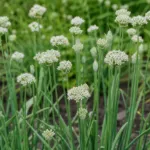 Bunching onion (Allium fistulosum) care guideAllium fistulosum
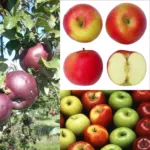 Apple tree (Malus domestica) care guideMalus domestica
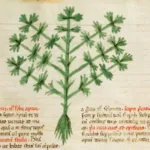 Wild Celery (Apium graveolens) care guideApium graveolens
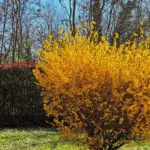 Border Forsythia (Forsythia intermedia) care guideForsythia intermedia
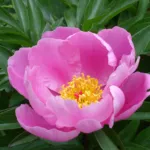 Common Garden Peony (Paeonia lactiflora) care guidePaeonia lactiflora
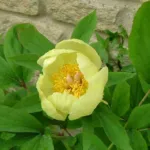 Paeonia mlokosewitschii care guidePaeonia mlokosewitschii
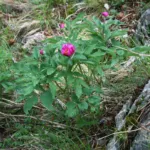 Garden Peony (Paeonia officinalis) care guidePaeonia officinalis
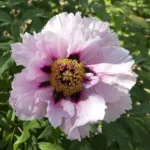 Tree peony (Paeonia suffruticosa) care guidePaeonia suffruticosa
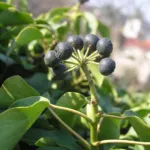 European Ivy (Hedera helix) care guideHedera helix
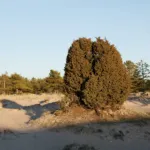 Common juniper (Juniperus communis) care guideJuniperus communis
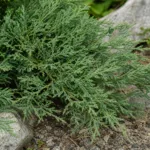 Creeping juniper (Juniperus horizontalis) care guideJuniperus horizontalis
 Tuftroot (Dieffenbachia seguine) care guideDieffenbachia seguine